At a glance
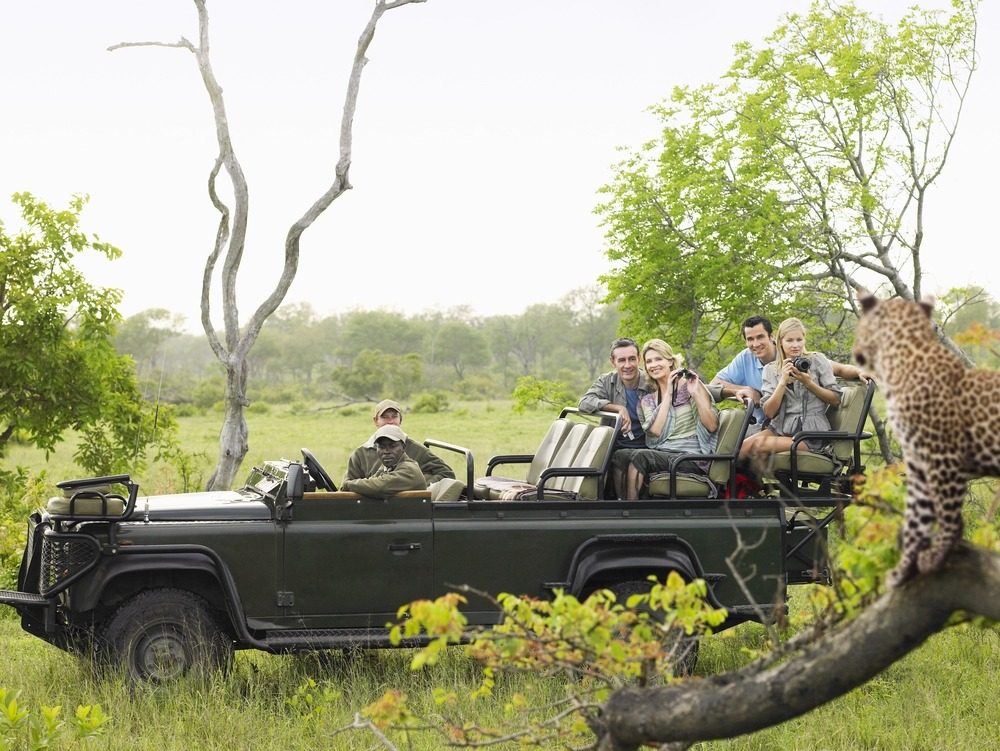
Fancy a safari? Here's some useful information before you set off on this unforgettable experience.
Fancy a safari? Here's some useful information before you set off on this unforgettable experience.
The word "safari" comes from Swahili, which borrowed it from the Arabic word "safar", meaning "journey".
Which type of safari should you choose?
Every type of safari is different. There's a huge number of countries that offer the chance to go on safari. Each country has its own specific wildlife and vegetation, ranging from forests on volcanic soil to arid, inhospitable deserts. So it's clear you won't see the same things everywhere.
Find out in advance about the types of safari on offer in the country you're visiting.
You can also customise your safari: get closer to locals, go on a horseback safari, a "primate special" safari, a flying safari, a canoe safari, … or choose a group or solo trip, with or without a driver, etc. This will, of course, have a direct impact on the price.
Types of accommodation
Travel agencies offer several levels of comfort. A safari under a standard camp (tent and mattress) will be more "adventurous" than a luxury safari where you'll sleep in lodge/guesthouse-type facilities, which are far more comfortable.
It's often recommended to combine several types of accommodation to vary the experience and the approach.
When should you go?
The time of year you plan to go on safari will affect what you experience. If you travel in the dry season, the trees will have less foliage, making it easier to spot animals. However, the routes will be busier and prices higher. If you travel in the wet season, you'll enjoy much lusher scenery. However, rain can make some places inaccessible, and some hotels may be closed (or may offer discounts). The climate also affects the migration of the animals you might be lucky enough to see.
The best season to travel can therefore vary from country to country — you can find out more here.
Where and how do you book?
- Many travel agencies or tour operators specialise in this type of trip or can include a safari in your itinerary.
- Tourist offices in different countries can also give you information on the subject.
- Online, you'll find specialist websites. However, make sure you can trust the organisation before booking or paying any booking fees.
- Finally, once there, you can ask your hotel or local agencies that offer this type of activity.
A few basic rules
On safari, you find yourself in the middle of the wild, which can turn dangerous if certain essential rules aren't followed.
Guided safaris:
- Above all, listen to and follow your guide's instructions: they're the only one who really knows the area and how local wild animals behave.
- Avoid shouting or speaking loudly.
- Avoid running or making sudden movements when near animals.
- Stay on the tracks and close to your group!
- Wear suitable shoes to move more easily over the terrain and avoid being stung or bitten (snakes, insects, …). Watch where you step.
- Stay especially calm once night falls, so as not to attract certain animals.
- Going on safari with very young children is not recommended — some agencies or parks don't accept children below a certain age. If you do bring children, never leave them unsupervised.
- Don't leave food in your tent, or in an open vehicle.
- Wear muted colours and protect yourself from mosquitoes.
- Avoid using your camera's flash as much as possible: it could scare animals and trigger an aggressive or panicked reaction.
Solo safaris:
If you go on safari without a guide/driver, some extra rules apply:
- Choose your vehicle carefully and make sure it's in good working order.
- Let trusted contacts who stay at your starting point know about your route and how long your safari will last, so they can trace and find you if there's a problem.
- Find out about the potential dangers you might encounter along the way (dangerous or impassable roads, protected areas, wild animals, insecurity (smuggling, poaching, ...)) and how to handle them.
- Keep your speed down when approaching wild animals, and don't get too close to them. Stick to the tracks — besides being the law, it's also safer for you.
- Don't drive at night: you can't always see animals crossing the road.
- Carry a fuel reserve to avoid any bad surprises when covering long distances.
- Carry enough drinking water.
- Besides your GPS, bring a map and a satellite phone in case you ever get stranded in the middle of nowhere.
- Make sure you have a spare wheel and a toolbox.
- Bring a first-aid kit.
- Remember to pack a shovel — it could get you out of trouble if you get stuck in the mud.
- Bring your camping gear: tent, torch, mattress, sleeping bag, etc., and pitch your tent only in designated areas.
These are the basic rules. What matters most is a bit of common sense and respect for the environment you find yourself in.