At a glance
How can you reduce the risk of flooding?\ What should you do when facing a sudden rise in water levels?\ Here is a 7-point action plan.
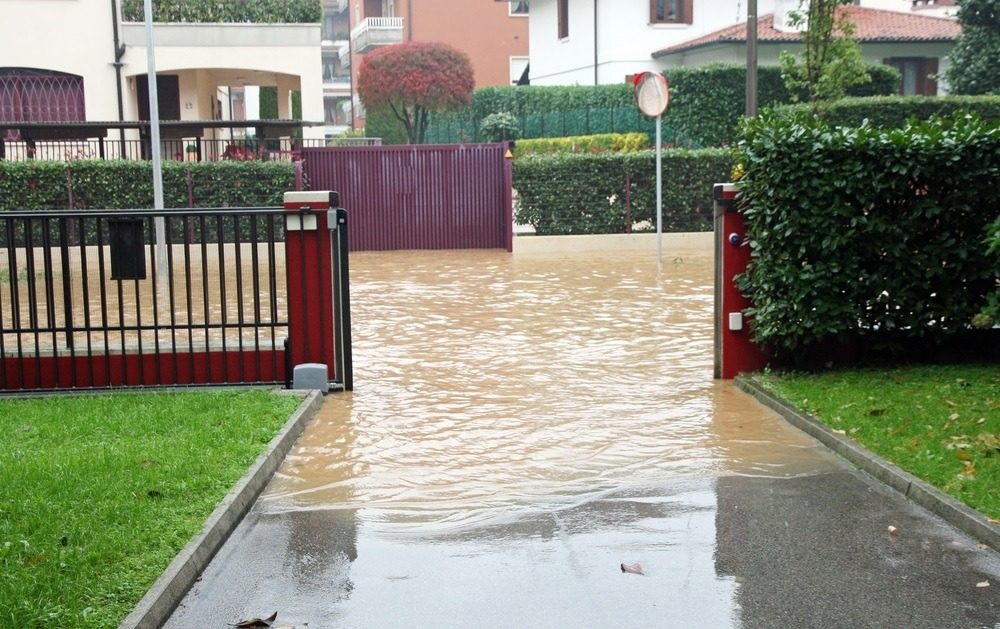
Every year, floods affect certain regions of the country, causing countless material damages to residents who then face a real disaster.
How can you reduce the risk of flooding?
What should you do when facing a sudden rise in water levels?
Here is a 7-point action plan.
1. Know the risks
The following questions will already help you better understand the risks:
Do you live in a flood-prone area?
Find out from the relevant authorities: your local urban planning department, the region, your insurer (living in a flood-prone area can affect your premium).
Each region has maps showing flood-prone or at-risk areas:
- In Wallonia
- In Brussels
- In Flanders
Do you live in a risk area?
Some areas carry higher risks, such as those located along a river, a stream or another waterway, near a dam or a retention basin, in an area where water drainage is (made) difficult (e.g. due to construction work), downhill from agricultural land (mudslides), in a low-lying part of a town, etc.
Be aware of the potential causes of a flood
To act quickly and effectively, you need to be aware of the most common causes of flooding: heavy rain or abnormal, continuous rainfall, storms, river surges, defective or insufficient drainage systems, a dam or reservoir at risk of overflowing, etc.
2. Stay alert
At times when the potential risk of flooding is highest, keep listening to the weather forecast and follow the news. Stay on your guard.
Check https://meteoalarm.org/ or, for Belgium, the RMI website.
3. Is a flood forecast or imminent?
- Seal the windows and doors of floors likely to be flooded (basement, ground floor, etc.), and get hold of sandbags and materials to mop up water.
- Install a pump to remove any water that might get into the home.
- Make sure outdoor rainwater can drain naturally and without obstruction towards a lower area.
- Move your important documents to a room out of reach of the water.
4. Is water threatening your home?
- Switch off and shut down your heating appliances, gas supply, electrical network, etc.
- Move vulnerable occupants (elderly people, the sick, children, etc.) and your pets to safety.
- Move furniture, electrical appliances, rugs, valuables, clothes, food, etc. upstairs.
- Store as many items as possible in cupboards to stop them from floating away.
- Move any chemical or toxic substances that could come into contact with water to safety.
- Raise furniture or (electrical) appliances that you can't move.
- Get hold of a torch and dress in waterproof clothing and boots.
- Keep an emergency kit at hand in a waterproof bag, and set aside some cash too.
- Keep a means of communication (mobile phone) so you can call for help if needed.
5. Is your home flooded?
- Do not use electrical equipment: lifts, automatic doors, etc.
- Do not cut the power if the installation is wet or surrounded by water — you would be putting your life at risk!
- Do not go outside. If possible, try to follow how the situation develops by listening to the radio or checking specialised websites.
- Alert the emergency services (most of the time, though, they will already be aware or on site) and follow their instructions if you need to evacuate.
- Do not leave your home to pick up your children from school (they will already be looked after there).
- Do not try to save your vehicle (car, motorbike, bicycle, etc.) or other belongings located somewhere likely to flood quickly (e.g. in a basement garage). Many people who tried to "save their car" have lost their lives doing so!
- For non-urgent cases, the authorities (in principle) activate the special number 1722 for any request for assistance.
6. Do you need to leave your home?
- Only do so if it's truly essential.
- Do not travel on a flooded road, either on foot or by car.
- A car offers no protection if it becomes flooded!
- Do not enter a tunnel, or cross a bridge that is at risk of flooding.
- Take a route that leads you above the water level.
- Follow the instructions of the emergency services and respect any diversions.
- Let your loved ones know where you're going.
7. What should you do after the disaster?
- Contact your insurer as soon as possible, and gather evidence of the damage (photos, testimonies).
- Check with the authorities to find out whether the event will be recognised as a natural disaster.
- Flood water and mud can be contaminated and polluted: be very careful when cleaning up (wear gloves and boots)!
- Only drink tap water if you're sure it's safe to drink again.
- Throw away any food that has come into contact with water, and dispose of any dead animals (in a plastic bag). There's a good chance that electrical appliances that came into contact with water will need to be replaced.
- Call in specialists to carry out a safety assessment of your home (habitability, electrical network, heating, etc.). Your insurer can help you find them.
- Drying out a house can take a very long time: ventilate as much as possible and gently heat the affected areas.
- Get help from your loved ones, neighbours, friends, etc. Together, you'll get through this difficult time!
And finally, whatever happens, try to stay calm.