At a glance
What attitudes should you adopt to reduce your ecological footprint while travelling? If protecting the climate matters to you, here are a few tips for travelling in an eco-friendly way.
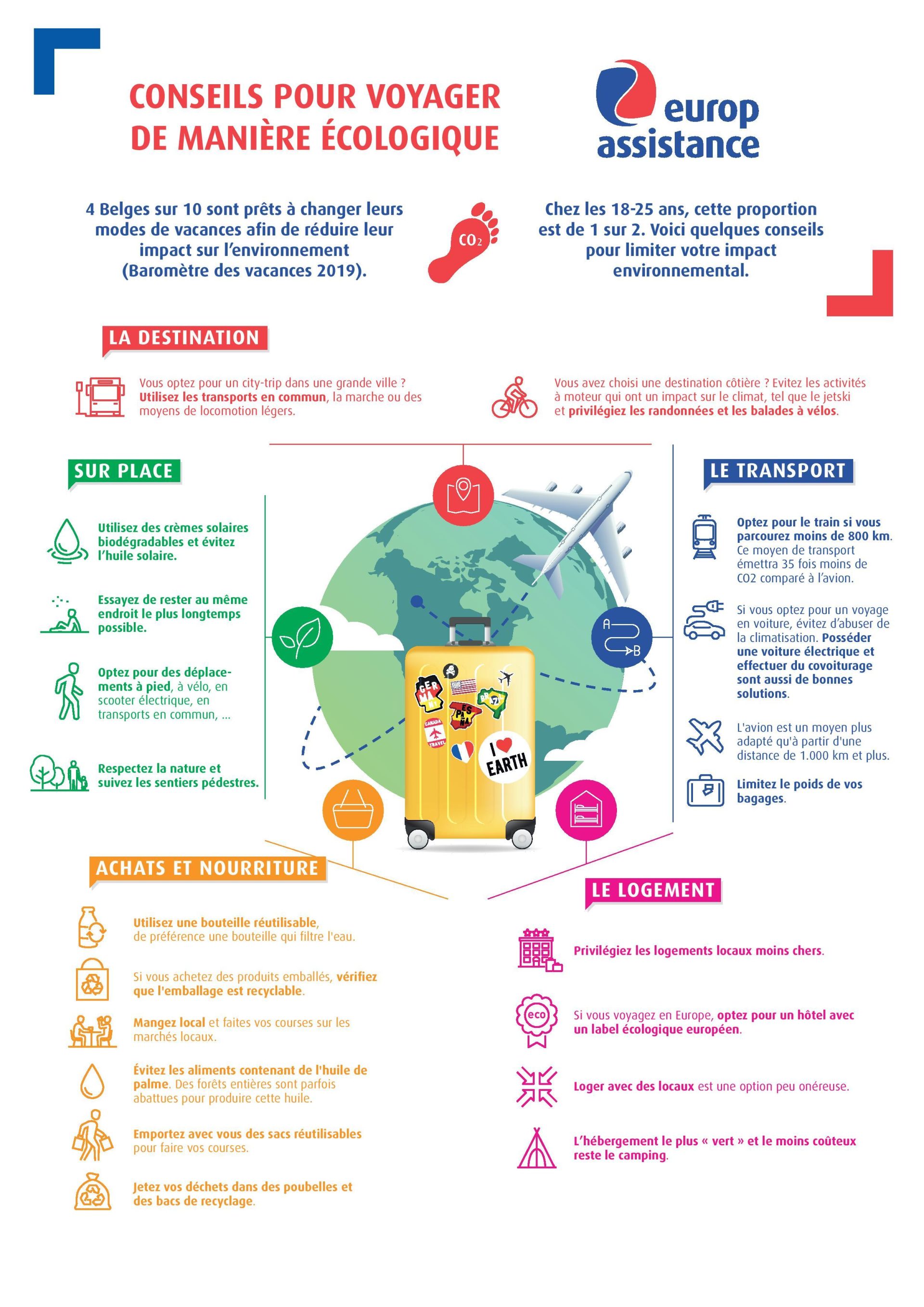
It's no longer a secret: travelling generates pollution. Tourism is currently responsible for 8% of greenhouse gas emissions worldwide. Redion's 2019 Holiday Barometer revealed that 4 out of 10 Belgians intend to change the way they holiday in order to reduce their impact on the environment. If protecting the climate matters to you, here are the questions to ask yourself to reduce your carbon footprint during your holidays.
What questions should you ask when planning your trip?
1. What type of destination should you choose?
 Obviously, the fewer kilometres you travel, the smaller your ecological footprint. Here are a few questions to ask yourself depending on the type of destination you choose:
- A city? If you're going for a city trip, first explore the big cities near you! We often tend to want to go further afield without bothering to visit the cities closer to home. Use the city's public transport, walk, or use light means of getting around. If you want to visit the surrounding area, choose public transport rather than renting a car. This option is also cheaper.
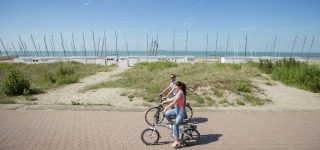
- The coast? Avoid activities that impact the climate, such as jet-skiing and other motorised activities. Choose hikes and bike rides instead. Don't leave your rubbish on the beach...
2. What type of trip?
Your type of trip will depend on your budget and the number of people travelling with you.
Travelling as a group? Agree with everyone on the type of trip you want to take: trekking, a stay in the countryside or in a city, or rather a beach holiday? Choose to buy food locally (local market) rather than bringing it with you. Don't over-pack. Any unnecessary load (any unnecessary weight) will make you use more energy.
The same reasoning applies when travelling as a family. If you're a hiking fan, adapt your trip, especially if you have children. You need to find a balance between everyone's wishes and the overall holiday budget. A hiking holiday will obviously be cheaper than a hotel stay. Camping can be a good compromise.
3. Choosing your mode of transport wisely
-
The train: If you're staying in Europe and planning a journey between 150 and 800 km, and you're not in a hurry, choose the train over the plane. It's easy to travel
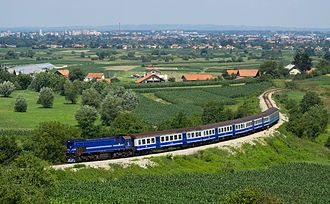 all over Europe by train. This mode of transport emits 35 times less CO2 compared to flying! What's more, travelling by train is generally faster than by bus or car. The journey is also more comfortable, and it's a great way to meet other travellers or locals. Unfortunately, rail travel is still, for now, a very expensive mode of transport.
 -
The car, if necessary: If you have no choice but to make the journey by car, motorways can offer a solution if you choose days with smooth-flowing traffic. Also, avoid overusing air conditioning. It can increase fuel consumption by 15 to 20%. Owning an electric car is also an advantage. There are more and more places where you can recharge your battery. Click here to see all the charging points available in Europe. Carpooling is also a good solution to limit your ecological impact, via platforms such as BlaBlaCar.
-
And flying? Flying only becomes worthwhile if you need to travel more than 1,000 km. If you decide to fly, choose a direct flight rather than one with stopovers, if possible. Indeed, planes pollute the most during take-off and their climb to altitude. Also limit the weight of your luggage. Every unnecessarily transported kilo increases fuel consumption. If you need to take a long-haul flight, there are airlines that are more eco-friendly than others.
Questions to ask when booking accommodation
Choosing accommodation
It's generally advisable to avoid luxury hotels and choose local accommodation instead. Unspoilt forests and paradise beaches are often damaged or destroyed to build luxury hotels. Some beaches are also privatised by certain hotels and are only accessible if you're staying there. What's more, large hotels use a lot of water doing large quantities of laundry every day.
 If you're travelling in Europe, you can also choose a hotel with a European eco-label. Hoteliers have to comply with very strict requirements to be able to display this label at their establishment (reducing energy consumption, water consumption, waste production, use of renewable energy...). Worldwide, there's also the "Green Key International" label, equivalent to the European label.
Cheaper than hotels: you can also stay with locals.
The cheapest option remains camping. The European Centre for Ecological and Agricultural Tourism (ECEAT) has compiled more than a thousand addresses of "green" campsites and accommodation all over Europe.
At your holiday destination
Shopping and food
- Instead of buying plastic bottles for your outings, bring a reusable bottle, preferably with a filter. Sure, the initial cost is higher than a plastic
 bottle, but in the long run you'll spend less.
 - If you buy foreign products, choose ones with recyclable packaging.
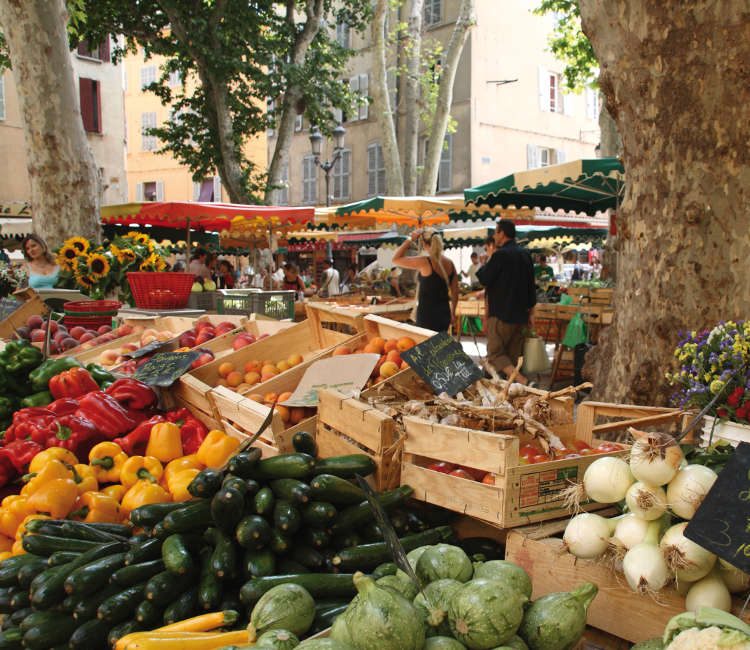
- "Eat local". Buy your food at local markets.
- Avoid eating foods made with palm oil, as entire forests are cut down to grow this crop.
- Use reusable bags for your shopping. Don't leave your rubbish behind, and throw waste in recycling bins.
Eco-friendly habits and behaviour
- On the beach, use biodegradable sun creams (for example, BioSolis creams) rather than oil. Oil forms a film on the surface of the water and slows down the photosynthesis of
 underwater plants. It can also be harmful to wildlife.
 - Also try to travel "slowly" and stay longer in one place. For example, avoid visiting 3 countries in 3 weeks.
- If you need to travel short to medium distances, avoid using motorised transport for everything. Choose to walk, cycle, use an electric scooter... If you need to cover longer distances, take the train or coach.
- Respect nature and stay on marked trails.
- Make sure you don't leave any rubbish behind at the place you've visited or where you've had a picnic (e.g. the beach, the dunes...). Even better: pick up any rubbish you find on the ground where you are (plastic bottles, cans, etc), just like the "Trashpackers" (https://trashpackers.org/).
Apps to help reduce your ecological footprint
- For Good is a free app. It gives users tips to help them reduce their CO2 emissions by up to 15% on average, in the short term.
- Geco is an app that coaches you on every car journey. To do this, it monitors your driving. You can save up to 15% in fuel and just as much in CO2 emissions.
Also read: