At a glance
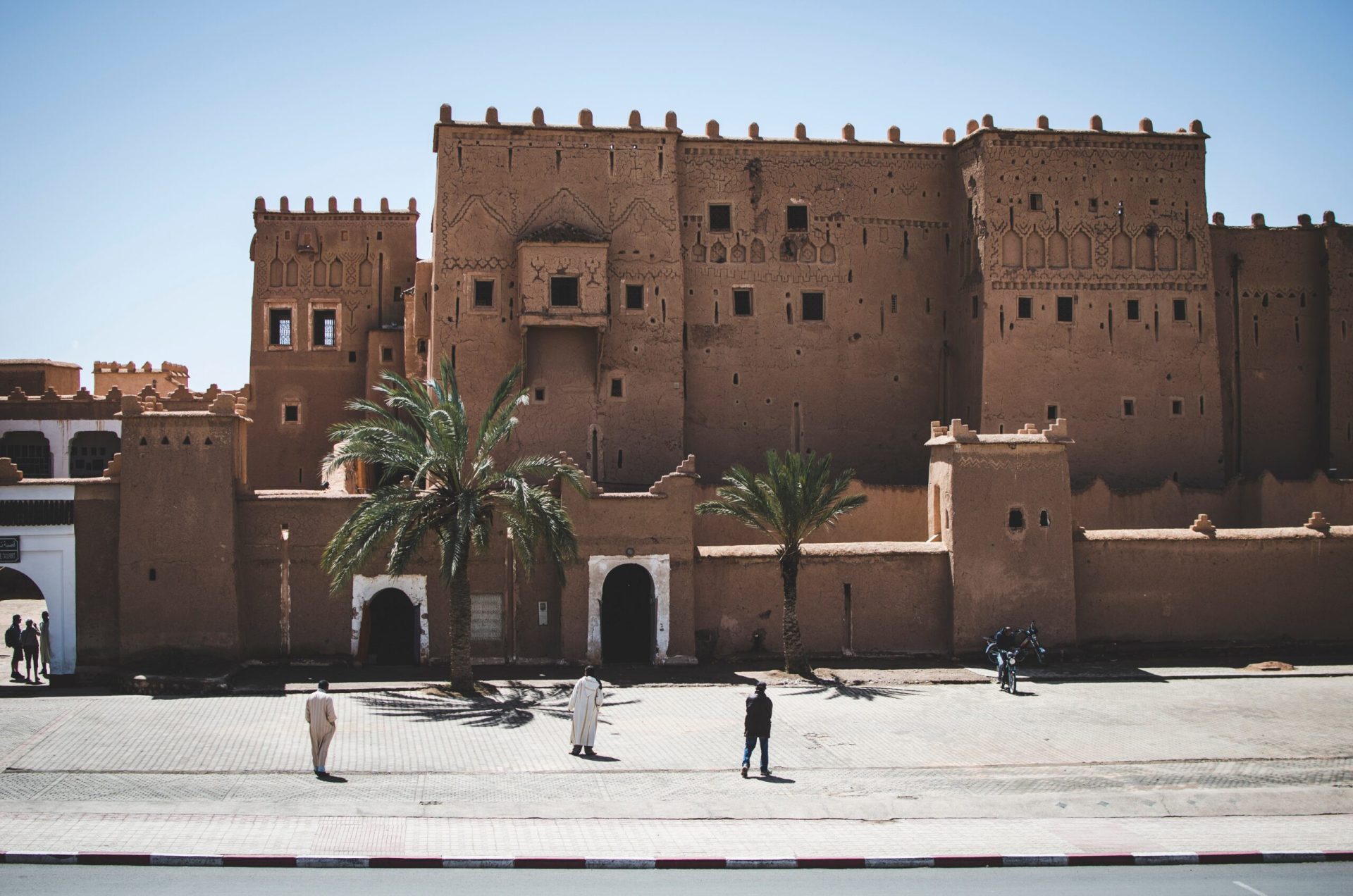
Discover travel tips for Morocco: a country with magnificent scenery, a rich culture and culinary delights.
MOROCCO
Capital: Rabat
Language: Arabic and Berber
Currency: Dirham. Exchange rate: 1 MAD = ± 0.09 EUR
**Tourist Office: **visitmorocco.com
Belgian Embassy in Morocco: morocco.diplomatie.belgium.be
Emergency numbers:
- General: 112
- Ambulance and fire brigade: 150
- Police: 190
Card Stop (in case of loss, theft or fraud involving a Belgian bank or credit card): +32 78 170 170
Doc Stop (Belgian ID card or passport lost or stolen): 00800 2123 2123 or + 32 2 488 212
Driving licence:
- You can use your Belgian driving licence (European Union model) in Morocco for a maximum of three months.
- An international motor insurance card is compulsory
Assistance: Redion (Belgium):
- Tel.: +32.(0)2/533.75.75 (general number)
- Website: http://www.redion.be
- For medical and technical assistance only: Email: help.be@redion.com
Basic expressions / common words:
- Hi = Salaam
- Goodbye = Beslama
- Yes = ejeeh / neam
- No = La
- Thank you = Shokran
Did you know?
In Morocco, it is customary to negotiate the price. Moroccan merchants expect to negotiate and adjust their prices accordingly. Think about what you want to pay for items and start negotiating at around a third of the asking price. Through negotiation, you earn the merchants' respect.
Are you travelling to Morocco? Here are a few useful tips:
Travel documents and customs formalities
To visit Morocco, you must have a passport valid for at least 6 months after your departure from Morocco. A visa is not required if you stay in Morocco for less than 3 months. When leaving Morocco, you may not export the national currency, the dirham. At the end of your stay, you can exchange dirhams you previously bought back into euros or another foreign currency only by presenting the corresponding purchase receipts.
The healthcare system in Morocco
In Morocco's main cities there are enough hospitals, medical staff and pharmacies. However, ambulance services can be lacking there. The country has both public healthcare facilities and private clinics. The latter are suitable for both simple and urgent procedures, but costs can be very high. Before you leave, it's advisable to take out travel insurance so you can travel without worry. This way, you can travel with peace of mind. There is no compulsory vaccination for tourists visiting Morocco.
Safety in Morocco
Be alert to theft and petty crime, especially in major tourist cities and busy places. Before choosing your itinerary, we advise you to check the security situation in Morocco online and in the media. You should avoid places where public gatherings or demonstrations are taking place, and respect local and Muslim customs as much as possible, particularly during Ramadan.
If you're interested in a trip into the desert, check whether the borders are open before setting off. Only use off-road vehicles (4x4) with enough water, food and fuel.
Before you leave, check the latest travel advice for Morocco on the website of the Belgian Federal Public Service for Foreign Affairs.
It is recommended that you register your trip to South Africa on Travellers Online. This allows the Federal Public Service for Foreign Affairs to contact you should an emergency arise.
Climate and religion
The climate on the Moroccan coast is mild, both in winter and summer. Inland, it gets very hot during the summer months, with daytime peaks of 40 degrees and low night-time temperatures. In winter, it rains a lot and the roads are often impassable. There is also a lot of snow in the Atlas Mountains during the winter months.
Morocco's population is mainly Muslim. However, there is a small Jewish community around Casablanca, and you can find Catholic churches in the major cities, with Sunday services in French and Spanish.
Moroccan cuisine
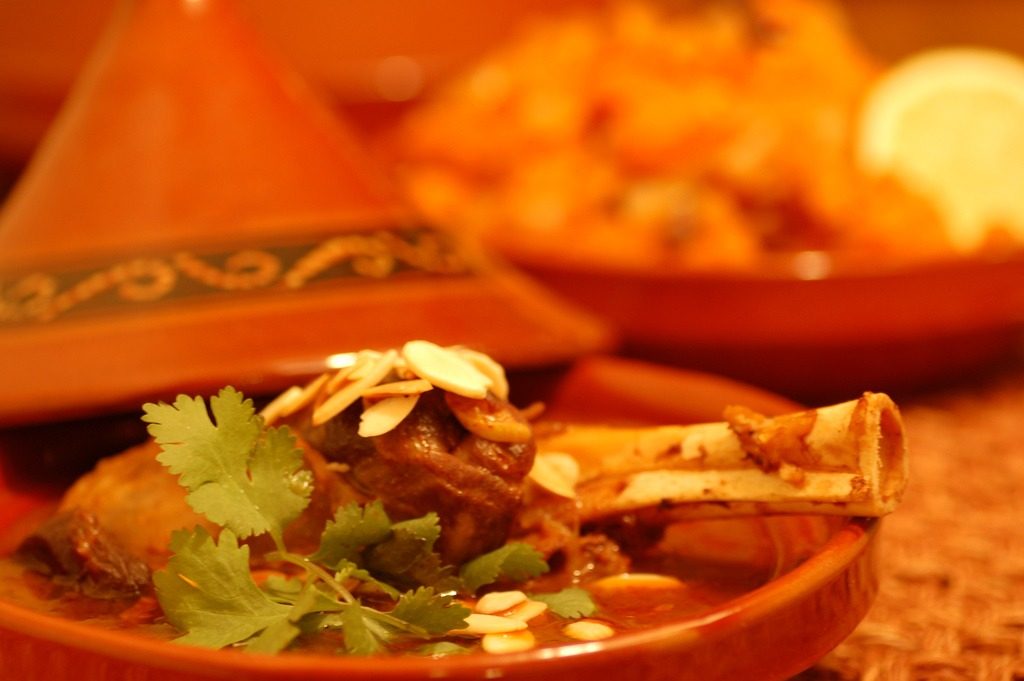
Moroccan cuisine holds some very pleasant culinary surprises for travellers. The best way to discover it is to visit a souk, a traditional food market filled with vegetables, aromatic herbs and handicrafts. Cinnamon, saffron and coriander are among the most typical flavours, along with the ever-present tea served in small traditional glasses.
In Morocco, try the traditional tagine, a stew with meat or fish, served in the famous clay pot. In addition, it's recommended to taste “harira”, the traditional tomato and lentil soup, and “kofta”, a dish of meatballs, rice and vegetables.
Which travel insurance should I choose for a trip to Morocco?
At Redion, you can take out either temporary travel insurance or annual travel insurance.
All travel insurance policies include the following benefits:
- Reimbursement of medical expenses
- Organisation of, and assistance with, your repatriation and that of your travelling companions if necessary
- Early return in the event of hospitalisation or death of a relative in Belgium
- Assistance in case of lost documents
If you only travel abroad once a year, temporary travel insurance may be useful. If you travel several times a year, annual travel insurance will be the more cost-effective option.
Travel to Morocco fully covered