At a glance
Vietnam is a country of rich culture and magnificent nature. Discover our best tips for traveling there.
Vietnam is one of the most popular tourist destinations in Asia, particularly among Europeans. Just think of Dalat, the Mekong Delta, Saigon, or the famous Halong Bay to know that a trip to this country will bring you a real change of scenery and wonder. The whole country is full of must-see places, not to mention dozens of idyllic islands along its coasts. In this article, we give you some useful information for planning your trip to Vietnam.
What documents are needed to travel to Vietnam?
- Belgian nationals need a passport valid for at least 1 month from the expiry date of the requested visa or from the day of departure from Vietnam. Be careful though, as airlines usually require the passport's remaining validity to be at least 6 months beyond the day of entry into the country.
- The visa or e-Visa is also mandatory for a stay of up to 90 days (to be applied for online at https://evisa.xuatnhapcanh.gov.vn/trang-chu-ttdt or the Vietnam National Electronic Visa system). The official processing time is 3 working days, but in practice it's not uncommon to have to wait 7 to 15 working days, especially during the country's holiday periods. So make sure to apply well in advance. Make sure the information you give in your visa application is strictly identical to that on your passport, and check the visa you receive carefully before traveling, as errors in name, details, or travel dates are common and can cause problems when going through checks. E-visas cannot be extended. The Belgian Ministry of Foreign Affairs warns that tourists who stay longer than their visa allows will have to pay a fine to the immigration authorities.
If you're traveling through a Vietnamese travel agency, it can arrange a short-stay visa (up to 90 days) for you. Here too, be sure to check all the documents you receive.
Check the website of the Belgian Ministry of Foreign Affairs before you leave to find out about safety, administrative documents, and the contact details of the Belgian consulate in Vietnam.
Before leaving, register on the Travellers Online website.
What is the best time to travel to Vietnam?
The best season to travel to Vietnam is between November and April. During this period, the weather is generally sunny and dry, which is ideal for exploring the country.
However, the climate can vary greatly from region to region.
- In northern Vietnam, the months from November to April are the driest and most pleasant.
- In central Vietnam, it's best to travel between February and June.
- In southern Vietnam, the period from December to April is the driest and sunniest.
Avoid the rainy season, which runs from May to October, especially in August and September when typhoons are common.
Throughout the year, Vietnam enjoys a tropical and subtropical climate, with average temperatures that can reach 32°C.
What budget should you plan for a trip to Vietnam?
The cost of living in Vietnam is quite affordable compared to many other countries. Here are some estimates to give you an idea:
Average restaurant prices:
Breakfast: around €1.8 per person. A 3-course meal: around €11 per person. A McDonald's meal: around €4.4 per person.
Average price for a night in a hotel:
From €32 per night (1-star hotel) to €102 per night (5-star hotel).
These prices can of course vary depending on the city and the season.
Transport prices are also well below European prices.
What is there to visit in Vietnam?
There's a lot to discover in Vietnam. That's why it's often recommended to take a tour to see as many places as possible. Plan your route before you leave, or ask a travel agency for advice. Here are a few places you absolutely must visit:
- Hanoi
- Temple of Literature: An iconic historical site.
- Old Quarter: A lively walk through narrow streets, traditional shops, and a vibrant street scene.
- Halong Bay
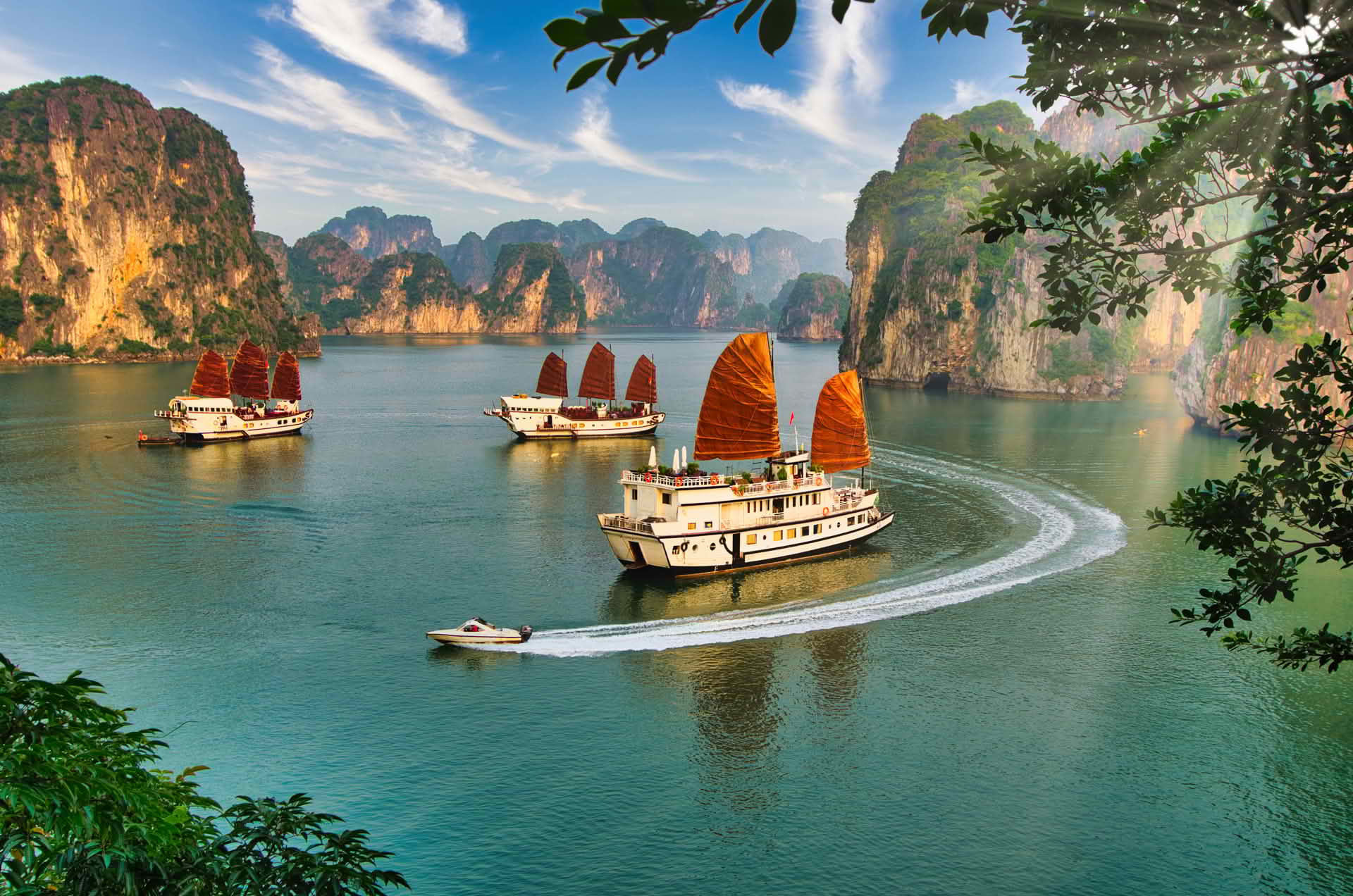
- Halong Bay: A natural wonder listed as a UNESCO World Heritage Site, with impressive limestone islands.
- Ho Chi Minh City
- War Remnants Museum: A moving museum on the Vietnam War.
- Ben Thanh Market: A lively market where you can sample local cuisine and buy souvenirs.
- Hoi An
- Hoi An Ancient Town: A historic town with colonial buildings and a charming atmosphere.
- Phong Nha-Ke Bang
- Phong Nha-Ke Bang National Park: Known for its impressive caves and breathtaking landscapes.
- Mekong Delta
- A cruise on the Mekong: Explore the floating villages and taste local specialties.
What are Vietnam's culinary specialties?
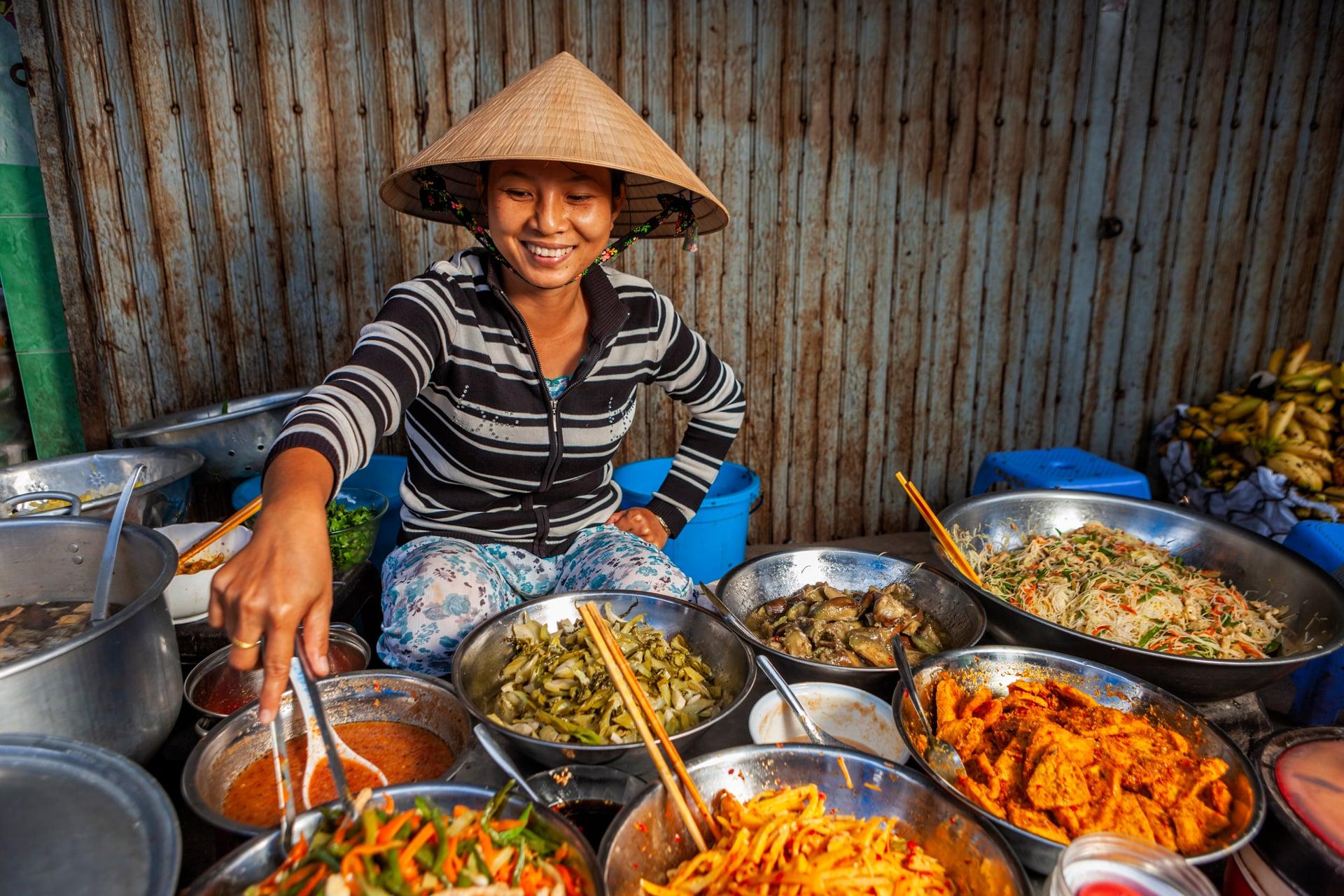 Vietnamese cuisine is renowned for its freshness, balanced flavors, and diversity. Here are a few must-try dishes you should absolutely sample:
Main dishes
- Phở: A rice noodle soup served with beef or chicken, garnished with fresh herbs and lime.
- Bánh mì: A Vietnamese sandwich made with a crusty baguette, filled with meat, pickled vegetables, coriander, and sauce.
- Bún chả: Grilled pork meatballs served with rice vermicelli, fresh herbs, and a sweet-and-sour fish sauce.
- Gỏi cuốn: Fresh spring rolls, often filled with shrimp, pork, rice vermicelli, and herbs, served with a hoisin and peanut butter sauce.
Desserts
- Chè: A sweet dessert made with beans, fruit, and jelly, often served with crushed ice and coconut milk.
- Bánh da lợn: A layered cake made from rice flour and mung bean paste, flavored with pandan leaf.
Drinks
- Cà phê sữa đá: Iced Vietnamese coffee with sweetened condensed milk.
- Nước mía: Freshly pressed sugarcane juice.
Vietnamese cuisine often uses fresh herbs, crunchy vegetables, and flavorful sauces that bring a harmonious balance between sweet, salty, sour, and bitter.
What vaccinations are recommended for a trip to Vietnam?
There are no mandatory vaccinations for traveling to Vietnam. However, certain vaccinations are strongly recommended by health authorities:
Recommended vaccines: Hepatitis A, Hepatitis B, Japanese encephalitis (for extended stays or in rural areas), typhoid (for extended stays or in areas with poor hygiene conditions), tetanus (make sure your vaccination is up to date). Depending on the type of stay, also make sure you're vaccinated against diphtheria and polio. Read more on this in Travel and vaccinations: what are the requirements?
Besides vaccines, remember to protect yourself against diseases that can be transmitted by mosquitoes (malaria, chikungunya). Read more on this in Malaria: how to avoid catching it?
The quality of medical care in Vietnam
The quality of medical care and medical infrastructure can vary depending on whether you're treated at a private or local hospital. In local hospitals, it's not uncommon for nurses or doctors not to speak English.
Before you leave, it's therefore essential to make sure you're properly insured and have travel insurance that can help you if needed and cover your medical expenses and any repatriation.
Useful numbers when traveling in Vietnam
During your stay in Vietnam, keep the following emergency numbers on you:
Police: 113
Fire brigade: 114
Medical emergencies: 115