PHILIPPINES
Capital: Manila
Languages: Filipino and English (official), Spanish (widely used)
Currency: Philippine peso. Exchange rate: 1 PHP = ± 0.017 EUR
Tourist Office:visitphilippines.org
Did you know? The yo-yo was invented in the Philippines and was originally used as a weapon. The name means “come back” in the local language and was patented as a toy in the late 19th century.
Are you travelling to the Philippines? Here are a few useful tips:
Travel documents and customs formalities
You need a passport to travel to the Philippines. It must be valid for at least 6 months from your date of arrival in the country and must have an electronic chip. You must also have a return ticket and a free entry visa, which you can obtain on arrival in the country. This document is valid for a stay of no more than 59 days. If you intend to stay longer, you must apply for an extension from the Bureau of Immigration in Manila before your visa expires, which will cost you around 50 euros.
You are not allowed to take more than 5,000 Philippine pesos out of the country. If you want to bring euros or dollars into the Philippines, you must declare them to customs if their total value exceeds 10,000 dollars.
It is strictly forbidden to import weapons, food, agricultural products such as fruit and vegetables, and potentially dangerous items. In addition, you may not carry medication with you unless you have a medical prescription translated into English and signed by a doctor.
The fight against drugs has intensified in the Philippines. Penalties are therefore very severe for anyone found in possession of illegal substances. Even for small quantities, you risk a life sentence or the death penalty. So be very careful with your luggage, to avoid being used unknowingly as an unwitting drug mule by ill-intentioned people.
The healthcare system in the Philippines
In the Philippines, the quality of clinics and hospitals is generally much lower than in Belgium. Public healthcare services, particularly in small towns or rural areas, should be avoided if possible. However, private hospitals function well and guarantee good levels of safety, hygiene and professionalism.
Healthcare can be extremely costly there. It is therefore advisable to take out travel insurance in Belgium so you can travel without worry.
There are no compulsory vaccines for the Philippines. However, vaccination against diphtheria, tetanus and polio, as well as hepatitis A and measles, is recommended. Consult your GP if in doubt or if you need more information.
Safety in the Philippines
Even though penalties imposed on criminals are severe, the Philippines is not a particularly safe country. Drug-related crime is very common. Theft and scams targeting tourists are also commonplace.
Certain regions are strongly discouraged or even off-limits. For example, the northern islands and the south of the country should absolutely be avoided. Always follow the instructions of the local authorities. Before you leave, it's essential to read the latest travel advice for the Philippines on the website of the Federal Public Service for Foreign Affairs.
It is also strongly recommended that you register your trip to the Philippines on Travellers Online. This way, the Federal Public Service for Foreign Affairs is aware of your presence there and can contact you should an emergency arise.
Which travel insurance should I choose for a trip to the Philippines?
At Redion, you can take out either temporary or annual travel insurance.
All travel insurance policies include the following benefits:
- Reimbursement of medical expenses
- Organisation of, and assistance with, your repatriation and that of your travelling companions if necessary
- Early return in the event of hospitalisation or death of a relative in Belgium
- Assistance in case of lost documents
If you only travel abroad once a year, temporary travel insurance may be useful. If you travel several times a year, annual travel insurance will be the more cost-effective option.
##Climate and religion
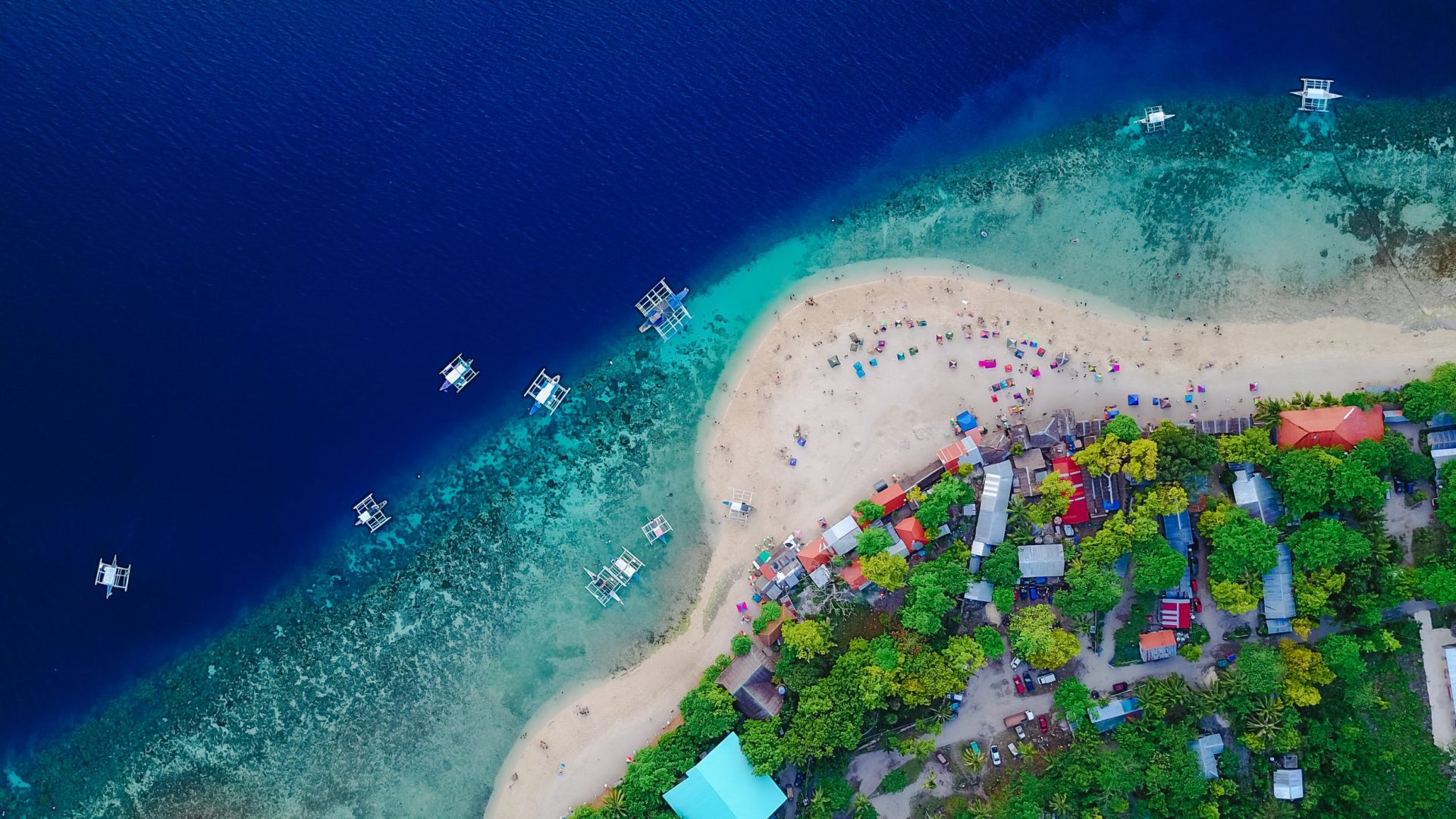
The climate of the Philippines is typical of tropical countries, characterised by a clear split between the rainy season, from May to November, and the dry season, which corresponds to our winter period. The northern part of the country is generally rainy, while the eastern part is subject to monsoons and typhoons, particularly in August.
Temperatures are generally high all year round and humidity is constant. The best time to visit the Philippines is March, when rainfall is low and temperatures are milder.
Christianity is the most widespread religion: nearly 80% of Filipinos are Catholic. The rest of the population is divided among a large number of minority religions, such as evangelical, Protestant, Islamic and Buddhist groups.
**
Filipino cuisine
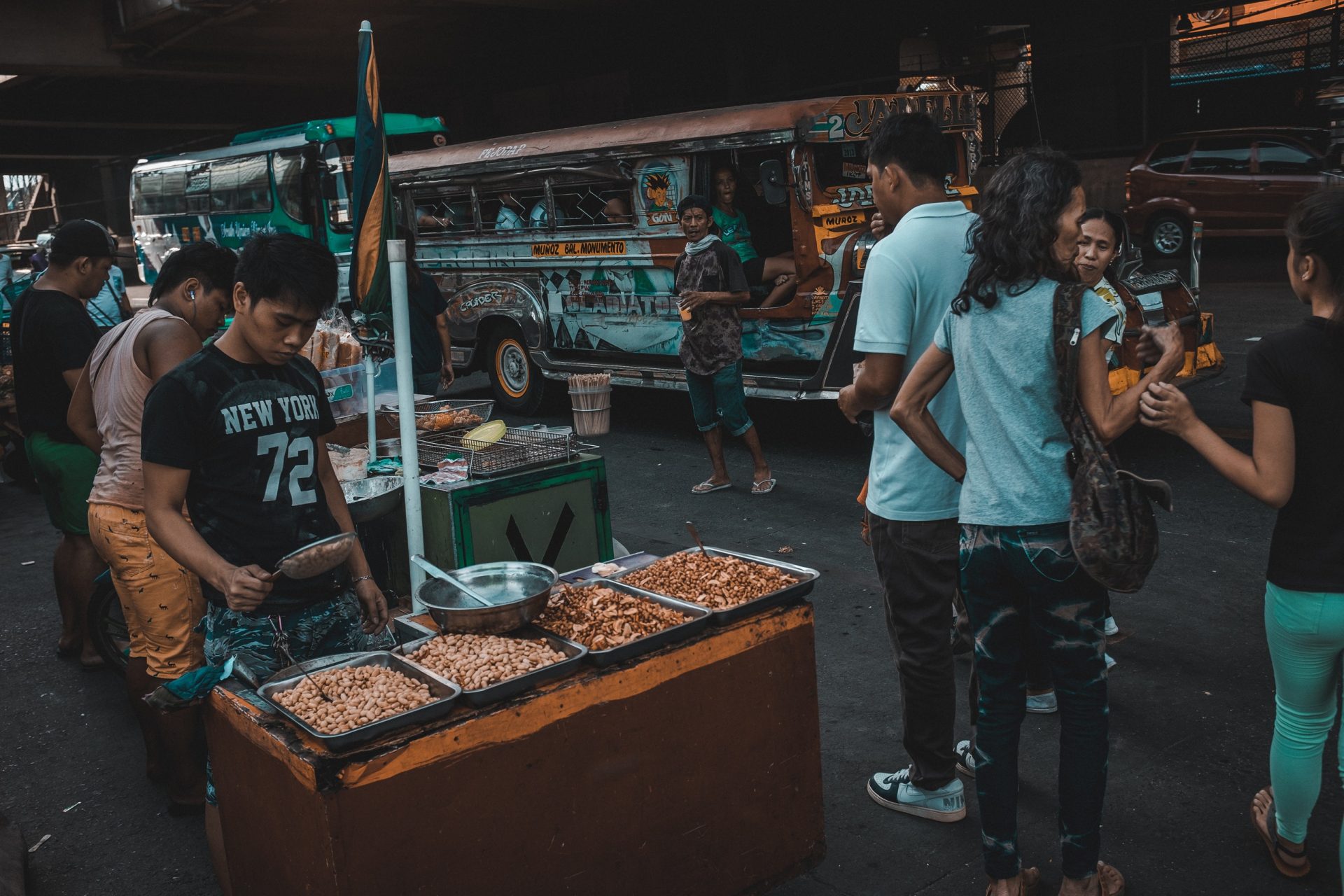
The Philippines is a blend of cultures, which is also reflected in its cuisine. Filipino cuisine is characterised by surprising flavours from India, China, Japan and Indonesia.
The best-known speciality is “balut”, a fertilised duck egg with an almost fully developed embryo, cooked. Another dish typical of the Philippines is “sisig”, made from pork offal with chicken and eggs. These two dishes aren't really suited to fine gourmets, but rather to those with a strong stomach. If you'd prefer to try meat-free dishes, go for “pancit palabok”, Filipino noodles in shrimp sauce, or “siomai”, steamed dumplings.