At a glance
This guide brings together all the essential information for travelling to the United States: emergency numbers, ESTA, health, safety, driving, activities by season, and of course the must-try dishes of American cuisine.
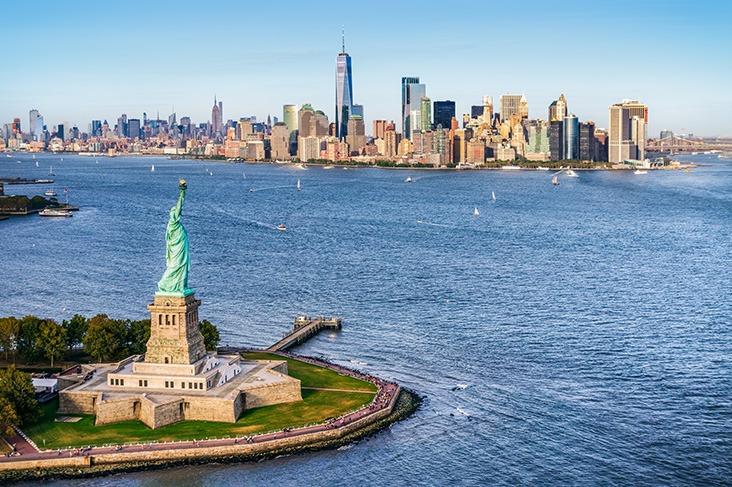
The United States offers a diversity of landscapes and cultures unlike anywhere else in the world. From the skyscrapers of New York to the national parks of the West, by way of the beaches of Florida and the jazz atmosphere of New Orleans, every state promises a different experience.
However, good preparation is essential to visit this huge country. Administrative and health rules, as well as the highway code, differ noticeably from those in Europe.
Emergency numbers: who to call in the event of a major problem?
- Emergencies (Police, Fire, Ambulance): 911. Note: the European emergency number, 112, generally redirects to 911 when dialled on a mobile phone. However, it's not certain that this will work everywhere in the United States. It's therefore better to call 911 directly.
- Card Stop (lost or stolen credit cards): +32 78 170 170
- Doc Stop (lost or stolen Belgian ID card or passport): +32 2 488 21 23
- Belgian Embassy (in Washington D.C.): +1 202 333 69 00
Assistance: Redion (Belgium)
In the event of an emergency, contact local emergency services first!
– Want to reach Redion for a medical or technical problem (e.g. car breakdown)? Do so via the Redion app (downloadable from the Apple Store or Google Play)
– Want to reach Redion for an administrative request or a contract change? Do so via the Customer Area of the website: https://www.redion.be
How can you travel through the United States with peace of mind?
Given the sheer size of the country and how strict border checks are, planning ahead is the key to a successful trip. The climate varies dramatically from one region to another, and costs on the ground, particularly for healthcare, can be very high.
What travel documents do you need to visit the United States?
To enter the United States from Belgium, you will need:
- A valid electronic or biometric passport covering the length of your stay (Belgium is part of the "Six-Month Club").
- An ESTA electronic travel authorisation, which must be applied for before departure (valid for 2 years).
Be careful: if you have travelled to certain countries since 2011 (such as Cuba and other countries covered by the US "Travel Ban"), your ESTA may be refused and a visa will be required.
For more details on the formalities, see our dedicated article: "ID card, passport or visa for the United States" and check with the official US authorities.
Before you leave, register your trip on the Travellers Online website of the Federal Foreign Affairs Department, which can then keep you informed and provide support in the event of a major problem.
What is healthcare like in the United States?
The American healthcare system is excellent but extremely expensive. A simple visit to the emergency room can cost several thousand dollars, and a hospital stay, tens of thousands. There is no social security agreement with Belgium. Read our article on this topic: Medical costs in the USA.
Redion recommends taking out travel insurance covering medical costs and repatriation to avoid heavy debt if something goes wrong. Note that annual contracts offer a higher reimbursement limit than temporary ones.
How safe is the United States?
The United States is, overall, a safe destination for tourists. However, the crime rate in some major cities is higher than in Europe.
A few simple precautions:
- Avoid walking alone at night in poorly lit or quiet areas.
- Don't leave any valuables visible in your vehicle (even a jacket or a charging cable).
- Strictly follow local authorities' instructions in the event of a natural disaster (e.g. hurricanes (Florida), wildfires (California)).
For up-to-date safety advice, check the Federal Foreign Affairs Department's website: https://diplomatie.belgium.be
A few simple precautions:
- Keep your valuables out of sight and prefer paying by card.
- Always make copies of your official documents.
What are the driving rules in the United States?
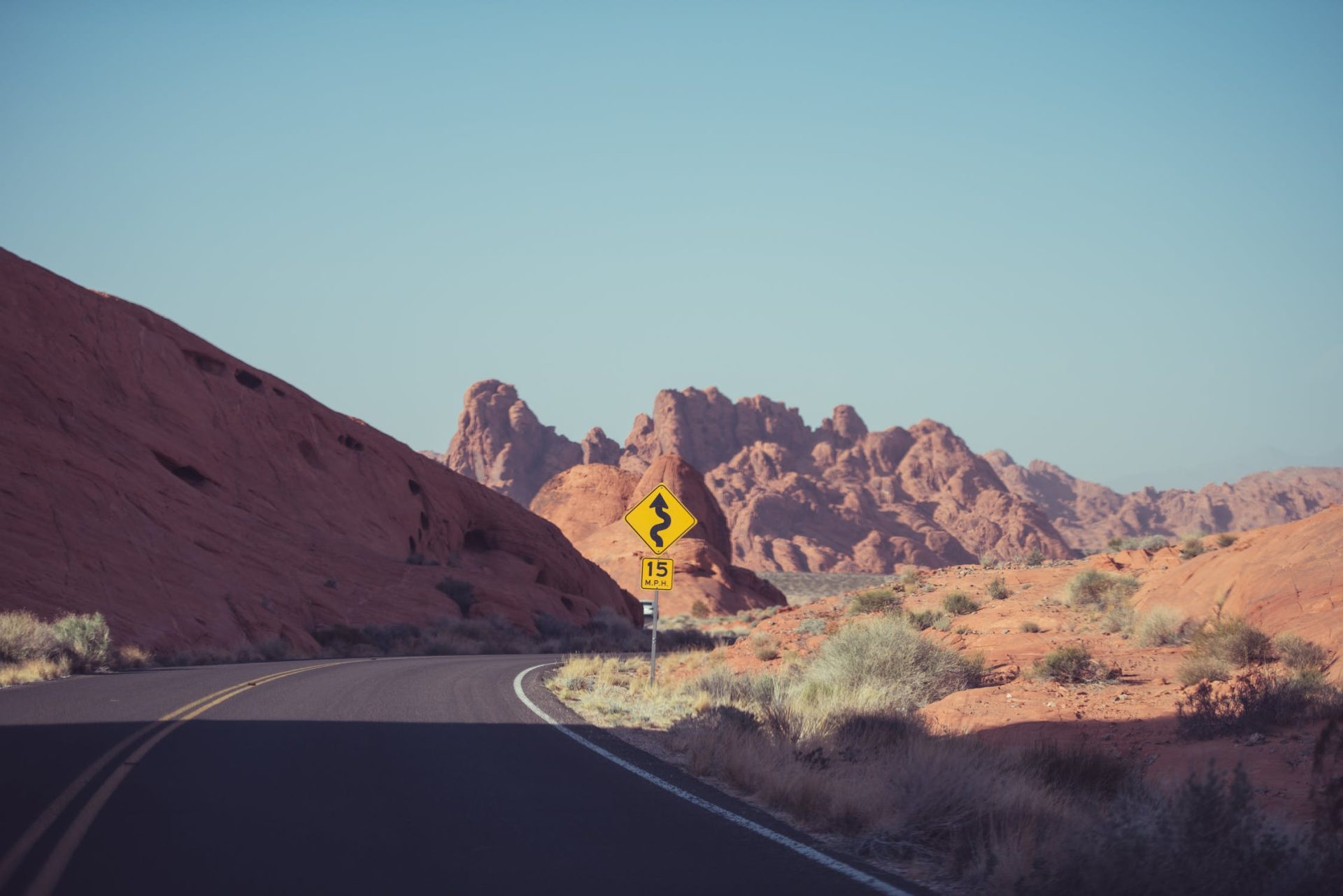
Driving in the United States is often a pleasure, particularly outside urban centres: roads are wide, petrol is cheaper than in Europe and the scenery is breathtaking. However, each state has its own traffic rules. Read our article on this topic: Driving in the USA: some practical tips.
Driving licence
A Belgian driving licence is generally accepted for short tourist stays (less than 3 months). However, it is strongly recommended to obtain an International Driving Permit (IDP) from your local municipality. Some car rental companies or police officers may require it during a check. Some also set a minimum age to rent a vehicle.
Speed limits
Speeds are shown in miles per hour (mph).
- In town / residential area: 25 to 30 mph (approx. 40-50 km/h)
- Secondary roads: 45 to 55 mph (approx. 70-90 km/h)
- Highways/Interstates: 65 to 80 mph depending on the state (approx. 105-130 km/h)
Practical tips
- Automatic gearbox: This is the near-universal standard.
- Red light: Unless there's a "No Turn on Red" sign, it's allowed to turn right at a red light after coming to a full stop.
- School bus: If a yellow school bus stops and activates its flashing lights, stopping is mandatory in both directions of traffic.
- 4-way stop: At a "4-Way Stop" intersection, first to arrive, first to leave.
If stopped by the police, stay calm and strictly follow their instructions.
What can you see in the United States depending on the season?
The sheer size of the country means you can travel there all year round, provided you choose your region carefully.
Spring (March to May)

This is the ideal season to visit the South (Louisiana, Texas) and the national parks of the West (Grand Canyon, Utah) before the scorching heat of summer. Nature is waking up and Washington D.C. celebrates its cherry blossoms.
Summer (June to August)
A great time for road trips in the North (Great Lakes, Oregon) or to discover New England. Be careful, as heat can be stifling in the desert (Las Vegas, Death Valley) and humidity very high in Florida and New York.
Autumn (September to November)
Autumn is spectacular on the East Coast (Vermont, Maine) with Indian summer and colourful foliage. It's also an excellent time to visit California and San Francisco, where the summer fog finally clears.
Winter (December to February)
Head to Florida or Hawaii for sunshine, or the Rockies (Colorado, Utah) to enjoy some of the best ski resorts in the world. New York under snow also offers a special kind of magic during the festive season.
Did you know?
The United States has no official language written into the Constitution. Although English is the language used by the government and the majority of the population, Spanish is omnipresent and is the main language spoken in many households, particularly in California, Texas and Florida.
Other practical information about the United States
- Capital: Washington D.C.
- Official language: None (English de facto)
- Currency: US Dollar (USD) – 1 USD ≈ €0.95 (variable rate)
- Area: 9.8 million km²
- Population: Around 335 million inhabitants
- Something to note: Prices are displayed excluding tax (tax is added at the till). Service is not included at restaurants: a tip of 15 to 20% is expected.
- Time zone: 4 main time zones on the mainland (-6 to -9 hours compared to Belgium), plus Alaska and Hawaii.
- Tourist office: https://www.visittheusa.com/
- Belgian Embassy in the United States: unitedstates.diplomatie.belgium.be
- Remember to bring an adapter for electrical outlets (flat type A or B plugs), the voltage is 110V.
What are the culinary specialities of the United States?
Far from the clichés, American cuisine is a true "melting pot". Rich and generous, it varies enormously from one region to another, shaped by the history of immigration. It's therefore hard to give a complete culinary overview. We'll stick to a few must-tries.
The must-tries
 ]
]
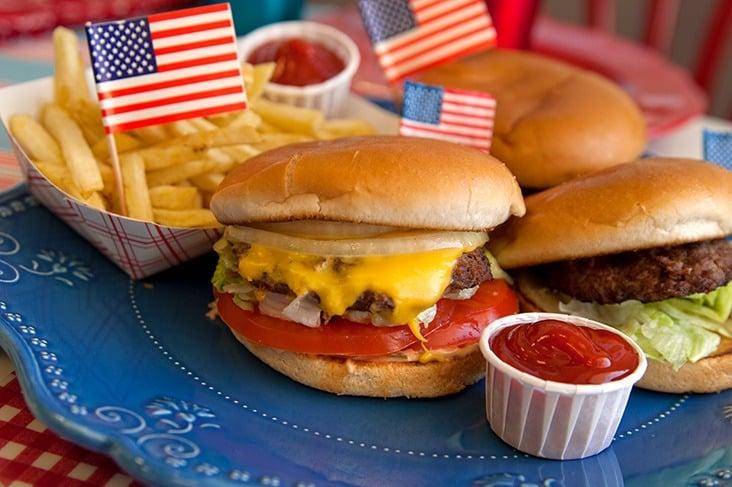
- Burger: The timeless classic, whether smashed in a diner or gourmet in a Michelin-starred restaurant.
- Barbecue (BBQ): An institution in the South. Pork ribs or beef brisket smoked for hours.
- Mac & Cheese: Macaroni baked with cheddar, the ultimate comfort food.
- Lobster Roll: A brioche-style sandwich filled with fresh lobster meat, typical of the Maine coast.
- Deep Dish Pizza: Chicago-style pizza, thick and packed like a pie.
- Pecan Pie: Pecan and corn syrup pie, an essential Thanksgiving dessert.
Typical drinks
- Iced Tea: Served unsweetened in the North, but very sweet ("Sweet Tea") in the South.
- Lemonade: The traditional fresh lemonade, sometimes mixed with iced tea ("Arnold Palmer").
Given that the United States is home to many different cultures and populations, you'll also find the culinary specialities of all these cultures on the ground, depending on where you are.
Some basic words and expressions
American English is direct and informal. Here are a few useful terms for everyday use:
- Hi / Hello: Hello
- How are you (doing)?: How are you? (often used simply as a greeting)
- Restroom: Toilet (avoid the word "Toilet", ask for the "Restroom" or "Bathroom")
- Check, please / The bill, please: The bill, please
- Water: Water (often served free with ice)
- Gratuity included? / Service included? / No extra tip needed?: Is the tip included?
- Gas station: Petrol station
- Subway: Underground/metro
- Take away: To go
- You're welcome: You're welcome
These few words will help you get around more easily in Uncle Sam's country.
Travel well insured to the United States