At a glance
Tom de Dorlodot gives us some tips and tells us about one of his trips during which he minimised his ecological footprint as much as possible.
Tom de Dorlodot, a paraglider and adventurer, gives us some tips and tells us about one of his trips during which he minimised his ecological footprint as much as possible.
How to travel "eco-friendly"?
Before you leave:
- Choose your destination — it doesn't always have to be far away. Belgium and Europe have a lot of wonderful things to offer.
- Choose your means of transport carefully. Planes are the most polluting (especially if the flight isn't direct, since take-off uses a lot of fuel). It's better to favour the bus, the car (ideally shared) or the train. You can also travel on foot, by bike, or even on horseback ;-). It's best to avoid ferry cruise holidays, which turn out to be very polluting. On this topic, read the article: Offsetting your trip's carbon emissions
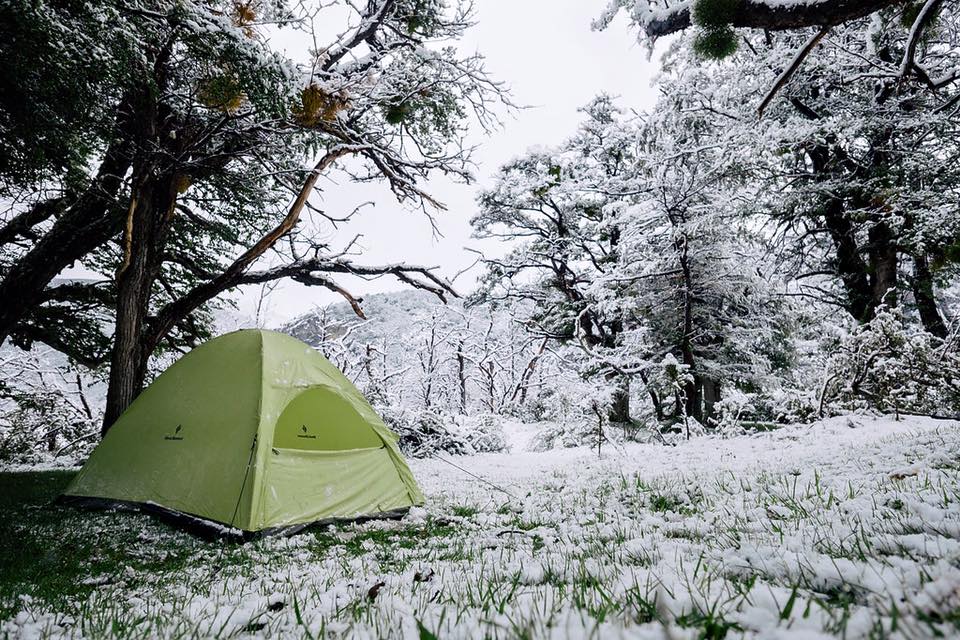 Limit your luggage: we often travel with more luggage than we need, and all those kilos have to be transported…
- Prefer buying (or borrowing) quality gear (camping equipment, clothing) that will last a long time, rather than cheap gear that will quickly end up in landfill.
During the trip:
- Favour public transport: not only is the ecological footprint shared between passengers, but it's also often a great way to mingle with local life.
- Be energy-efficient: limit your use of water, heating and electricity. Ask the hotel not to change the sheets or towels every day.
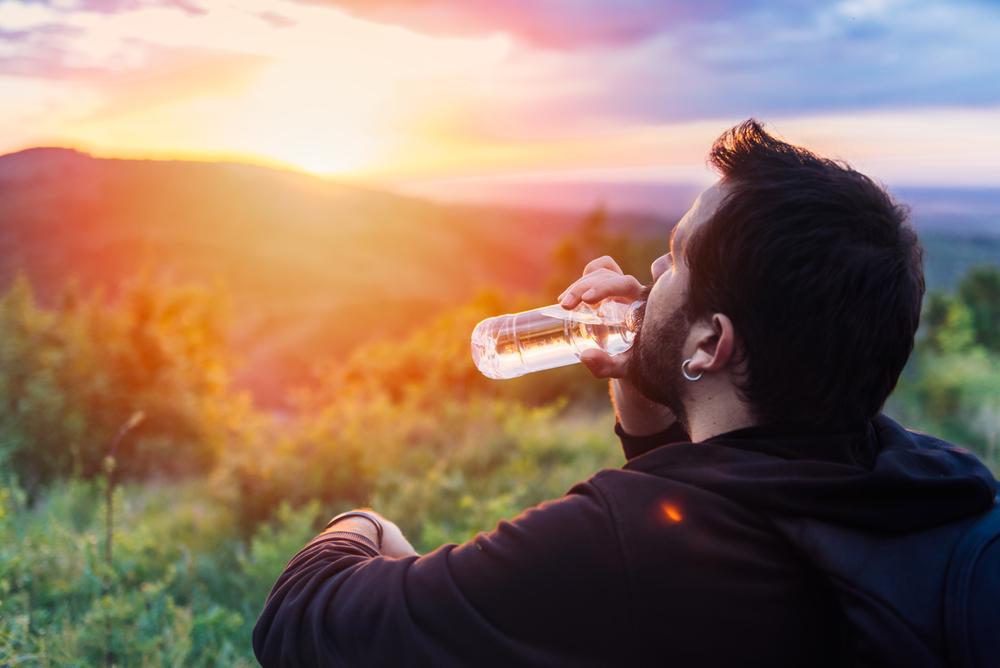
- Avoid plastic: buy a reusable water bottle and avoid buying single-use bottles.
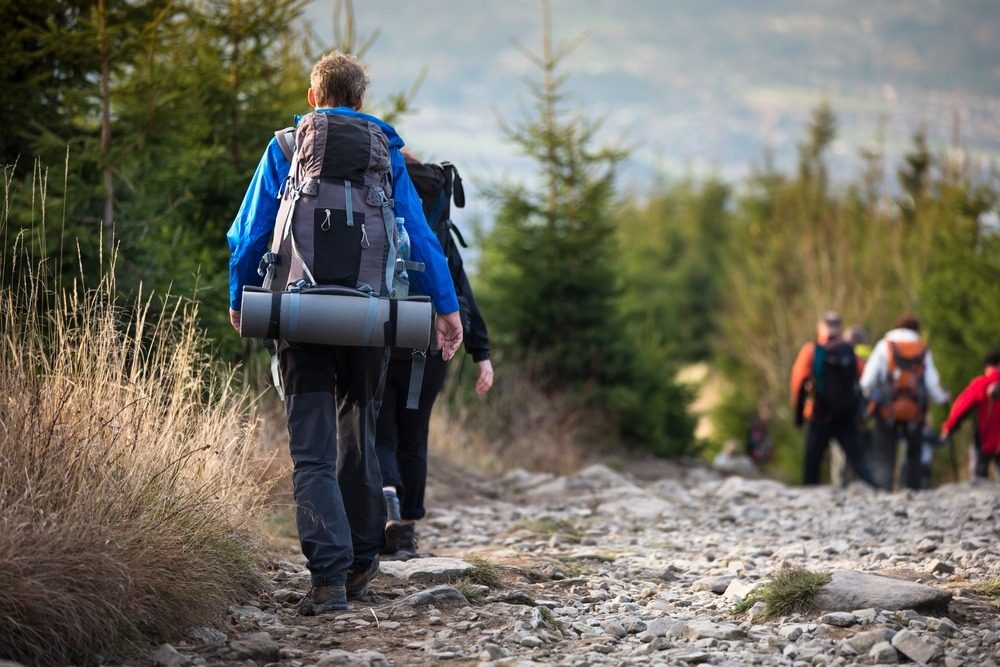
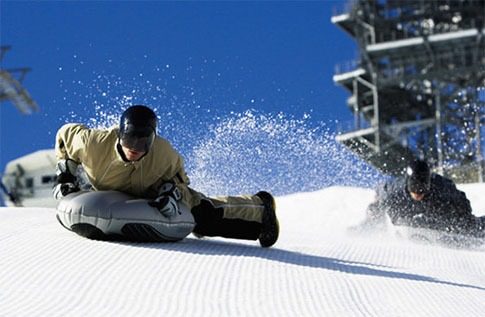
- Avoid polluting sports activities such as jet skiing, quad biking, water skiing… In short, anything involving so-called "motorised" sports. Favour cleaner sports instead: hiking, cycling, etc.
- Favour local producers and eat seasonal food. Don't eat endangered species. For fish, you'll find the list here.
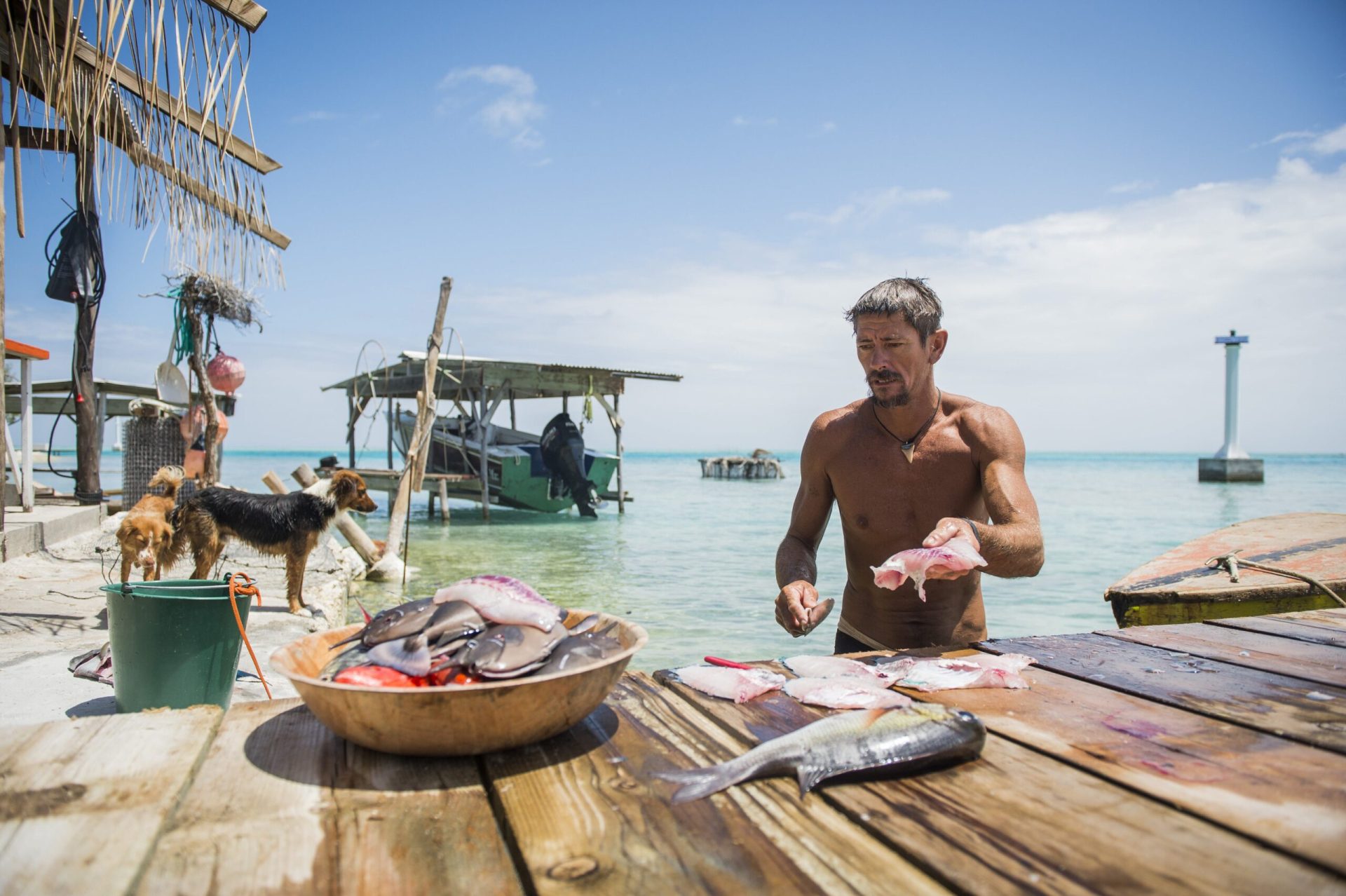
© John Stapels
- Choose environmentally friendly products (some sun creams can be very harmful to marine life, and the same goes for certain soaps).
- Leave no trace of your visit: take your rubbish with you.
- Favour rural accommodation, homestays, farm stays, eco-lodges, and hotels committed to protecting the environment.
After the trip:
- A 100% green trip doesn't exist. However, some websites help you calculate your CO2 impact and let you "offset" your emissions by investing a few euros in smart initiatives designed to be good for the environment. The site www.greentripper.org is a great example!
The challenge, as experienced by Tom de Dorlodot:
Crossing the Pyrenees as "eco-friendly" as possible
No more travelling without a second thought
Over the last ten years, I've had the chance to travel a great deal. I've lost count of the flights I've taken and the long journeys I've made, alone in my car, kiwis from New Zealand eaten in Sweden, and plastic bottles bought all along the way. I have to admit: I haven't always paid enough attention to my ecological impact.
Limiting your ecological footprint
A few years ago, someone confronted me about this at a conference, with a rather moralising comment about the CO2 impact of my last flight to Polynesia... They weren't entirely wrong. I asked myself this question: "How can I go on an adventure, do something unforgettable, while limiting my impact as much as possible?" So I decided to attempt an ambitious trip, not too far from home, both a change of scenery and physically demanding — because I love a challenge!
Crossing the Pyrenees
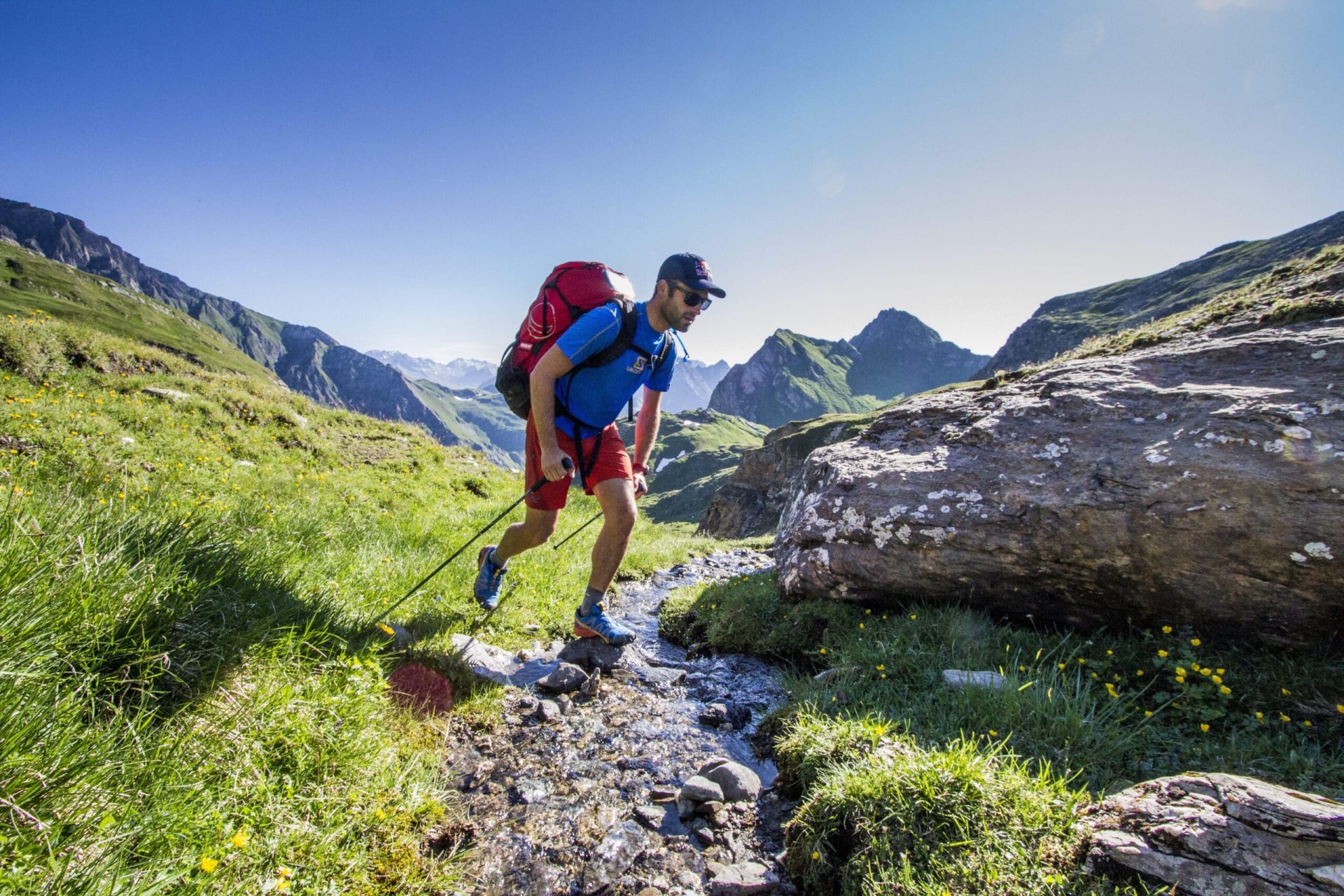
I love the mountains. So I set myself a big challenge: crossing the Pyrenees mountain range from the Atlantic coast to the Mediterranean; 440 kilometres on foot and by paraglider, solo and carrying my own gear, from the Hondarribia lighthouse to the Cap de Creus lighthouse. The idea was to limit my impact as much as possible and leave no trace after I passed through.
I left the house, my paraglider on my back, walked to the road and left my village by hitchhiking. It would have been simpler and quicker to take a plane, but looking back it really was a wonderful experience. Plus, the bus or the car produce three to seven times less CO2 than a plane… I met some great people along the way and it turned out to be really cheap (I offered a few coffees and some delicious Belgian chocolate to the drivers, who always refused to let me chip in for fuel). Blablacar didn't exist yet, but it's a concept I now use often. (car sharing, among others: www.blablacar.be)
Carpooling and local produce
I'd been travelling for two days when Yann, a Dutchman on a trip of his own, dropped me off on his motorbike on the beach at Hondarribia, on the Spanish Basque coast. You don't always have to go far to feel like you're somewhere completely different. The area was superb! I had a few euros in my pocket and knew I had to watch my spending. I went to buy some fruit at the market, a piece of cheese and a good baguette. It was redcurrant season. Lucky for me, I love them!
Travelling light
I'd prepared my trip well and analysed my route. I set off extremely light. A good pair of shoes, a small GPS, a Swiss army knife, a torch, a few clothes and a bit of organic soap. My goal was to travel simply and meet great people along the way. The idea was to sleep at locals' homes or out in nature, curled up in my paraglider. On the first evening, as I was crossing a small hamlet, I struck up a conversation with a guy watering his plants outside his house. Luis had just got back from a trip to the South of France in a camper van. Travellers are often quick to help each other… Amused by my project, he soon offered to let me sleep at his place.
Spring water
© Nicolas Assael
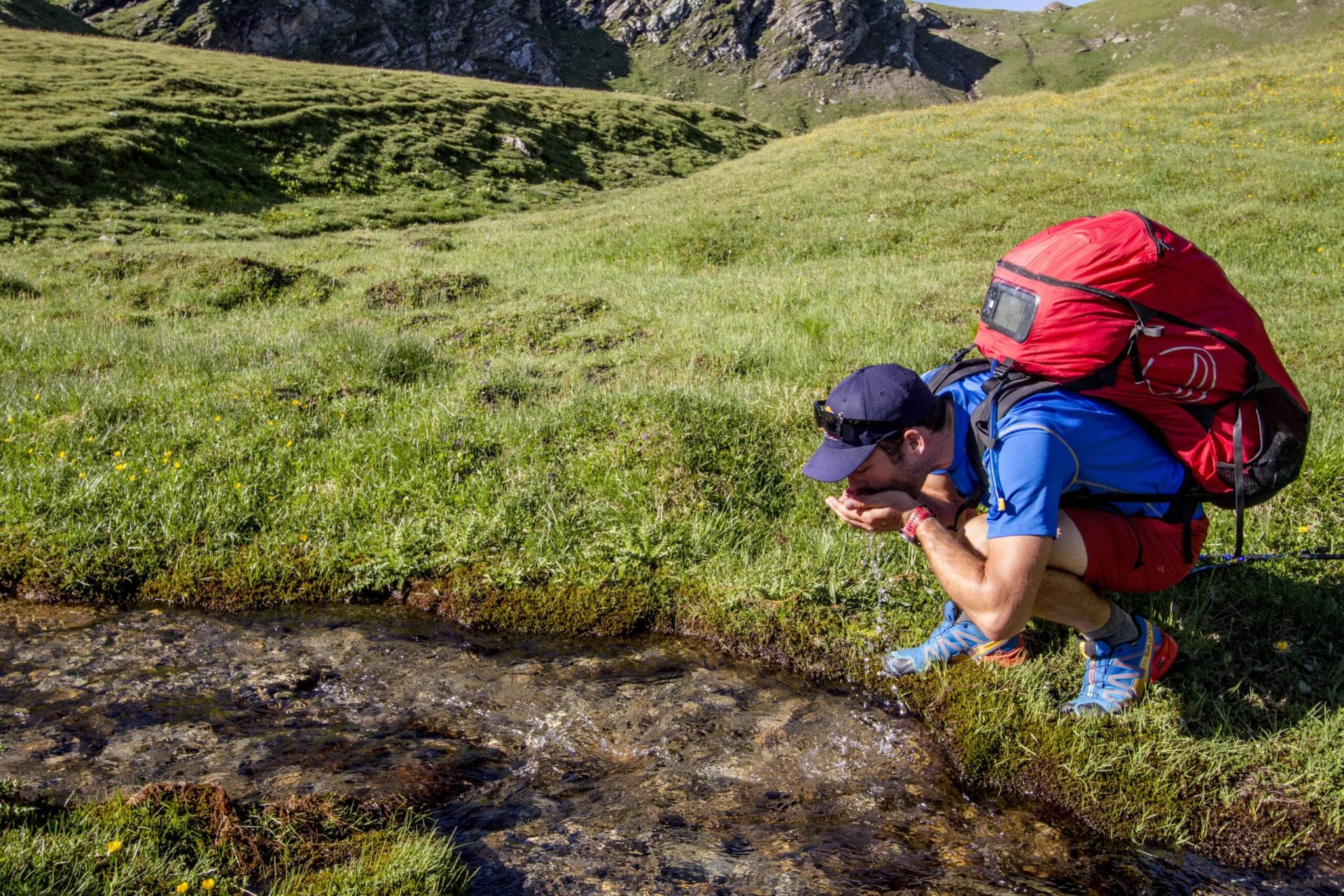
The next morning, Sergio, Luis's son, gave me a brilliant tip: the GPS coordinates of every drinking-water spring in the Pyrenees, which he'd used while walking the Camino de Santiago de Compostela earlier that summer. I entered them into my Garmin, and it let me fill my camel-bag with spring water almost every day. As well as being better than tap water, it meant I could avoid buying plastic bottles.
Staying with locals
On the fourth day, after a long, difficult and turbulent flight, I landed in a remote high-altitude village. Donatien and Aurélie, a French shepherd couple, welcomed me in, and we put the world to rights around a good wood stove and a bowl of nettle soup. The next day, I helped them count their herd, and they gave me a cheese unlike anything I'd ever tasted. Their simple way of life really moved me. I could have stayed. Ever since, I try to buy local produce wherever I go, to support small producers.
Hiking and paragliding: a minimal ecological footprint
© John Stapels
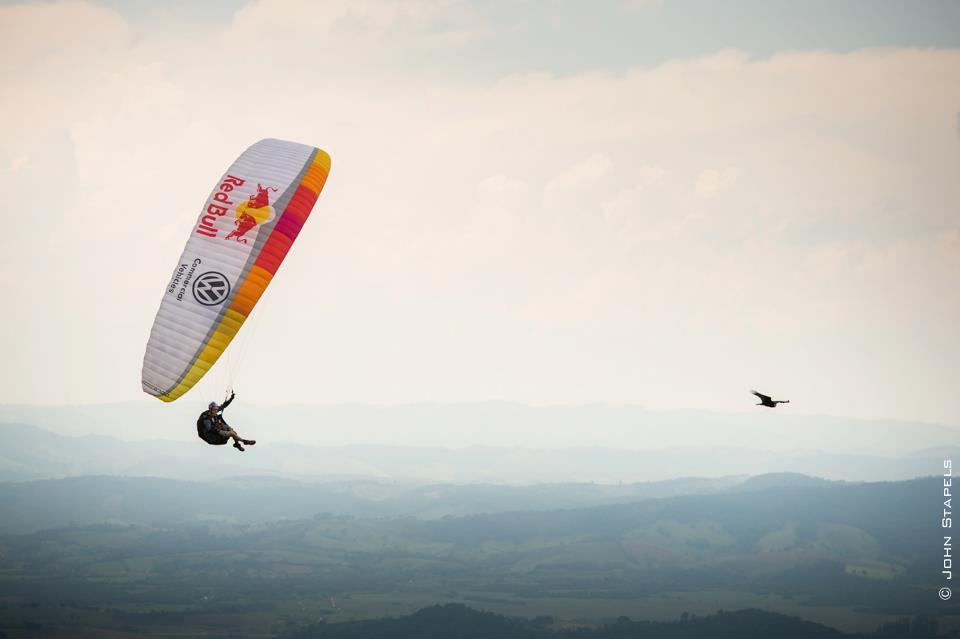
My approach worked well: I'd hike up the mountain in the morning to find a spot to take off by paraglider, and as soon as the vultures were in the air I'd join them, climbing with them in the thermals and covering as much distance as possible. On the sixth day, an epic flight took me past Mont Perdu National Park, flying at over 4,000 metres altitude. What an incredible feeling, covering more than 100 kilometres in a single day using nothing but the wind! I've always preferred non-motorised sports, and on reflection I think that's also a good thing for the environment.
I arrived, exhausted, after 13 days of crossing, at Cap de Creus. I think I can say it was one of my finest adventures. You don't always have to go to the ends of the earth to have unforgettable experiences.
I went home by train and bus. I was so tired I slept through the whole journey…
Safe travels to you all, see you soon,
Tom.
Read more tips and follow Tom's adventures in our "Travel and adventures" series