At a glance
Have you heard of Slow Travel? This way of traveling at your own pace lets you make the most of your trip.
Do you want to travel at your own pace, discover countries and their people in an authentic way while respecting the environment? "Slow Travel" is exactly what you need.
According to Redion's 2025 Holiday Barometer, 63% of Belgians are fans of it, have already tried it, or intend to!
What is Slow Travel?
Slow Travel is defined as a way of traveling that stands for deceleration and mindful experience, without strict planning and far from crowded tourist spots. Doing Slow Travel means you decide your own pace. You focus on a few destinations and activities and take the time to explore and enjoy them intensely.
This way, you'll discover lesser-known but equally charming places that appear in no travel guide. You'll have the opportunity to explore the culture at your own leisure and appreciate the local population. It's up to you to choose your favorite activity: discovering local cuisine by cooking in a picturesque Italian village, strolling through Croatian vineyards in contact with its residents, or enjoying the calm of a Swedish forest house... Slow Travel opens up new perspectives for you. Below, we give you some practical tips and ideas to help you travel at a slower pace.
Slow Travel favors quality over quantity
With Slow Travel, you consciously give up trying to tick off as many activities as possible. This lets you experience your trip more intensely. The focus is on the quality of experiences rather than the quantity of attractions or places visited. Spontaneously striking up a conversation with locals, discovering authentic cafés and restaurants serving local specialties, or learning traditional crafts: these authentic moments will stay etched in your memory and give your trip a special character.
The main features of Slow Travel
Slow Travel is about discovering a place with all your senses and living authentic moments according to the following 4 principles:
- Take your time and limit your efforts
Focus on a single region, allow enough time to stay in each place. Book only your accommodation and leave the rest open.
- Travel sustainably
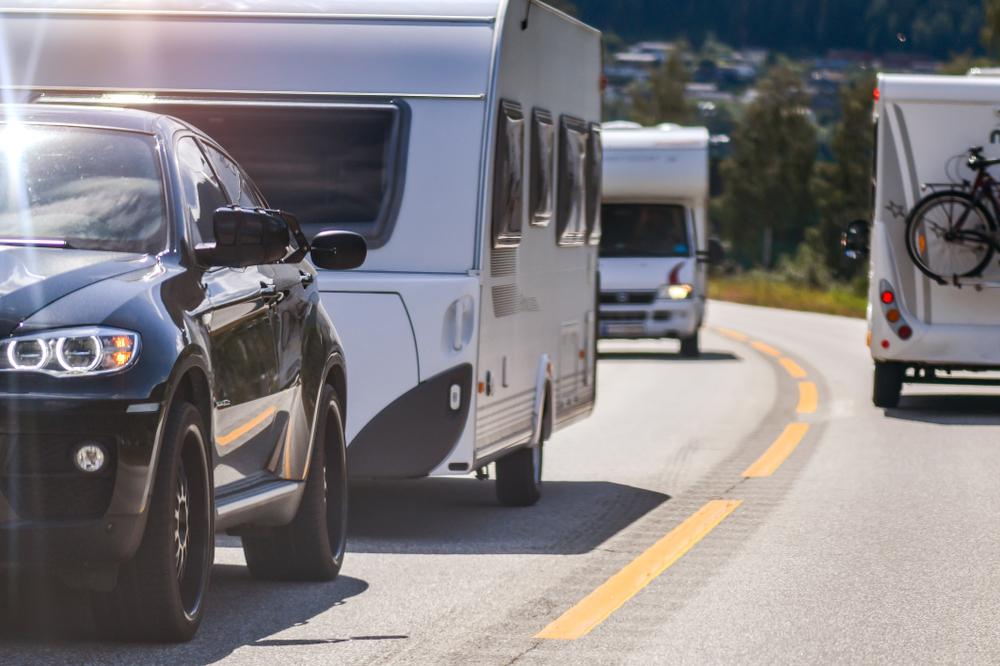
Use the train where possible for long-distance destinations, choose country roads rather than highways for a road trip, explore your destination by bike or on foot.
Favor family-run accommodations. Taste and buy local products.
- Live your destination
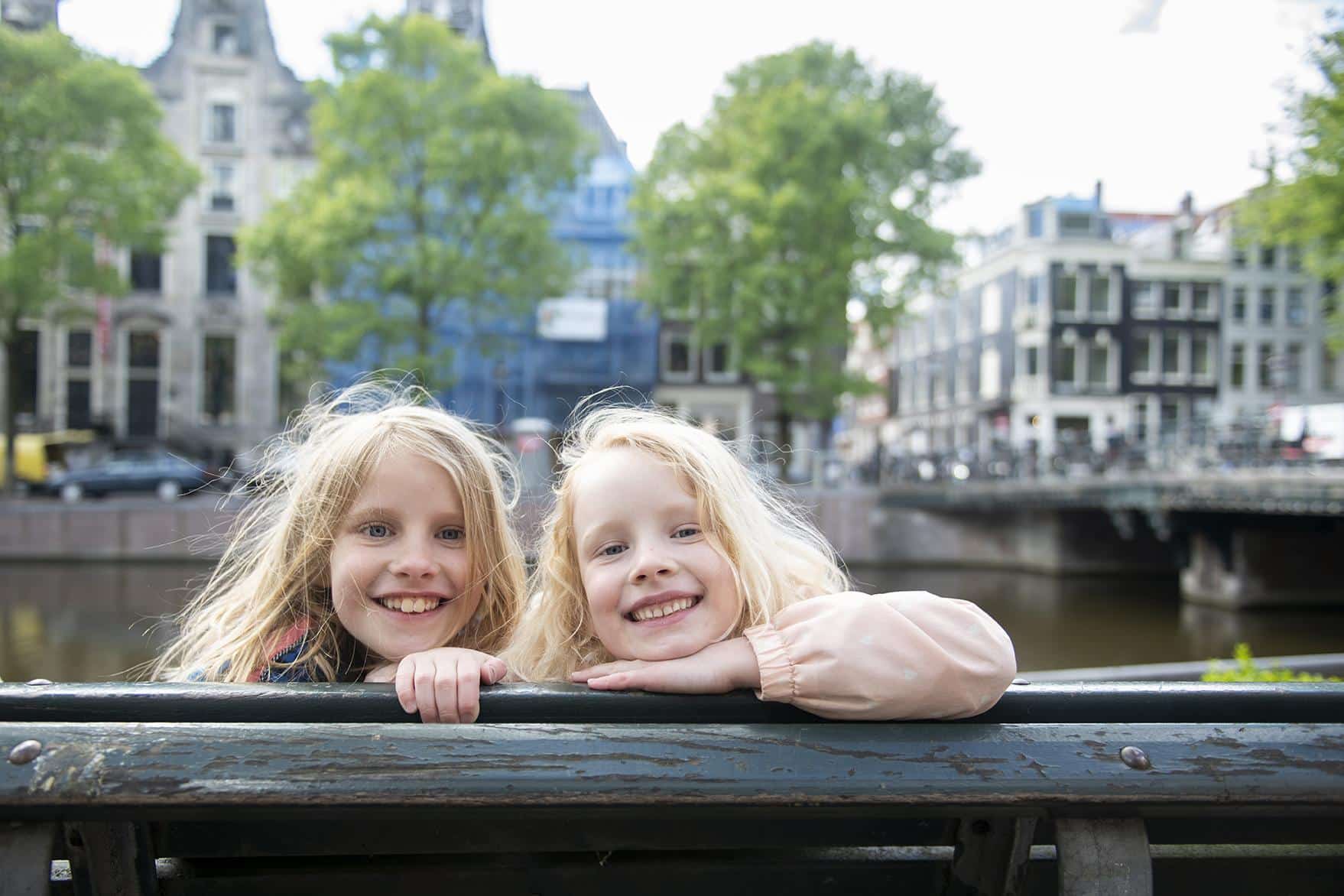
Wander through off-the-beaten-path neighborhoods, learn a few words of the local language. Visit restaurants or the places locals go. Discover local events and markets. Let yourself be inspired and advised by the locals.
- Stay relaxed
Adapt your plans flexibly and take the time to observe and enjoy unexpected moments. Let yourself be inspired by your surroundings.
The benefits of Slow Travel
Slow Travel lets you reduce stress, since you won't be rushing from one tourist site to another. You save money, since you take advantage of local deals and don't depend on costly tourist attractions. And as a bonus, you make your trip more sustainable by using public transport and buying local.
The biggest benefit of Slow Travel is discovering the country and its people in an authentic way. You find hidden gems that appear in no travel guide. You gain a deeper understanding of the local culture and come back with memories that go far beyond the usual holiday photos - with genuine encounters, surprising discoveries, and the pleasant feeling of having truly gotten to know a place.
Some Slow Travel activity ideas
- A stay in a silent monastery
- Yoga or tai chi sessions on the beach
- A beekeeping workshop
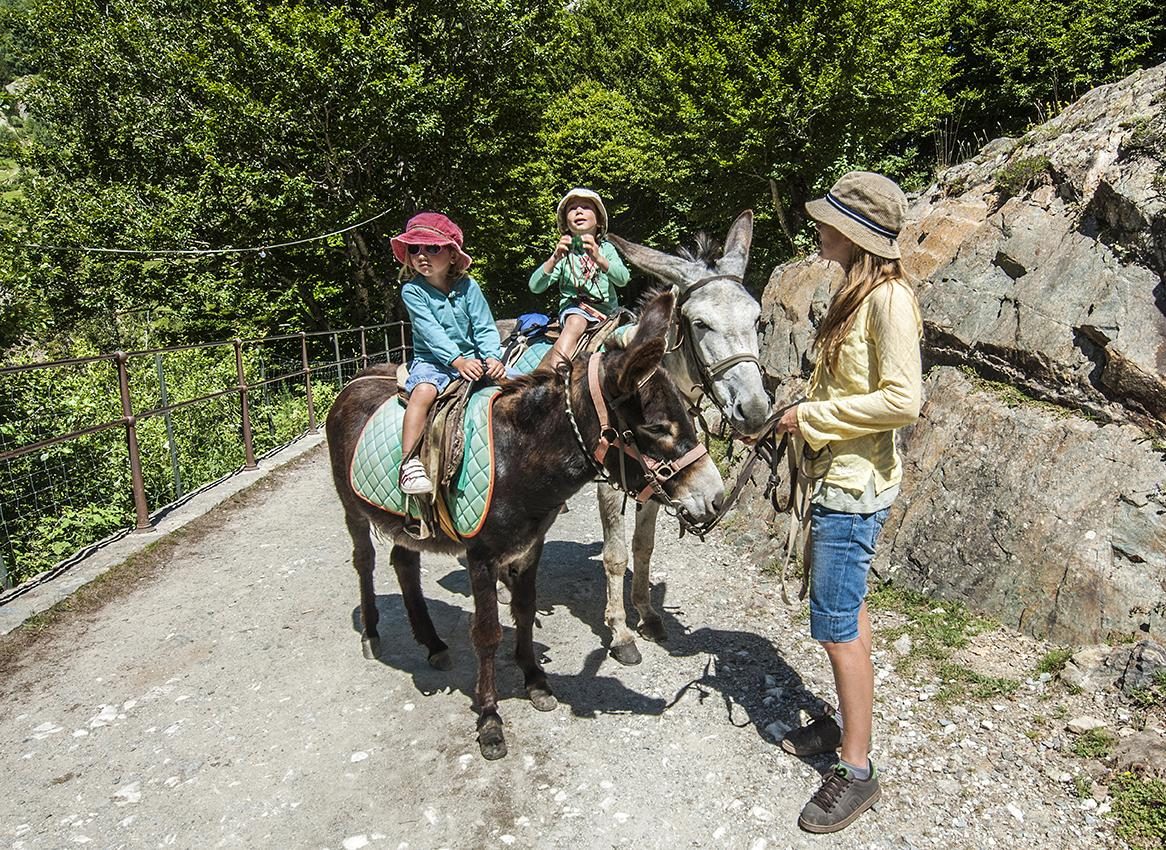
- Hikes with donkeys or other slow-paced animals
- Learning pottery or ceramics
- Local cooking classes
- …
Find out about the possibilities before you leave, but especially once you're there, so you can choose an activity to your taste that will let you make the most of your stay.
\