At a glance
How do you take beautiful travel photos? Do you need an expensive camera? What's the best time of day?
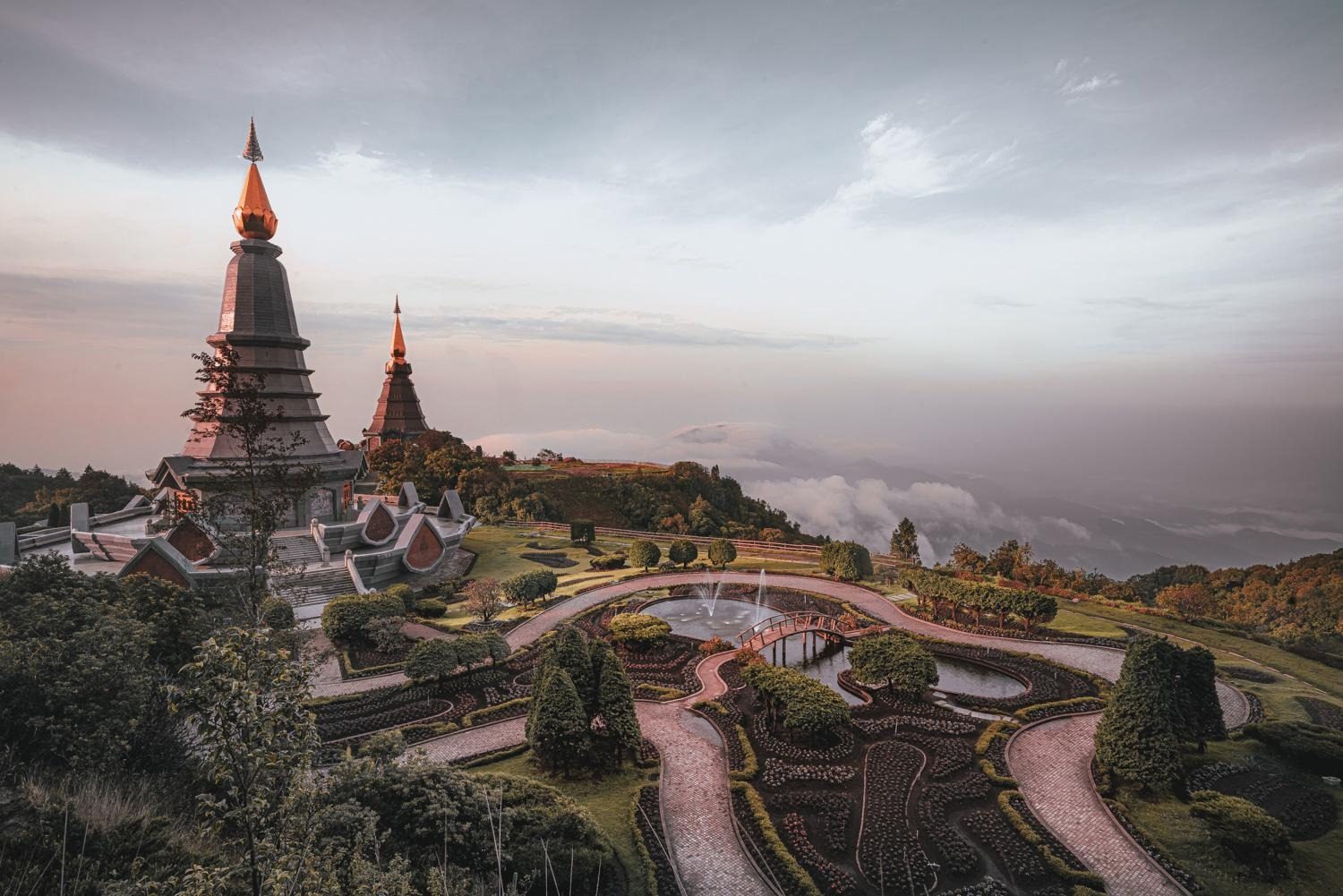
Doi Inthanon - Thailand
If you take a look at the somsookheimwee.be website, you'll certainly be struck by the beautiful photos published in each article. Yannick, who runs this travel blog, is a photography enthusiast.
In this Redion Belgium blog article, Yannick, a photography enthusiast, invites us to look beyond the simple snapshot. He reminds us that emotion, light and the moment matter far more than the equipment used. Whether you're equipped with a smartphone or a camera, the essential thing is to capture what moves you. Through his tips, he encourages us to explore our creativity, to dare unexpected angles and to make each image a unique trace of our adventure. Every trip is a story, every photo a living memory.
Avoid yet another holiday photo of someone "holding the sun as it sets into the sea", people with their feet cut off, or photos where the horizon isn't straight!
Be original and creative
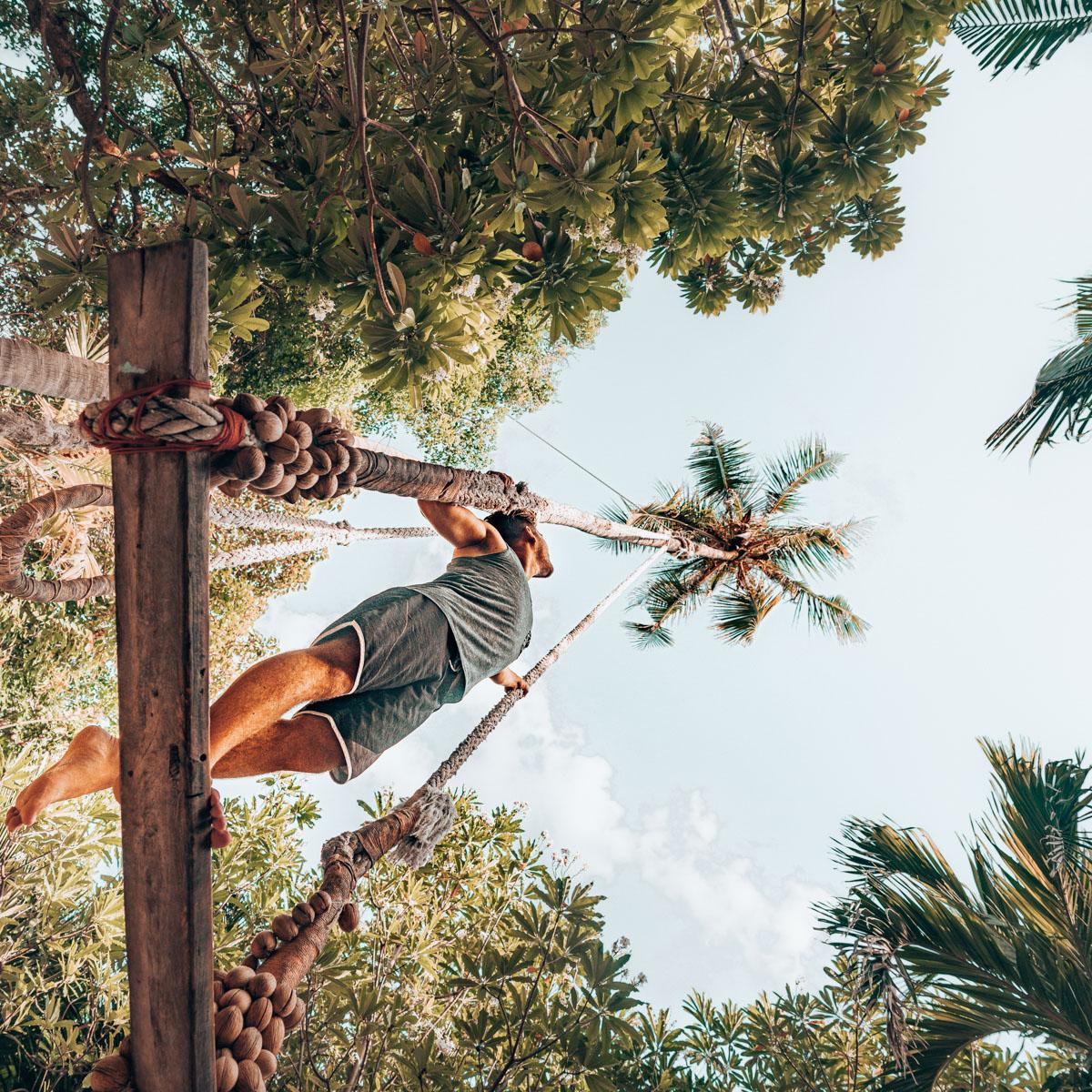
Koh Phangan - Thailand
Let's start with a general rule: the best photos are taken with the camera you have on you at the most fitting moment, the exact moment when everything is perfect for the shot. Whether it's a smartphone, an expensive DSLR or a compact camera doesn't really matter. Don't zoom with your finger, zoom with your feet! Move around, dare to look for a different composition than the photo everyone has already taken.
Which camera?
Do I need a "professional" camera, or is my smartphone enough?
No, there's no need to spend thousands of euros on the latest camera, convincing yourself it will give you nicer photos. Your smartphone, along with a few handy tips and apps, will let you take great photos fairly quickly.
However, if you also want to print your photos in high resolution and large format to hang on the wall, you'll need to consider buying a more expensive camera. It's clear that a professional camera offers many more advantages than your smartphone, such as better zoom, manual controls, more information regarding darker and lighter areas… which gives you far more options during later editing.
What should I pay attention to when buying a camera?
It's not easy to answer this question simply. Many factors determine which camera is the best fit for you: your budget, the kind of photos you want to take, the number of trips (and therefore photos) and finally what you want to do with your photos.
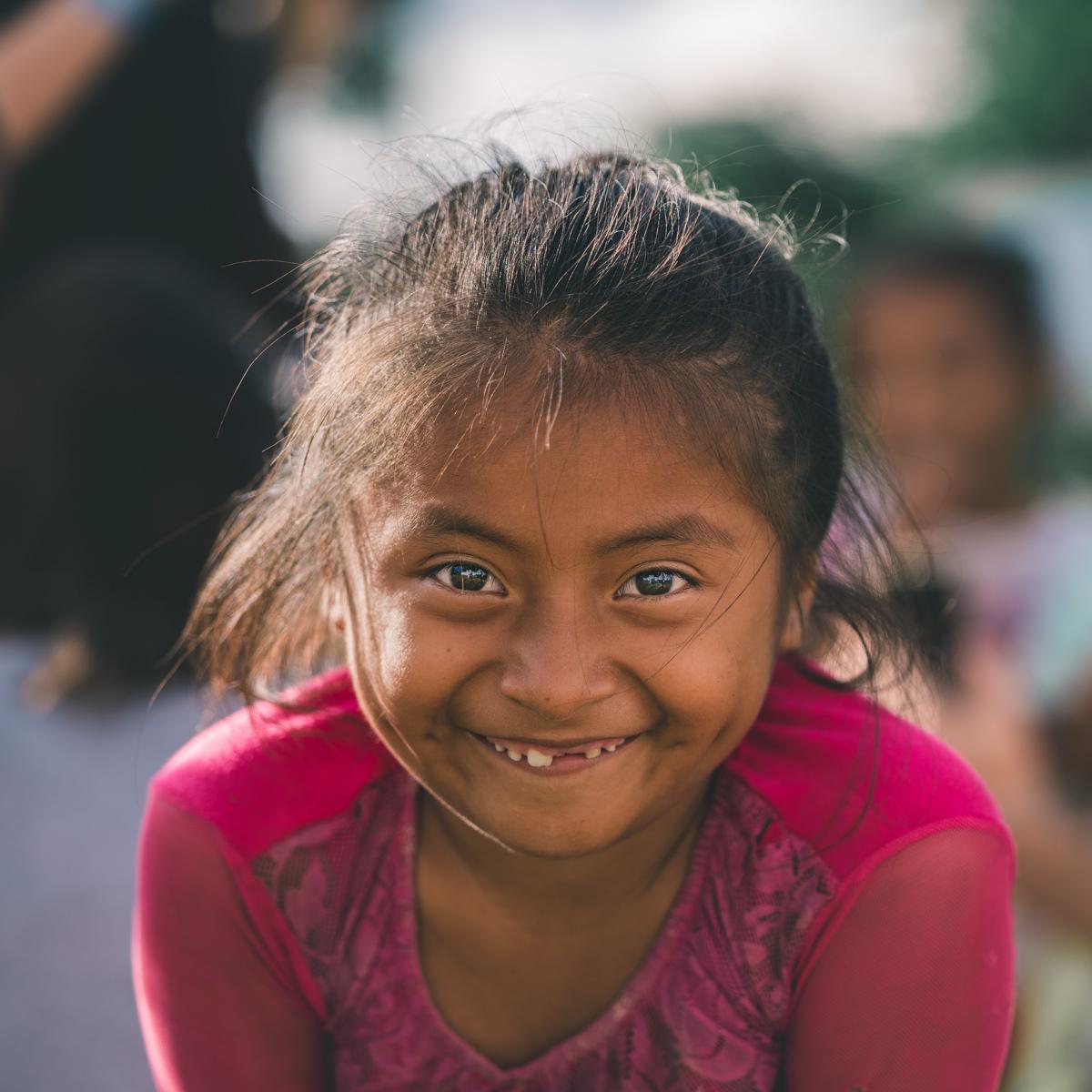
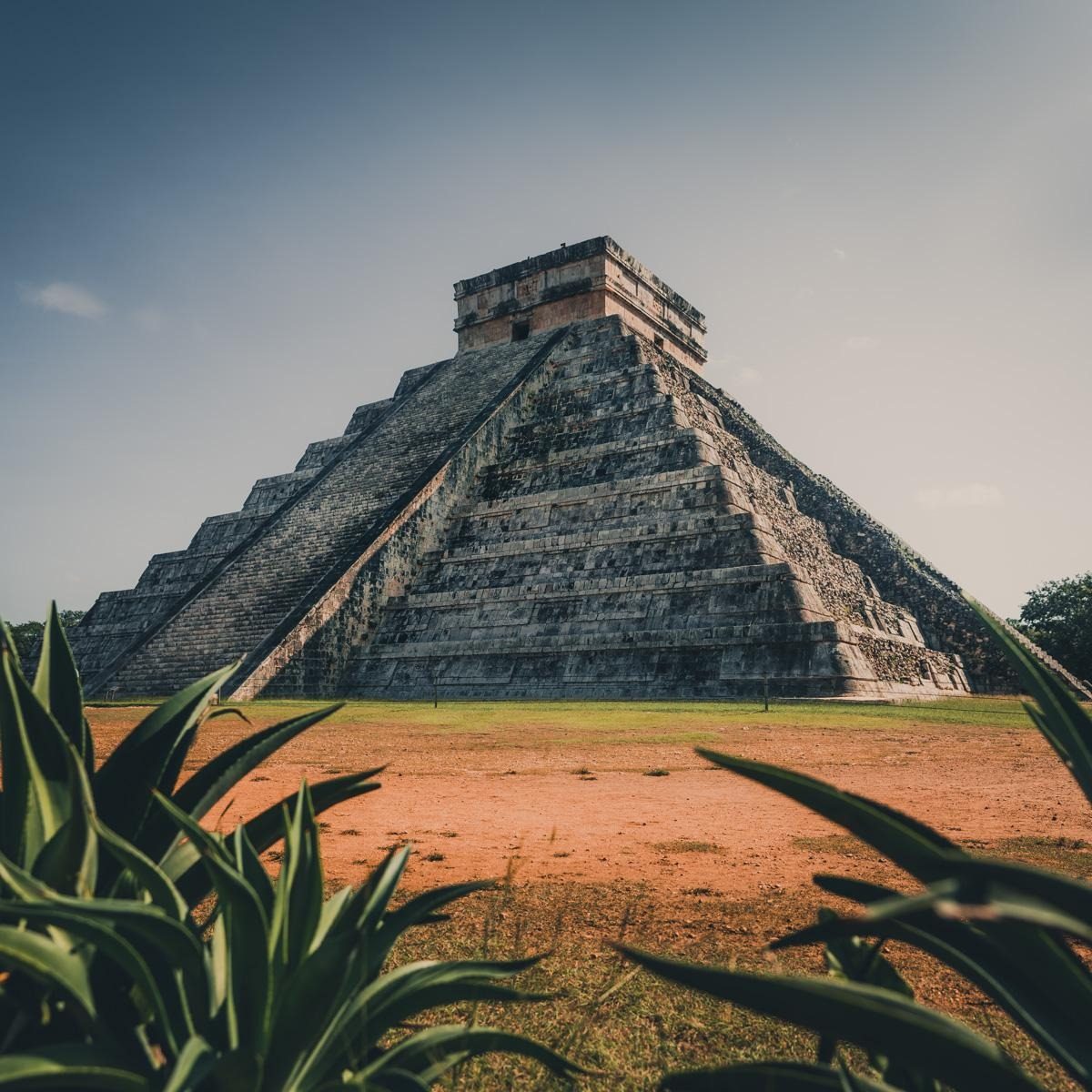
Yucatán - Mexico
Unfortunately, budget remains an important factor. Photography is an expensive hobby, and the more budget you put into your equipment, the more the quality is expected to follow. Also watch out for expensive (tele)lenses that you'll need to buy separately, for example if you go for full-frame photos.
But the subject you want to photograph is just as important. Do you love beautiful landscapes? Do you prefer everyday life or portraits? Do you want to use the camera outdoors and in tough conditions? Do you want a particularly light and compact camera? Does it need to shoot many frames per second (action shots), or does it need to perform well in low-light conditions?
Personal tip: If you want to invest in photography gear, I recommend starting with a Sony RX100 III. It's a small compact camera with an excellent zoom that can also save in .raw. This camera will cost you a few hundred euros. It's a good way to test whether photography and photo editing is something for you. Its f1.8 built-in lens lets you achieve a nice bokeh effect (where the background is blurred and the focus is sharp). That's something many smartphones or cheap cameras can't do, and people will quickly notice how original your photos are. Especially for portraits.
An app for editing photos
Google's Snapseed lets you achieve great results very quickly. Try playing with contrast by adjusting the curves. An S-curve makes your darkest tones fade a bit more and turn greyer, giving your photos an original look. The app also lets you sharpen your photo or play with structure. Slightly darker highlights and slightly lighter shadows will also add more detail and balance to your photos, especially those that were overexposed or underexposed.
.jpg, .raw, .dng or .arw?
If you have a more expensive camera, you can also save your photos in .raw, .dng or .arw format. But your files will be larger than a .jpg save. Another drawback is that you'll need to convert and export each photo afterwards into an image format such as .png or .jpg. However, digital negatives give you much more information about your image and let you edit each shot far more thoroughly.
Lightroom is by far the best app for sorting, editing and exporting your photos. There are many good tutorials to teach you how to use Lightroom. Adobe Lightroom is also available as a smartphone app, a simpler version than the desktop app.
A few particulars
The best place and the best time
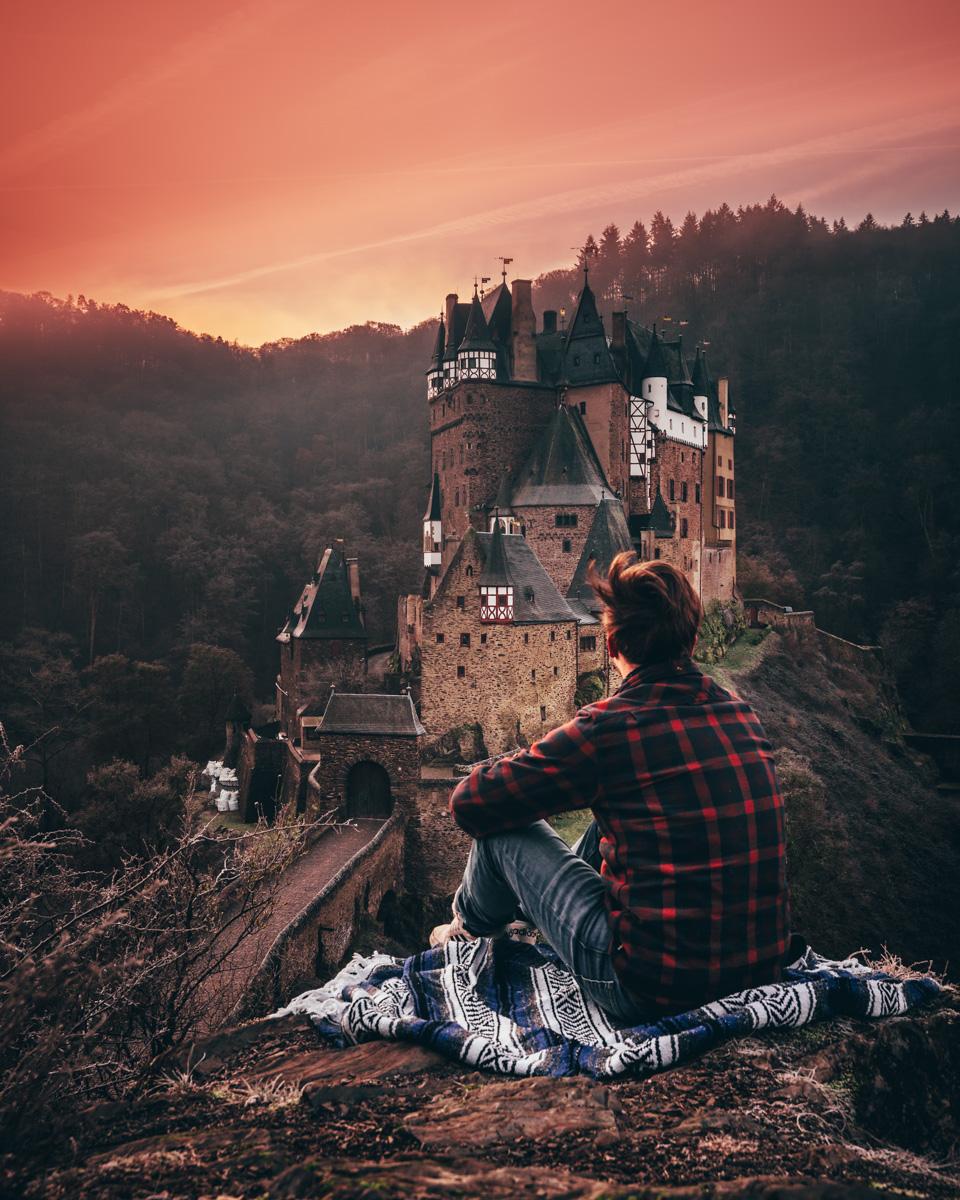
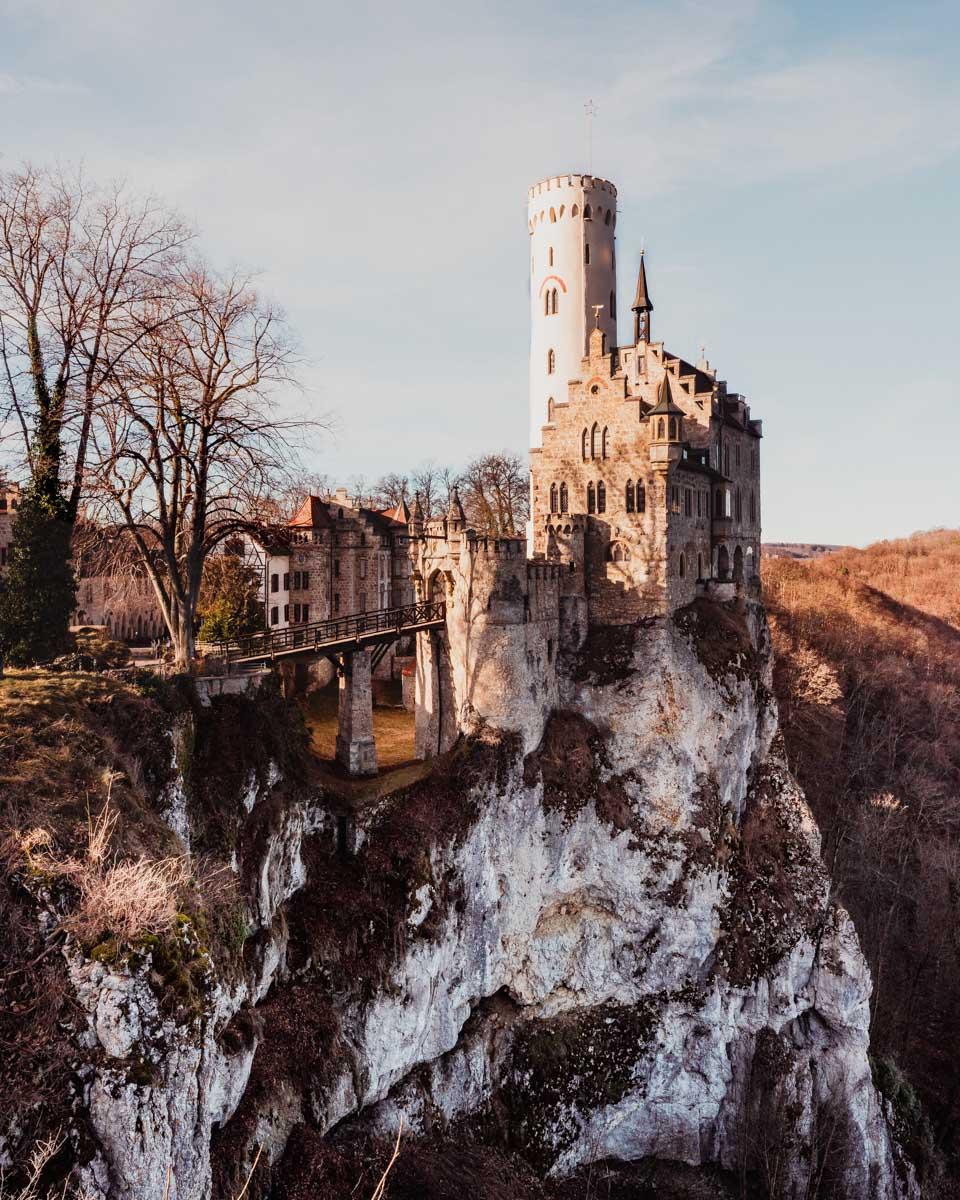
Eltz - Germany
Should you scout locations in advance to know when the light is best or when there are the fewest people?
The golden rule in photography is to take photos in the softest light. That is, just before or just after sunrise or sunset. So what I always look for once I'm on location are the sunrise and sunset times. Make sure you're at the spot you want to photograph at that moment, especially for landscapes and tourist sites. What you should check in advance is whether the area is freely accessible at those times. Plan your week and your visits around that. What you do during broad daylight or at night actually matters less, but at the moments when the light is ideal, I prefer to be "on a photo mission" to get the perfect shot.
You'll of course avoid the crowds and jostling if - in summer - you're on location at 5 in the morning. You'll sacrifice a few hours of sleep, but no one ever said taking photos was relaxing! And there's nothing more pleasant than a good walk at dawn. :-)
Small tip: During a sunset on a busy beach, you'll notice that most people leave just before or just after the sun disappears below the horizon and is no longer visible. But that's exactly the moment when the sky turns purple and orange, letting you take unique photos (or portraits) on a deserted beach under a blazing sky!
My strangest location
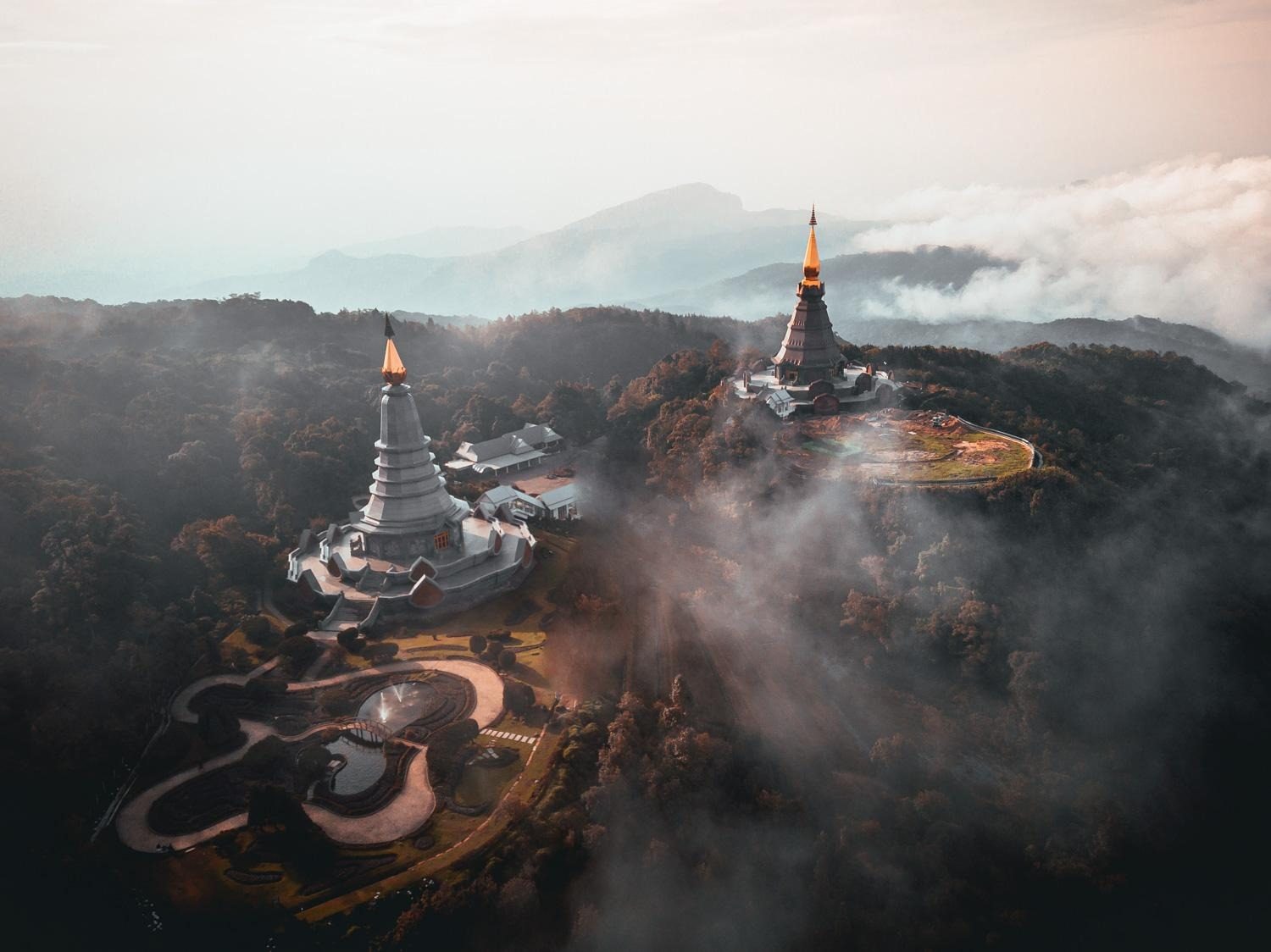
Doi Inthanon - Thailand
The strangest place I've photographed must be the Doi Inthanon temple in Thailand. These stupas (temples) sit on Thailand's highest mountain and are a very touristy spot. For the image I had in mind (a kind of Garden of Eden with two majestic temples and a backdrop full of magnificent valleys), I had to set off super early. At sunrise, the view is at its best. But the park only opens at 9 am, two hours after that magical moment. I hopped on my moped in the middle of the night and took the winding road up to the temple. I drove for three hours and met almost no one - quite unique in Thailand! I had to go through a side gate unknown to tourists to enter the temple complex, then climb the slopes of a dense forest to finally find the right angle. Then came a long wait, hoping no grey cloud would spoil the magic moment. It was quite an expedition, but the result didn't disappoint!
Wildlife photography
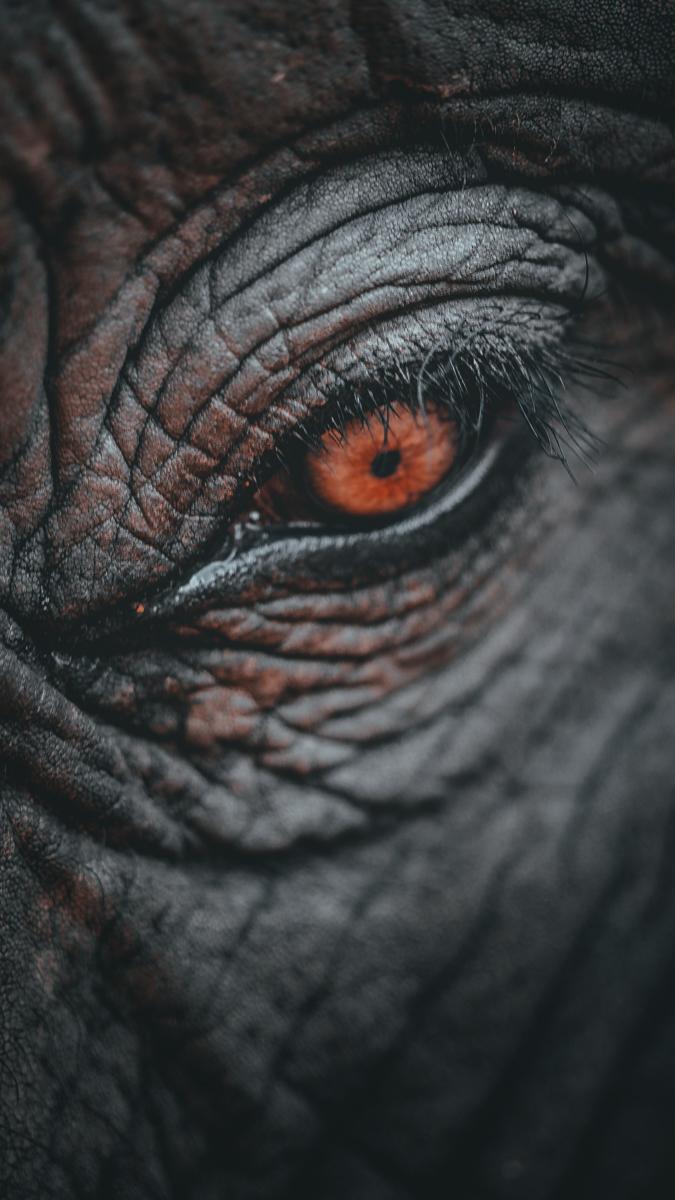
In some of my shots, I sometimes give the impression of "being right in front of the animal".
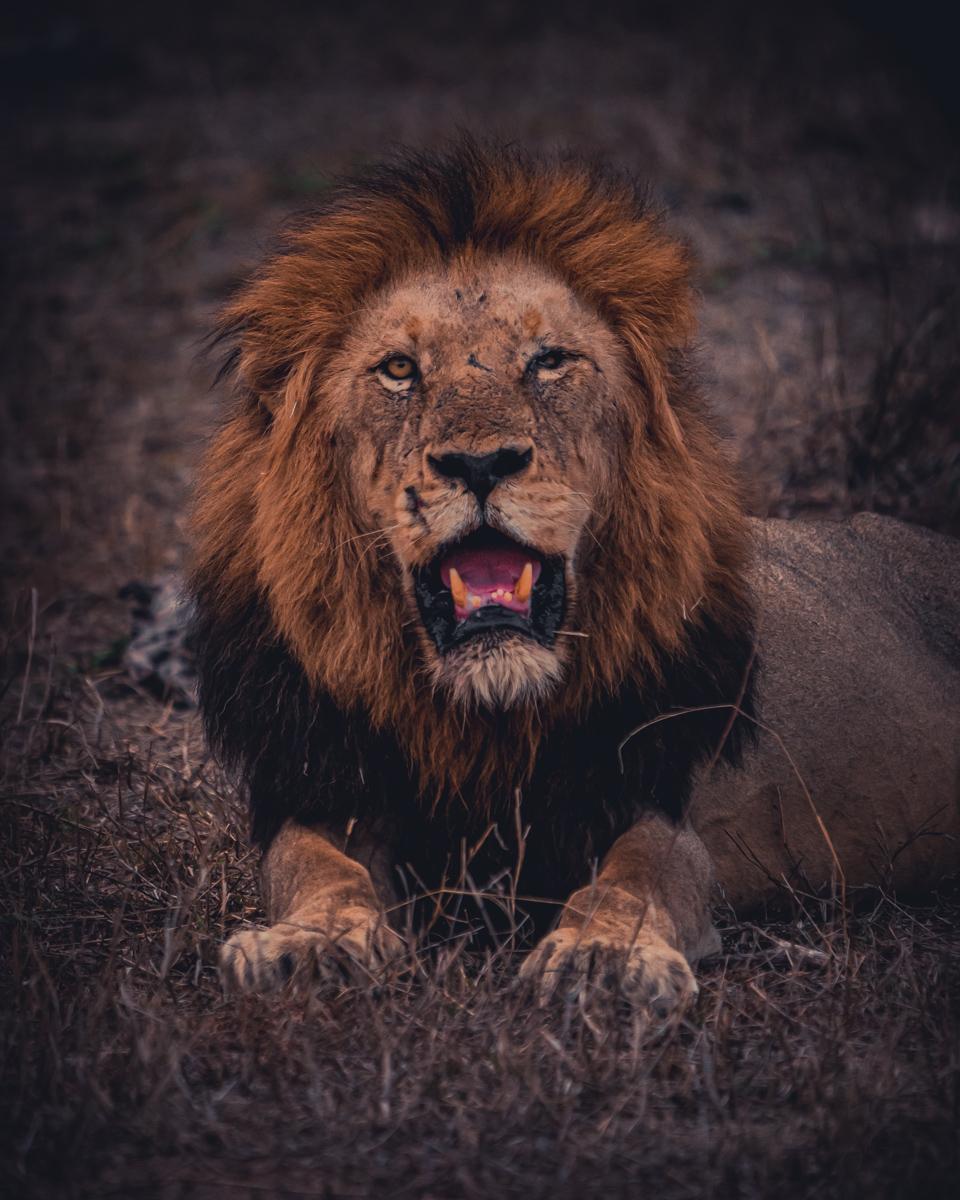
Kruger Park - South Africa
During my safaris in South Africa, I had a big telephoto lens. If it's for a one-off use, you might consider renting one, since these lenses can easily cost a few thousand euros. I had a 100-400mm f2.8 (a truly great lens) which lets you zoom in very close. This lens, combined with a 1.4x extender that brings you even closer to your subject (though with a slight loss of quality), makes it possible to get some of those impressive close-ups. It still takes a bit of experience, though, since the slightest movement can make you miss your subject, especially since these animals aren't particularly still. Photography in Kruger Park was a real challenge! :-)
A few examples of my photos
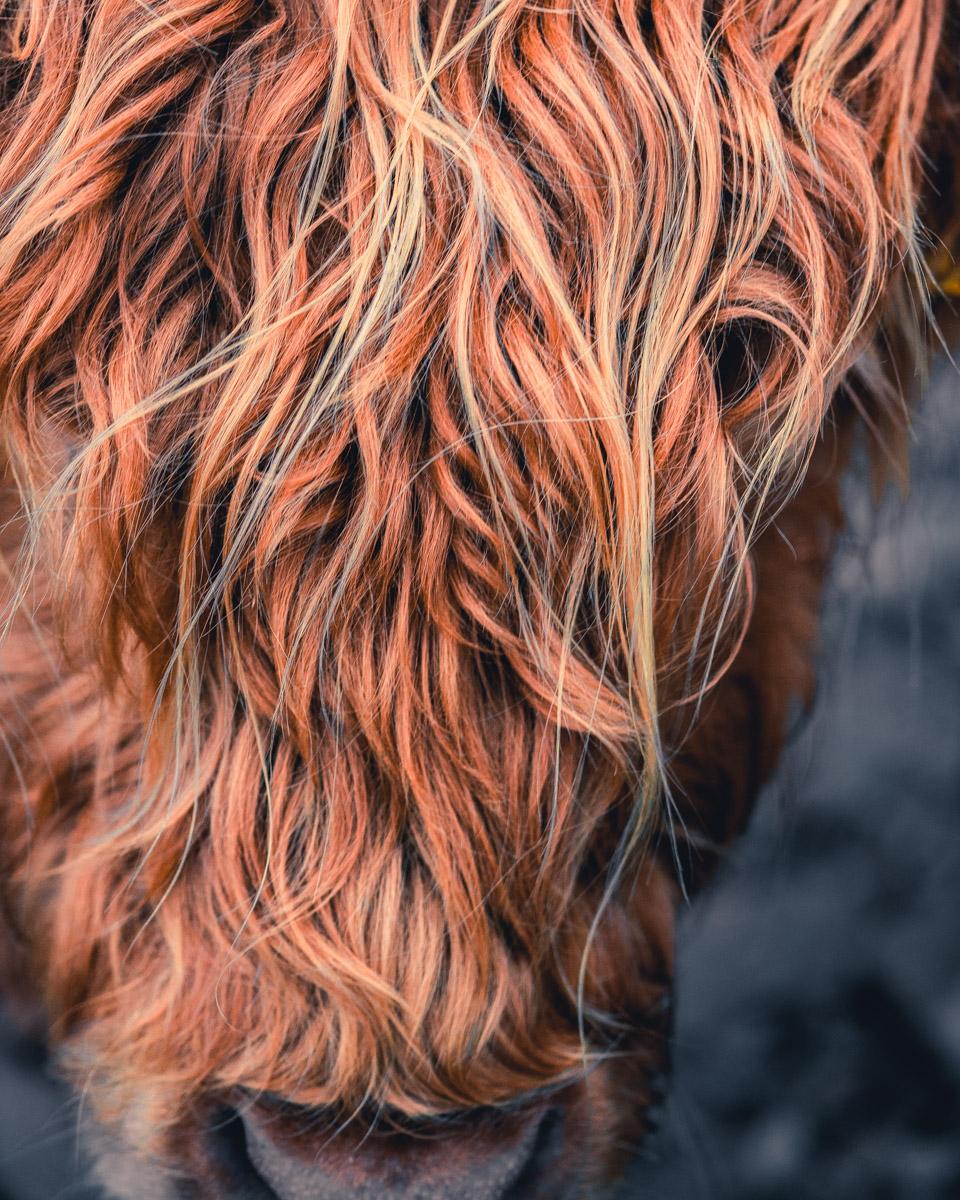
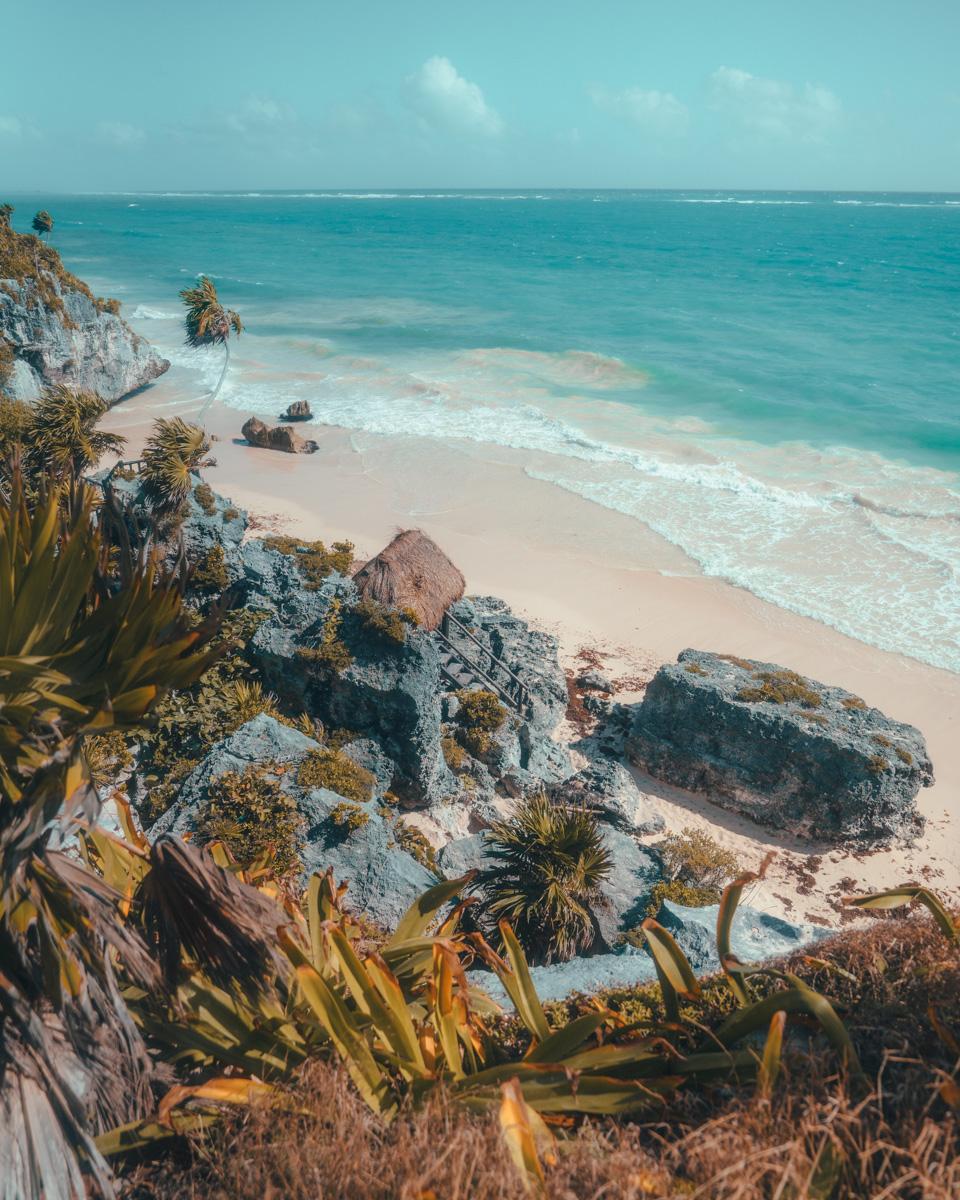
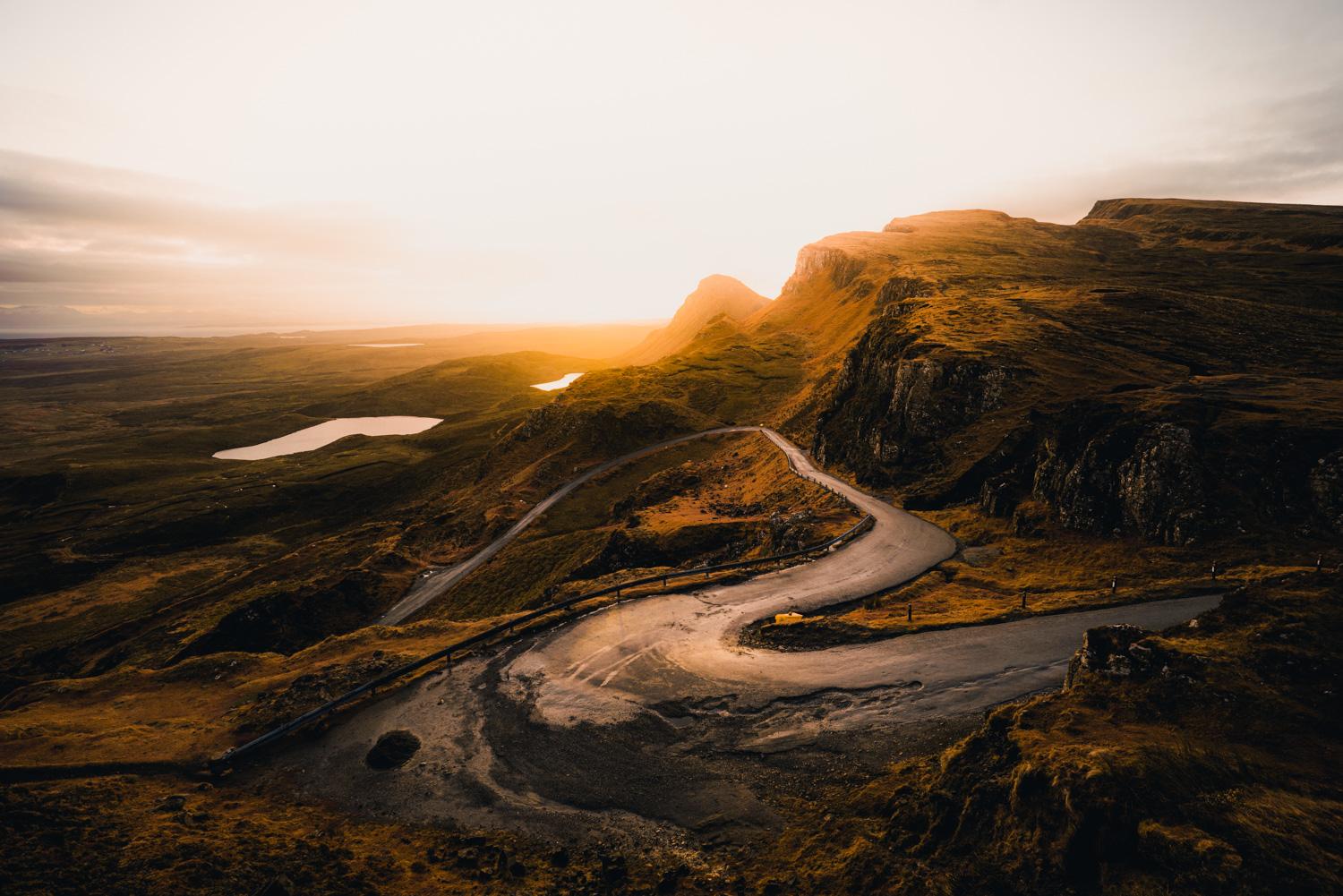
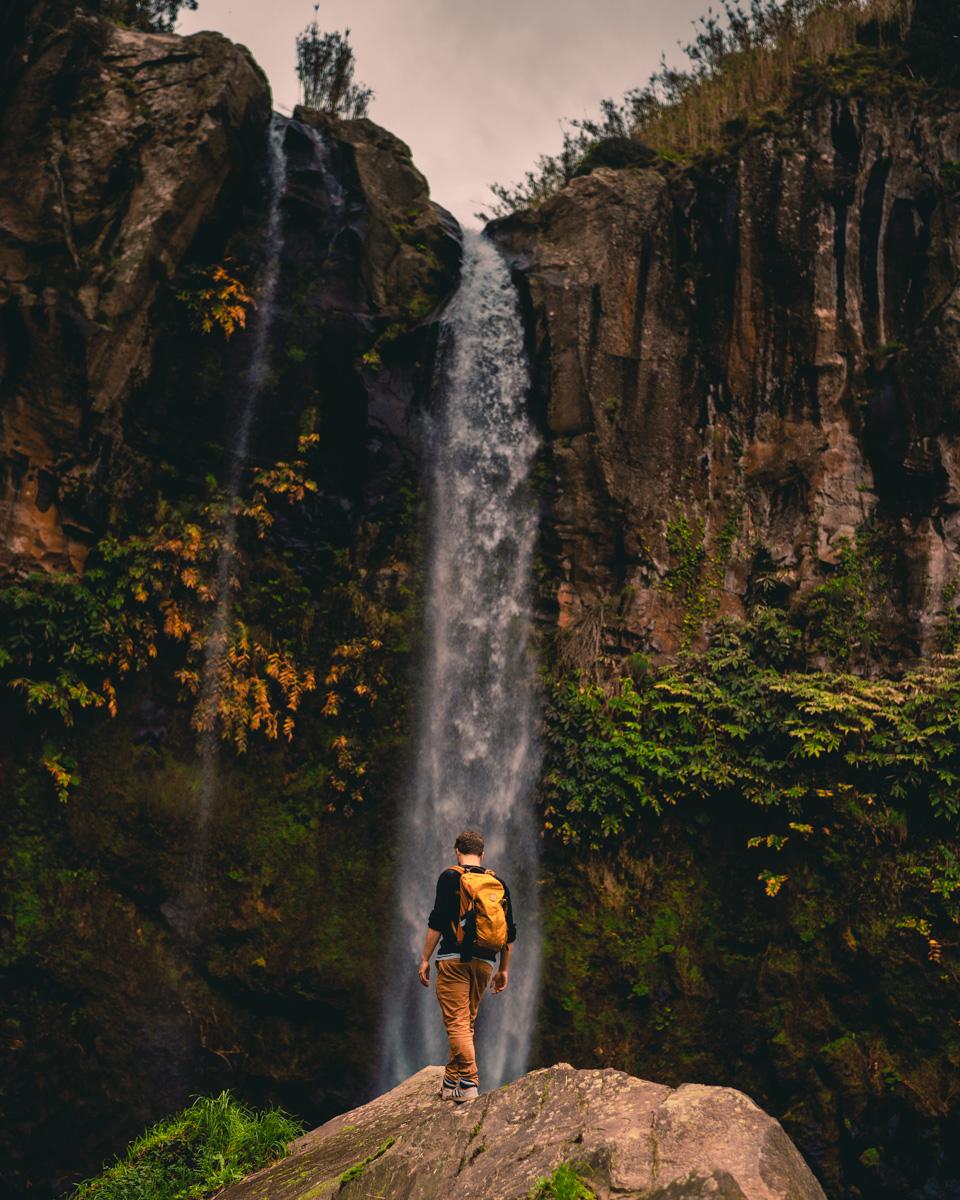
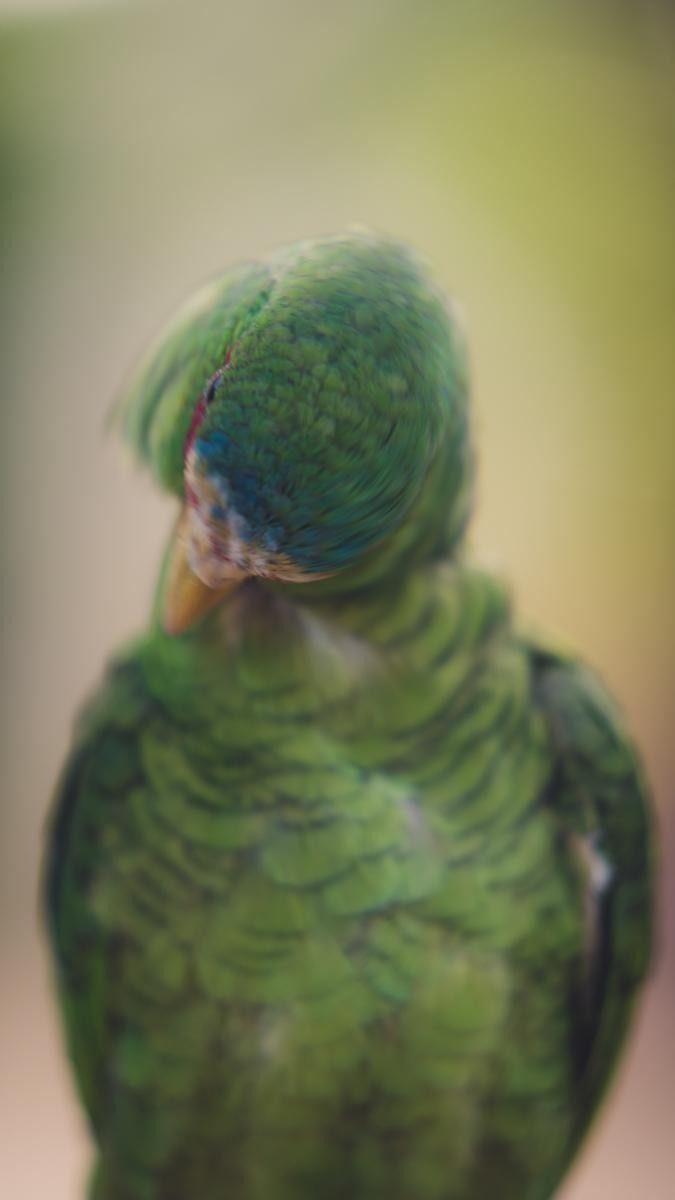
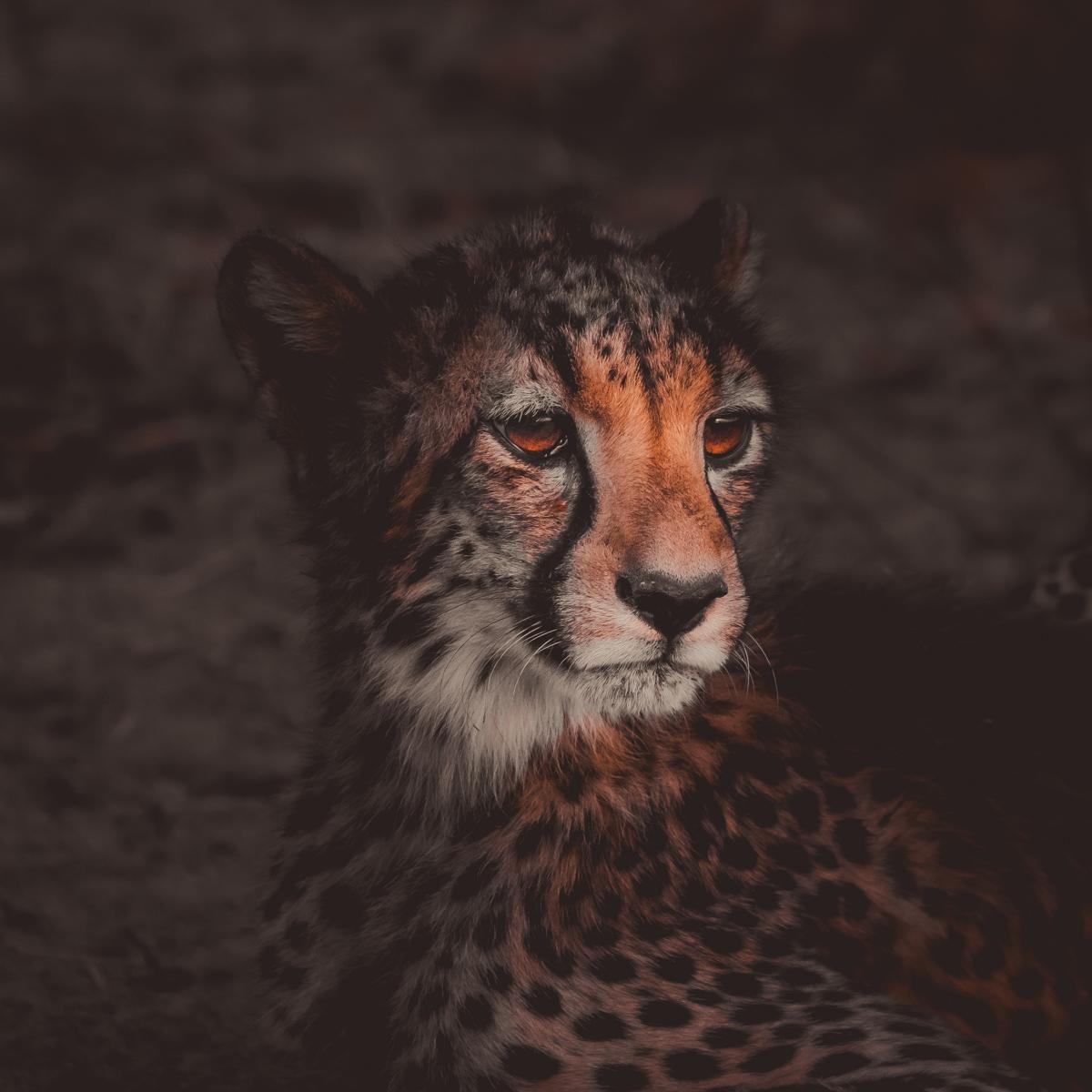
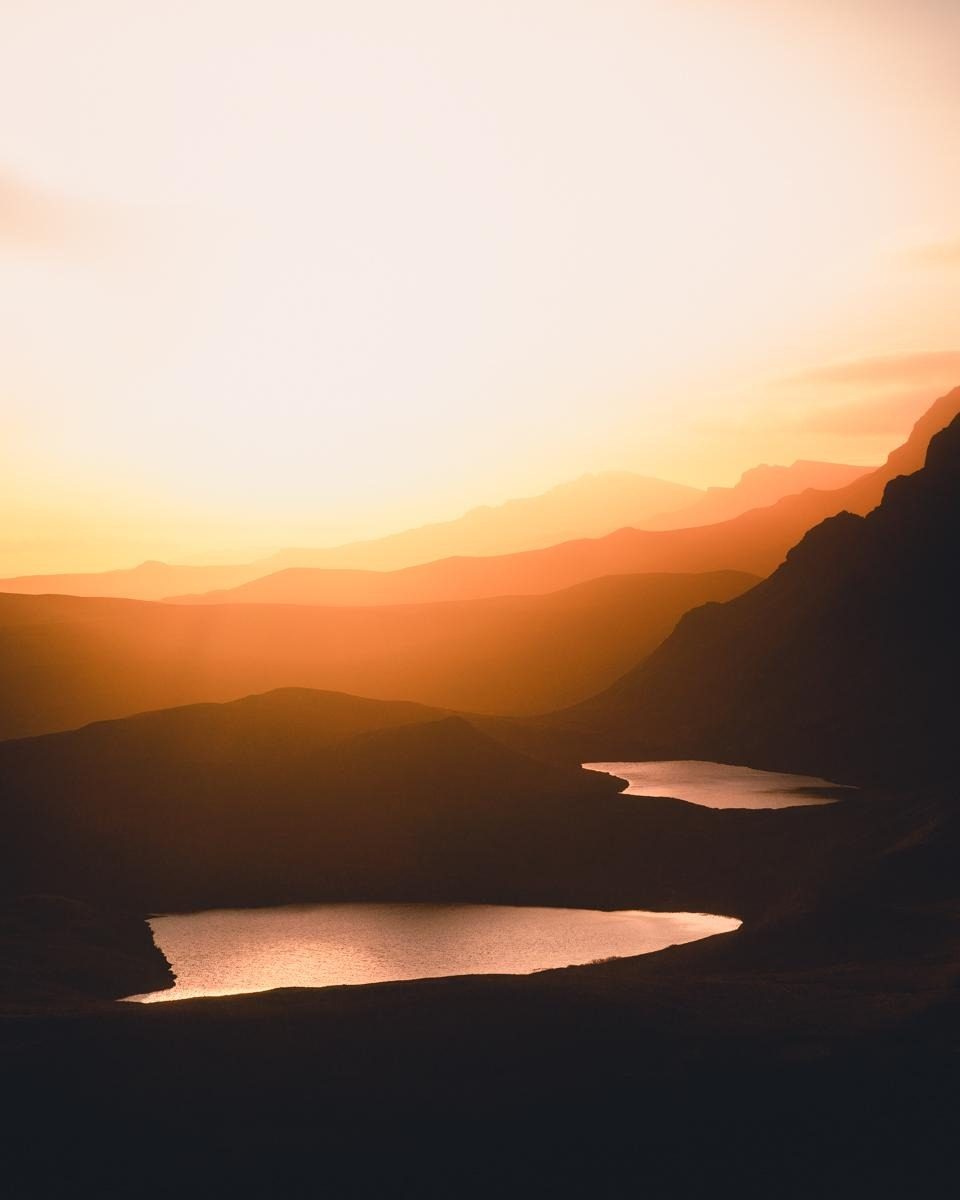
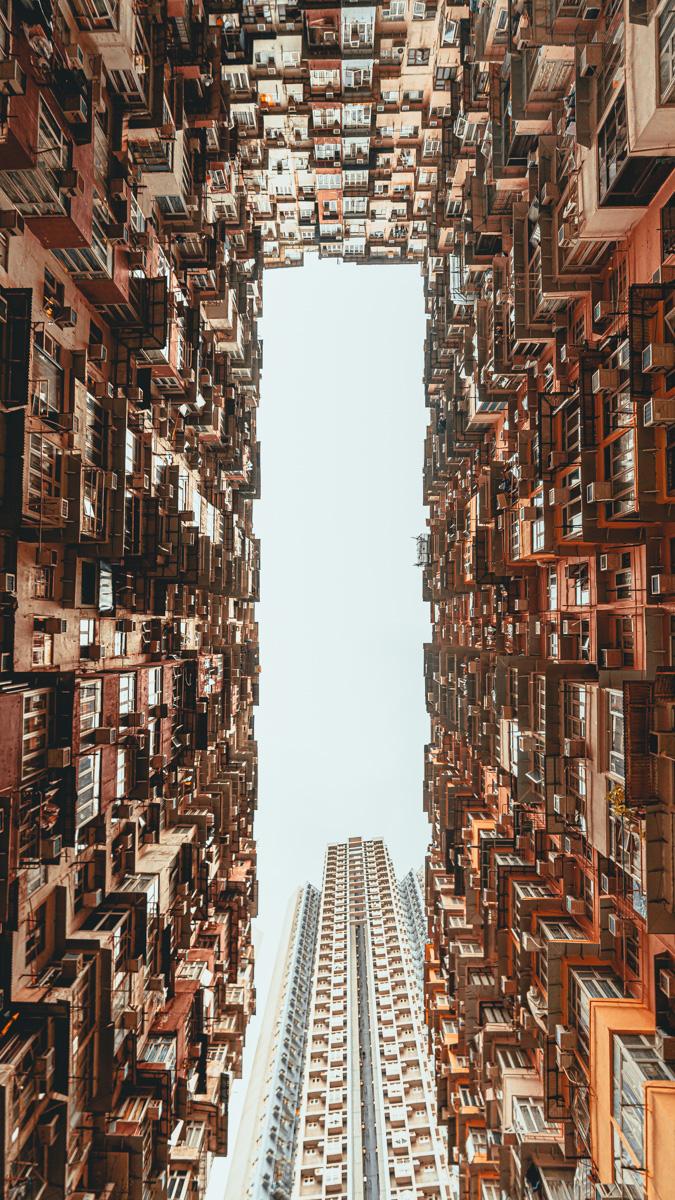
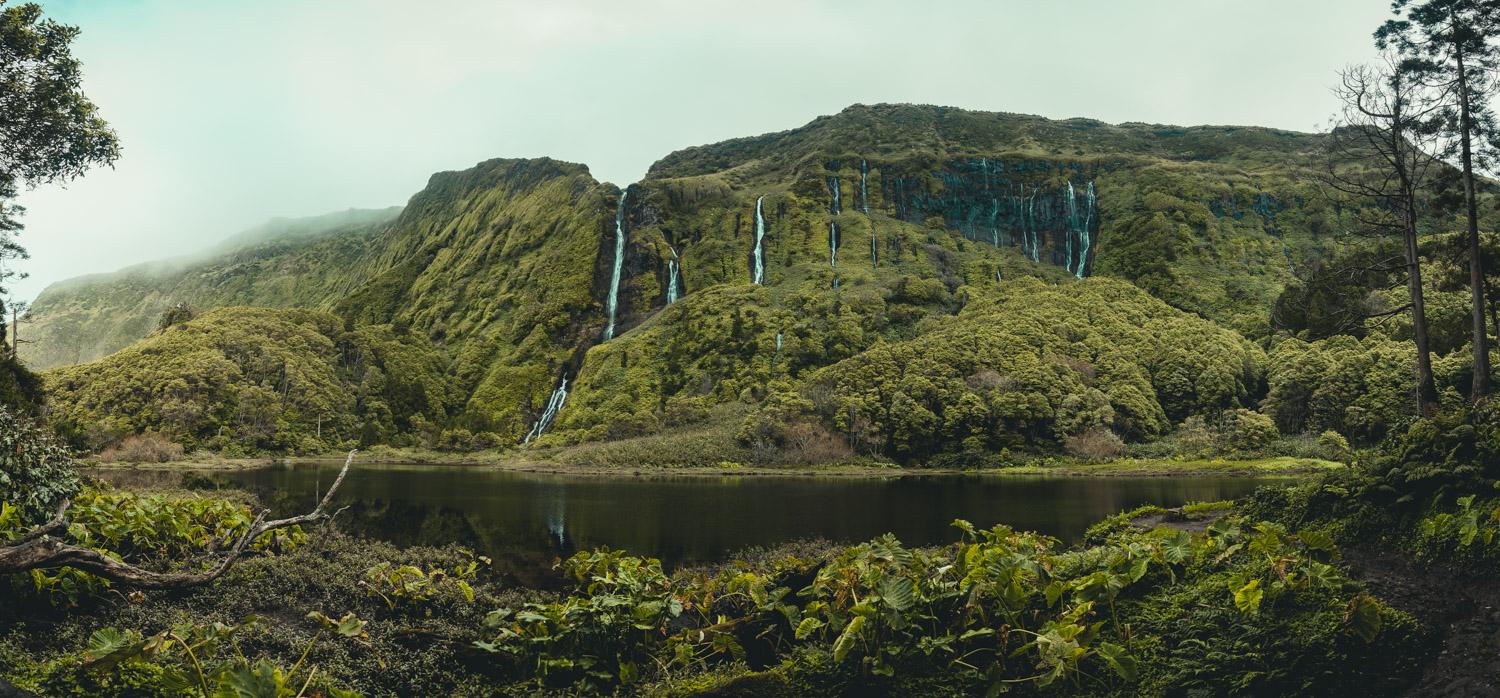
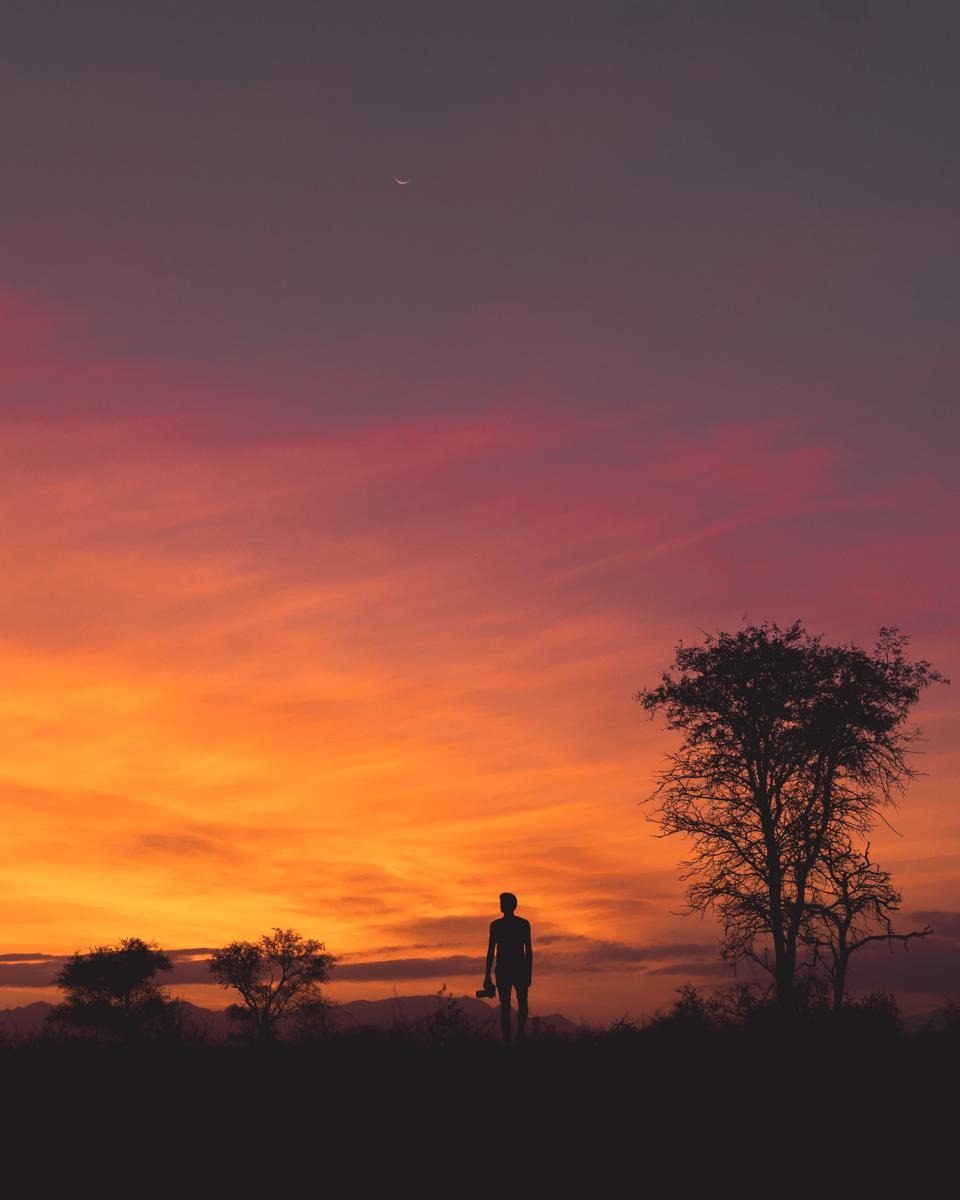
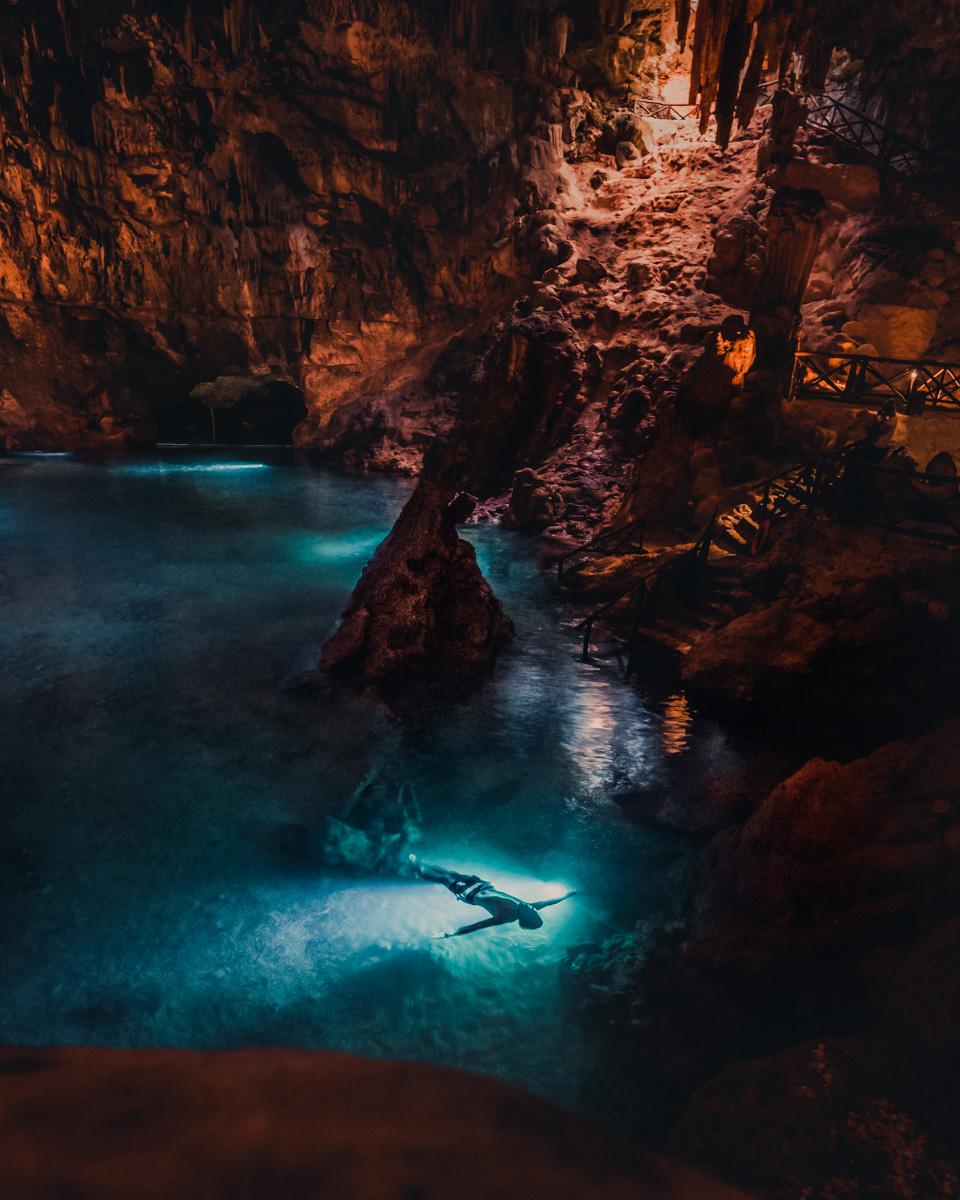
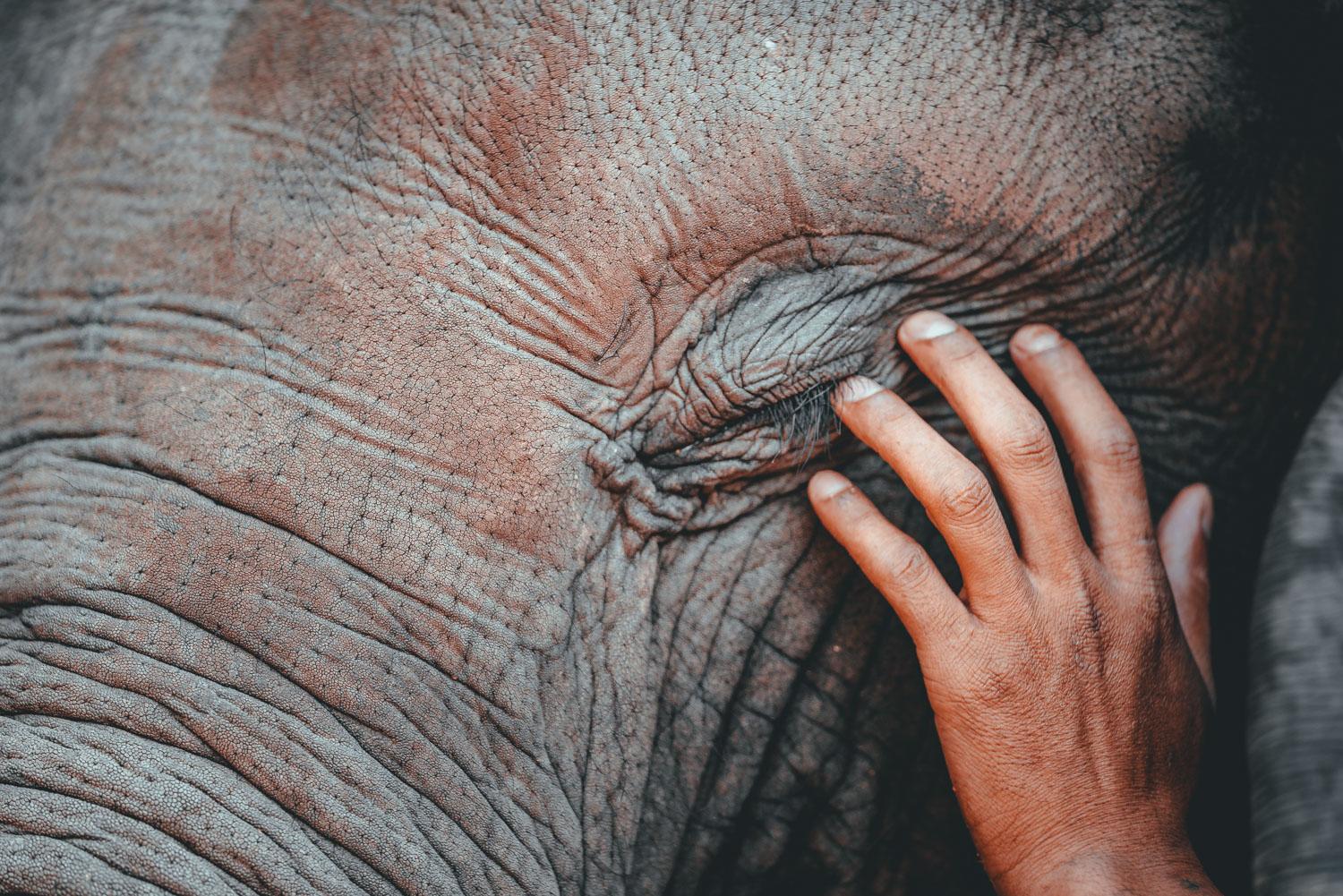
You'll find more photos and great articles on my site www.somsookheimwee.be.
The site "Soms ook heimwee" (literally "Sometimes homesick too") is a visual travel blog that tries to persuade people who are rather "scared" of discovering original or unknown destinations, through inspiring travel stories.
One last tip: Practice first close to home, in a familiar environment, because it's possible to take beautiful photos wherever you are!
Photos © Yannick De Pauw, "Soms ook heimwee"
First published: 04/2020 - Updated: 09/2025