At a glance
Travelling with a disability is possible: with the right preparation, there are countless ways to make it happen
Travelling as a person with reduced mobility can seem difficult, even impossible. Yet with the right preparation, there are countless opportunities to have a wonderful trip! The world is now accessible to everyone: you just need to know where to start.
Destination and accommodation
Before you leave, there are several things to check to make the most of your trip and travel with peace of mind.
✔ Are you planning to travel far? A long-distance trip can be appealing, but it takes you away from your usual help and support. Think about this before choosing your destination.
✔ Are you travelling alone or with someone? If your disability requires daily assistance, it's better to consider travelling with someone who can help you if needed.
✔ Does your destination have uneven terrain? You don't need to go to a mountainous country to find hilly terrain. Every city can have a varied topography with higher and lower areas (think of Brussels, for example). Pay attention to this and check whether you can easily reach the places you want to visit.
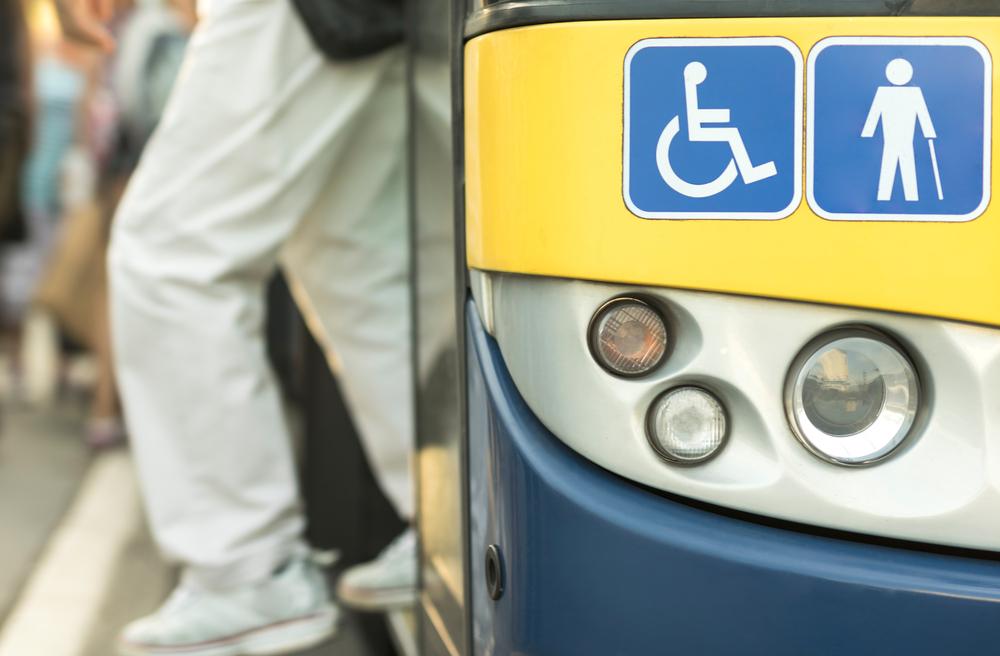
✔ Is the country you plan to visit well equipped to welcome people with disabilities? Some cities have all the facilities needed for the comfort of people with reduced mobility, while others can prove particularly unwelcoming in this respect. Make sure the museums, tourist sites you plan to visit and places you'll be staying have suitable facilities. You'll usually find this information on their website. Some labels guarantee a particular kind of welcome and a suitable environment (such as the Tourisme et Handicap label in France).
Preparation
Before planning a trip, consult your GP so they can assess whether the trip is feasible:
- They may advise against certain climates, whether too hot or too humid, as well as heavily polluted cities if you have respiratory problems;
- They'll tell you which vaccinations are required or recommended for tropical destinations, and let you know whether they're compatible with your treatment;
- They'll assess whether your general state of health allows you to make the trip, or whether you need to reconsider your destination or type of trip.
Don't forget to bring:
- Your ID card and any other required documents (passport, visa, etc.);
- Good travel insurance;
- Your European Health Insurance Card (for European Union countries);
- The emergency services number and details of hospitals at the places you're going to visit;
- Your disability parking card for people with reduced mobility (if you're driving your car);
- Enough of your medication to last the whole trip, along with a prescription for it (preferably in English), as well as a certificate (in English) for customs;
- Your health record book (make a note of any medications you're allergic to).
Means of transport
Travelling by car
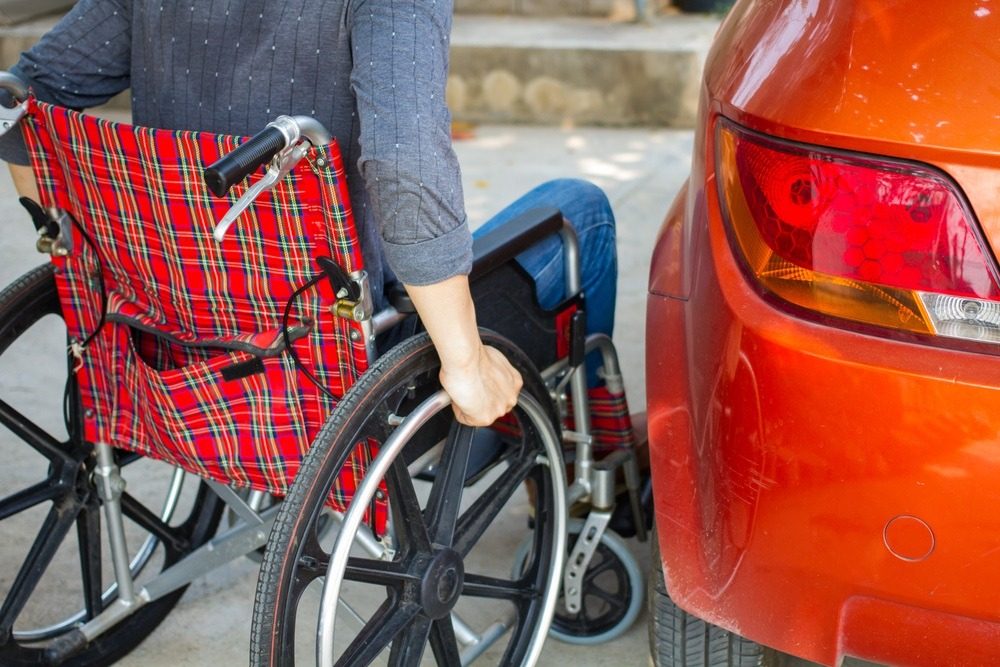
A car is the simplest means of transport for a person with reduced mobility who is able to drive a vehicle:
- The car can be adapted to suit its driver;
- A car often gets you closer to your final destination;
- Many hotels or places to stay have suitable facilities (reserved parking, access ramp, wide lift, etc.);
- The European parking card gives you access to reserved spaces everywhere in Europe (request the card on 0800/987.99);
- Some sites offer car rental adapted for people with reduced mobility.
Travelling by train
SNCB (Belgian rail) offers special rates for people with disabilities: free travel for the blind or visually impaired in 2nd class, and free travel for companions of people with reduced mobility. It also guarantees assistance on board the train, free of charge and on request, for which it's best to give notice 3 hours in advance (for a domestic journey with no connection), 24 hours in advance (for a domestic journey with a connection) or 48 hours in advance (for an international journey) by calling the Contact Center on 02 528 28 28.
Travelling by plane
It's worth reading EU Regulation 1107/2006, which sets out the rights of disabled persons and persons with reduced mobility travelling by air. An airline or travel agency can never stop you from buying a plane ticket because of your physical condition. They can only refuse if the person cannot be transported for safety, logistical or medical reasons.
Please note: for safety reasons, an airline may require a person with a disability or reduced mobility to be accompanied by someone able to provide the necessary assistance.
All European airports are required to offer you free assistance if you have a disability or reduced mobility. The same applies to airlines (don't forget to notify the airline at least 48 hours in advance).
For example:
If oxygen cylinders need to be arranged, you must first fill in the MEDIF form and provide it to the relevant airport and airline. For certain conditions, a medical certificate is required, confirming that the doctor has approved the passenger to take the flight without medical risk.
For people who travel often, it's best to use the FREMEC card (FREquent traveller MEdical Card), valid for 5 years. Simply give your card number to the airline, and that's it!
Good travel guides also offer valuable advice for preparing a trip when you have a disability.\