At a glance
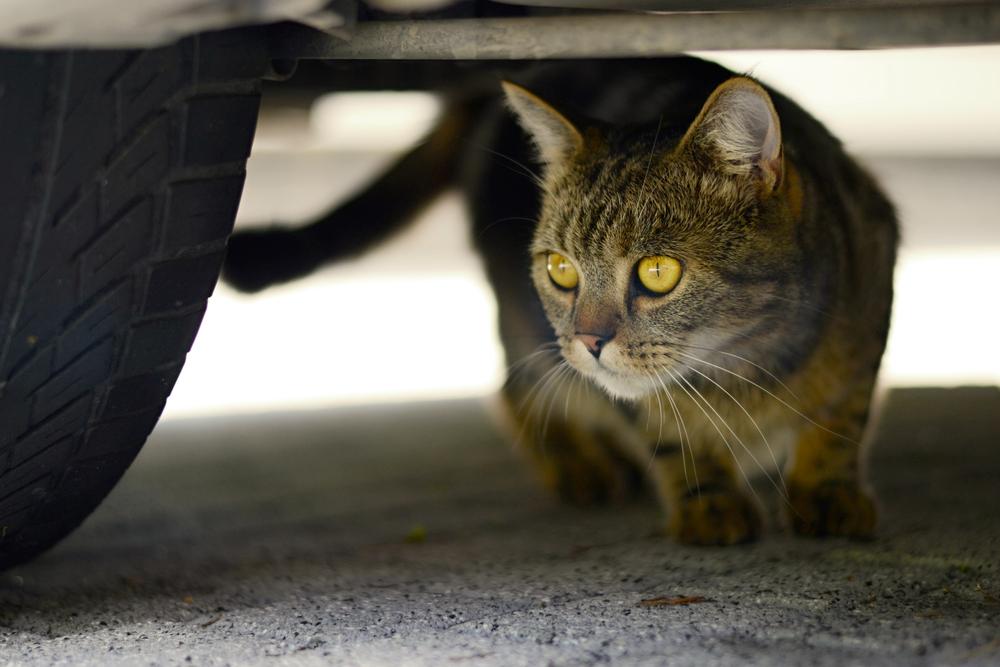
It's not unusual for a cat to try to hide under the bonnet of a car. Sometimes the consequences are tragic. Can it be avoided?
It's not unusual for a cat to try to hide under the bonnet of a car. Sometimes the consequences are tragic.
Can it be avoided?
Not such a rare occurrence
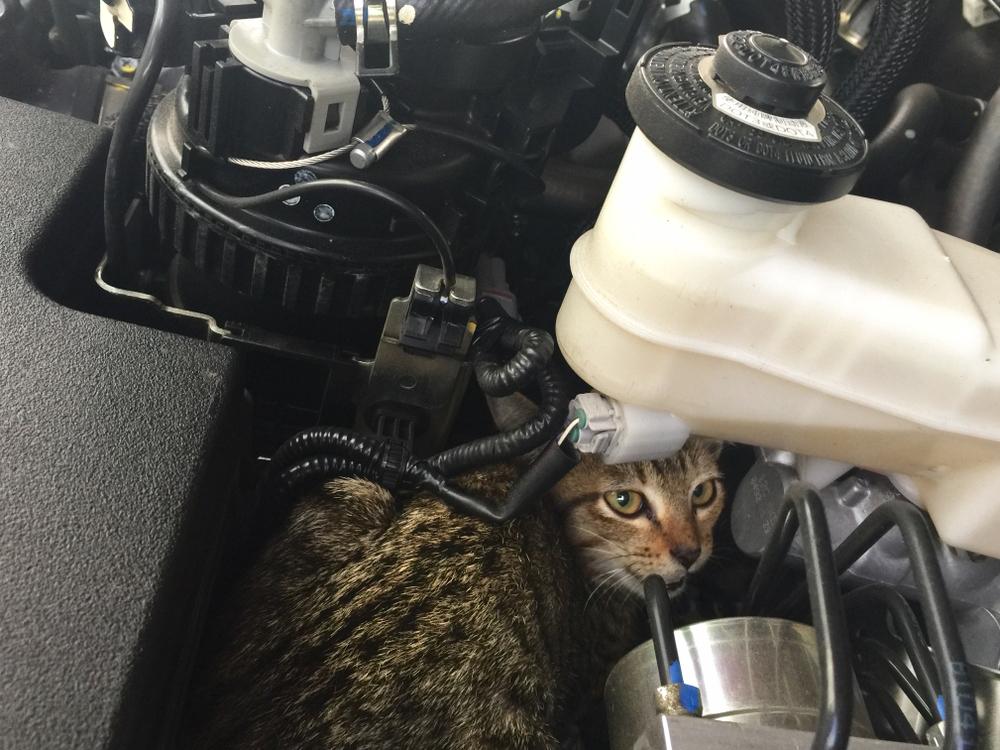 In their local news sections, newspapers regularly report stories of drivers who discover that a cat (or kitten) has slipped under the bonnet of their car or has got into one of the gaps near the engine.
A simple internet search will turn up hundreds of stories like this.
It's not unusual to read accounts of a cat travelling several dozen, or even several hundred, kilometres this way, trapped under the bonnet, or being stuck for several days without being able to get itself out of its hiding place or being rescued.
It also happens that a Redion breakdown technician is called out to rescue a careless and overly curious cat.
While some of these stories have a happy ending, unfortunately many others end in a much more tragic outcome for the animal and/or have significant consequences for the vehicle. What's more, even when you realise an animal has got into the engine bay, it's not always easy to get it out without hurting it.
Looking for somewhere warm, or a hiding place
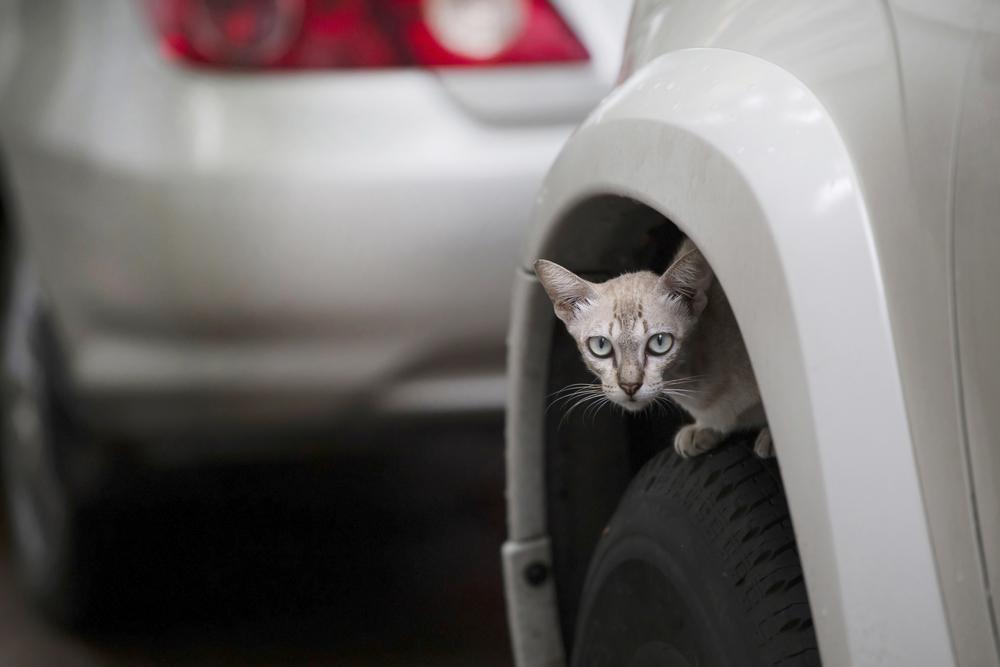 Cats are curious by nature. Most of the time, those that get trapped are victims of their search for somewhere "nice and warm" or a hiding spot. The heat given off by an engine is exactly what they're looking for. They curl up near the engine and fall asleep there, or wedge themselves between parts in such a way that they can no longer get themselves out. This is especially common with young kittens, who are experiencing life for the first time in an environment whose dangers they don't yet know. The problem is also more common during cold weather.
Less dangerous: many cats simply enjoy the warmth given off by the engine by lying on the bonnet of the car.
What can you do to avoid the problem?
The most obvious solution is, of course, to park the vehicle in a closed garage, making sure no animal can get in. This will also protect your car from other unwanted intruders that can cause damage, such as weasels and martens.
Some people recommend using repellents. But their effect is often only temporary and doesn't offer an absolute guarantee. What's more, you risk being bothered yourself by the smell seeping into the vehicle through the ventilation system.
One of the tricks that seems to work best (and is the cheapest) is to honk the horn and/or give a loud bang with the flat of your hand on the bonnet or the front of the vehicle (obviously before starting the engine). This noise will often startle the cat and make it run off. The intruder should then conclude that there are quieter places to take a nap. The trouble is, this trick is just as likely to startle anyone standing nearby!
Opening the bonnet to inspect the engine bay (even with a torch) doesn't always reveal an animal hiding inside.
Also read: Why weasels and martens love your car
Discover more tips in the "Dogs, cats and co" series