At a glance
Be extra careful when driving in strong gusts of wind. Here are a few safety tips.
The pitfalls of wind
Whether it blows head-on, from behind or from the side, a strong or stormy wind can be very dangerous when driving. Be on your guard during big gusts and follow a few safety tips.
Wind and the car
- A light car will be more easily buffeted by the wind and destabilised more quickly than heavier vehicles. The same goes for taller vehicles (e.g. vans) or vehicles carrying luggage on the roof.
- Vehicles towing a trailer or caravans are also very sensitive to the effects of wind.
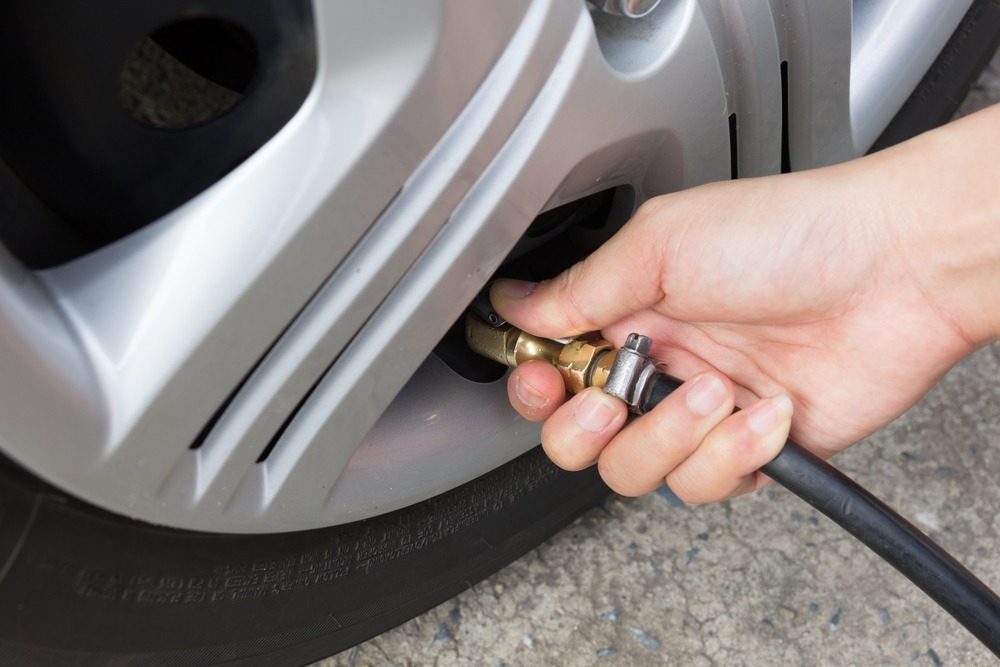
- Don't forget how important tyres are: only tyres in good condition, suited to the weather conditions and correctly inflated guarantee good road grip.
The effect of wind on the vehicle
Gusts and strong bursts of wind (over 90 km/h), whether accompanied by rain or not, along with their direction and strength, can pose a danger while driving. The vehicle can suddenly encounter a sideways pressure that risks destabilising it or pushing it off course. Here are a few tips for dealing with the situation:
- Reduce your speed, especially on roads where speeds are usually high, such as motorways.
- Stay alert so you can react properly not only to a sudden gust of wind but also to the behaviour of other road users (including pedestrians!)
- Hold your steering wheel firmly to keep your vehicle on course.
- Keep a safe distance from the vehicle ahead of you.
- If you're pushed off course, reduce your speed and straighten the vehicle by focusing on the path you want to keep. Avoid sudden manoeuvres.
- If you're driving on the motorway: stay on the right, in the first lane. This will let you keep a "safety margin" if you're pushed towards the left.
- Avoid overtaking other vehicles if possible. During a gust of wind, the vehicle you're overtaking may swerve towards you. Bear this in mind. The same applies when you meet oncoming vehicles.
- Overtaking heavy goods vehicles: In case of strong side gusts, a heavy goods vehicle being overtaken will act as a shield. When your vehicle leaves the area sheltered from the wind, it will tend to drift closer to the truck. You'll then need to correct its course by gently pulling away and creating a safety gap between the two vehicles. The opposite effect will happen when you leave the area protected from the wind by the truck. Your car will then be exposed to the gusts again and risks suddenly swerving to the left. The same effect can be seen when entering and leaving a long tunnel.
- Driving through a forest or on a road with raised verges can offer some protection from the wind. As soon as this natural protection disappears, the vehicle risks being pushed off course.
- Mountain roads or roads along the coast are likely to be among the most dangerous in strong gusts.
- Be doubly careful if the road surface is slippery or wet (hydroplaning).
- If the wind becomes stormy, it's best — if possible — to avoid taking to the road. Check weather warnings on this (and for Belgium, the RMI website). Also avoid driving in places where your vehicle could be hit by falling branches or any other object carried by the wind.
Also read:
How can you protect your home against a storm? You'll also find the Beaufort scale there.