At a glance
In this article, Redion explains what you need to know to stay calm behind the wheel, even in heavy rain:
- what exactly is aquaplaning?
- how should you react when it happens?
- and above all, how can you avoid this potentially dangerous situation?
Aquaplaning (also known as hydroplaning) is a real danger for all motorists. It's even one of the leading causes of accidents in rainy weather.
Aquaplaning: definition and explanation of the phenomenon
Definition of aquaplaning
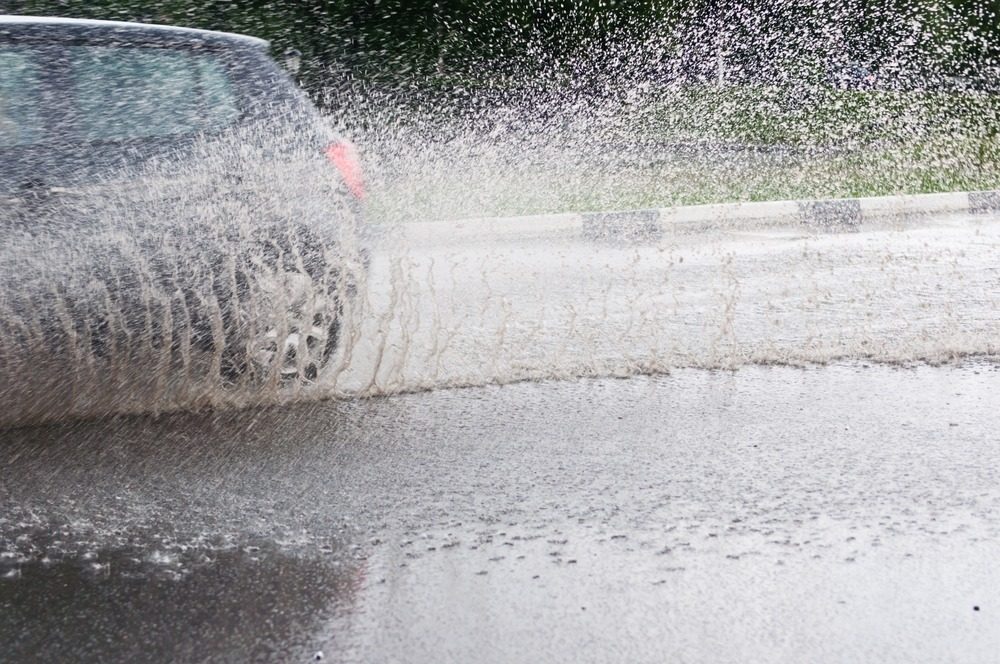
Aquaplaning happens when a layer of water gets between your tyres and the road surface, causing a total or partial loss of grip. Normally, the grooves in your tyres channel water away to maintain contact with the road. But during heavy rain, or when driving through large puddles, the amount of water becomes too much to drain effectively.
Your car then literally starts sliding on a film of water, leading to a temporary loss of control over steering, acceleration and braking. Under the right conditions, this can happen very quickly and without warning, even at moderate speeds.
What's the difference between aquaplaning and hydroplaning?
People sometimes wonder whether there's a difference between aquaplaning and hydroplaning, but these two terms actually describe the same phenomenon: a tyre losing grip on a wet surface due to a film of water. "Hydroplaning" is the term more commonly used in English, while "aquaplaning" (borrowed into French from English) is the word that's become standard usage there.
What are the risk factors for aquaplaning in a car?
Several factors can significantly increase the risk of aquaplaning in a car. Key factors include:
- Speed
The faster you drive, the greater the amount of water your tyres need to clear, and in less time. At high speed, the tread simply doesn't have time to drain the water effectively, which can lead to a loss of vehicle control. This is why aquaplaning on motorways is particularly common and dangerous during heavy rain.
- Tyre condition
Worn tyres are the number one risk factor for aquaplaning. The reason is very simple. Once tread depth drops below 3 mm (the legal minimum being 1.6 mm), the ability to clear water drops drastically.
The risk of aquaplaning with an underinflated tyre also increases significantly.
- Weather and road conditions
Of course, certain external and environmental factors can also increase the risk of aquaplaning:
- Water pooling on the road surface;
- Poorly maintained or damaged roads;
- Smooth, poorly drained road surfaces, which hold water more easily;
- Melting snow, which creates an extra layer of water;
- Heavy rain after a long dry spell on a "greasy" road surface.
Aquaplaning remains a significant cause of accidents on Belgian roads. Despite constant improvements to road infrastructure, human behaviour and vehicle condition remain key factors in preventing this dangerous phenomenon.
Aquaplaning: what should you do if you lose control?
If you find yourself aquaplaning, here's how to react to quickly regain control of your vehicle:
- Stay calm and don't panic. This is probably the most important advice to keep in mind, to keep a clear head even though the sensation can be alarming;
- Above all, don't brake sharply. This could lock the wheels and make the situation worse;
- Don't turn the steering wheel. Keep it as straight as possible, in the direction you want to go;
- Gently ease off the accelerator. Let your vehicle slow down naturally;
- Depress the clutch, if necessary. This lets the wheels spin freely;
- Turn off cruise control. If it's on, it could accelerate the wheels to maintain the set speed.
Aquaplaning usually only lasts a few seconds. As soon as your tyres regain contact with the road, you can gradually take back control of your vehicle by gently correcting your trajectory.
How can you avoid aquaplaning?
Prevention is the best strategy for reducing the risk of aquaplaning.
Here are the good habits to adopt to avoid this type of accident:
Maintain your tyres
- Regularly check tread depth (at least 3 mm is recommended);
- Check your tyre pressure monthly, and adjust it according to the manufacturer's recommendations;
- Replace your tyres as soon as they show signs of advanced wear;
- Choose quality tyres, with tread patterns suited to wet conditions;
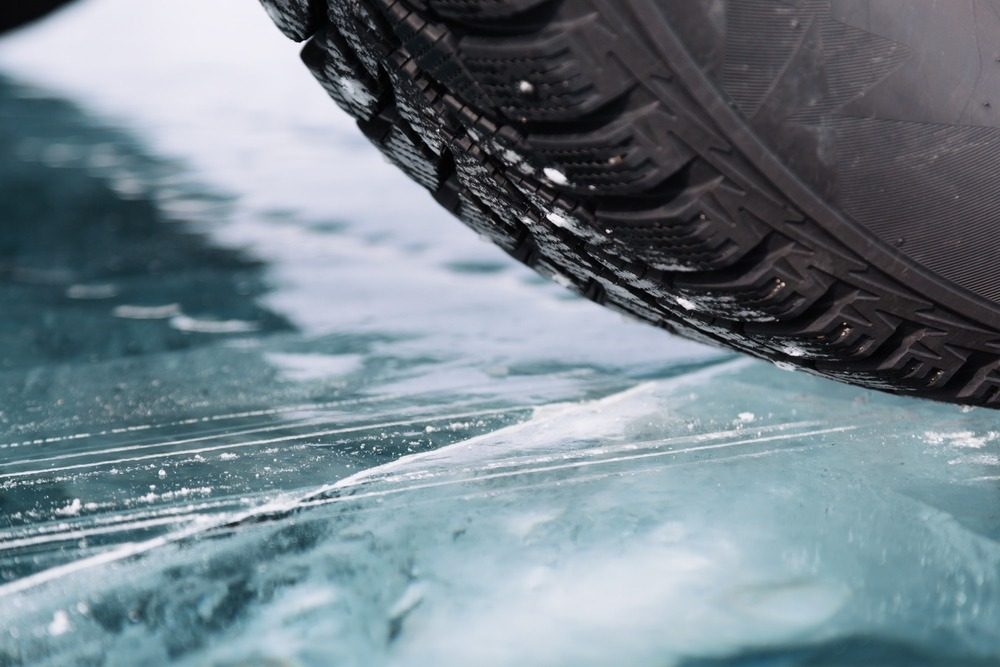
- During the cold season, choose winter or all-season tyres. These have wider grooves, designed to clear water or snow.
Adjust your driving in rainy weather
- Reduce your speed: this is the most effective way to avoid aquaplaning, as it increases the contact area with the road!
- Increase your safety distance. On a wet road, your braking distance is two to three times longer;
- Avoid large puddles as much as possible, or drive through them slowly;
- Follow the tracks left by vehicles ahead of you, where water or snow has already been dispersed;
- Slow down using engine braking, if possible, rather than braking abruptly;
- If you lose control, look at the point you want to go towards, not the point you're veering off to;
- Turn off cruise control in wet conditions.
Make sure you can see clearly
Wipers in good condition are essential for spotting puddles and hazardous areas in time. Check them before every rainy season and replace them if necessary. Likewise, don't forget to turn on your dipped headlights!
Who is liable in the event of an aquaplaning accident?
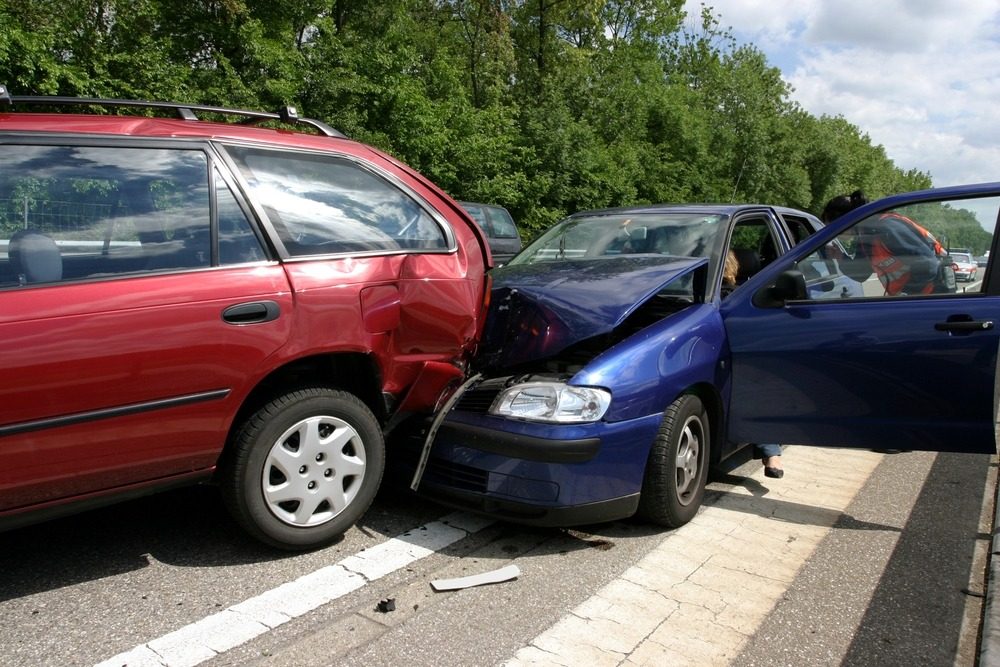
In the event of an accident caused by aquaplaning, the question of liability often comes up. Under the Highway Code, every driver is required to remain in control of their vehicle at all times and must adapt their driving to weather conditions.
As a result, even though aquaplaning is something that happens to a driver rather than something they do, the driver will generally be considered liable for the accident if they failed to take the necessary precautions (excessive speed, worn tyres, not keeping a safe following distance).
Aquaplaning insurance: are you covered?
When it comes to aquaplaning insurance, cover depends on your policy:
- Compulsory third-party liability insurance only covers damage caused to other people;
- Comprehensive ("omnium") insurance can compensate for damage to your own vehicle, even if you're at fault for an aquaplaning accident;
- Some all-accident damage cover policies include loss of control, but it's important to check the terms of your policy.
Check your cover carefully to find out whether you're properly protected in the event of an aquaplaning-related accident.
Roadside assistance, your ally when things go wrong
When faced with the hazards of the road and difficult weather conditions, being able to rely on reliable roadside assistance is essential. Whether you're dealing with an accident, a breakdown or any other technical problem caused by bad weather, Redion is by your side 24/7!
Motorcyclists, who are also exposed to the risk of aquaplaning, can rely on our standard assistance or our motorbike breakdown assistance, which offers specific, tailored protection.
In the event of an emergency on the road, also remember to download the Redion mobile app!
FAQ - All your questions about aquaplaning
Aquaplaning can happen from as low as 80 km/h on a very wet road, but the risk increases considerably above 90-100 km/h. The faster you drive, the less time your tyres have to clear the water. That's why speed limits are lowered in rainy weather.
First published: 12/2018 - Updated: 12/2025