At a glance
Since mobile phones are targets for hackers, is antivirus software useful for a smartphone? What about for a tablet?
Mobile phones are targets for hackers. So, is antivirus software useful for a smartphone? And for a tablet too?
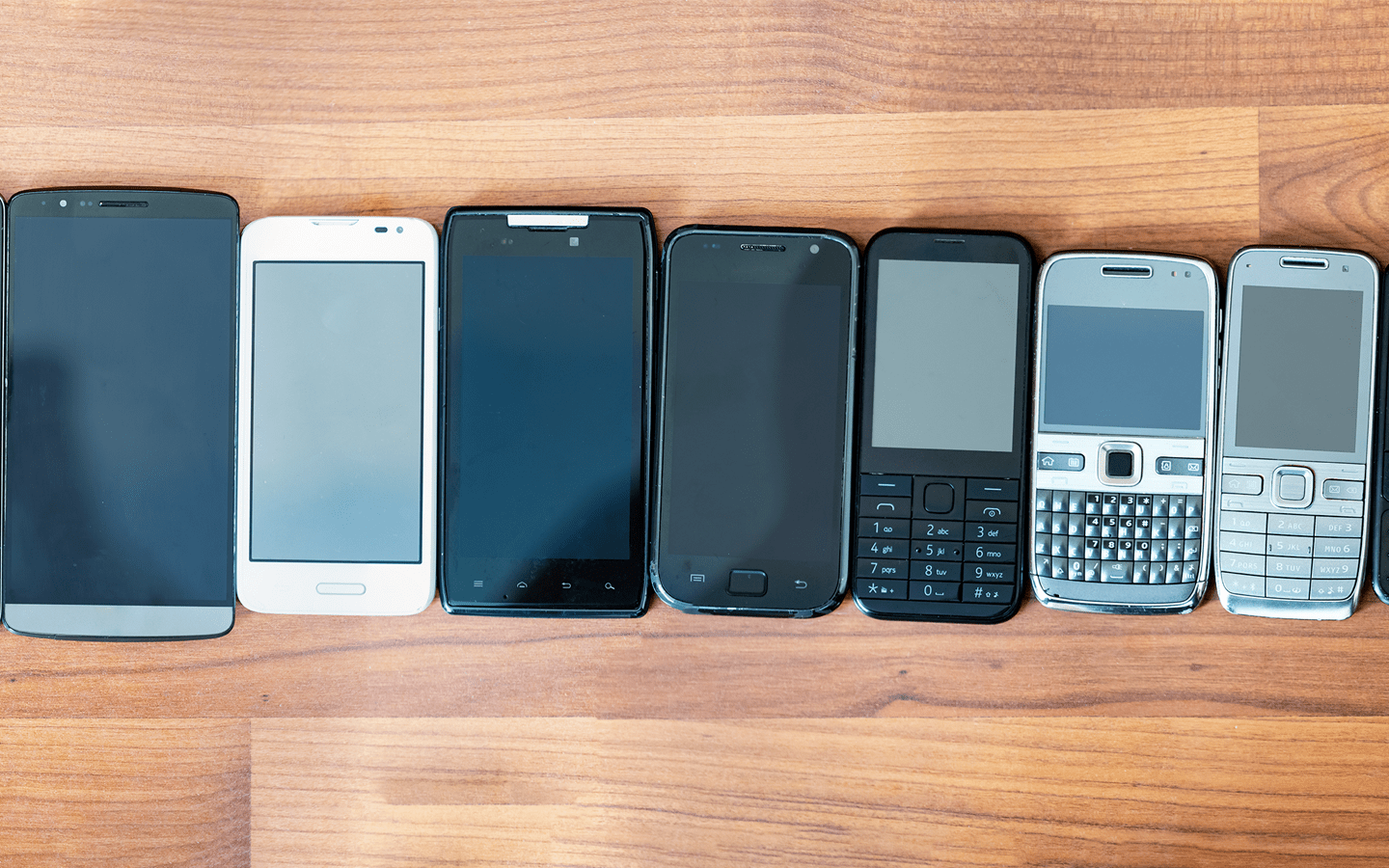
According to a Hootsuite/We Are Social study, out of 5h09 spent online each day, Belgians aged 18-64 use their smartphone for 1h55. Across all age groups, 93% of the Belgian population has a smartphone and/or a tablet. Hackers are well aware of this.
Every year, reports show us that hacker attacks on smartphones are evolving. In 2016, Nokia reported that nearly 1% of its phones had been hacked, noting an 83% jump in cyberattacks. In 2018, antivirus software publisher Kaspersky Lab claimed that the number of attacks on mobile had doubled in a year.
It's therefore necessary to protect yourself against these hackers. But how? Is antivirus software for smartphones the answer to all these problems?
Antivirus for smartphones: the positives
 Antivirus software for smartphones protects your mobile phone from external attacks, that's a fact. Whether paid, freemium or free, it scans your smartphone for viruses, identity theft attempts or data theft.
Like antivirus software used on PCs, it offers third-party options: VPN connection, Wi-Fi network scanning, location mode locking... These options often come at a cost, but they provide a smoother browsing experience and full protection.
Antivirus becomes necessary as a smartphone ages
An ageing smartphone is more likely to be vulnerable to attacks. As we keep stressing in our articles, updating is essential to keep devices well protected. Except that, after a certain point, manufacturers neglect updates for older devices.
Antivirus software for smartphones therefore becomes more than necessary once your phone is over three years old. It helps make up for missing updates and maintain an optimal level of protection.
Antivirus for smartphones: the negatives
Even though free antivirus apps offer good protection, they'll always push you to accept paid options. The downside here is therefore your experience with the software, which, over time, could spam you with notifications and ads.
Another downside of antivirus software for smartphones is the space it takes up on your phone and the energy it consumes. And this gets worse when the antivirus updates in the background. Your battery and your phone's speed can suffer as a result. Antivirus software can also cause your phone to overheat!
Should you install antivirus software on an iPhone?
Apple smartphones have this particularity: they work in a "closed environment". All apps launched on an iPhone run in a sandbox, a locked environment that blocks outside interactions.
Antivirus software therefore isn't necessary for iPhone. Since 2015, Apple has even banned antivirus apps from its App Store. But nothing stops you from downloading protection aids (VPN, password vault, Wi-Fi scanning), to ensure constant protection.
Antivirus for tablets?
 As with smartphones, antivirus software for tablets is perfectly useful and recommended. These connected devices run just as much risk of being attacked by hackers.
We still need to distinguish between Apple and other manufacturers.
Antivirus for iPad
There's no antivirus software available on the App Store. In fact, Apple's policy bans this kind of software. You'll certainly find apps that help secure your browsing, but that's it.
Apple considers its operating system sufficiently protected against traditional viruses thanks to impressively thorough security monitoring: numerous updates are rolled out to secure your environment.
That said, this doesn't mean your system is 100% secure. You can still open a fraudulent email and be exposed to a data extortion attempt. As with all connected devices, it's useful to adopt the right habits, as we explained in our article on secure remote working.
Antivirus for Windows and Android tablets
Many tablets run on Windows or Android systems. That's a perfect target for hackers! Antivirus software for tablets is therefore essential. The big advantage of tablets running Windows 10 is that you can download standard antivirus software, just like on a PC.
For tablets running Android, always prefer the official Google Play store. The software offered has already gone through numerous verification steps to ensure its safety.
In any case, pay attention to the impact antivirus software will have on your tablet. Some tablets quickly get overloaded and can't handle software that's too resource-intensive. Also download updates regularly!
In summary...
Antivirus software for smartphones and antivirus software for tablets are useful software, only for Windows or Android users. For iPhone or iPad, Apple guarantees such a level of protection that you won't find any antivirus software to download.
Let's also remember that this software, while ensuring your security, can weigh on your battery consumption and on your device's operating speed.
Even if you have antivirus software on your smartphone, don't forget good protection habits:
- a secure password,
- regular updates,
- constant attention to any ambiguous messages you might receive.
Has your personal information on your smartphone been hacked?
Find out how to react to the theft of personal data!\
Article written in collaboration with We are the Words.