CUBA
Capital: Havana
Language: Spanish
Currency: Cuban peso. Since 2004, all cash transactions have been made in convertible Cuban pesos (CUC). Its conversion rate is fixed against the USD. 1 CUC = ± 1 USD.
Tourist Office:visitcuba.com
Did you know? The “Mojito” cocktail was created in Cuba. La Bodeguita del Medio is the bar where the cocktail made from rum, lime, sugar and mint was invented. The Mojito has been enjoyed since the 1940s by great writers such as Hemingway.
Are you travelling to Cuba? Here are a few useful tips:
Travel documents and customs formalities
If you buy a plane ticket through a travel agency, it will generally handle the visa formalities for you. If you apply on your own, you must go to the Cuban embassy or the visa office in Belgium with a valid passport. The travel visa is valid for 30 days and can be extended to 60 days by paying a fee to the local authorities in Cuba.
You will also be asked for a certificate proving that you have travel insurance cover. You can obtain this via the Redion website's customer area or by contacting customer service.
You must declare any import of more than 5,000 US dollars in foreign currency. If you fail to do so, you risk having the amount above this sum confiscated. Your suitcase may contain personal belongings worth a maximum of 1,000 US dollars. If you wish to bring Cuban cigars into Belgium, the maximum number is 23 without proof of purchase.
Always ask for a receipt for any purchase or activity booking, particularly for higher-risk activities (such as sports and water sports) for which insurance has been taken out. Credit card use is limited to state-run hotels and restaurants, which excludes private restaurants known as “paladares”. All credit card transactions are subject to a surcharge of around 3% of the total transaction value. Travelling with cash is recommended, especially in euros, which has a more favourable exchange rate than the US dollar.
The healthcare system in Cuba
Hospitals and healthcare facilities located outside Havana do not meet European standards. Bring enough of any medication you need, especially when travelling outside Havana. There is no compulsory vaccination for tourists visiting Cuba.
Safety in Cuba
Cuba is not a dangerous country, but petty crime has increased considerably there in recent years, especially in Havana and other major cities. Increased vigilance is recommended, both in and outside the cities. Avoid travelling at night. In urban centres and busy areas, it's best not to wear jewellery or carry other valuables. Be careful when renting a car or motorbike, as Cuba's road network is in very poor condition.
Which travel insurance should I choose for a trip to Cuba?
At Redion, you can take out either temporary or annual travel insurance.
All travel insurance policies include the following benefits:
- Reimbursement of medical expenses
- Organisation of, and assistance with, your repatriation and that of your travelling companions if necessary
- Early return in the event of hospitalisation or death of a relative in Belgium
- Assistance in case of lost documents
If you only travel abroad once a year, temporary travel insurance may be useful. If you travel several times a year, annual travel insurance will be the more cost-effective option.
Climate and religion
Cuba's climate is characterised by high humidity and mild temperatures throughout the year. However, tropical rains and cyclones can occur from June to November. Check weather conditions before you leave and during your stay on the island.
Most of Cuba's population is Catholic, but animist beliefs are also practised there.
Cuban cuisine
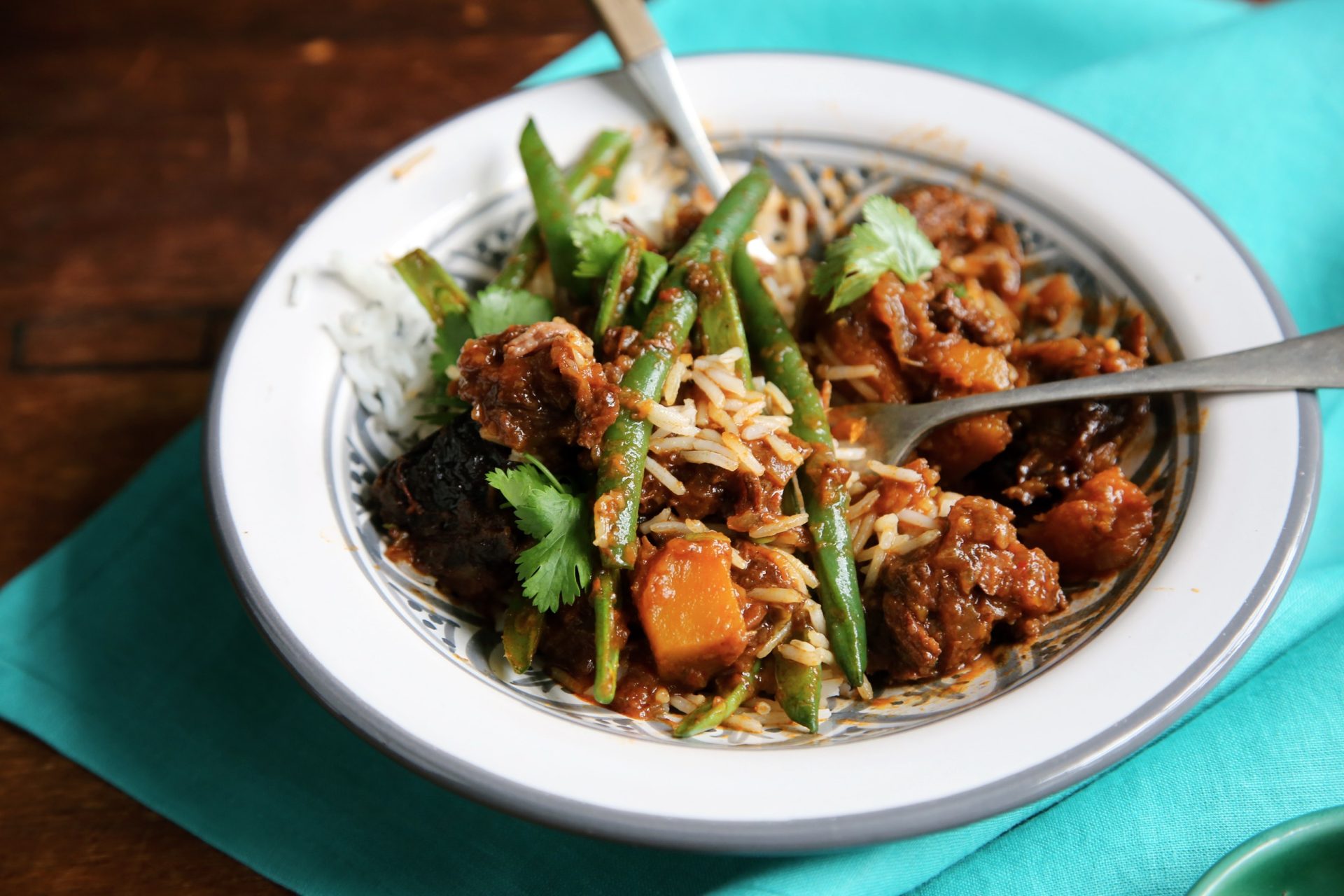
Cuban cuisine is characterised by Creole cooking, a blend of African and Spanish traditions. Stop for lunch or dinner at a “paladar” or at one of the many restaurants Cuba has to offer. Start with a classic Cuban sandwich or an “Ajiaco” soup, and for your main course, try a tasty “Arroz” with rice, fried chicken or beans.