At a glance
Discover what ecotourism is and how you can experience nature in an enjoyable and respectful way during your trip.
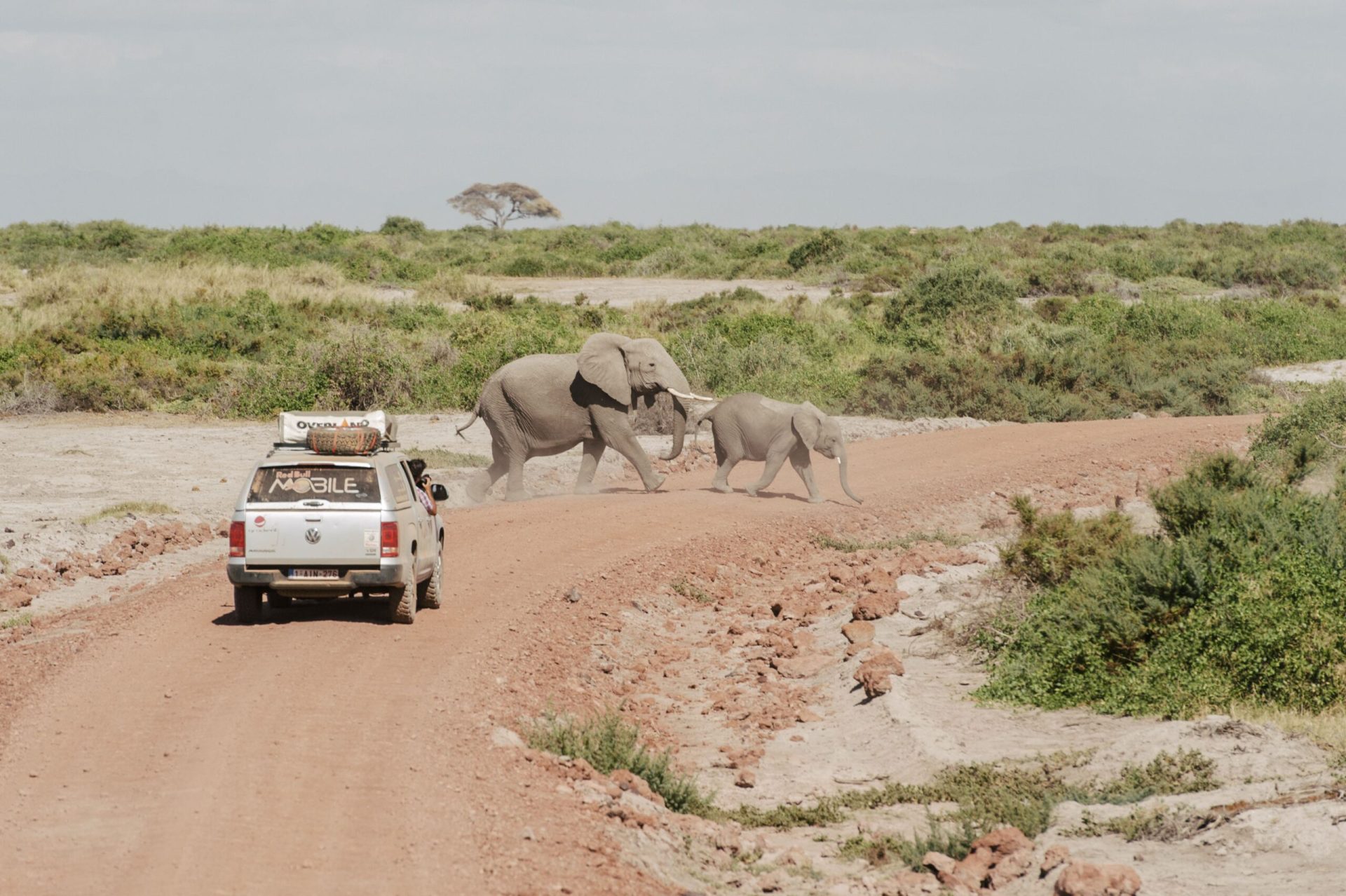
More and more people want to travel while respecting the environment and biodiversity. Ecotourism is a wonderful way to discover magnificent landscapes, meet local cultures and protect the environment. It's a slower, more mindful and above all more respectful form of tourism.
In this article, we explain:
- what ecotourism is. It combines immersion in nature with active protection of the environment. Travelers support the preservation of fragile ecosystems.
- which destinations are best suited to it. From local national parks to tropical forests, sustainable experiences are possible all over the world. Local populations benefit from fair working conditions.
- how to recognize serious providers. Look for certified offers, nature-friendly accommodation and qualified guides who know the local culture and ecology well.
- how to adopt sustainable behavior while traveling. Respect nature, use eco-friendly equipment and adopt responsible practices.
What is ecotourism?
Ecotourism lets you travel while putting nature and people at the heart of the experience. This form of tourism rests on three main principles:
- Respect for nature: you visit preserved or protected places without damaging them.
- Support for local populations: you choose accommodation and activities that benefit residents or the local economy.
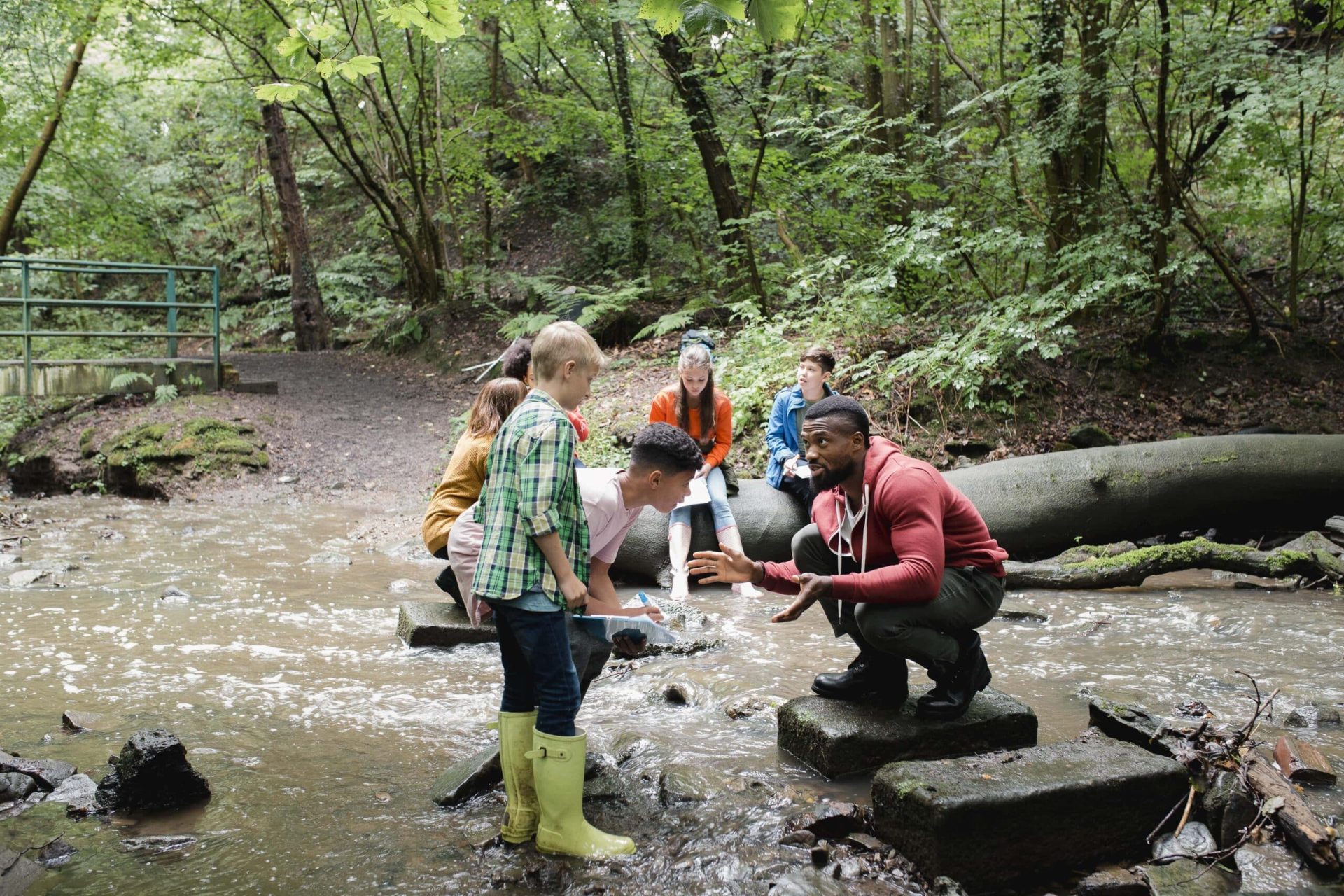
- Awareness-raising: you learn to better understand ecosystems and environmental issues.
This type of trip is often offered in small groups, with passionate guides, in places such as national parks, nature reserves or remote and picturesque villages.
Where can you go for an eco-responsible trip?
You don't need to travel to the other side of the world to have a sustainable adventure. Every country offers a wealth of possibilities. Here are a few examples, for information:
In Belgium
- The Zwin: a nature reserve in the Scheldt estuary, a resting area for a large number of birds.
- The High Fens (Hautes Fagnes): Belgium's largest state-owned nature reserve.
In Europe
- Germany: Bavarian Forest National Park. Go hiking in an ancient forest and spot rare animals such as the lynx.
- Netherlands: the Wadden Sea. Discover this unique ecosystem on guided walks at low tide.
- Fuerteventura (Canary Islands): visit sea turtle protection centers and discover how the island manages water sustainably.
- Norway: the concept of "Slow Travel" invites you to take your time, stay in eco-friendly cabins and get around without a car.
Outside Europe
- Costa Rica: a pioneer of ecotourism, with protected parks and trained guides.
- Brazilian Amazon: stay in ecolodges run by indigenous communities.
- Galápagos Islands (Ecuador): explore a unique archipelago with strict rules to preserve biodiversity.
How can you travel in an eco-responsible way?
Here are a few simple tips to make your trip more respectful:
-
Choose the right providers - Favor certified agencies - Check that they work with local nature protection projects. - Prefer well-trained local guides.
-
Select eco-friendly accommodation - Opt for ecolodges built with local materials or hotels with an eco-label. - Check whether renewable energy is used (solar, wind). - Make sure water is well managed and waste is treated responsibly.
-
Adopt respectful behavior - Choose eco-friendly means of transport (walking, cycling, train…). - Stay on marked trails. - Be discreet and respect the peace and quiet of nature. - Don't touch wild animals, don't feed them, don't disturb them. - Don't leave any waste behind (not even an apple core!). - Use biodegradable products and avoid single-use containers.
-
Prepare your gear - Bring binoculars and field guides for local wildlife and plants. - Use reusable water bottles and durable accessories. - For swimming or diving: choose a sunscreen without harmful ingredients.
The benefits and limits of ecotourism
 The benefits of ecotourism
- Protecting nature: ecotourism revenue often funds (local) conservation or protection projects.
- Supporting communities: creating local jobs, valuing traditional knowledge.
- An enriching experience: travelers come home with a better understanding of the environment.
The limits of ecotourism
- Some places can fall victim to overtourism or mass tourism.
- Local infrastructure can then become overwhelmed.
- Prices are sometimes higher (small groups, remote accommodation).
Practicing ecotourism means traveling differently: more slowly, more mindfully, and with more respect. It's a wonderful way to discover the world while protecting it.