At a glance
Heading off to discover Cape Verde? Practical info, climate, activities and tips to make the most of your stay.
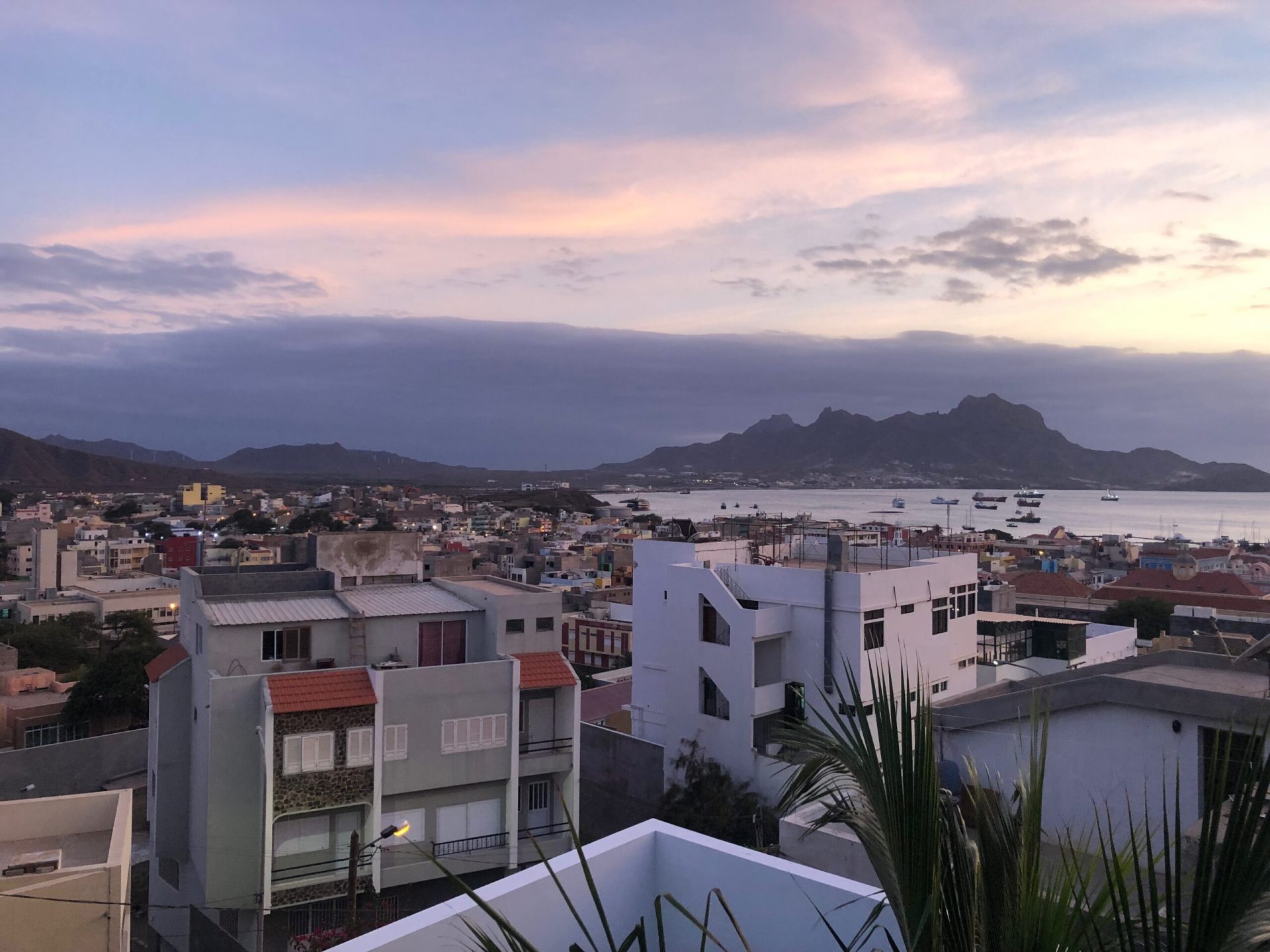
Mindelo
Dreaming of visiting lush, charming islands?
Nicolas, an employee at Redion, had the chance to travel around Cape Verde. He shares his memories and tips with us.
" Cape Verde (Cabo Verde) is an island nation made up of 10 volcanic islands, located west of Senegal. Some islands like Boa Vista and Sal are more touristy than others and are full of luxury hotels where you can enjoy an "all-inclusive" stay. The islands that attract fewer tourists offer a truly different experience.
I got to visit three islands:
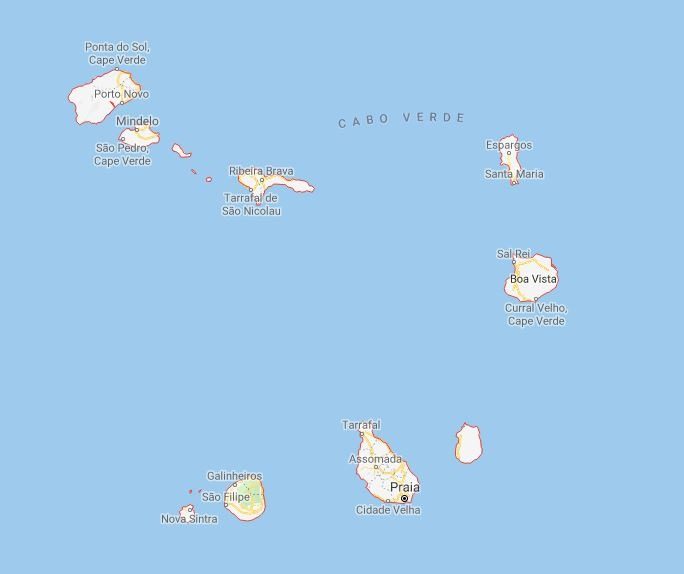
- Santiago: The island where the capital, Praia, is located. It's Cape Verde's economic centre, but it's not the most exciting island despite a few very beautiful beaches in the north.
- Santo Antão: A mountainous island renowned for its magnificent treks. The scenery is lush and the landscapes breathtaking. Paul Valley was one of my favourite spots during the trip. You can also sample rum (called Grogue) there, as the island is full of sugar cane plantations, so small distilleries are plentiful.
- Sao Vicente: An extremely popular island thanks to its cultural capital, Mindelo, which has a festive character found nowhere else in Cape Verde. The atmosphere is truly exceptional, and you can vibe to Cape Verdean music, day and night, in a bar, a restaurant, or simply on the street.
The national motto is "NO STRESS". People here are relaxed, so don't be surprised if you have to wait a long time before your meal arrives at a restaurant. In Cape Verde, people are extremely laid-back and don't like pressure.
And besides, why be in a rush when you're on holiday? The best way to adapt and have a great holiday is to copy their way of life and be "chill". Don't hesitate to call out "Bom Día" to everyone either - people are very welcoming and generally so open that they greet every tourist walking past their home.
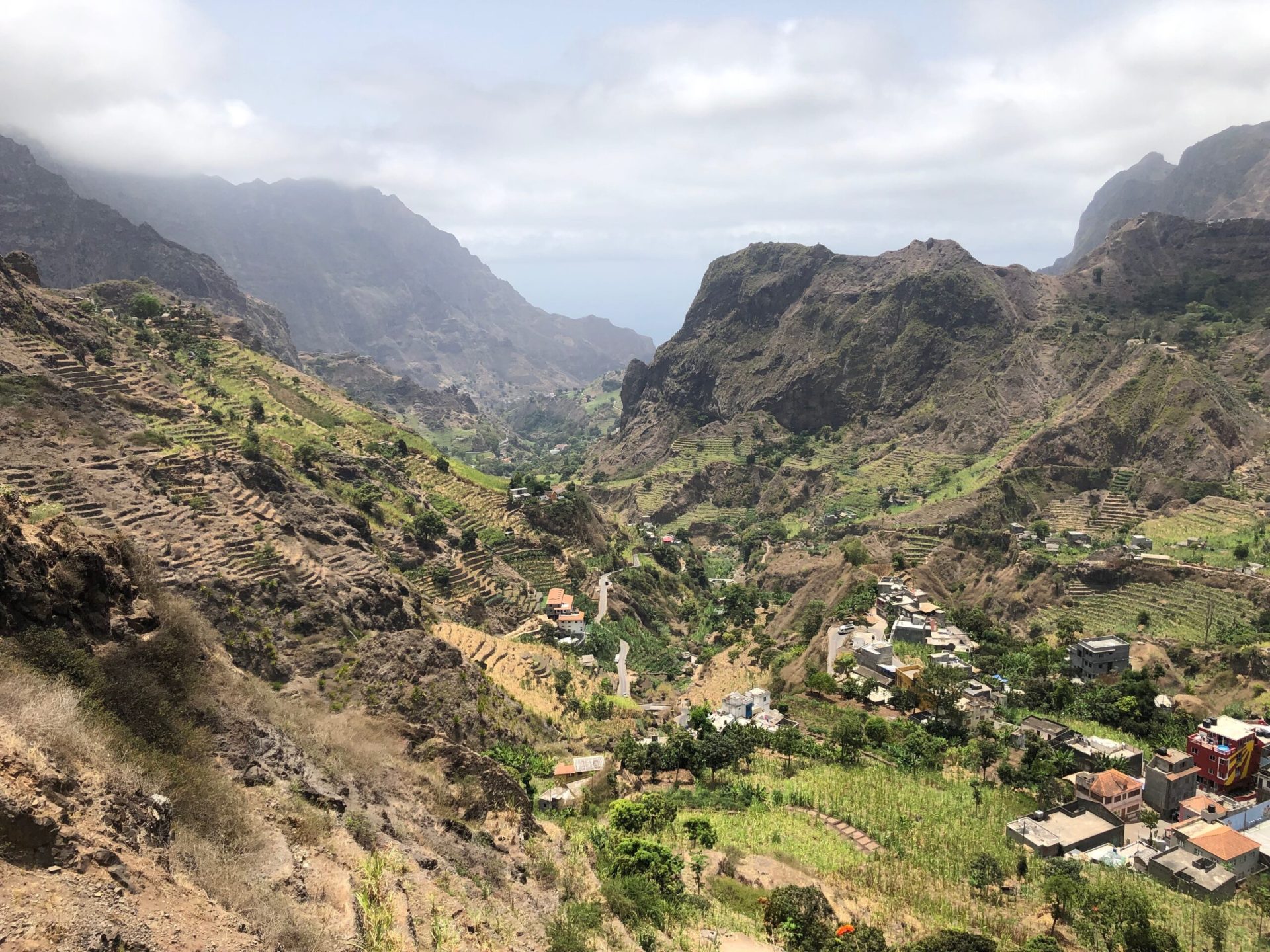
Paul Valley
The currency
The local currency is the Cape Verdean escudo (CVE). €1 = approximately 110 CVE.
Be prepared: on some islands, ATMs aren't easy to find and withdrawal limits are set at 20,000 CVE (approximately €190). You'll easily find withdrawal points in luxury hotels, ports, or in the centre of larger towns. It's important to carry cash with you, as many restaurants, guesthouses and shops only accept cash payments.
The language
As Cape Verde is a former Portuguese colony, Portuguese is the main language. You may also come across locals who speak French, since it's taught in schools there. If you don't speak Portuguese, you can try Spanish, French or even English - it all depends on who you're talking to. In more remote areas, it's often Creole that's used, and there you'll have a bit more trouble making yourself understood. Sign language will come in handy then! :-)
The climate
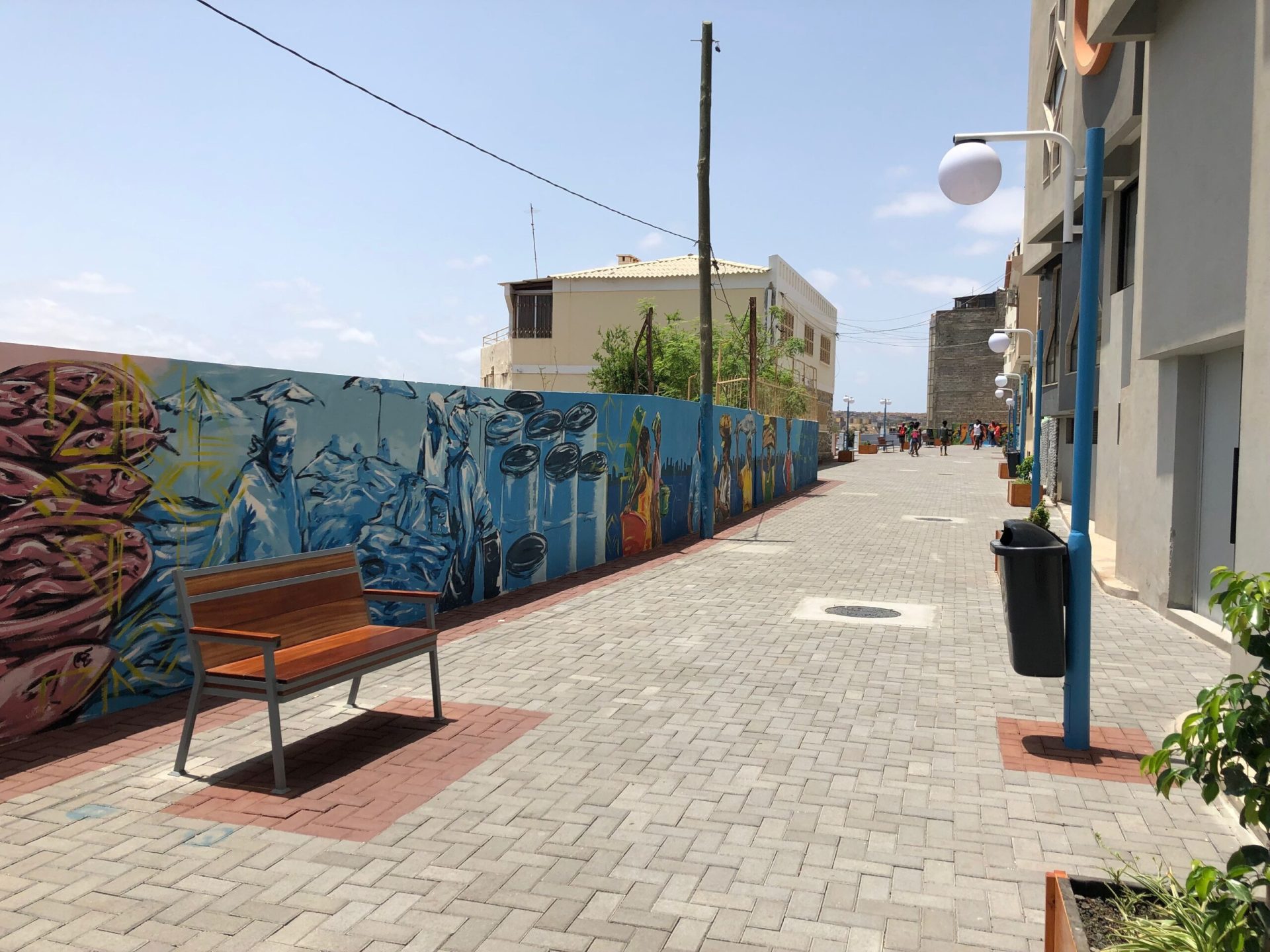
Praia
Cape Verde enjoys a tropical climate. Temperatures are therefore high: between 20 and 30°C throughout the year. I went there myself at the beginning of July, just before the start of the rainy season, which runs from August to October. It's therefore ideal to visit between May and July. Locals also told me that many travellers choose to visit right after the rainy season, in November. That's when nature is said to be at its most lush and the Cape Verde archipelago lives up to its name best.
Food
Cape Verdean cuisine involves a huge amount of fish: mackerel, octopus, grouper... There's plenty of choice. The national dish is cachupa! It's a kind of stew that mixes corn, beans, broad beans and onions. Cachupa can be served in various ways: with fish, chorizo, or even both. Be careful, it's very filling. I had it for lunch and wasn't hungry again until the next day!
As explained above, rum is produced abundantly in Cape Verde thanks to the large quantity of sugar cane grown on the island. Don't hesitate to ask locals to visit one of the distilleries. They'll be happy to show you the production process.
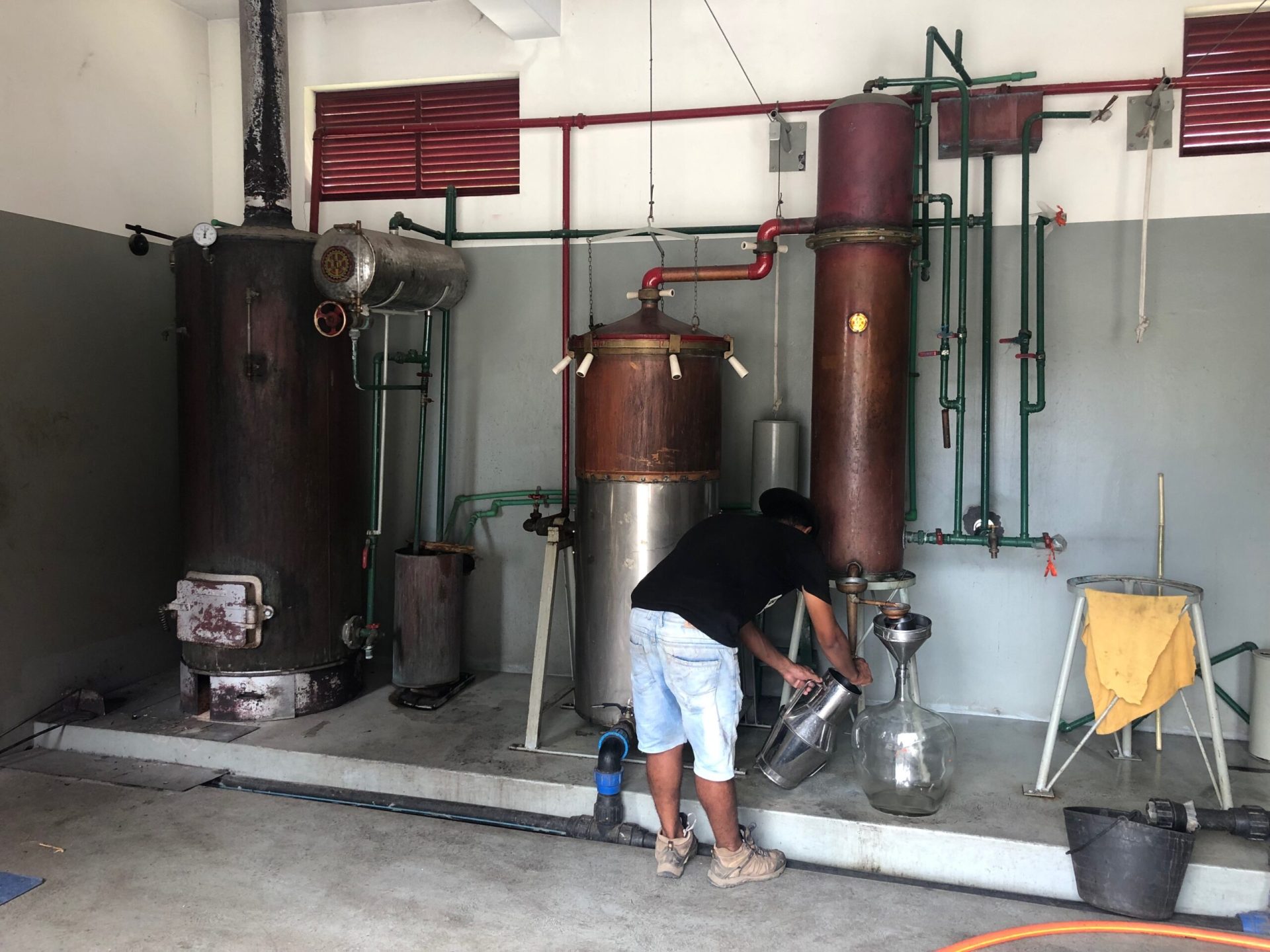
Rum distillery
Be careful, tap water is not drinkable. Make sure you drink bottled water. The most cautious travellers even brush their teeth with bottled water.
If you'd like to leave a tip at a restaurant, it won't be frowned upon, but it's not compulsory.
Vaccinations
No vaccination is compulsory to travel to Cape Verde. Only people transiting via Dakar must have a yellow fever vaccination, as it's compulsory in Senegal. Nevertheless, make sure your basic vaccinations are up to date.
If you plan to travel by ferry, don't forget some medication for seasickness. I mentioned this above, but really be careful to drink from sealed water bottles. Tap water isn't drinkable on the islands and you risk some stomach trouble (or worse!) if you don't take the necessary precautions.
Passport and visa
You need a passport valid for at least 6 months from your return date. A visa isn't necessary, but you'll have to pay a tax (which replaces the visa) when you arrive at the airport in Cape Verde. This tax is around €30.
You can also register online in advance and pay an airport security surcharge via http://www.ease.gov.cv/, for a stay of up to 30 days, no later than 5 days before departure.
For more information: http://files.zetesft.com/images/desdobraveisEN.pdf,
http://www.consulatducapvert.com/formalites.html and
http://www.conscv.nl/pt/servicos-consulares/vistos-visa.
Don't forget to register your trip on Travellers Online.
Getting around locally
Travelling from island to island is done either by plane or by boat, depending on the distance to cover. The boat is relatively cheap, a ticket costs 800 ECV for a one-way trip.
To get around in town, you can choose between the bus or taxis. Taxis aren't very expensive. Expect to pay between 150 and 250 ECV for a short trip. The price will depend on the time you take the taxi. Don't be surprised if the car you get into doesn't have a meter - that's quite common. To get to or from the airport, expect to pay around 1,000 ECV by taxi.
On the island of Santo Antão, you can take the 'collectivo', a public minibus that drops you off pretty much wherever you want for a very fair price.
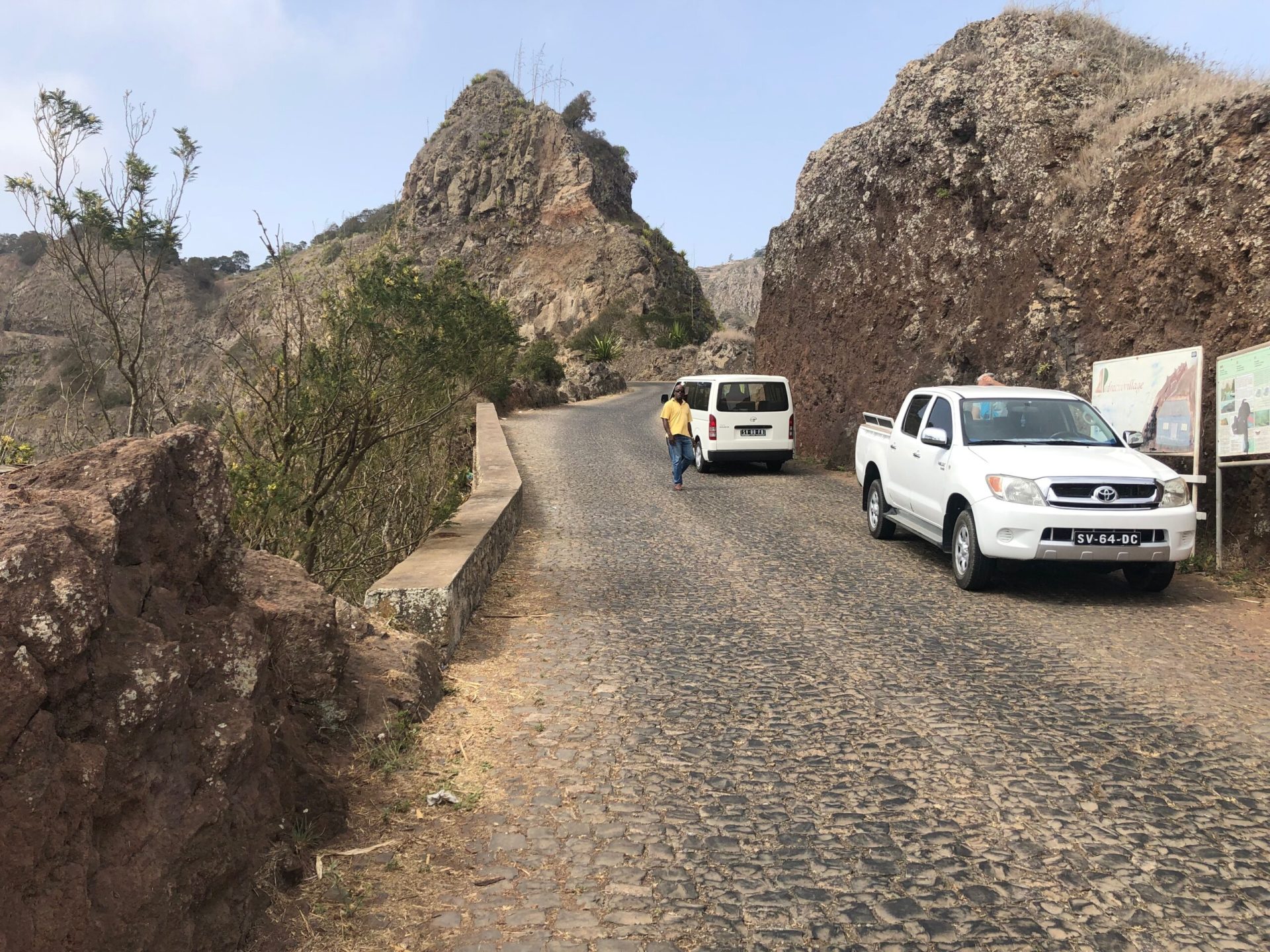
"collectivo"
Cost of living
Once there, you'll quickly notice that prices are quite low. The cost of living is adapted to Cape Verdean workers' wages. As the average monthly salary is €225, don't be surprised if you leave a local restaurant after a full meal with a bill of only €20. Of course, the more touristy the location, the higher the bill will be.
The same goes for accommodation. I booked apartments on Booking for around €40 a night for 4 people - a very reasonable price. Obviously, if you go on an adventure to Cape Verde (booking as much as possible yourself), your flight will eat up the biggest part of your budget. The price of the flight from Brussels to Praia (with Tap Air Portugal) also varies a lot depending on when you book. In my case, I paid €550 by booking just over 2 months in advance.
Whatever the case, for a 14-day trip to Cape Verde, budget around €1,500 per person if you make your own bookings. This budget will naturally vary depending on how you get around locally: plane/boat to travel between islands, food cravings, sports activities... To give you an idea, with this budget I was able to book a return flight from the island of Santiago to the island of Sao Vicente, as well as a return ferry to travel between Sao Vicente and Santo Antão.
A guaranteed change of scenery and sense of wonder
You've probably understood by now - choosing Cape Verde as your next travel destination is really an experience I'd recommend. You'll be amazed by the locals' way of life as well as by the landscapes around you. Exploring it is truly wonderful, as it's still not very touristy, and you'll be blown away by the scenery as well as by the kindness of the local population.
Nicolas »
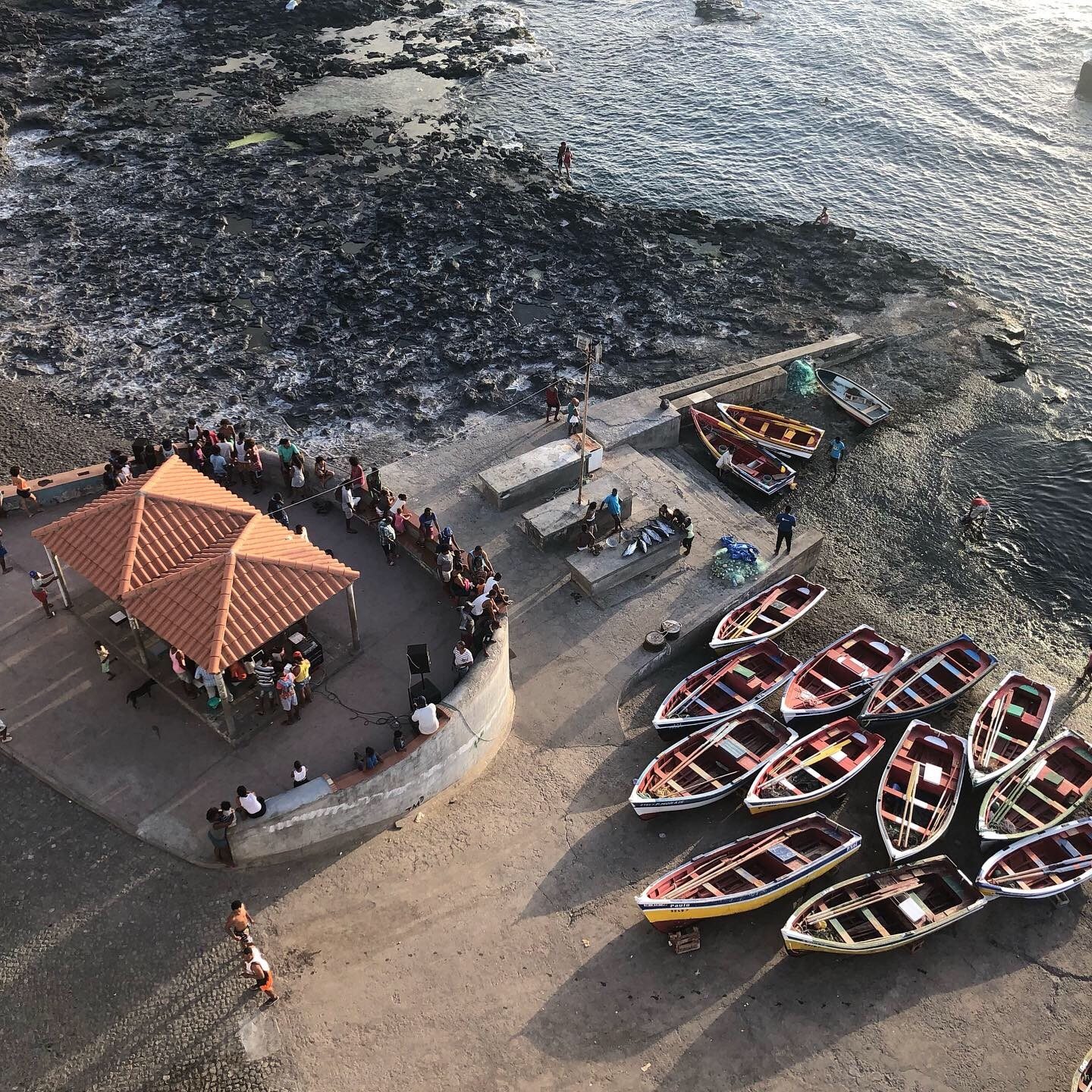
Ponta do Sol
Photos © Nicolas Lacroix