At a glance
Discover our tips for going on holiday with an electric vehicle and see what the situation is like in popular tourist countries
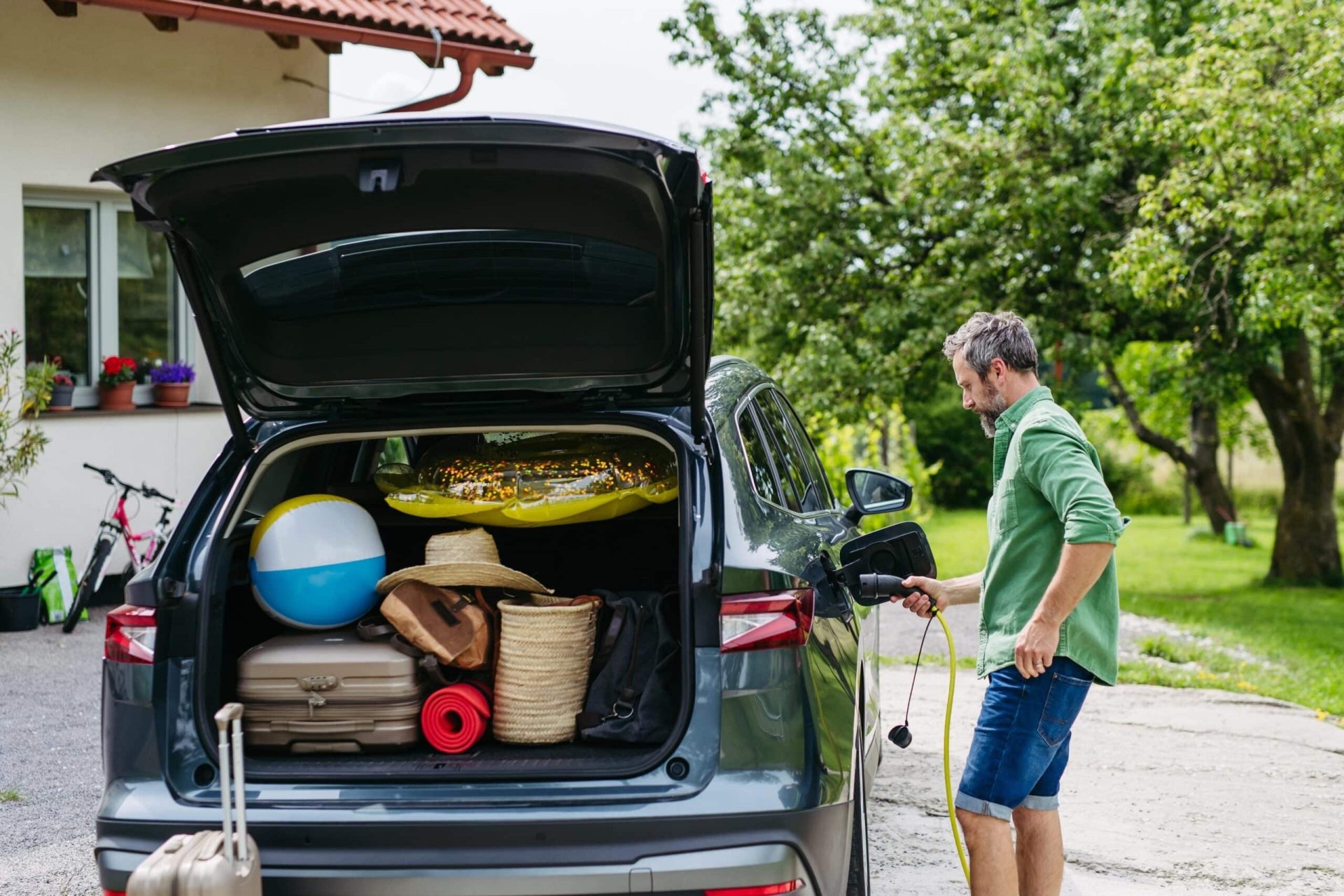
Are you going on holiday in an electric car? If so, we recommend planning your trip carefully, because there are still big differences between countries when it comes to charging points and payment methods. Good planning, the right charging cards and a few good tips will let you enjoy your holiday with peace of mind.
In this article, our blogger Alain Dierckx gives us:
- a few basic tips for going on holiday with an electric vehicle
- an overview of the current situation in the countries most visited by car by Belgians: France, Spain, Italy, the Netherlands, Germany, Portugal.
A few good tips for going on holiday with an electric vehicle
- Identify charging options before you leave: public charging points, but also private ones (for example at your hotel).
- Bring extra charging cards.
- Base your route on 80% of your vehicle's range to leave a margin for the unexpected, such as chargers out of service, a charger inaccessible at the hotel, etc.
- Use regenerative braking: by lightly pressing the brake pedal, you brake using the electric motor and recharge the battery as you drive. Don't forget to activate maximum regeneration mode before you set off.
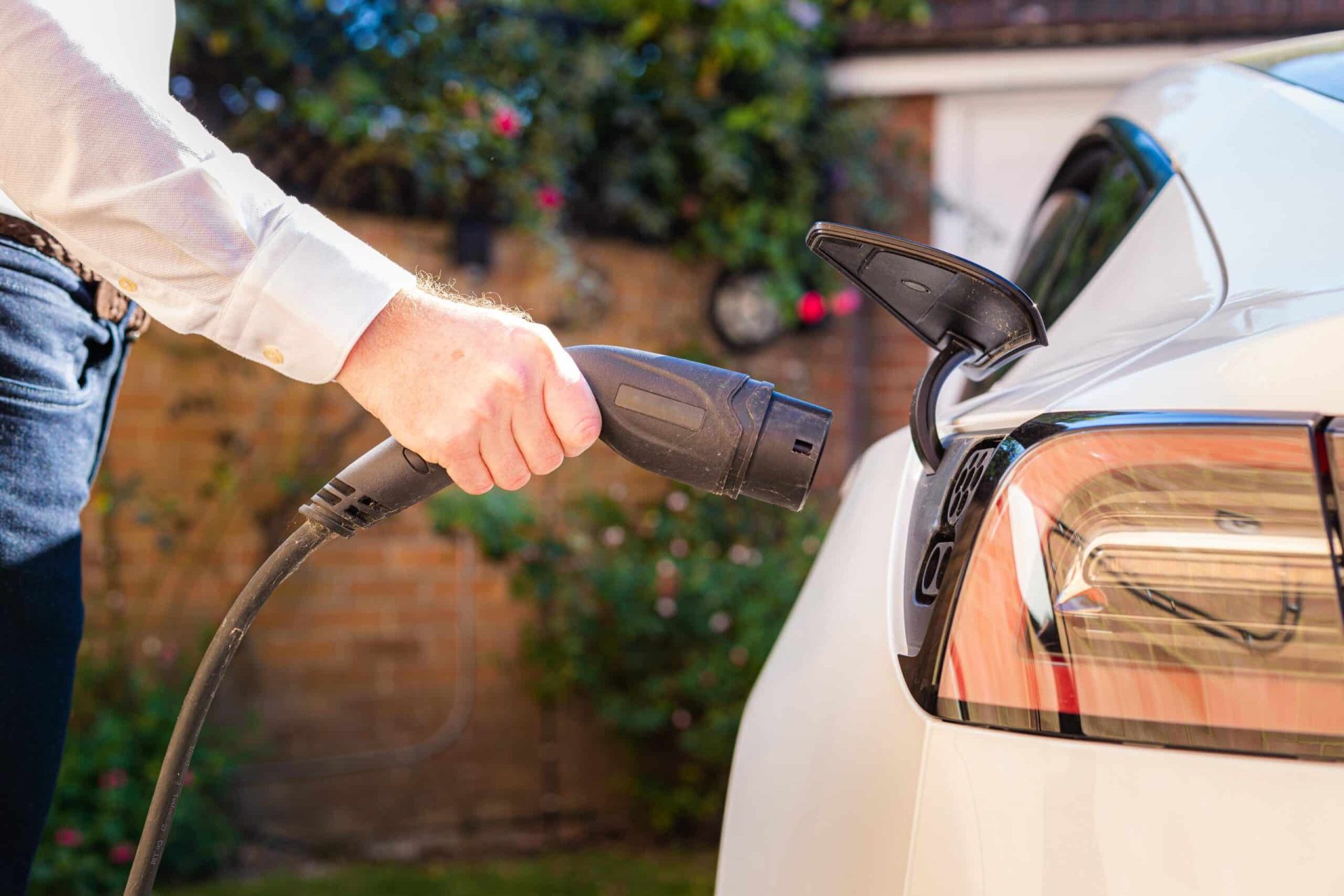
- Bring your home charging cable.
- Avoid roads prone to traffic jams. Favor secondary roads on busy travel days. Charging points there are also (slightly) less crowded.
- Keep a charged smartphone (with a spare charger) to use helpful apps.
- Buy an environmental sticker (mandatory even for electric vehicles).
- Take out a good roadside assistance contract.
Traveling abroad with an electric vehicle
Here's an overview of the charging infrastructure situation in the tourist countries most visited by Belgians (as of July 2025).
Visit https://blog.chargemap.com/fr to find a map of charging points.
Traveling by electric car in France
France has caught up and now has around 90,000 charging points, including 15,000 fast chargers. Be careful, during the holidays the motorways are very busy, especially on Saturdays, which can lead to queues at charging points.
Some chargers still use the old "3c" connector, which is incompatible with standard plugs. Fortunately, they are gradually being replaced with European standards (Mennekes Type 2 cable for AC charging, CCS or CHAdeMO for fast DC charging).
The cost of charging is around the European average, but can be higher at hotels or campsites. Check in advance.
Traveling by electric car in Spain
Spain has around 35,000 public charging points, including 13,000 fast chargers, mainly in cities and along motorways. The network is well developed along the tourist coasts, but more limited inland.
The Type 2 (Mennekes) cable is the standard, so there's no compatibility issue. Rates are relatively favorable, and some chargers are even free.
Traveling by electric car in Italy
Italy has around 50,000 public charging points, including 15,000 fast ones, mostly in the north. The south is less well served.
The cost of charging is higher than in most European countries. Idle/blocking time (the time the vehicle stays plugged in after charging) is also costly, especially at fast chargers. In addition, the power of local charging points is often limited, which lengthens charging time.
Note: on ferries, the battery can only be charged up to a maximum of 40%.
Traveling by electric car in the Netherlands
The Netherlands is the European champion of electric charging points, with 200,000 public charging points. There are around 5,500 fast chargers. Rates are also lower than in neighboring countries. A great example to follow.
Traveling by electric car in Germany
Germany has 84,000 charging points, including 19,000 fast ones. The network is highly developed and often underused, so there's little waiting. However, the cost of fast charging is higher than average.
Traveling by electric car in Portugal
The Portuguese network is still not very developed. Most charging points are located around Porto and Lisbon. In the north and the Algarve, they are rarer, which can lead to queues during the holidays.
The cable connector may differ from that of other countries. Always read the instructions on the charger or check the operator's website. Bring your home cable so you can charge from a regular outlet in an emergency.