At a glance
How do you choose a motorcycle helmet? What should you pay attention to? What types of helmets are available and at what prices? Here's an overview.
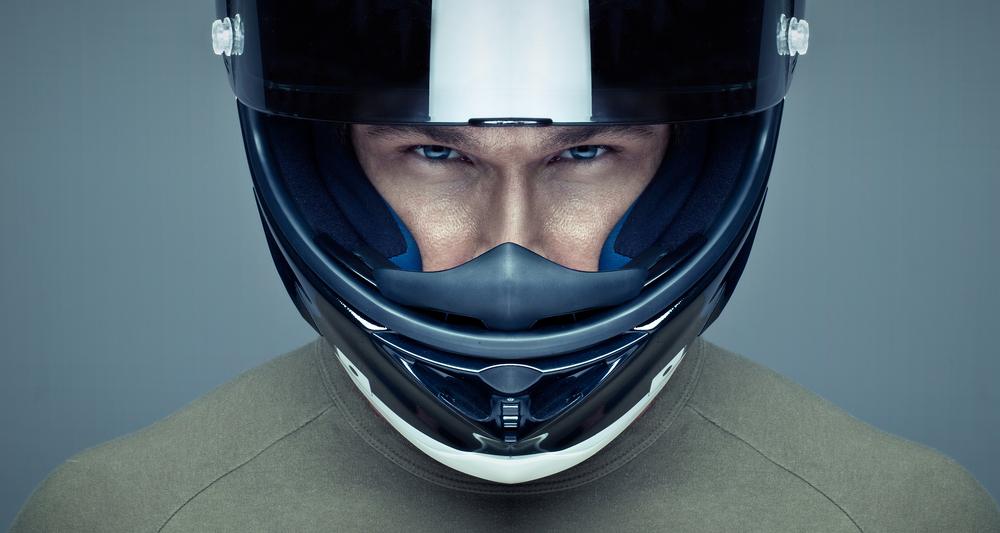 Serge, our Traffic Info biker, shares some explanations and advice for anyone looking to buy a motorcycle helmet.
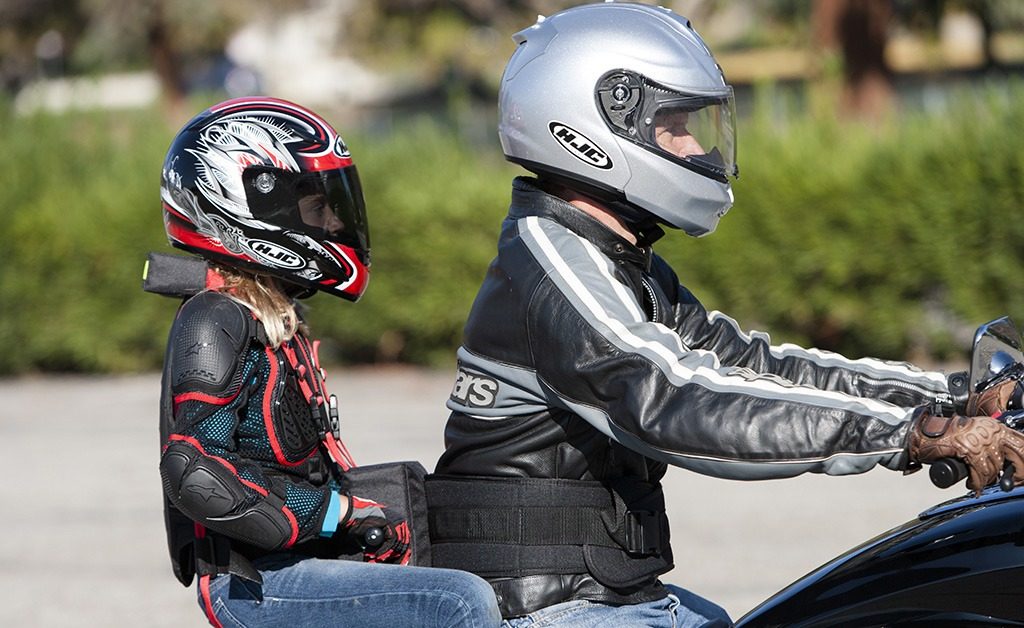
It goes without saying that the helmet is part of every biker's compulsory gear and is essential. It protects the head in the event of any impact. Choosing a good motorcycle helmet is therefore essential.
Here is some advice and points to keep in mind:
New helmet or second-hand helmet?
First of all, I strongly advise against buying a second-hand helmet. It may look fine on the outside but be damaged inside in ways you can't see. The foam lining inside may have been compressed following falls or accidents, and as a result the helmet loses its strength.
Approval / certification
All helmets sold in shops are certified (so watch out for some unscrupulous online sellers!).
The helmet must meet European standards. On the chin strap, you'll find a label showing the type of European ECE approval. The current standards are ECE 22-04 and ECE 22-05. In 2022, the ECE 22-06 standard will come into force. The standard number is followed by a P (protective) for full-face models. The letters PJ are used for models that are both "full-face" and "jet", allowing use in open or closed position. The letter J is used for jet models.
The materials
It's also important to find out about the material used in manufacturing: a Chinese plastic helmet (E13) will be of lower quality than a Japanese or European carbon one (E6). The former, for example, is likely to wear out faster simply due to sun exposure, especially if it isn't painted. In fact, it's not recommended to repaint it if it's made of plastic or if the paint contains solvent.
Polycarbonate helmets are the cheapest, but also the least reliable. They have an average lifespan of 4 to 5 years, after which they need to be replaced.
Fibreglass helmets are better, especially for absorbing impacts, but aren't part of the top range of products.
Tri-composite fibre helmets (fibreglass, kevlar and carbon fibre) are the most common.
Kevlar and carbon fibre helmets are the strongest and most resistant. They're mainly used for competitions and are among the most expensive.
The size
You need to try the helmet on before buying it to be sure of the size: it should be snug enough. It's better a little too tight than not tight enough, especially since it will loosen slightly over time. As with clothing, sizes range from XS to XXL.
Types of helmets
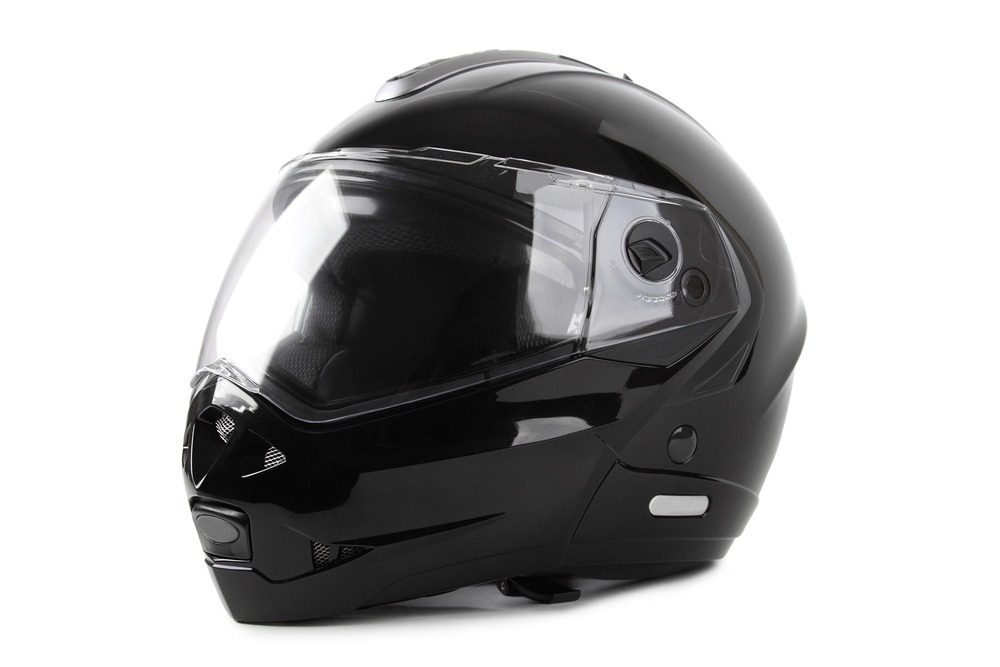
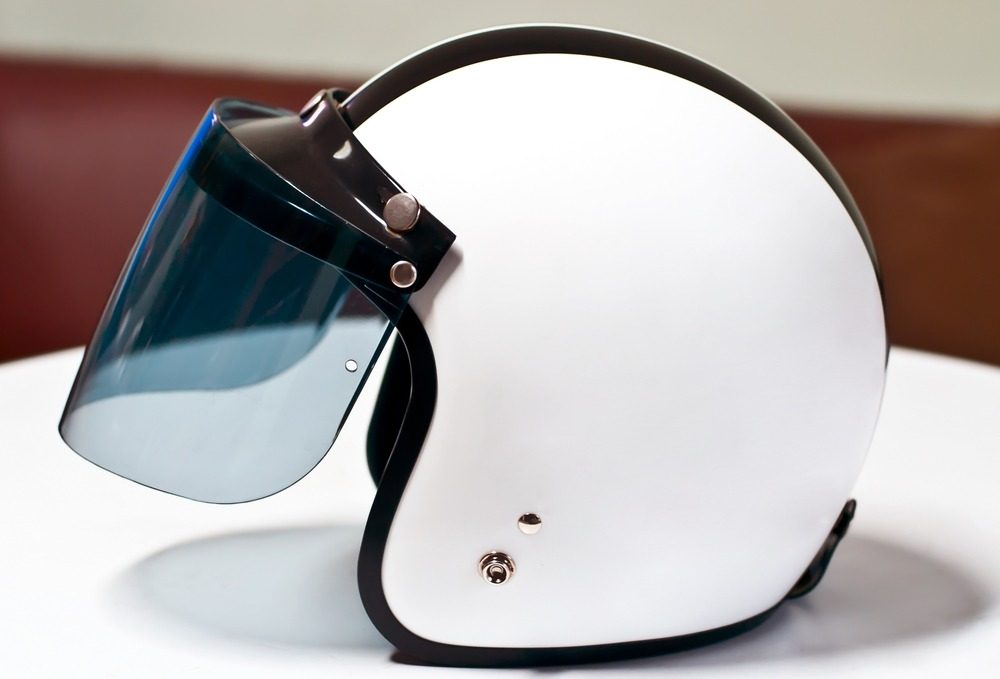
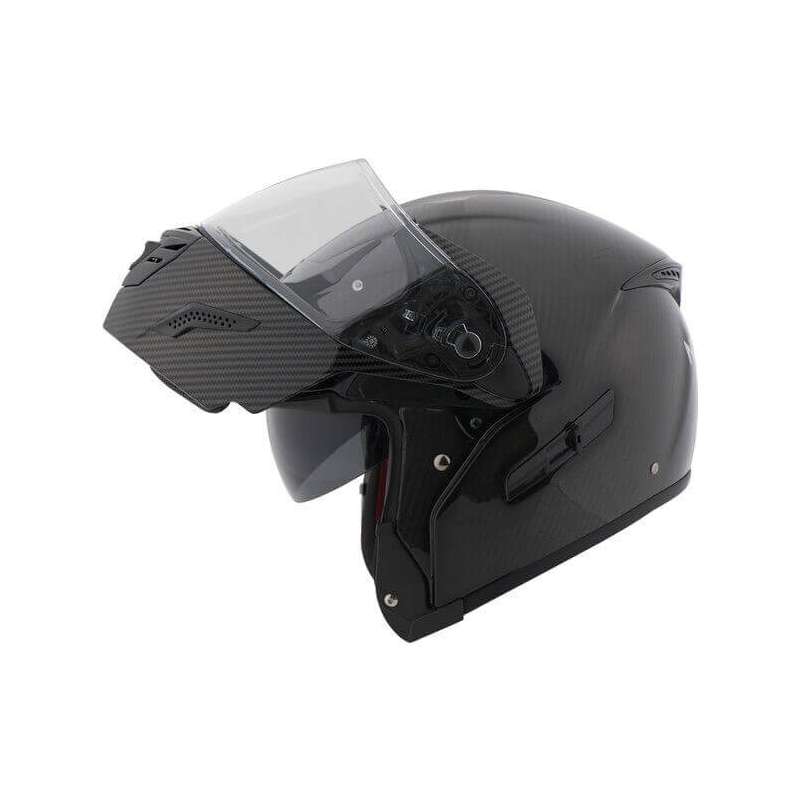
There are several kinds: for motocross, for the road, full-face, modular, etc.
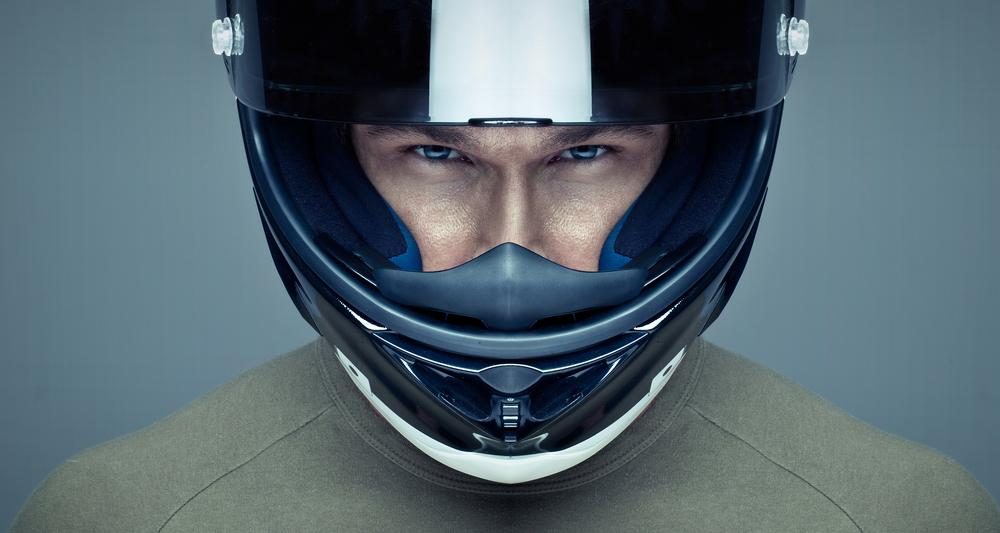
For use on the road, I personally recommend a modular full-face helmet. Full-face because it also protects the chin, and modular for better comfort when putting it on or taking it off. Be aware, however, that side visibility will be slightly reduced with a full-face helmet compared with a "jet" model.
Note that among modular helmets, some are approved for open use and others only for closed use. This means the latter must be closed while riding (see the paragraph above on certification).
The way the inner foam has been moulded also matters, especially for the helmet's lifespan: cold-pressed foam is recommended. It will be less sensitive to the acidity of sweat, among other things.
What price?
And finally, the price. It can range from around a hundred euros to 700 or 800 euros. The difference lies mainly in the material the shell is made of, but also in the inner foam and the ventilation.
Personally, I've opted for a fairly expensive brand that doesn't necessarily need replacing every 4 or 5 years, unlike a cheaper helmet.
Before you set off…
Don't forget to fasten the strap. Protection will be non-existent if it's left undone. In the event of an accident, you'll lose your helmet before your head even hits the ground. It's just like a car seatbelt: if it's not buckled, it's useless!
For more details and advice, don't hesitate to visit real professionals.
Choosing the right helmet
The helmet you choose should therefore:
- be certified;
- protect the top of the head starting from the eyebrows;
- be comfortable but well fitted. It should not be able to slip over your eyes and must stay firmly attached;
- allow you good peripheral vision and let you wear glasses;
- be visible, so preferably in a bright colour and/or fitted with reflective strips visible from all 4 sides.
One last piece of advice: your helmet must always be replaced after a violent impact, and above all never passed on to someone else.
Safe riding.
Serge.
Also read: A biker's compulsory gear\