At a glance
Measles is increasingly widespread in Europe. What are the symptoms, and how can you get vaccinated?
In recent years, the WHO (World Health Organization) has observed a rise in the number of infections and deaths caused by measles.
This increase is being seen worldwide in general, and particularly in Europe.
Thanks to prevention campaigns and/or compulsory vaccination, the number of vaccinated people is very high in Europe, but there are countries or regions where this isn't (sufficiently) the case.
More and more at-risk countries
In 2018, the WHO recorded 72 measles deaths in Europe. In the first 6 months of 2018 alone, more than 41,000 infections were recorded in a large number of European countries, including in
- Ukraine (> 23,000 cases)
More than a thousand cases in
- Georgia
- Greece
- Italy
- Serbia
- Russia
- France (a small outbreak also appeared in Val Thorens in February 2019)
And numerous cases in
- Romania
- Germany
- Belgium
- Hungary
- Austria
- Spain
- Sweden
- ...
In our country, the number of cases increased fivefold during the first seven months of 2019 compared to the same period in 2018.
Most of these cases involved young children, but adults were also among the victims.
The disease is also spreading in other parts of the world, particularly in African and Asian countries.
The USA was also affected in April 2019 by a large number of cases.
Measles and travel
Measles is a highly contagious disease, so it's very important to check your vaccination status before travelling, especially if (very) young children are travelling with you!
For your information: Redion opens 8 to 10% of medical files abroad every year due to infection!
If vaccination is needed, get vaccinated around 6 months before your departure (first dose).
Vaccination
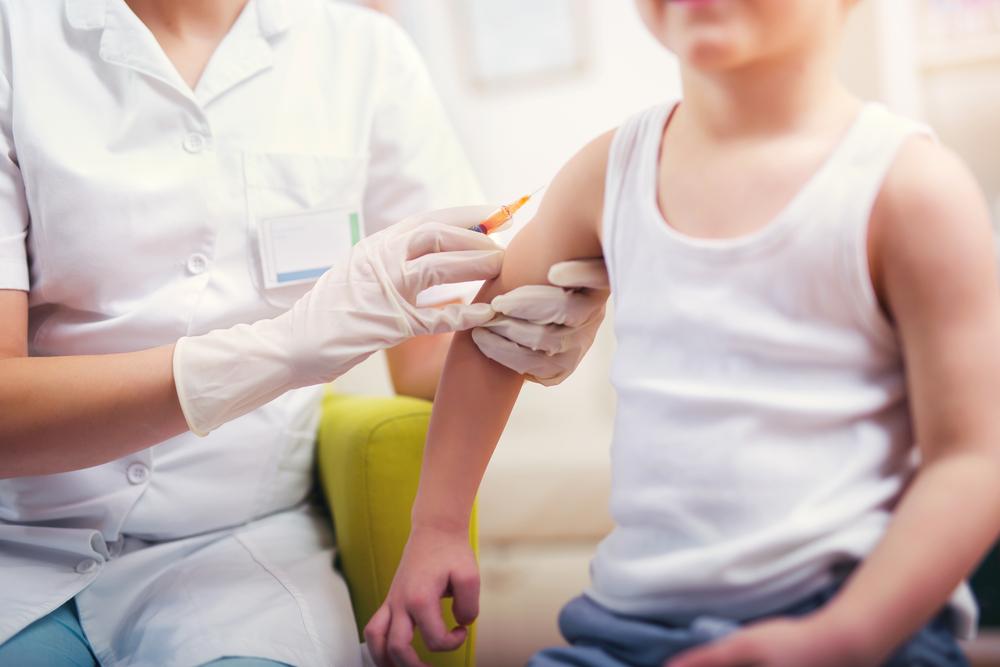 A full vaccination course consists of two doses (with a minimum waiting period of 4 weeks between the two doses).
In principle, people born in Belgium before 1965 have been vaccinated, as vaccination was compulsory at the time.
People born since 1965 who haven't been vaccinated, who've only had one dose, or who've had no sign of the disease, are an at-risk group. If this applies to you, contact your GP.
If in doubt, a new vaccination can be given.
Vaccination can also be useful within 72 hours of contact with an infected person.
The current vaccine protects against measles, mumps and rubella (MMR). This vaccination offers 95% protection and is given in 2 doses (ideally around 12 months of age, with a booster at 18 months).
Causes of measles
Measles is an infectious disease caused by a paramyxovirus, mostly active in winter and spring. It's highly contagious, mainly through contact between people and via saliva.
Symptoms vary: fever, conjunctivitis, swollen eyelids, runny nose, cough, diarrhoea, vomiting, abdominal pain...
Untreated, these symptoms can lead to an ear infection, laryngitis, bronchitis, (serious) lung complications, or even encephalitis.
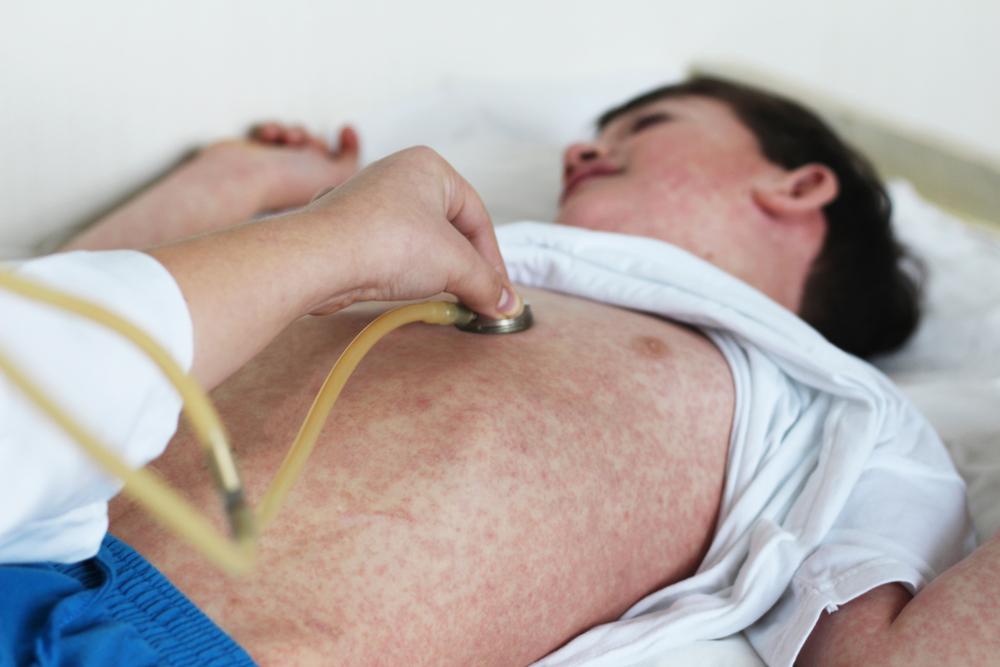
Infected people develop red patches on the face and behind the ears. These red patches then appear on other parts of the body. White spots also appear on the mucous membranes inside the cheeks.
How can you protect yourself?
If in any doubt, see a doctor.
Aside from vaccination and treatment in case of infection (medical treatment), the best hygiene tips when in contact with infected people are as follows:
- Wash your hands regularly and thoroughly
- Cover the mouths of infected people, use saline solution to clean their nose
- Use disposable tissues
- Avoid direct contact with sick people, thoroughly wash (or sterilise) objects they've touched or used, and observe a minimum 5-day "quarantine" after the disease appears
- Regularly and thoroughly air out your home and the room where the sick person is staying
Useful links
Also read