At a glance
Every year, tourist destinations are affected by heatwaves, water shortages or severe weather. How can you prepare?
Periods of drought, heatwaves, wildfires, shortages, severe weather, hurricanes… we are increasingly confronted with natural hazards that can disrupt our trips or holidays. In recent years, we have witnessed a significant increase in extreme natural phenomena all around the world, often linked to climate change.
What are these natural hazards? How can you prepare for and protect yourself against them as a traveller? How do tourist destinations respond?
The most common natural hazards
Heatwaves and extreme temperatures
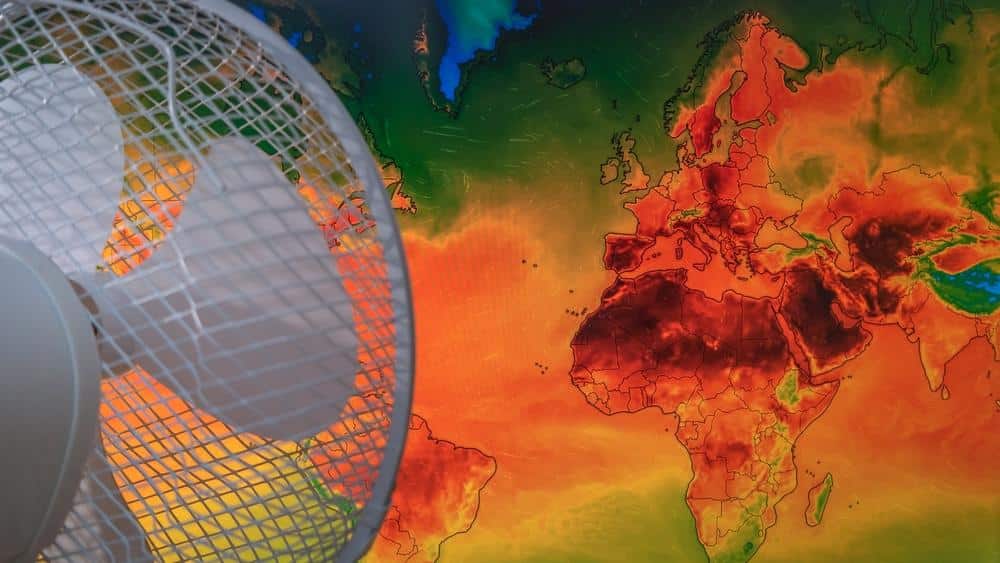
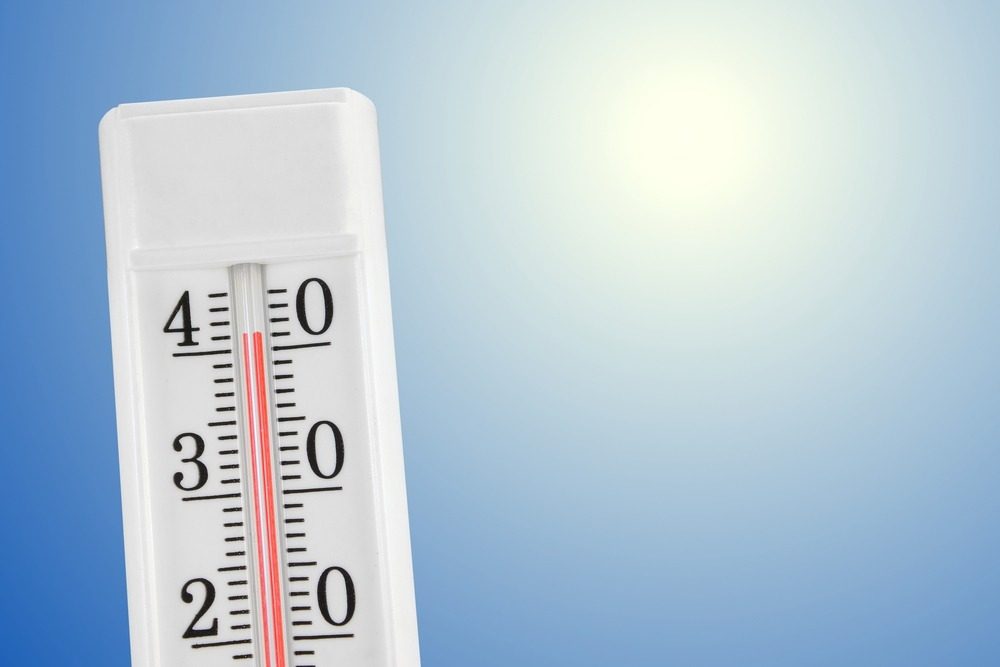 Heatwaves, characterised by abnormally high temperatures over long periods, have become increasingly common in many tourist regions. These extreme heat spells can not only make travel uncomfortable, but also pose serious health risks for travellers, particularly for the elderly, children and those with pre-existing medical conditions. Destinations once known for their temperate climate are now facing record temperatures, endangering the safety and well-being of visitors.
In recent years, Europe has experienced unprecedented heatwaves, leading to uncomfortable or hazardous weather conditions for unprepared or vulnerable travellers. For example, cities such as Paris, London and Prague have recorded record temperatures, sometimes reaching or exceeding 40 degrees Celsius for several consecutive days.
Wildfires and environmental devastation
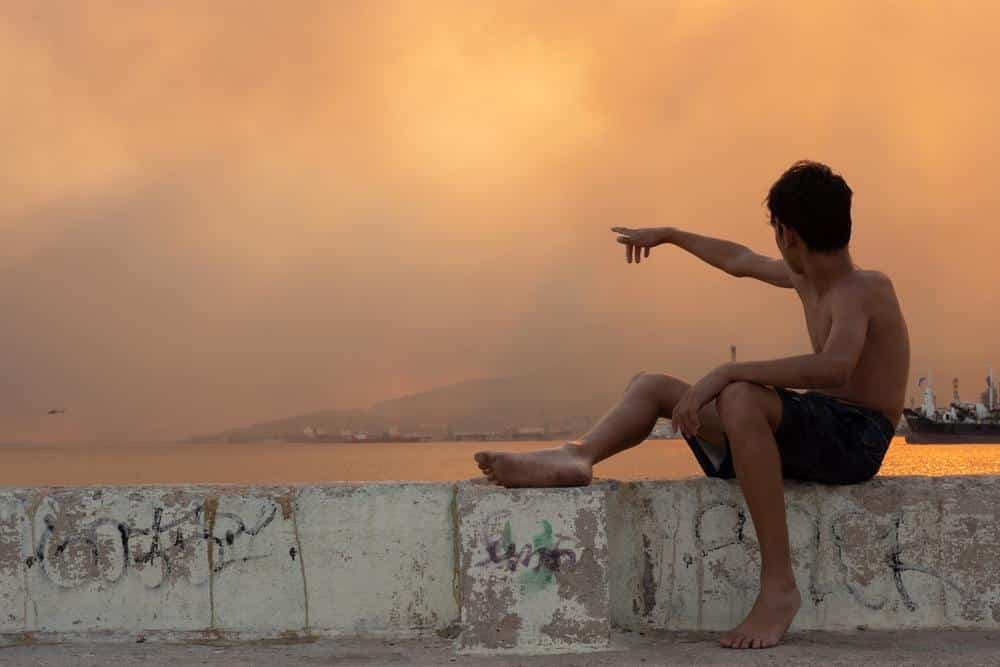 Wildfires, whether in forests or other natural areas, have unfortunately become a risk in many tourist destinations, destroying fragile ecosystems, threatening biodiversity and endangering human lives. Lush green regions can be ravaged by uncontrollable flames, creating direct risks for travellers and forcing authorities to carry out emergency evacuations. In addition to the immediate impact on travellers, these fires often leave lasting environmental damage, affecting the natural beauty and tourist appeal of the affected regions.
Recent examples include the wildfires in Australia and Greece (Rhodes). Similarly, other popular destinations such as California have also been hit by huge wildfires, leading to road closures and emergency evacuations that affected tourists' travel plans.
Water shortages
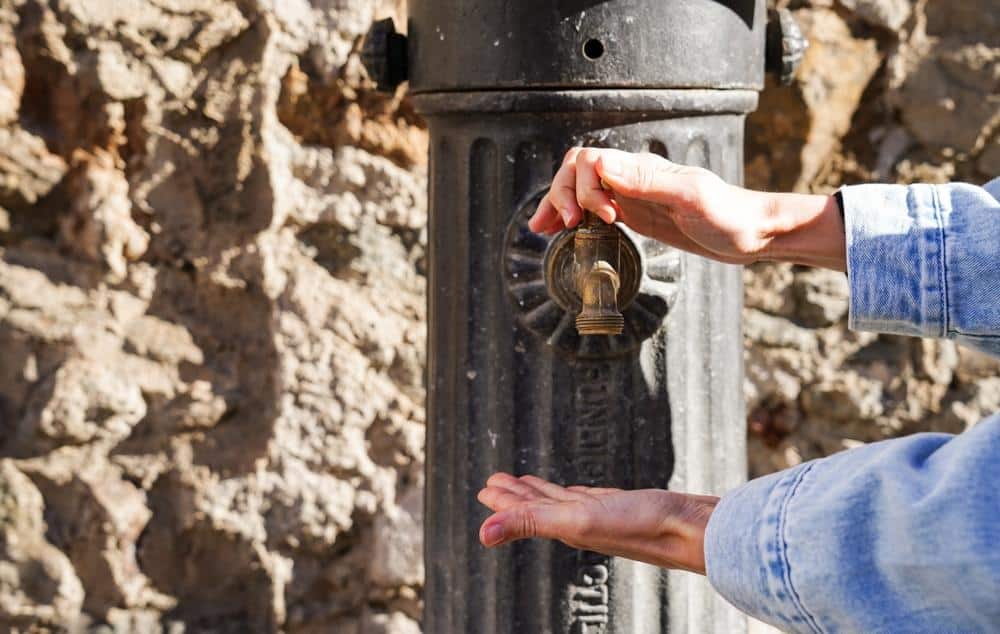 Water shortages have become a growing problem in many tourist destinations, resulting from various factors such as overconsumption, climate change (depletion of groundwater and lack of rainfall) and poor management of water resources. Travellers may face water restrictions, supply cuts and precarious sanitary conditions, compromising both their comfort and their safety. Moreover, the pressure placed on water resources by mass tourism can worsen local problems and lead to conflicts with local communities over access to this vital resource.
Water shortages have become an alarming reality in many regions of the world, including popular tourist destinations such as Spain and Greece. Overexploitation of water resources, combined with the effects of climate change, has led to situations where drinking water becomes a precious and scarce resource. Travellers need to be aware of these challenges.
Natural disasters
Natural disasters are large-scale natural phenomena that have a lasting effect on an entire region, its population, its infrastructure and its ecosystem, and consequently also on its tourism. Some disasters are unpredictable (e.g. earthquakes, tsunamis...), others can be anticipated and are announced some time in advance by local authorities (e.g. hurricanes, volcanic eruptions, flooding...), or result from a local natural phenomenon that has grown to an exceptional scale (e.g. a wildfire that spreads across an entire region). If an imminent risk is announced, leave the affected area. If you are affected, follow the advice given in the article "The right reflexes in the event of a natural disaster." Always follow alerts and comply with instructions from local authorities.
How can a traveller respond to natural hazards?
- Do your research: Before booking a trip to an "at-risk area", find out about the weather conditions and potential natural hazards at your destination. However, don't give in to panic: a region hit by a natural hazard at one point in time will not necessarily suffer the same fate the following year. Choose your destination and climate while taking into account your health condition and the health conditions of those travelling with you (children, elderly people).
- Prepare adequately: Bring appropriate clothing and equipment to cope with difficult or extreme weather conditions. Make sure you have access to drinking water and know what steps to take in an extreme situation (protection against heatwaves, adapting your activities to the weather conditions, following the rules and advice from local authorities…). Also remember to protect the most vulnerable people travelling with you, particularly children and the elderly. And don't forget your pets if they are travelling with you.
- Be flexible: Keep in mind that weather conditions can change quickly and that your travel itinerary may need to be adjusted accordingly. Be ready to make last-minute changes to ensure your safety. Check the travel advisories issued by the relevant authorities and take warnings and advice into account before and during your stay. In the event of a natural disaster, contact your tour operator or, if applicable, the consulate. Read the article "The right reflexes in the event of a natural disaster" on this topic. It also explains what a travel assistance service can do once you have a medical problem.
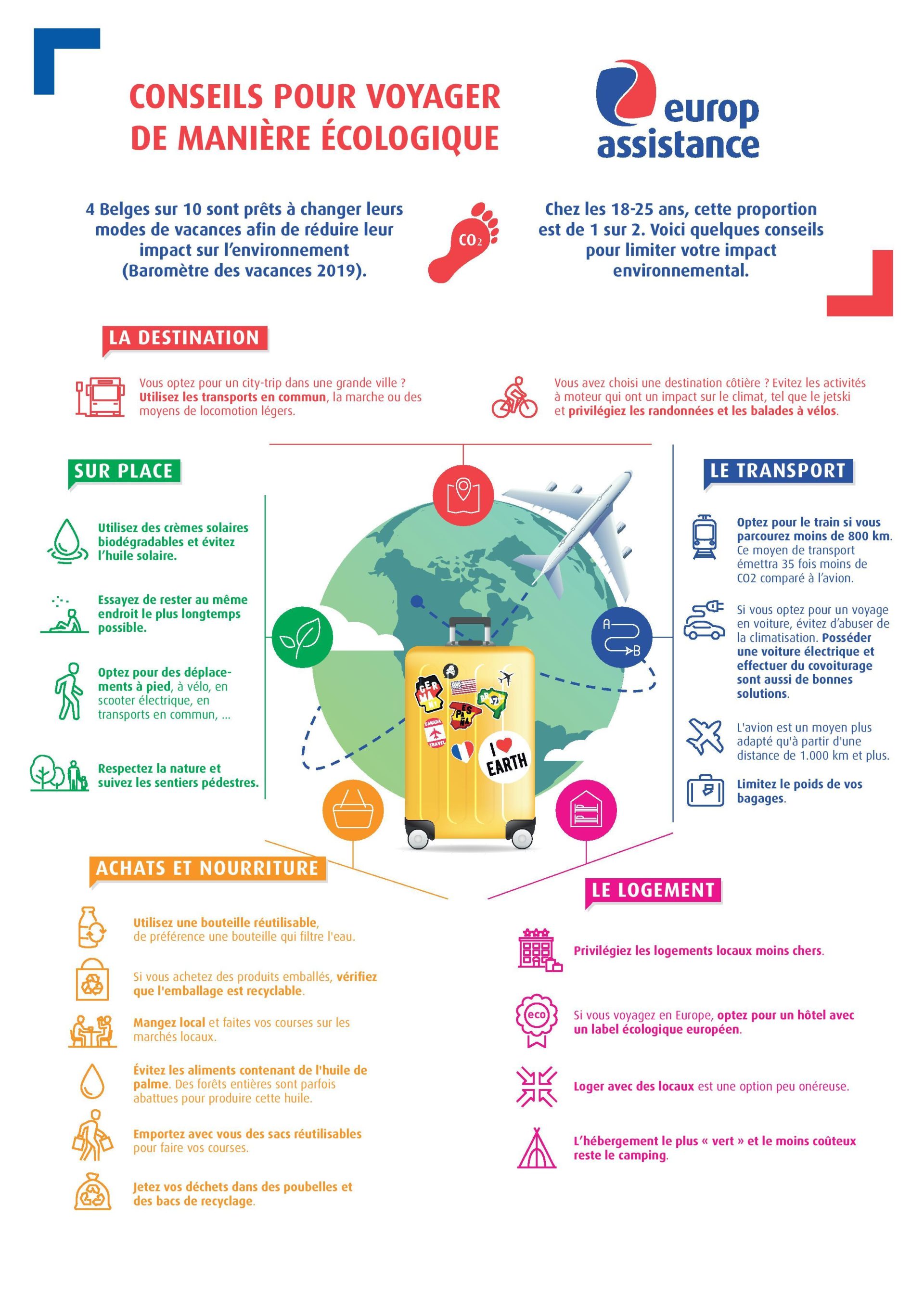
- Your impact on the environment: Be aware of your impact on the local environment and adopt responsible behaviour to minimise your ecological footprint. Avoid wasting water and help preserve natural resources. Avoid or limit any form of pollution.
By taking appropriate precautions and using common sense, you can minimise the inconvenience of climate risks during your stay, as well as the potential dangers to your safety and well-being.
How do the countries or regions concerned respond to natural hazards?
Faced with these challenges, many tourist destinations are actively engaging in adaptation and mitigation efforts to reduce the natural hazards associated with travel. This can include:
- sustainable management of natural resources;
- investment in eco-responsible infrastructure;
- raising awareness among the population and travellers about potential risks;
- specific regulations or temporary limits on the use of resources and supplies in the event of shortages;
- developing effective emergency plans.
On a larger scale, and beyond local measures, the fight against climate change must take place on a global level, because it concerns all of us.