At a glance
Tom de Dorlodot tells us how he made his dream of sailing around the world come true.
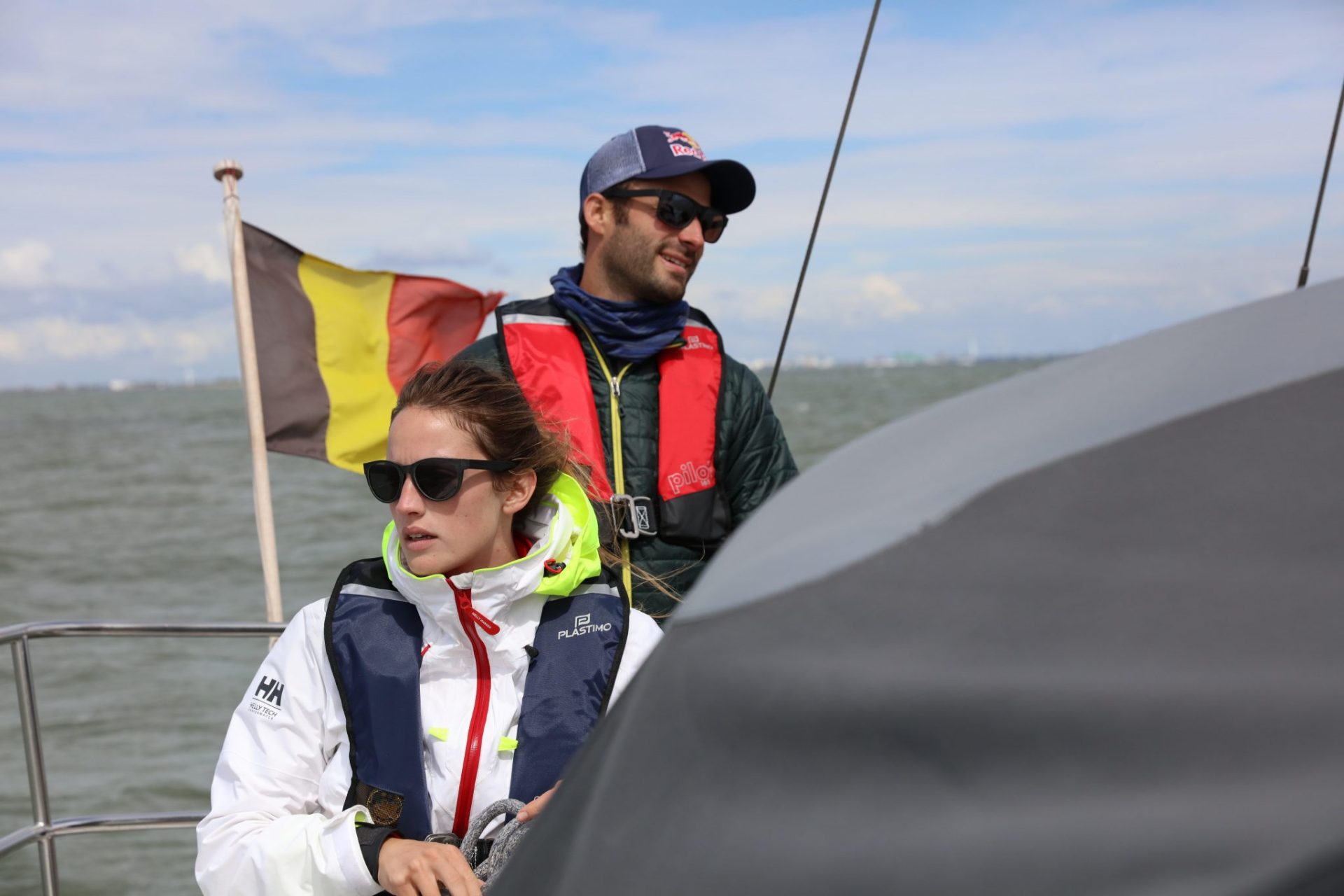
Adventurer and paraglider Tom de Dorlodot has set off on a new adventure with his partner Sofia as part of "Search Projects": renovating a boat and setting off to sail around the world. An adventure that, like all the others, can't be improvised, and required no less than 3 years of preparation!
Here's what pushed him to find his sea legs.
Tom also answers the practical questions anyone dreaming of setting off on such an adventure will have: click here.
Travelling by sailboat: a powerful symbol
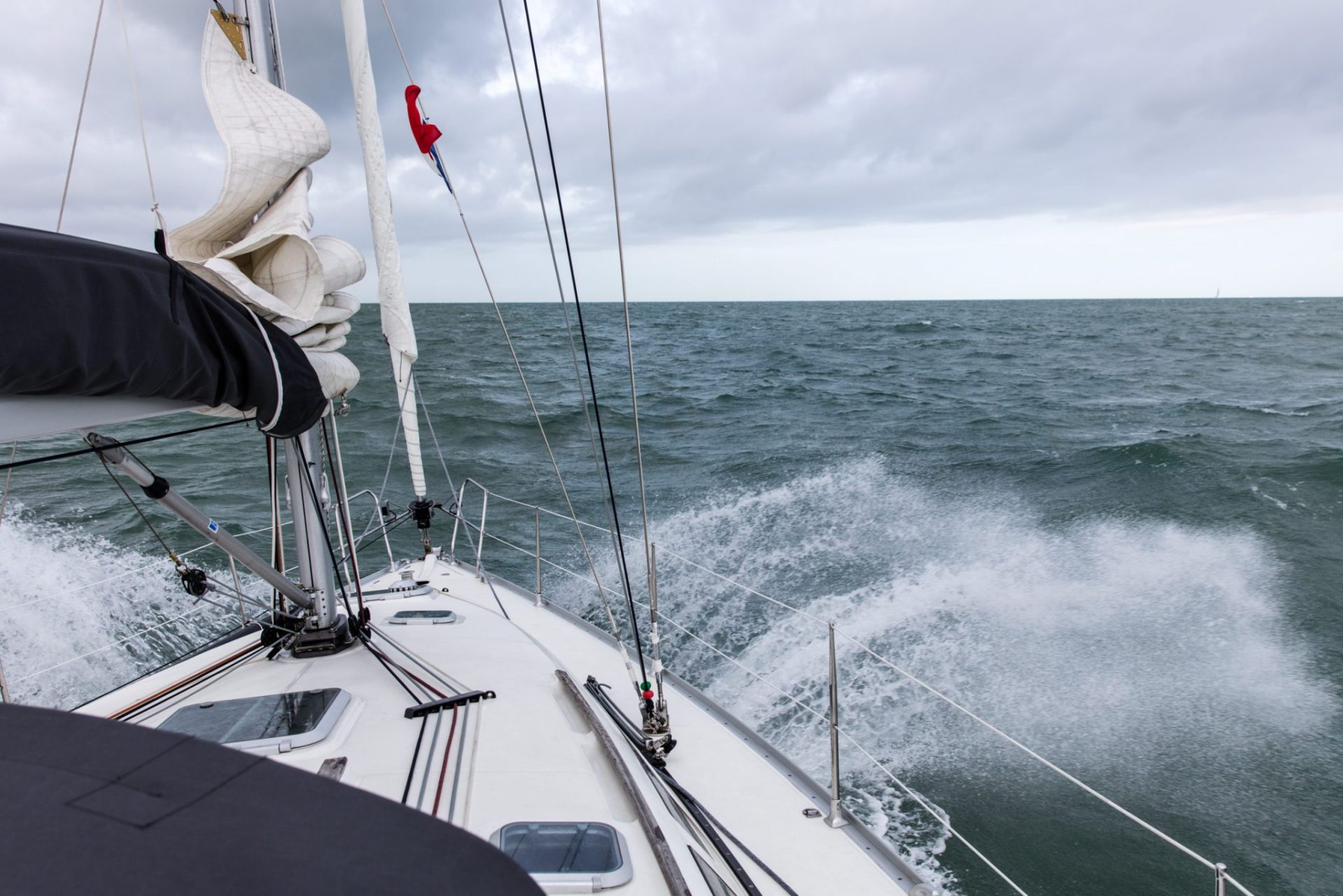
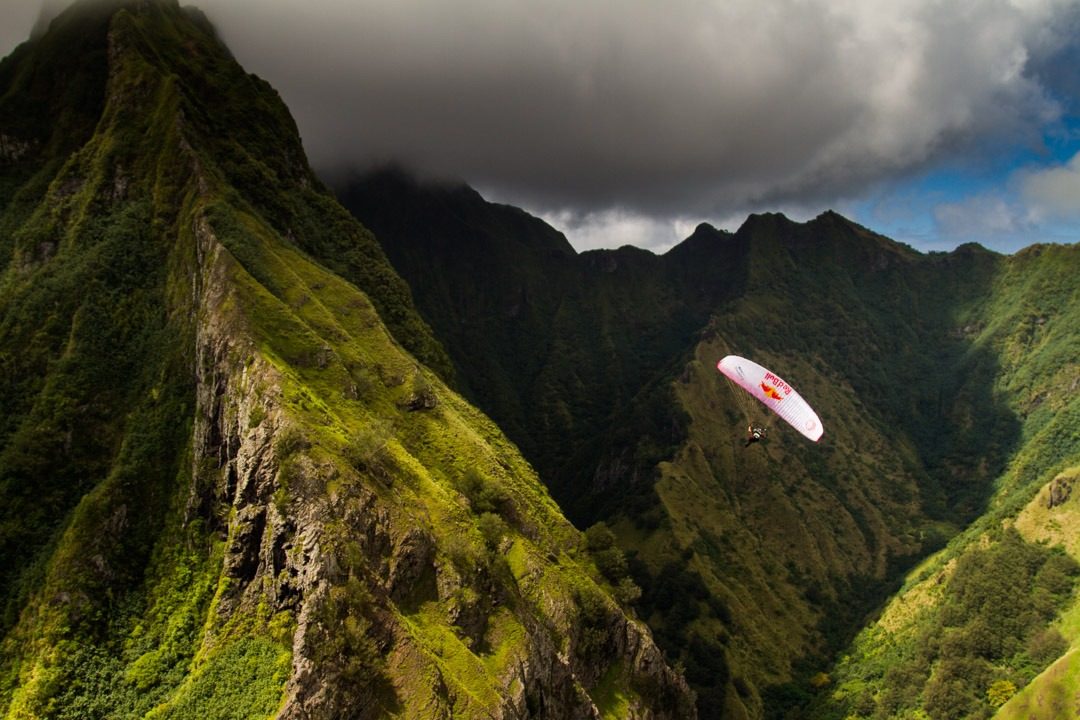
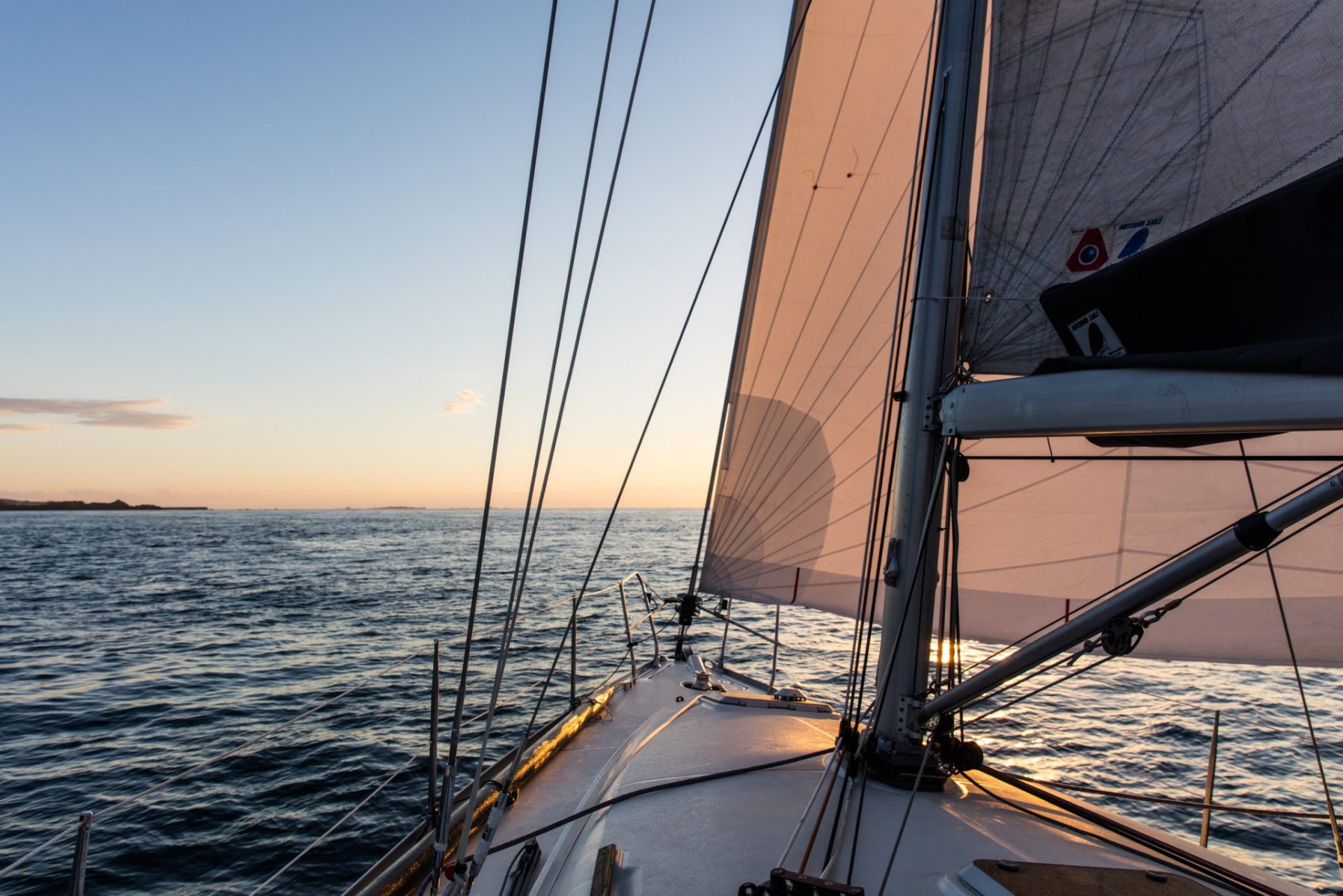
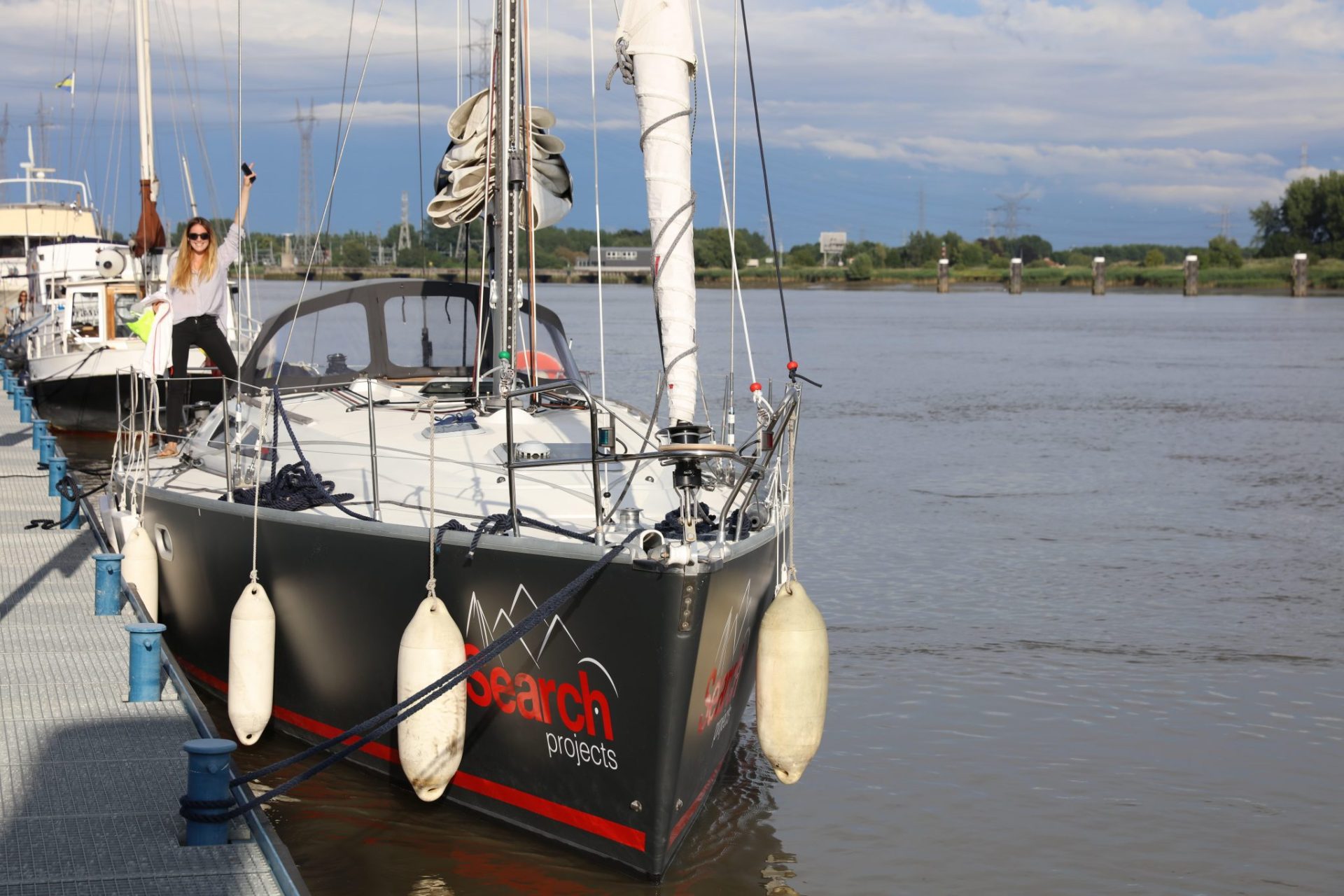 After my addiction "to the wing of my paraglider", during an expedition around the Marquesas Islands in French Polynesia three years ago, I caught a new bug: still about sailing, but this time on the water! Since then, I'd promised myself I'd dig deeper into the subject and one day set off on a round-the-world sailing trip. To me, a boat, more than any other means of travel, symbolises freedom, discovery and adventure, while respecting nature and the environment.
How our project took shape
Of course, setting sail to cross the world's seas and oceans can't be improvised.
Gaining the knowledge and undergoing training
The first step was to acquire the necessary sailing skills. And we went about it step by step, going to sea with skipper friends, helping them out on their boat's refit, taking several training courses at Glénans and passing the various exams to both get our skipper's licence and our ICC (International Certificate for operators of pleasure Craft).
The website of the Fédération Francophone de Yachting Belge is the right place to find all the information on this: http://www.ffyb.be/ (and www.vyf.be for Flanders).
Finding a sailboat
Throughout our training, Sofia and I never lost sight of our goal: acquiring "our" boat.
As with buying a house, it can take time. And, again as with a house, the purchase sometimes requires major renovations!
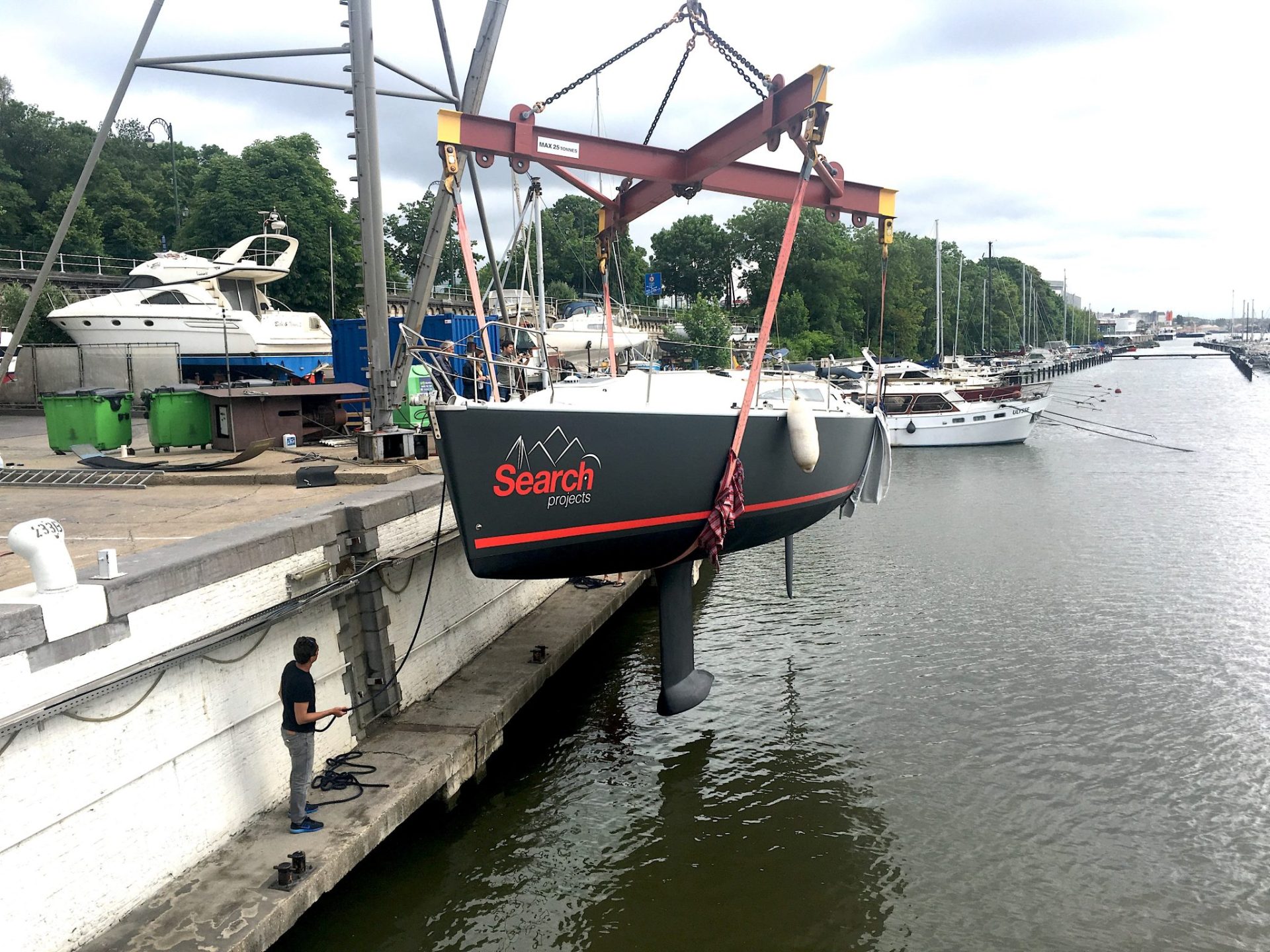
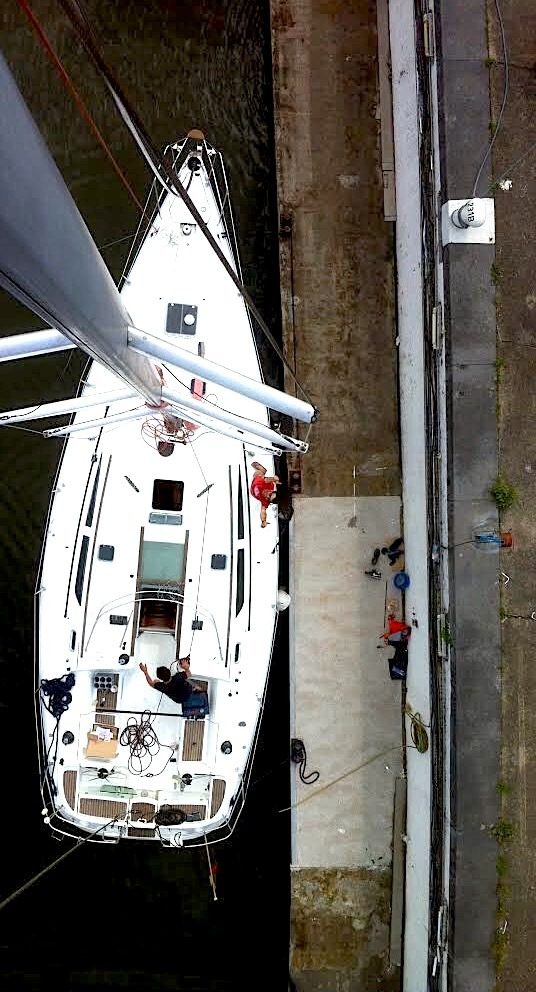
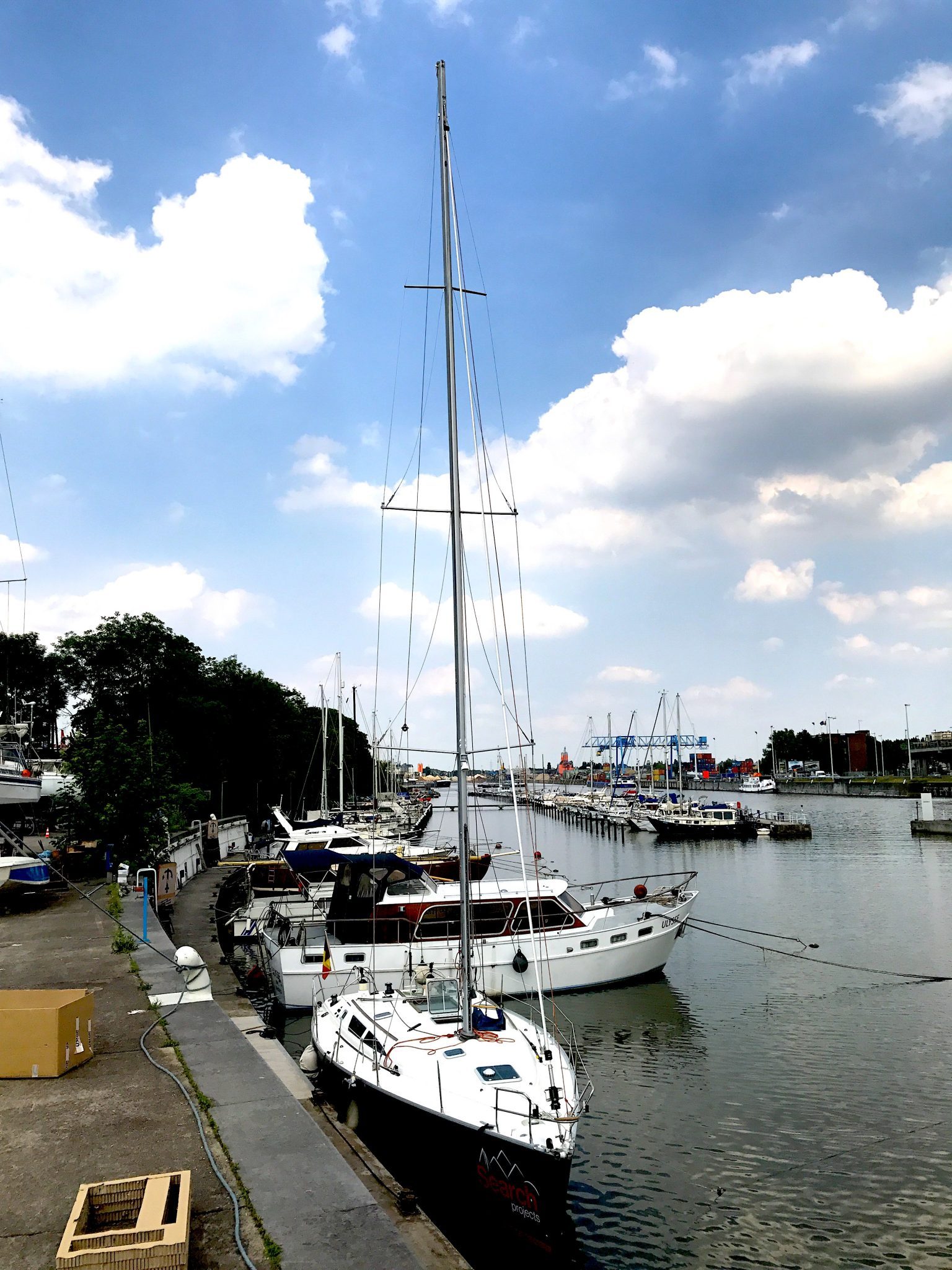
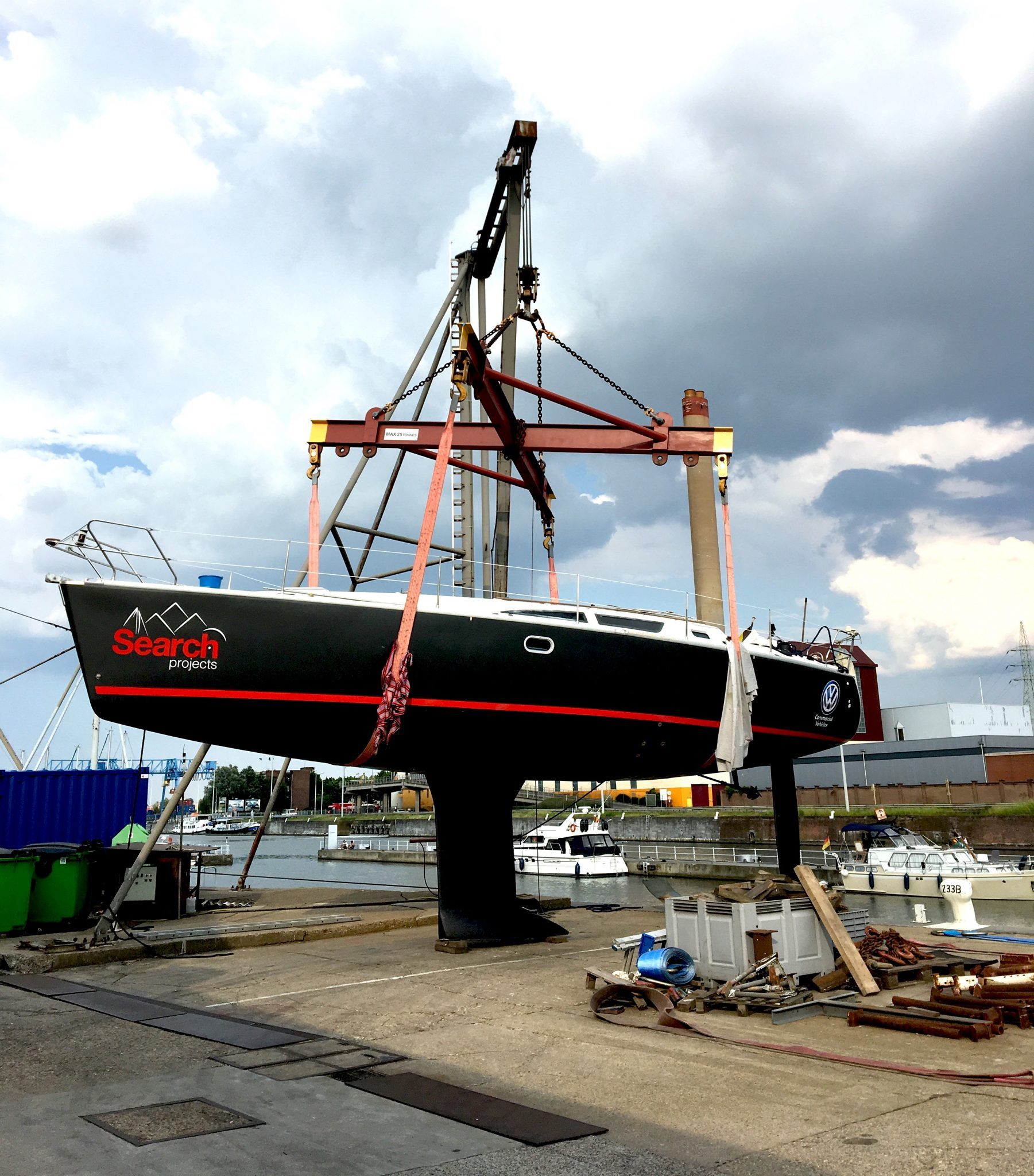
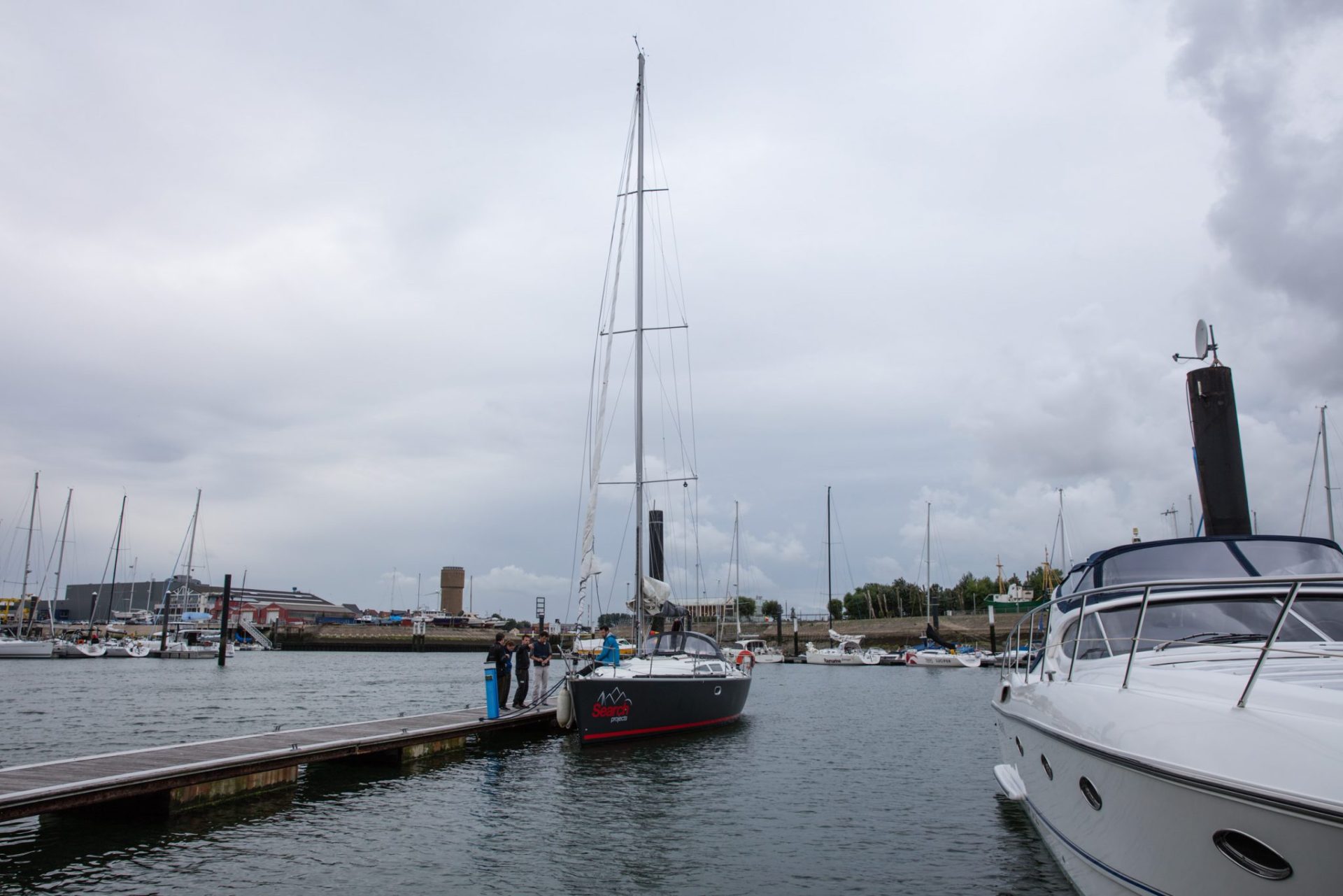
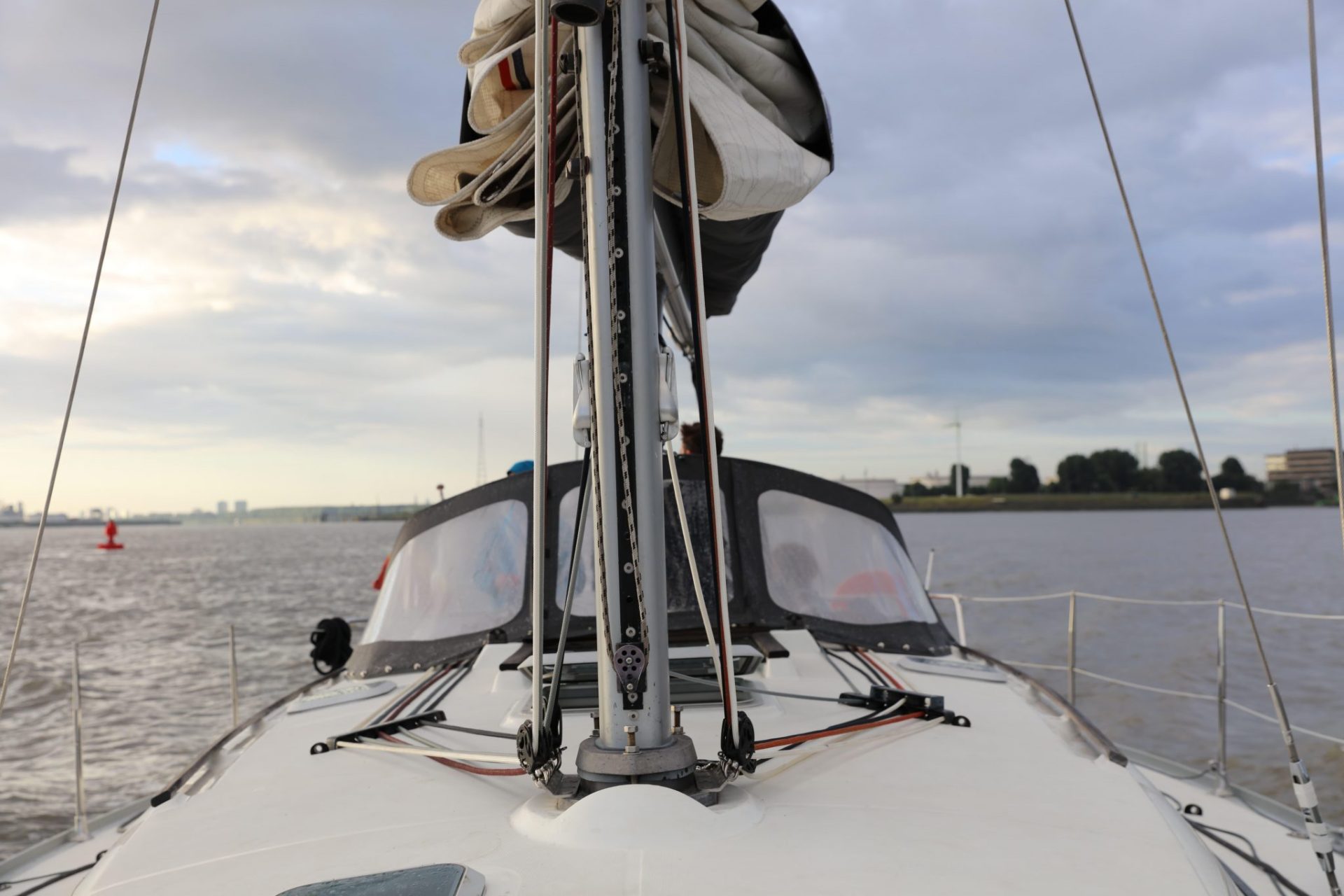
While we thought we'd find what we were looking for around Brittany, it was ultimately in the Port of Brussels that our future "home" turned out to be. "Les Trois Mousquetaires", a 40-foot Jeanneau SUN FAST renamed "SEARCH PROJECTS", had been in dry dock there for several years, and its owner had just one wish: to see it put back to sea. So we bought this 12-metre sailboat, before embarking on no less than 4 full months of renovation. At the end of June 2017, we were finally able to officially christen the sailboat in the presence of our friends and the partners who helped us achieve our dream.
Two people, one boat
Both literally and figuratively! Unlike most of the expeditions I'd organised up until then, the one we called #SailingSearch is also a couple's adventure. Even though I had no doubt about the success of our partnership, it was nevertheless a new variable in the equation. Sofia is a globetrotter at heart. A citizen of the world, she has lived successively in Argentina, Paraguay, Morocco and Belgium. Holder of a bachelor's degree in communication, she has extensive experience in the media world and is fluent in several languages. As a passionate entrepreneur in love with wide open spaces, it was bound to click with Search!
Our route and our first legs
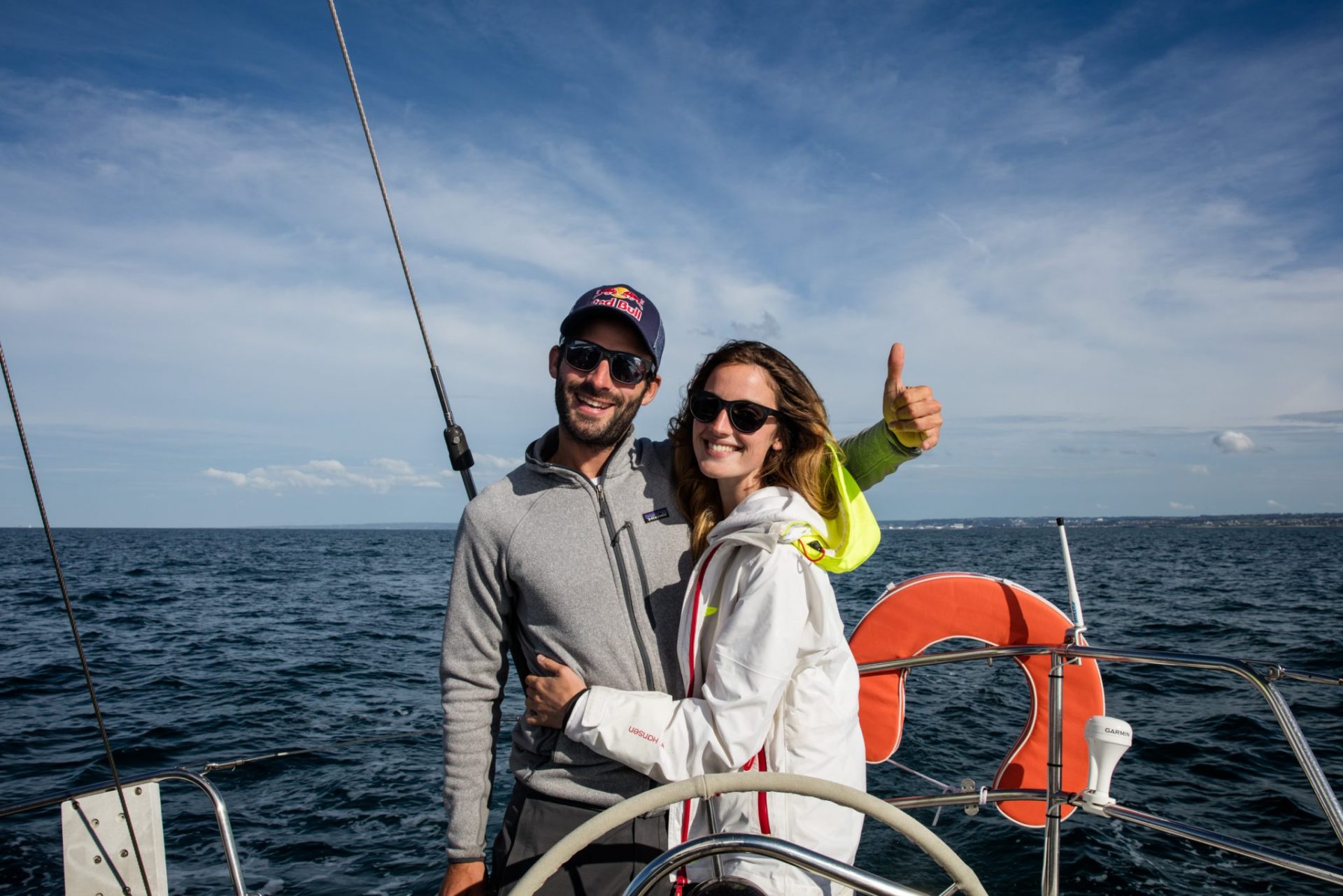
I'd barely got back from the Red Bull X-Alps before we finished the final preparations on the boat, in order to leave the Port of Brussels on Friday 28 July 2017. With a first goal: getting our sailboat to the Balearic Islands, to Mallorca, to welcome the Lotto Young Adventurers at the start of September. They'll be the first to share our life on board. And we're really looking forward to passing on our passion for sailing to them. As I write this article, we've just passed Gibraltar, moving from the Atlantic Ocean into the Mediterranean Sea. "It's coming together", as they say… I'm learning an enormous amount and I love it!
After Mallorca, we'll certainly take the opportunity to sail around Corsica, the Italian coast, Sicily… and then probably head back towards the Canary Islands, where I also plan to combine sailing with a paragliding project to fly over the archipelago's 7 peaks. And then move on to crossing the Atlantic… There's no shortage of ideas! And the greatest pleasure remains sharing my adventures with as many people as possible. So I certainly won't fail to keep you posted on our next encounters and adventures!
See you very soon,
"Fair winds & following seas"… Tom.
How to prepare for a round-the-world sailing trip?
Tom answers a few basic questions that will help anyone who, like him, wants to set off on a round-the-world sailing trip:
 1. How do you find a boat?
The second-hand market is full of good deals and less good ones. It's essential to clearly define your plans before you start browsing sales websites. How many people will be travelling on board? In which regions of the world (cold, warm)? What type and size of sailboat would suit you best? Do you want a fast, light boat or a sturdier one (steel or aluminium) but heavier and therefore slower? What's your purchase budget and your budget to get it back afloat? All questions that need answering before you start looking for that rare find. After that, it's best to work with professionals and get advice from knowledgeable people who genuinely know the field. Above all, don't rush, and be wary of boats that have been for sale for a very long time or of deals that seem "too good to be true".
2. How do you assess the condition of the boat and determine what changes or repairs are needed?
The best approach, before buying, is to have the boat surveyed. The surveyor will quickly draw up a list of things to repair or change and will confirm the sailboat's value. Very little will escape their professional eye. It's a bit costly, but it's really worth it. It's the only way to avoid major surprises later on. Ideally, you should have a complete history of the sailboat and take the time to get to know the previous owner.
3. What technological equipment should you have on board?
The basics are a good VHF radio, a GPS, navigation lights and the standard electronics on board (anemometer, wind vane, depth sounder, etc.), radar is a useful tool, and AIS (which works like a transponder) will let you see other boats and cargo ships also fitted with the system on your GPS screen. For me it's a great tool. I always keep a portable GPS on board as a backup. The Garmin inReach Explorer even lets you send a distress message if needed. Electronics are great. But it's nevertheless essential to have paper charts on board, as well as a bearing compass… and to know how to use them. Charts never break down! ;-)
4. What budget should you plan for?
There's something for every budget. I have friends who bought a sailboat for €15,000 and have been travelling on it for 3 years. For a second-hand 35 to 40-foot sailboat in good condition, I'd say you need to budget between €60,000 and €150,000. But again, that depends on a lot of factors. For repair work, the bill can quickly add up. Generally speaking, people say a sailboat costs around 10% of its value per year. Mooring fees, insurance and a bit of maintenance work can quickly add up to €10,000. Handy DIYers will manage much better and will rely less on boatyards.
 5. Can the work take a lot of time?
It really depends on the condition of the sailboat when you buy it. Ideally, you should test it out by sailing it and then make the changes afterwards. For SEARCH Projects, we worked for four months "non-stop". But our boat was in fairly poor condition to start with, and we completely refurbished it.
6. What are the basic administrative formalities?
You absolutely need your VHF licence to legally use the radio. A one-day practical course and passing a theory exam will do the trick. Take it seriously: the radio is an essential tool for calling for help and communicating with the authorities, especially in the event of a serious problem.
I strongly recommend getting proper training at a good sailing school and taking the ICC certificate (or the Yachtmaster). Nothing beats experience and practice. You need to spend time on the water before diving into a big project. As soon as you feel ready, start by chartering a sailboat to get your teeth into it.
7. How do you plan the route and stopovers for the adventure? Is it advisable to go solo? What's the best season?
I'd say it's the weather that decides. You have to play it safe and know how to be patient and humble if conditions aren't favourable. It's not advisable to go solo without a great deal of sailing experience. It can be very difficult to manage fatigue when you're on your own. If there's a problem on board, it's always easier to deal with it as a team. Seasons change around the world, but let's just say summer is generally more favourable (and more comfortable) for starting out in warmth and sunshine. You don't necessarily have to go far to discover wonderful spots. Europe is full of magnificent regions to explore by sailboat!
Have you also had such an adventure? Feel free to share your experience with Tom.
Discover [Tom de Dorlodot's other articles.
](https://blog.europ-assistance.be/dossiers/les-articles-du-dossier-voyages-aventures/)Also read the article: "Theft of pleasure boats: a real risk"
© Photos: Tom de Dorlodot