At a glance
Discover our best tips and tricks to avoid problems starting your vehicle in cold weather.
When temperatures drop, starting your car can quickly become a challenge. The article below offers a series of practical tips to avoid unpleasant winter surprises: from checking the battery to using de-icing spray wisely, along with the right habits to protect the engine and windows. A useful read for all drivers who want to face the cold with peace of mind.
Here is a series of valuable tips to help you start your car in freezing weather.
Prevention
- Check the weather forecast for your region and the places you need to go. For abroad, click here.
- Protect your car, and if possible park it sheltered from the weather, wind, frost, etc.
- Equip yourself with useful accessories to help you when setting off (e.g. scraper, de-icing spray, …).
- Fill your windscreen washer reservoir with fluid containing antifreeze.
- Avoid using your handbrake during a long stop, as it may freeze. If necessary, use wheel chocks to hold the vehicle in place. For automatic cars, put the vehicle in P.
- Check the condition of your battery. Read "How to avoid a flat battery?" on this topic.
- Drive with winter tyres.
The engine and starting
- Don't let the engine idle for a long time to "warm up" the car: this uses a lot of energy (fuel) and is bad for the environment. It's better to get the vehicle moving immediately. It will only warm up after driving a few kilometres.
- Don't force your engine by trying to start it several times in a row or by revving it. Start gently by pressing the clutch pedal.
The battery and saving energy
- Turn on your headlights for a few seconds before starting, this will "wake up" your battery.
- When starting, switch off anything that might use a lot of energy, such as the air conditioning, heated seats, etc.
- Only use your fog lights when necessary.
- Avoid driving with an overloaded car (full boot, roof box, etc).
Doors and locks
- A de-icing spray can help you easily open frozen locks. Graphite powder works just as well.
- Coating door rubber seals with glycerine or talcum powder will help prevent them from freezing.
Windows and wipers
- Protect your windows overnight with cardboard or a purpose-made cover.
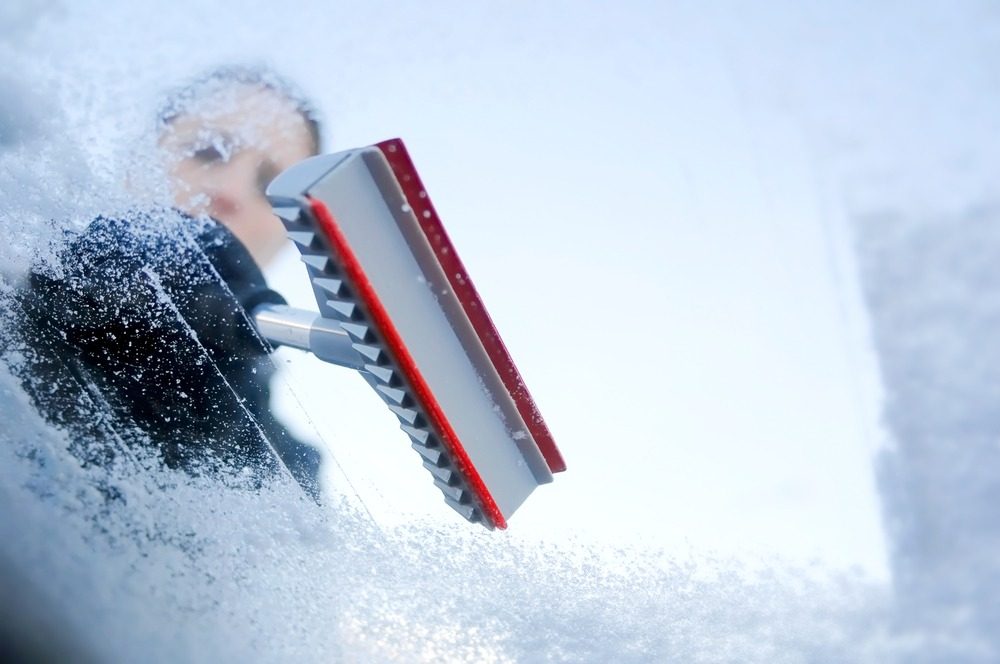
- A scraper can of course help you get rid of snow or frost. Be careful, though, not to damage your window.
- A de-icing spray is a very effective way to defrost your windows without damage. A mixture of 2/3 alcohol and 1/3 water works just as well.
- Rubbing windows preventively with a potato doesn't always give the expected result!
- Never pour very hot or boiling water onto your frozen windows. The temperature difference may crack the glass, and as the water cools it may turn to ice.
- Wash the inside of the windows with water mixed with a few drops of shampoo. This will prevent fogging on the glass.
- Place a few bottle caps between the glass and your wipers: this will stop them from sticking to the glass.
- Don't use your wipers as a "scraper" — you'll only damage them — and wait until the windows are defrosted before using them.
And finally...
- Only set off once your windows are sufficiently defrosted, ensuring good visibility.
- Make sure to immediately replace any faulty headlight.
- Protect your car from road salt by washing it regularly or going through a car wash.
- Read our tips on driving on a snowy road.
- Driving with a bulky coat is not a good idea!
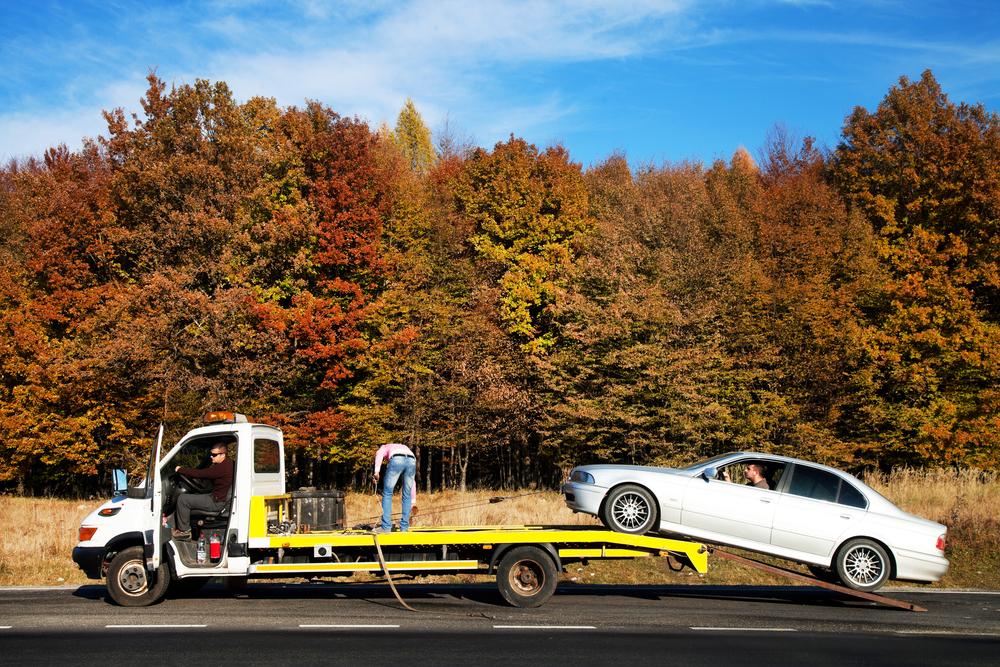
- Consider good assistance cover in case you still can't start your vehicle, or in the event of a breakdown along the way. Download our app if you're a Redion customer.