At a glance
What should you do if you break down on a motorway in Belgium? What does FAST do?
Who responds to a breakdown on a motorway in Belgium?
You have technical breakdown assistance for your vehicle with Redion and...
you've broken down on the motorway network in Flanders?
1. Contact Redion (to open a file)
\2. If Redion confirms that you're on a FAST stretch => call 101 to request breakdown assistance (your location will be tracked) and FAST will take care of getting you back on the road. (You can also call 112, but you'll be transferred to 101 if the call doesn't require urgent medical intervention.)
\3. After FAST has assisted you, get back in touch with Redion to follow up on your file.
If, after contacting Redion the first time, it turns out that you're not on a FAST stretch, you'll be assisted directly by Redion.
If you're on the road network of Wallonia or the Brussels-Capital Region, click here.
What is the FAST procedure?
For several years, the Flemish authorities have been working with breakdown services ("motorway recovery operators") that can respond quickly on Flemish motorways following an accident or breakdown, in order to clear the road as quickly as possible, put the vehicle (and its occupants) in a safe place, and keep traffic flowing.
This procedure is called "F.A.S.T.", the acronym for "Files Aanpakken door Snelle Tussenkomst" ("Tackling traffic jams through swift intervention").
FAST procedure in the event of a breakdown or accident on a motorway in Flanders
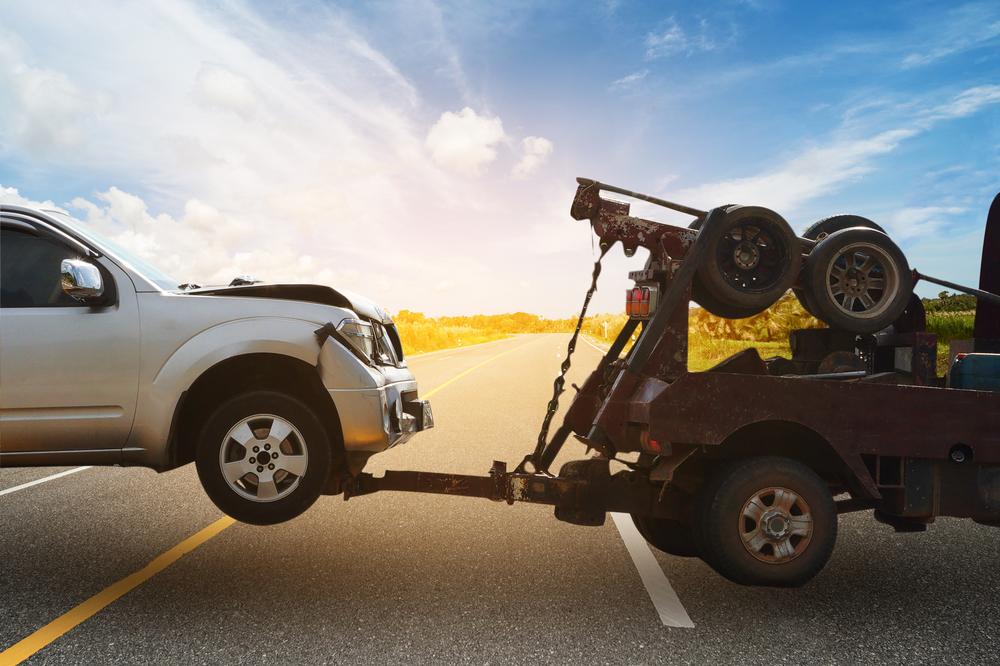 Is your vehicle stranded on a traffic lane or the emergency lane of a motorway in Flanders?
\1. You'll quickly be located by a police patrol, the 112 emergency centre or the cameras of the Flemish Traffic Centre (Vlaams Verkeerscentrum).
\2. The police will immediately contact a FAST recovery operator, who will get to the scene as quickly as possible to make your vehicle safe.
Note: If the vehicle is stranded in a motorway car park, FAST recovery will not intervene.
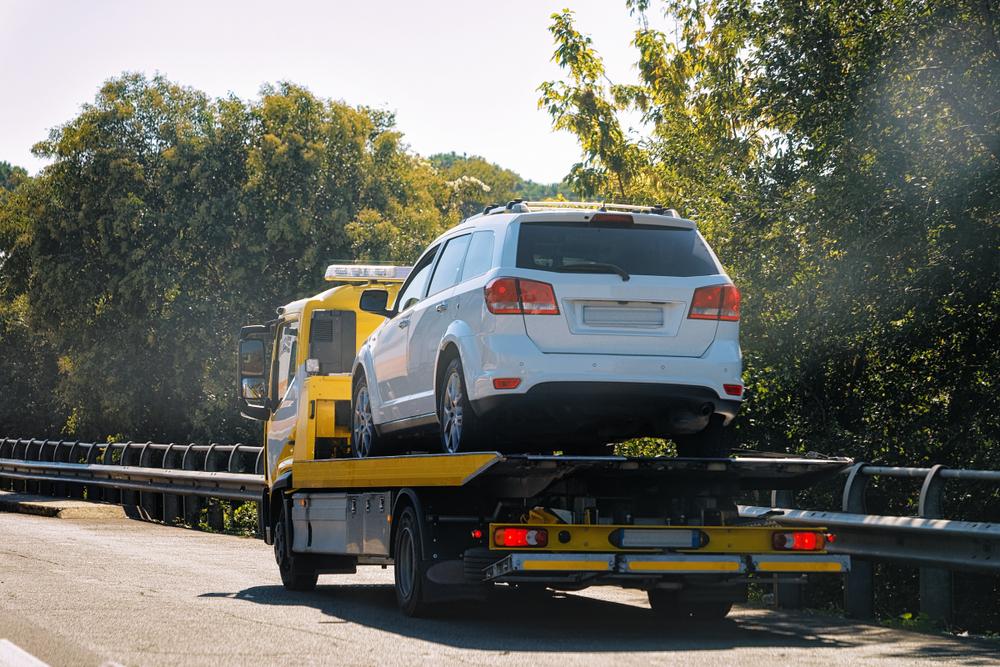
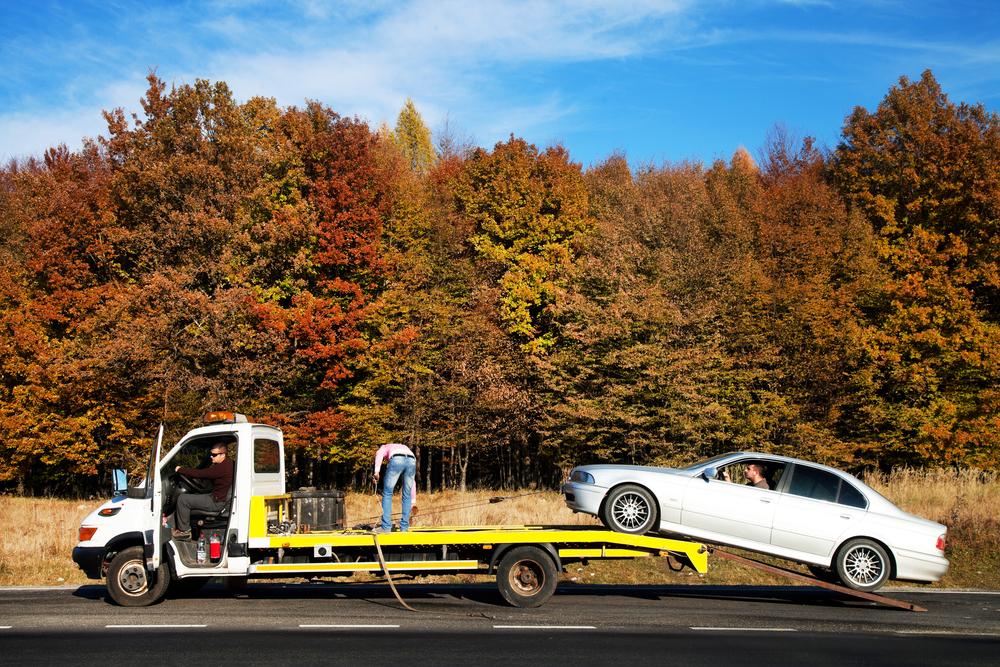
\3. The FAST recovery operator will tow your vehicle to the next exit or to their depot. If you pay a surcharge, the operator can also tow your car to your garage or your home. During the intervention, additional signage is often needed, in the form of a signalling vehicle or road signs indicating to other road users where the crashed or broken-down vehicle is located.
Response times
The authorities require the FAST recovery operator to arrive on site within 20 minutes, to make the incident visible and secure it by means of a signalling vehicle, to tow the vehicle safely, and to invoice the intervention in line with the official approved rates.
The FAST invoice
After the intervention, an invoice will be drawn up for the owner of the vehicle (in the case of a breakdown). If it's an accident, the invoice will be sent to the person who bears civil liability.
What rates apply?
Flanders' motorways are divided into zones (officially called "gegunde percelen", i.e. "awarded lots"). Each zone is assigned to a FAST recovery service. Rates are officially set and vary depending on where the intervention takes place, the time of day (weekday, weekend, day and night rates), and the type and duration of the intervention (simple towing, signage, securing the traffic lane, possible collection of lost cargo or debris, etc.).
The website of the Flemish road agency (Agentschap Wegen & Verkeer) includes a map of the zones and tables of the rates applied.
You'll find this information at https://wegenenverkeer.be/FAST
Note: Motoring clubs, mobility associations, transport associations and assistance companies have repeatedly voiced their dissatisfaction with the high FAST rates set by the Flemish government.
FAST and breakdown assistance
In the event of an accident on a motorway, you must always notify the police (101 or 112). They will immediately send a FAST recovery operator to the scene and, if necessary, alert the other emergency services.
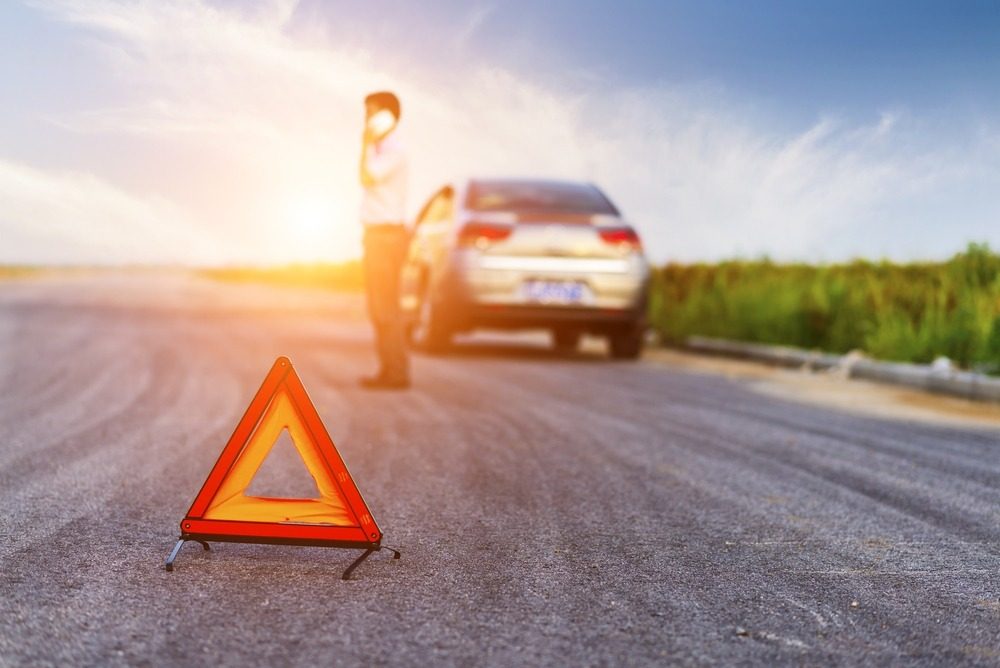
In the event of a breakdown, you must put your vehicle, your fellow passengers and yourself in a safe place. Switch on your hazard lights and park your vehicle (if possible) on the emergency lane. Make sure that you and your companions wear a fluorescent vest when you leave the vehicle, and stand behind the safety barrier. Indicate the presence of your vehicle (warning triangle). If you break down on a motorway in Flanders, contact your assistance company. They will be able to open a file and check whether you are on a stretch of motorway managed by FAST. If so, they'll ask you to call 101, which, based on your GPS location, will send the corresponding FAST recovery operator. If your car is towed to the next exit (or to the recovery operator's depot), your assistance provider can take over from that point using their own network.
Reimbursement of FAST recovery by your assistance provider
Check the General Terms and Conditions of your assistance contract and see whether financial cover is provided only for FAST towing on a motorway, or for both towing and signage costs.
For information: Some Redion contracts, including "older" annual contracts with a breakdown/towing assistance option, provide for reimbursement of towing costs up to a maximum of EUR 250 (a ceiling normally sufficient for a standard breakdown), but exclude signage costs.
Other contracts, such as the new annual contracts "Light", "Smart", "Sport" and "VIP", provide, under their "Mobility Assistance" option, for reimbursement of signage costs as well as reimbursement of towing up to a maximum of EUR 250.
A breakdown on a motorway in Wallonia or Brussels-Capital: the SIABIS+ file
Since 13 December 2019, a similar procedure has applied on Wallonia's motorways.
You'll find all the information by clicking here.
Useful links
https://wegenenverkeer.be/FAST
http://www.datassur.be/fr/services/siabis