At a glance
Any of us could be the victim of, or a witness to, a road accident.\ What should you do if there's an accident? And what if there are injuries, or you're a witness?
Being the victim of, or a witness to, a road accident can happen to any of us, on any trip.
What should you do if there's an accident? And what if there are injuries, or you're a witness?
A few basic rules
- Whatever the situation, try to stay calm. An accident is a traumatic or stressful situation for everyone involved, whether you're in the right or not. The same goes for witnesses. Try as much as possible to look at the situation objectively and keep it in perspective.
- Think about your own safety, as well as that of the victims and of any witnesses or bystanders. An accident often leads to one or more further accidents, mainly when there's been a lack of foresight about safety.
- Assess the situation: - Are there any casualties? How many are there, and how old are they? How serious are the injuries? - Is it purely material damage? - Is there a safety risk (e.g. risk of fire or explosion)?
- If there are injured people: call, or get someone to call, the emergency services and the police straight away (number 112)
3 situations you could find yourself in
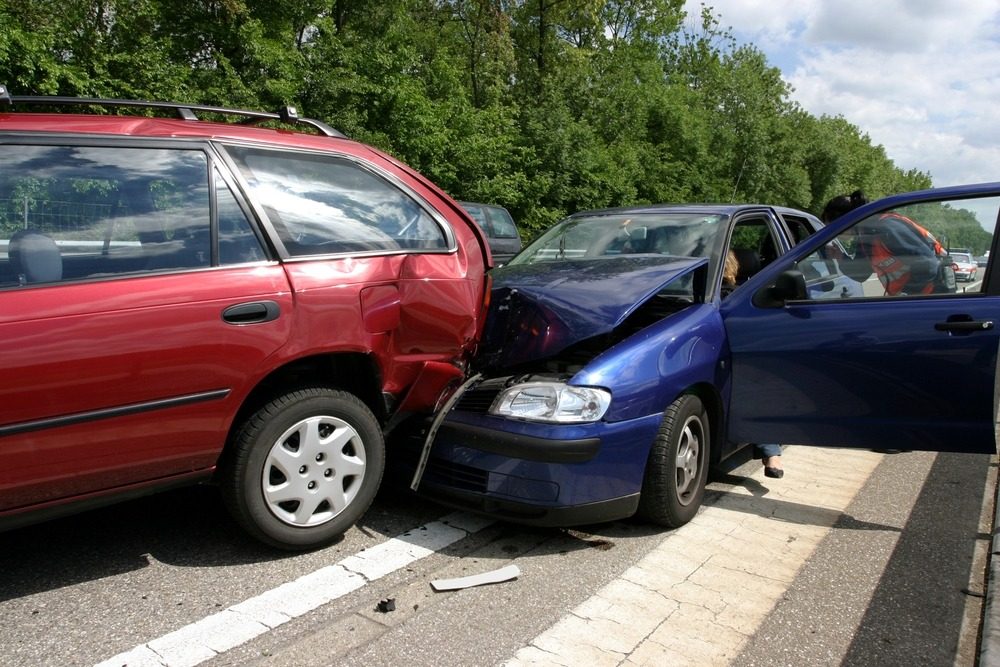
Situation 1 You're the victim of a road accident, there are no injuries, only material damage
- Put on your hi-vis vest and make sure the other passengers do the same.
- Move the other passengers to a safe spot (on a motorway, behind the barrier).
- Make sure the accident site is clearly visible (hazard lights, warning triangle 50m away).
- Move the vehicles, or get someone to move them, to clear the road, but first mark their position on the road with chalk, along with any braking marks and debris.
- Gather any witnesses. Ask them for their contact details, and ask who might be willing to give a statement.
- Fill in your European Accident Report. If the two parties can't agree, call in the police. Call the police if you notice that the other party is under the influence of alcohol or drugs, or if their vehicle documents aren't in order.
- If possible, take photos, which you can attach to your statement.
- Once the reports are filled in and signed, contact your assistance company if your vehicle can't be driven, and ask them to come and tow it.
- Send the accident report to your insurer as quickly as possible.
Situation 2 You're the victim of an accident and there are injuries
- In this case, it's essential to think first about getting help for the injured person or people, so call 112. Give the exact location of the accident, the type of emergency (or injuries), and the number of people injured or in danger.
- In the event of personal injury, the police must come to the scene to draw up a report.
- Then follow the recommendations under point 1, but don't move the vehicles yourself. This can only be done once the victims have been taken away and the police have made their report.
Helping the injured:
- reassure the injured person(s) by telling them help is on the way;
- if the injuries are minor and the victim can move: help them to somewhere safe;
- if the injuries are serious: never move the injured person, unless there's an immediate danger of fire, explosion, collapse or similar;
- if the person is conscious, reassure them, talk to them, ask them questions to help them stay conscious. Make sure they can breathe freely and, if needed, give them a blanket so they don't get cold.
- if you or other witnesses have had first aid training, you may be able to give first aid. Note: never remove an injured motorcyclist's helmet!
Situation 3 You're a witness to an accident
- First think about your own safety before heading to the scene of the accident (park your vehicle at the side of the road with your hazard lights on, put on your hi-vis vest, only step onto the road once you're sure no vehicle can hit you, etc.).
- Assess the situation, as described above in the introduction.
- Make sure someone calls the emergency services if there are injuries. See the procedure for helping the injured above.
- If possible, set up a safety perimeter around the accident scene.
- Ask other witnesses to help you warn, slow down or stop traffic around the accident.
- When it comes to the report: if you saw the accident happen, come forward to the parties involved as a witness to the accident.
Important to know:
Highway code: Anyone involved in an accident must stay at the scene so that a report can be drawn up.
Criminal code: Everyone has a duty to help others in a situation of danger or peril.
One last tip: always keep a blank European Accident Report form on you, along with a pen that actually writes and a small piece of chalk!