At a glance
You've committed a traffic offence abroad and receive the fine at home in Belgium? Do you have to pay it?
You've committed a traffic offence abroad and receive the fine at home in Belgium? Do you have to pay it?
Extensive European cooperation
For several years now, our country has been cooperating with other European states to exchange vehicle registration data in order to make it easier to collect fines for traffic offences.
If, following a traffic offence abroad, a motorist isn't asked to pay their fine on the spot to the local enforcement authorities, they may well receive the fine at home (much later) at their private address.
This rule was introduced following a 2011 European directive (2011/82/EU).
The document sent to the offender must state, in the offender's own registered language, what the offence was (the official report itself doesn't need to be translated, but the description of the type of offence does), the payment terms and the procedure to follow in case of dispute.
What happens if the fine isn't paid?
Under Belgian law, if the translation requirement mentioned above is not met (*), the offender is not required to pay the fine sent to their private address. However, they should be aware that this does not mean the fine is cancelled in the country where the offence was committed.
In practice, this means that if they're checked later in the country where they committed the offence, the offender may still have to pay the fine there, possibly with additional costs on top.
The best advice is therefore to pay the fine, unless you have enough evidence to dispute it.
It's also possible for the authorities of the country where the offence was committed to have the offender's country of residence collect the fine on their behalf.
Good to know: In some countries, such as France, paying the fine immediately or quickly usually entitles you to a "reduced rate"!
If payment is late, the fine can be increased significantly.
Speeding: more and more vehicles caught by speed cameras in France
 In 2016, close to 500,000 Belgians were fined in France.
In summer 2017 alone, this figure had already exceeded 210,000.
During summer 2019, the number of fines sent by the French authorities to Belgian offenders rose by 8%.
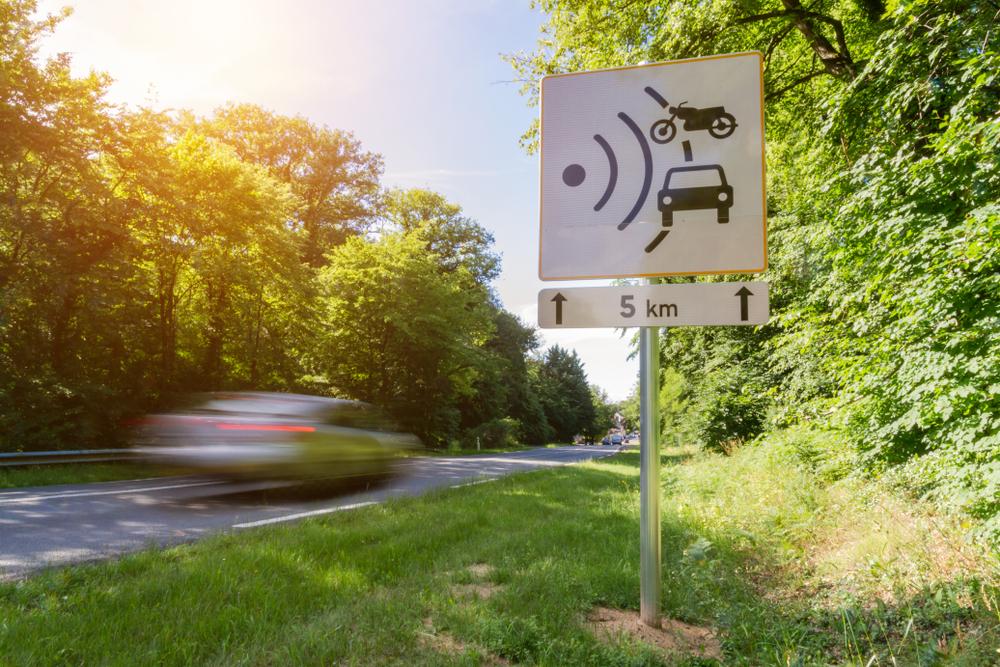
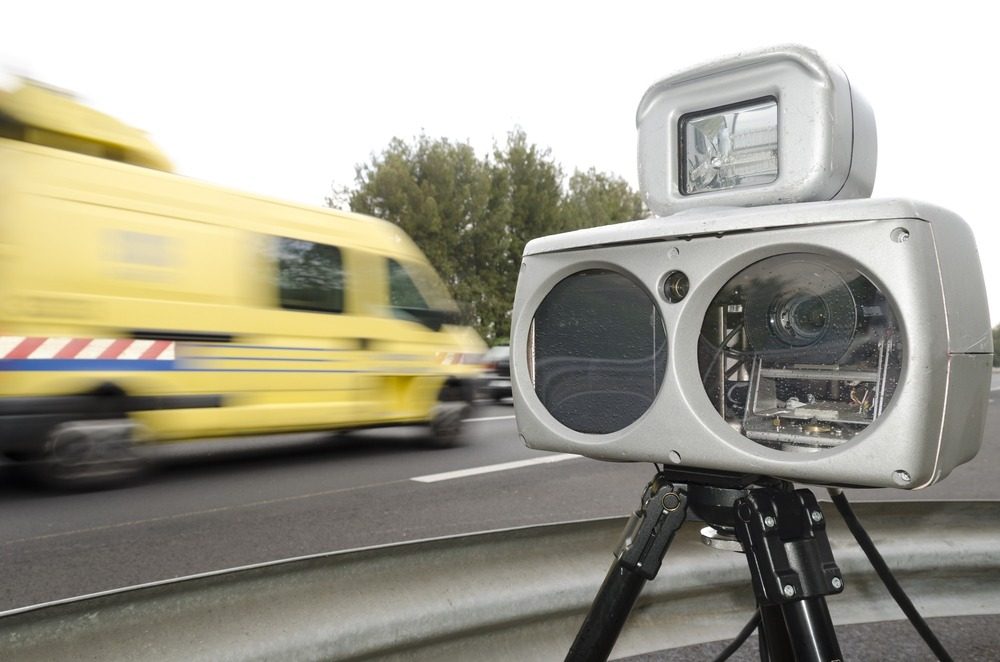
In recent years, France has been fitting more and more mobile speed cameras. They are installed on board unmarked vehicles driving in the traffic flow. Every year, these cameras catch several hundred thousand motorists, a large proportion of them driving foreign-registered vehicles. These cameras are undetectable because they are hidden behind the number plate. The technique is simple: if the police car is travelling at the maximum speed allowed, every vehicle that overtakes it is automatically caught. These cameras can catch cars overtaking, but also oncoming cars. This means the cameras can also catch cars they pass going the other way if those cars exceed the speed limit.
Compared to fixed speed cameras, these mobile cameras are more effective: 66% of photos from mobile cameras can be used, against 60% for fixed cameras.
Major speeding offences (more than 50km/h over the speed limit) account for 1% of the flashes triggered by mobile cameras, against only 0.2% for their older fixed counterparts. Most flashes involve more "moderate" speeding.
Besides these mobile cameras, French roads also have several hundred semi-mobile speed cameras installed along roads and roadworks, as well as dummy cameras used to deter speeding and raise awareness.
Note: In France, since 1 July 2018, the maximum speed on secondary two-way roads without a central divider has dropped from 90 to 80 km/h.
It remains 90 km/h on roads or sections of road where overtaking is possible without crossing into the opposite lane. Pay attention to road signs and respect speed limits. Many checks will be carried out.
Note: Be careful, certain speed camera detection systems or warning devices used by motorists — including GPS systems — are banned in many European countries (specific rules exist depending on the country) and can expose you to heavy fines.
Tip: Don't lose the official report you received from abroad. It's very difficult, if not impossible, to get a copy from the authorities. You would then have to wait for a new payment notice... with a surcharge!
Useful links:\
Also read:
- Traffic rules abroad
- Headphones and earpieces banned while driving in France
- Speed cameras, detectors and camera warning devices