At a glance
What are the features of dashcams? What can and can't you do with the recorded footage?
The use of dashboard cameras (dashcams) in private vehicles is becoming increasingly popular. More and more dashcam models are therefore being put on sale.
What are the features of these dashcams?
What can and can't you do with the recorded footage?
Our blogger Alain Dierckx investigated this for us.
What is a dashcam for?
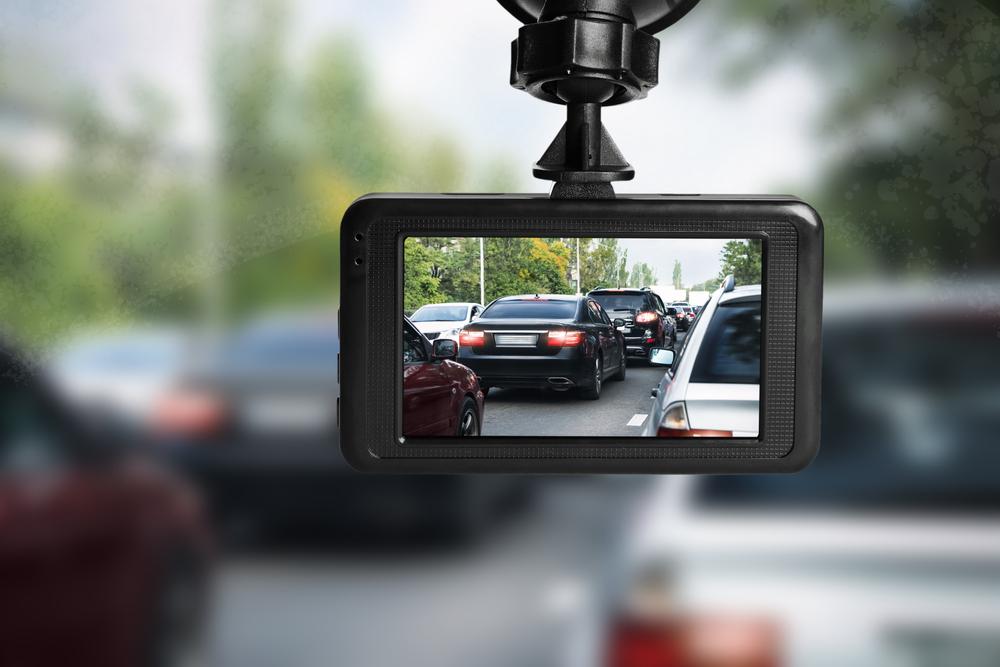
Dashcams are cameras installed in a vehicle on the dashboard or windscreen. They're designed to record footage of the traffic around the vehicle. Most dashcams have a motion sensor that triggers in the event of unexpected movement, such as a collision.
In principle, a dashcam shouldn't be handled while driving. It therefore shouldn't distract the driver the way a smartphone would. However, the dashcam should be installed as far as possible outside the driver's direct field of vision.
The different types of dashcams
There are different types of dashcams, ranging from basic devices to advanced devices with many options.
The classic dashcam films the traffic in front of the vehicle and stores the footage on a memory card.
What options are available on a dashcam?
- GPS function: records the coordinates of the location where the footage was taken.
- Parking mode: if there's a rear camera, it can help with reversing into a parking space.
- Night vision: this function improves the quality of footage recorded in the dark.
- WIFI: this function lets you control the dashcam using a smartphone and means you don't need to remove the memory card from the dashcam to view the footage. You obviously need to stay within the wifi range, which is about 5 metres.
- Memory card expansion: lets you record more footage and keep it for longer.
- Polarising filter: reduces windscreen reflections in the footage.
- Higher resolution: significantly improves footage quality.
- Emergency services call: this option lets you alert the emergency services in the event of an accident and share your location.
How much footage can be stored on a dashcam's memory card?
The higher the resolution, the less footage you can store, as these files take up more space on the memory card.
Here are two examples:
- In high resolution 4K + Full HD, you can store about 4 hours of video on a standard 64GB memory card.
- In low resolution Full HD + Full HD with a 512GB memory card, you can store about 54 hours of video.
What can and can't you do with dashcam footage?
You should always comply with privacy protection laws regarding the use and storage of recorded footage*. In Belgium, the data protection authority distinguishes three types of footage use:
Recreational use
In Belgium, if the footage is kept privately and not made public, its use is unrestricted. If you want to make the footage public, you must first ask for the consent of the people filmed.
If your dashcam films a journey in your vehicle, however, it's impossible to ask permission from everyone who appears in the footage. This footage may therefore not be able to be made public.
For other European countries, it's best to check the privacy protection laws in force beforehand. These laws can vary greatly from country to country.
Using footage as evidence in a collision, road rage incident or hit-and-run
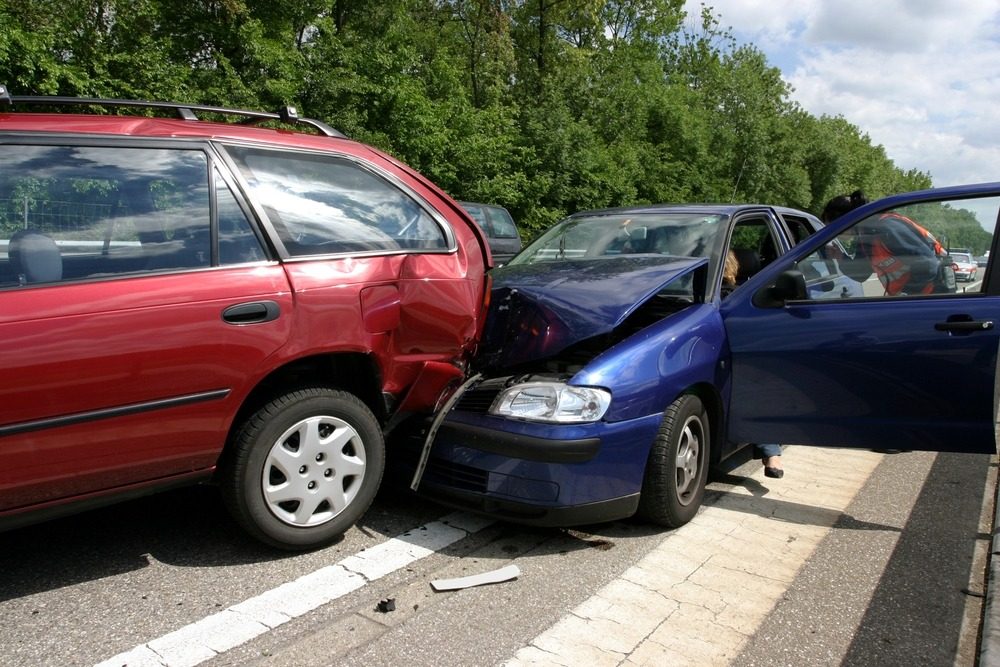
Dashcam footage can be used in the event of a collision or road rage incident. However, the dashcam owner must state, from their very first contact with the other driver, that they have footage from their dashcam and that they'll use it as evidence. It's best to also state this in the police report or accident statement.
In the case of a hit-and-run, it isn't always certain that the footage can be used. This depends on the judge's decision, which is based in particular on the recording angle used and the accuracy of the GPS coordinates (if this function is available).
Use in a taxi
A taxi driver can install a dashcam in their taxi to ensure their safety. These are dual-camera dashcams: the first is aimed at the traffic and the second at the inside of the taxi.
This type of dashcam falls under surveillance camera legislation rather than privacy protection law. Passengers must be informed of the presence of a surveillance camera by means of a pictogram, and the data protection authority must be informed before the surveillance camera is installed.
Note: in some countries, such as Germany, recorded footage can only be used privately. It can only be published online if number plates and people's faces are made unrecognisable.
Which authorities can you share dashcam footage with?
You can share your footage with the federal public prosecutor's office, the police and the relevant insurance companies. The footage may be accepted in certain circumstances and treated as statements made by witnesses. Note, however, that judges sometimes prohibit the use of dashcam footage in certain legal cases.
* The information in this article is valid as of its publication date.