At a glance
Good gear helps keep a motorcyclist safe. Here's the list of what you should have.
To enjoy a ride or a pleasant motorbike trip, having a flashy machine in good working order isn't enough on its own. Gear also plays a part in a motorcyclist's safety.
Serge, Redion's motorcyclist, gives us the list of what should be part of every motorcyclist's mandatory gear.
Mandatory gear for motorcyclists
Before 1 September 2011, only wearing a helmet was mandatory on a motorbike. Since then, a minimum level of gear is required. The highway code states that every motorcyclist must wear "protective clothing". In practice, that means a helmet, gloves, long clothing covering the arms and legs, and footwear (boots or ankle boots) that protects the feet and ankles.
First, a few questions:
What do you use your motorbike for?
Do you use it for long rides? For short trips?
Do you mostly ride in town? On the motorway? In all weather?
The answer to these few questions will help you pick the most suitable gear when you go to a specialist shop.
1. The helmet
The helmet must be approved. If you buy it from a specialist shop, it certainly will be.
There are different types of helmet on the market:
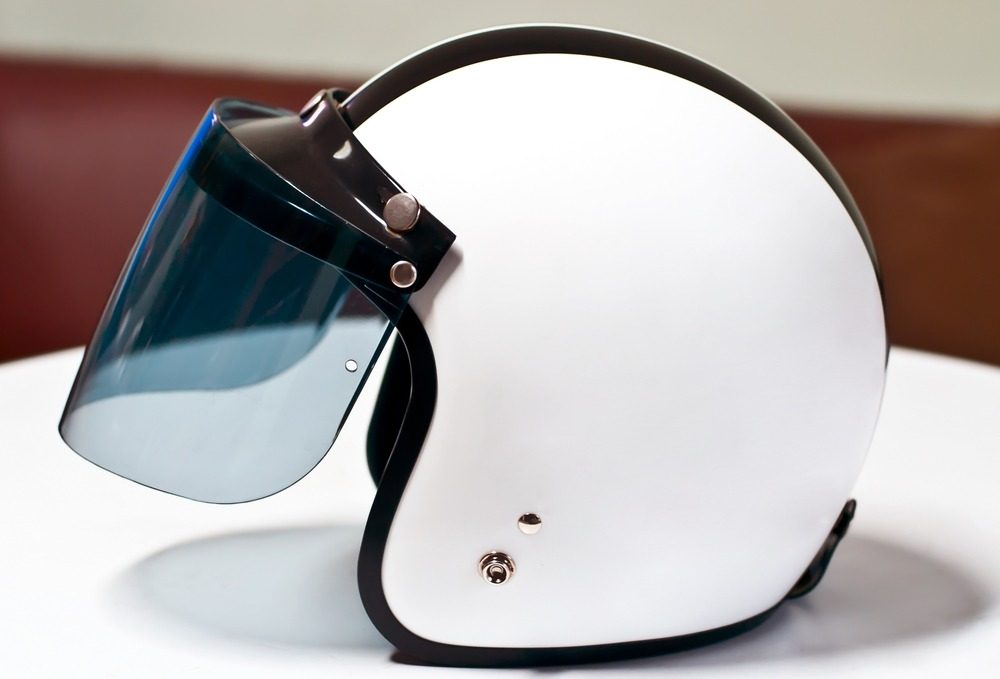
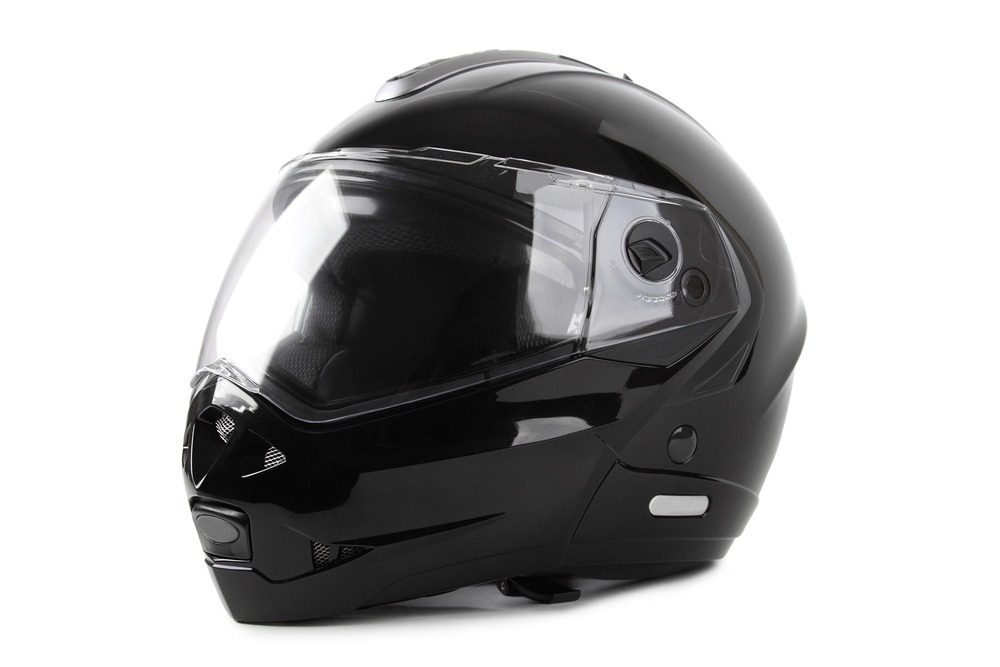
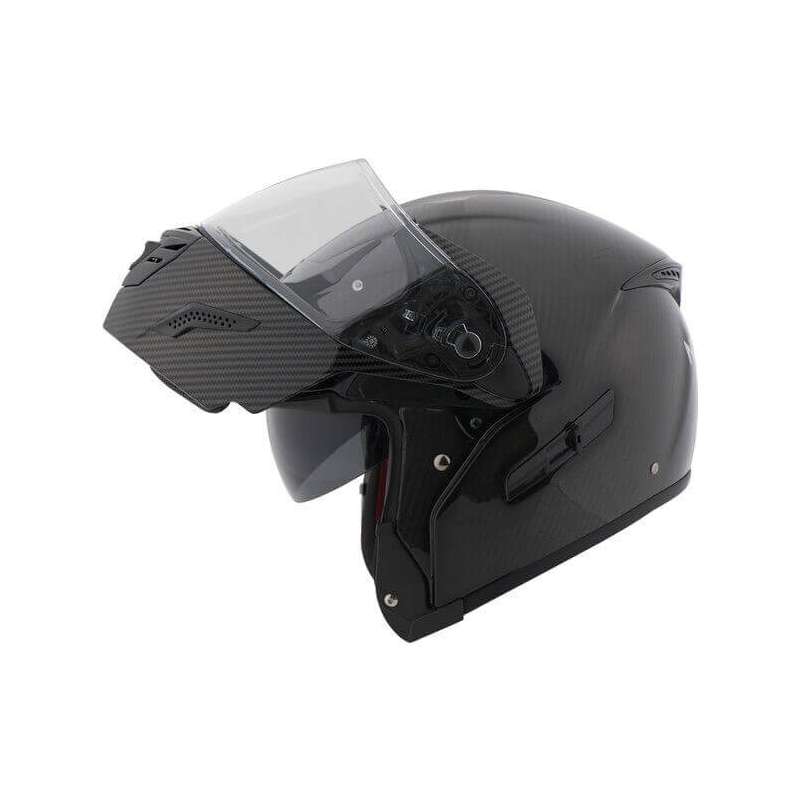
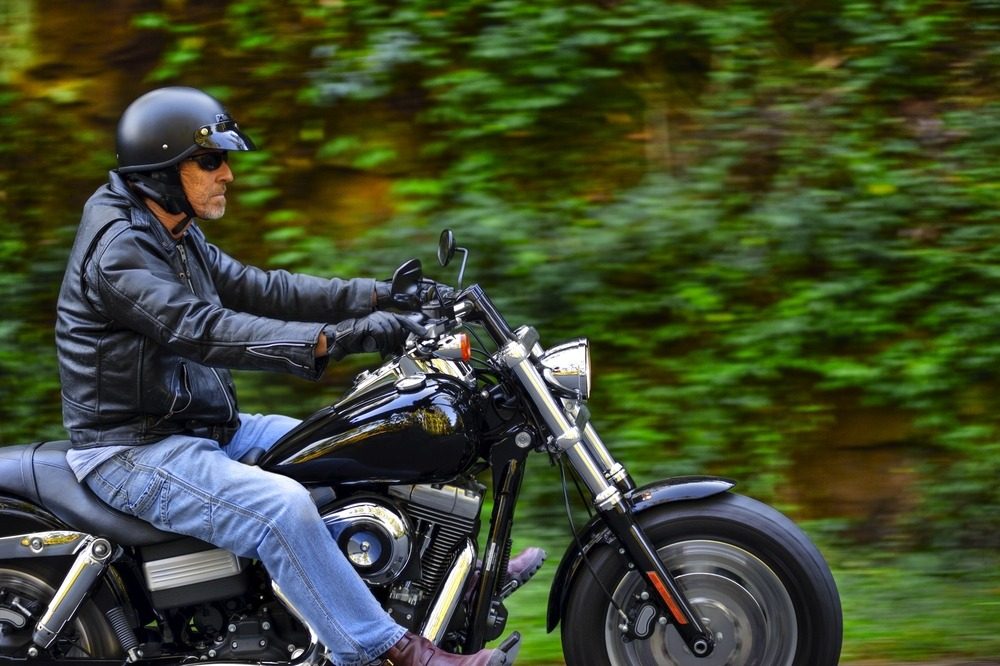
- The "jet" helmet: (see photo) it's light and offers a wide field of vision, but isn't ideal in bad weather or cold conditions.
- The full-face helmet: (see photo) it protects the head and chin and offers better protection. Its downside is a more limited field of vision, its weight and its "discomfort" in hot weather.
- The modular full-face helmet: (see photo) this is a full-face helmet that lets you flip up the chin guard.
For Serge, a full-face or modular helmet is preferable to the small jet helmet, which offers better visibility but doesn't protect the chin.
Good to know:
- When choosing a helmet, it's better to go for a snug-fitting model rather than one that's too big. The inside of the helmet will loosen up a little over time.
- A helmet also helps you be seen by other road users. So it's better to choose colours that are clearly visible from a distance (preferably white, red, yellow, orange) or add reflective strips.
- A helmet also shouldn't be too old. Sunlight degrades its outer shell, and it loses strength over time. Replace it roughly every 3 years.
- A helmet should never have been through an impact equivalent to a fall from a height of more than one metre. If it has, the foam padding inside gets compressed and the shell weakens. This damage often isn't visible from the outside. If your helmet has been hit in a fall or an accident, it's best to replace it.
- While a tinted visor does protect well against bright sunlight, it won't give you perfect vision if the weather changes. Think about that when buying! Choose a helmet with a good-quality visor that guarantees clear, undistorted vision straight ahead and to the sides.
- Don't buy a "second-hand helmet". It may have taken an impact or be "too old", and it won't guarantee your safety.
For more information, read the article "How to choose the right motorcycle helmet"
2. Gloves
These are just as mandatory, even though many motorcyclists don't like wearing them, especially in hot weather. Although the law doesn't require a specific type of glove, it's best to ride with leather or synthetic gloves with protective padding. Remember that hands are often what "take the hit" in a fall. Choose gloves that let you operate your motorbike's controls properly.
3. Footwear
This needs to be high enough to protect the ankle bones (the ankles). Here too, it's better to ride in motorcycle boots or sturdy ankle boots than in canvas "Converse"-style shoes which, although they cover the ankle bones, aren't stiff enough.
In many accidents, a foot gets trapped between the fallen motorbike and the road. A painful foot or ankle fracture can often be avoided with suitable footwear that cushions the impact.
4. Clothing
Suitable clothing (motorcycle jacket, long trousers) in leather or fabric (avoid nylon) will protect you in a fall, but also in the rain. Favour clothing that's sturdy, waterproof, "breathable" and resistant to abrasion or friction.
Don't forget your hi-vis or reflective jacket either, which will help you be seen from a distance.
Also read the article: "Carrying children on a motorbike"
And see our "Motorcyclists" special report