
At a glance
Discover practical travel tips for China and learn more about Chinese cuisine and the climate of this magnificent country.
CHINA
Capital: Beijing
Language: Chinese
Currency: Chinese yuan, also called Renminbi. Exchange rate: 1 CNY = ± 0.13 EUR
Belgian Embassy in China: china.diplomatie.belgium.be
Driving licence: Neither the Belgian driving licence nor the Belgian international driving licence is valid in China.
Card Stop (lost or stolen bank or credit card): 078 170 170
Doc Stop (Belgian ID card or passport lost or stolen): 00800 2123 2123 or + 32 2 488 2123
Emergency numbers:
- General police: 110
- Ambulance: 120
- Fire brigade: 119
Assistance: Redion (Belgium):
- Tel.: +32.(0)2/533.75.75 (general number)
- Website: http://www.redion.be
- For medical and technical assistance only: Email: help.be@redion.com
Common words and phrases:
- Hi — Nihao
- Good morning — Zaoshang hao
- Good evening — Wanshang hao
- Goodbye — Zaijian
- Where are the toilets? — Cesuo zai nar?
- Excuse me — Duibuqi
- How much does it cost? — Duoshao qian?
- Thank you — Xiexie ni
Did you know?
Spitting in the street is a common and normal sight in China. It happens all over the country, often quite noisily. For the Chinese, spitting in the street is seen as a sign of hygiene.
Are you travelling to China? Here are a few useful tips:
Travel documents and customs formalities
You need a visa that allows you to stay in China for one month. It's important to apply for a visa before you leave, as it's impossible to obtain one on the spot. Your passport must be valid for at least 6 months and have at least 3 blank pages. You will need a return ticket and/or proof of hotel booking.
Before you leave, visit the website of your destination airport for information and updates on all mandatory arrival and departure formalities.
There are no special restrictions on importing foreign currency. However, you must declare all personal electronic equipment. If you are an art lover and buy items of particular artistic value in China, it's important that they come with an export certificate issued by the Cultural Relics Appraisal Institute.
The healthcare system in China
Urban areas have competent medical and healthcare staff, but few speak any language other than Chinese. Hospitalisation is very expensive, especially for foreign nationals. We recommend taking out good insurance before you leave. There is no compulsory vaccine for China.
Also read our article on coronavirus by clicking here.
Safety in China
China is generally a safe country. Be careful when visiting very touristy or densely populated regions or cities, as petty crime is on the rise there and particularly targets foreign visitors. Always respect local laws to avoid any conflict with the Chinese authorities. Especially in the area of drug use and trafficking, very severe penalties (including prison) are imposed, up to and including the death penalty.
Before you leave, be sure to check the latest travel advice for China onthe website of the Belgian Federal Public Service for Foreign Affairs.
It is recommended that you register your trip to China onTravellers Online. This allows the Federal Public Service for Foreign Affairs to contact you should an emergency arise.
Climate and religion
China is a very large country with varied climate zones. The north is characterised by a continental climate with hot, humid summers and cold, dry winters. Central China has a subtropical climate with very mild winters and rainy summers. In the south, the climate is tropical with monsoons, very cold winds in winter and intense heat in summer. Summer is the peak tourist season.
The most important religious movements are the Buddhist and Taoist currents. Atheism is also very widespread in China. There are also Christian and Muslim minorities.
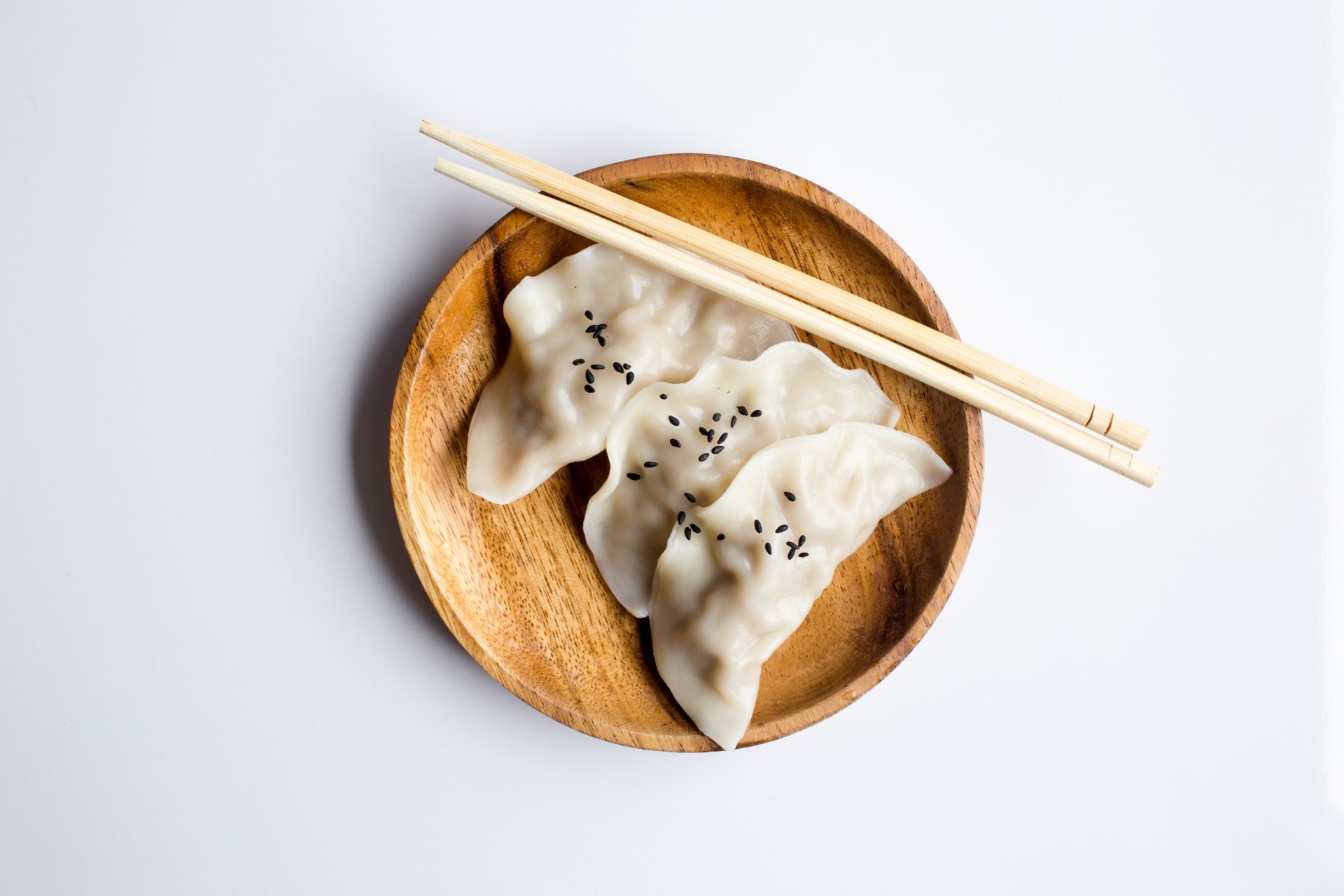
Chinese cuisine
You will quickly realise that the Chinese cuisine we know here is very different from traditional Chinese cooking. Forget spring rolls and roast duck, and let yourself be tempted by the lesser-known delicacies of Chinese cuisine, such as "dim sum" and noodle soup. One good piece of advice we can give you is to familiarise yourself a little with the Chinese language before you leave, which will help you communicate and translate the names of these new dishes.
Which travel insurance should I choose for a trip to China?
At Redion, you can take out either temporary or annual travel insurance.
All travel insurance policies include the following benefits:
- Reimbursement of medical expenses
- Organisation of, and assistance with, your repatriation and that of your travelling companions if necessary
- Early return in the event of hospitalisation or death of a relative in Belgium
- Assistance in case of lost documents
If you only travel abroad once a year, temporary travel insurance may be useful. If you travel several times a year, annual travel insurance will be the more cost-effective option.