At a glance
Backpacks come in every style and size. How do you choose the backpack that best suits your trip?
The importance of the backpack
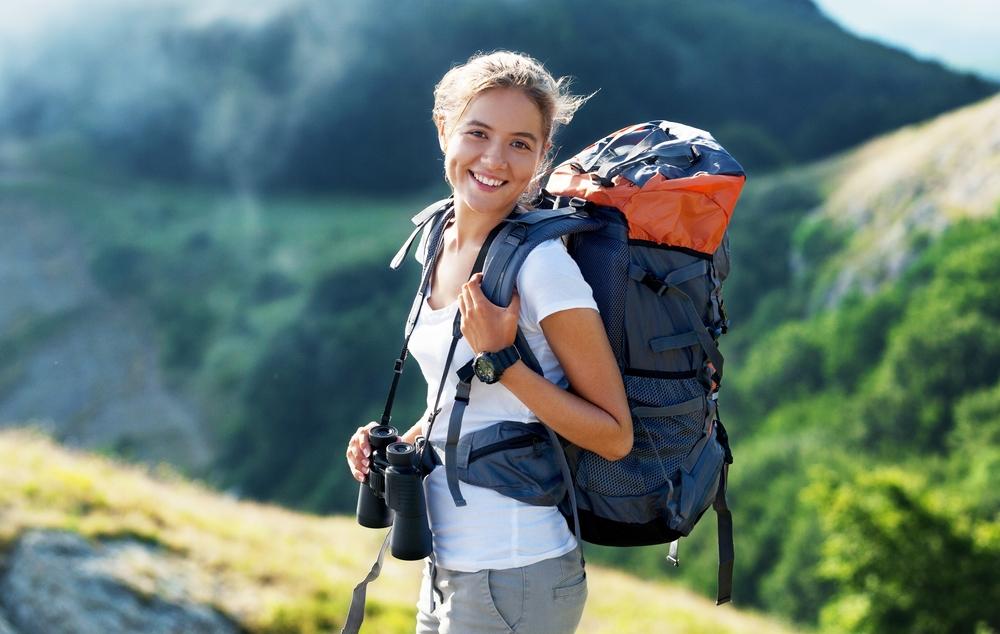
The backpack is part of the essential basic gear of every hiker, backpacker or adventurer. Choosing it well matters all the more because it will be carried on your back all day long, so it needs to be sturdy, light and, above all, comfortable.
How do you make the best choice?
Plan for 2 backpacks
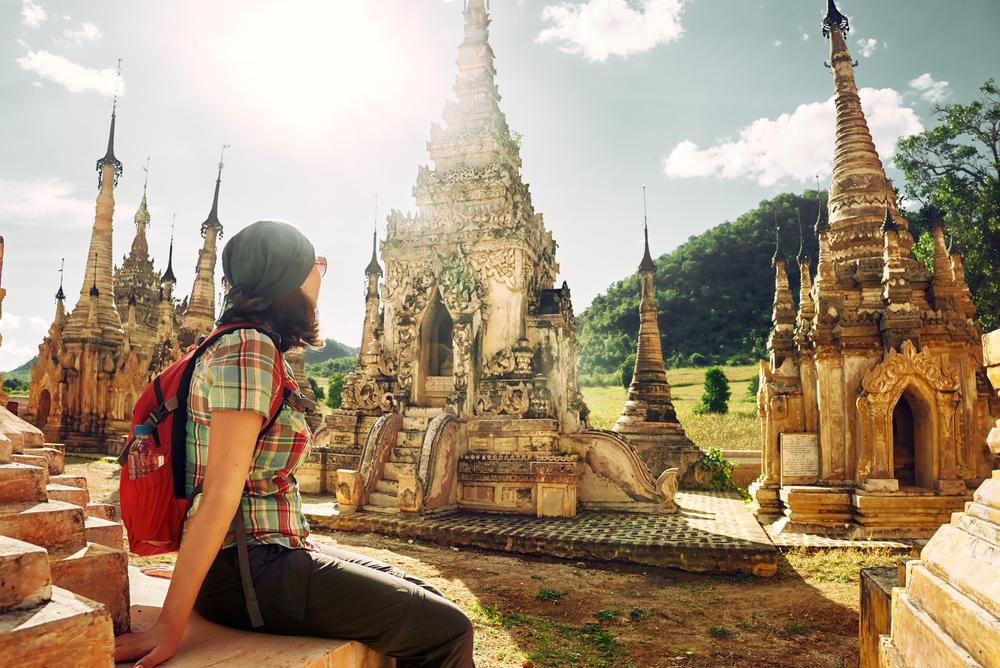 It's important to plan for 2 backpacks: the first one large enough to hold your luggage and gear, the second for your short walks or day trips. This way you can check your large bag as luggage (if travelling by plane) or put it in the boot (if travelling by car or coach) and keep the small bag to carry light, useful items within reach.
There are detachable backpacks that combine both formulas. This system is very practical, but it can sometimes make it harder to access the large bag to which the small bag is clipped. In that case, avoid putting heavy items in the small bag, as this could shift your centre of gravity and have a negative impact on the load you're carrying (and on your back!).
The other option is to bring separate backpacks. Avoid wearing both at the same time during long walks, and pack the small bag inside the large one instead.
Choose a day bag that's waterproof, light and compressible. Some are inflatable so they can also double as a small cushion.
Which type of bag should you choose?
1. The traditional backpack
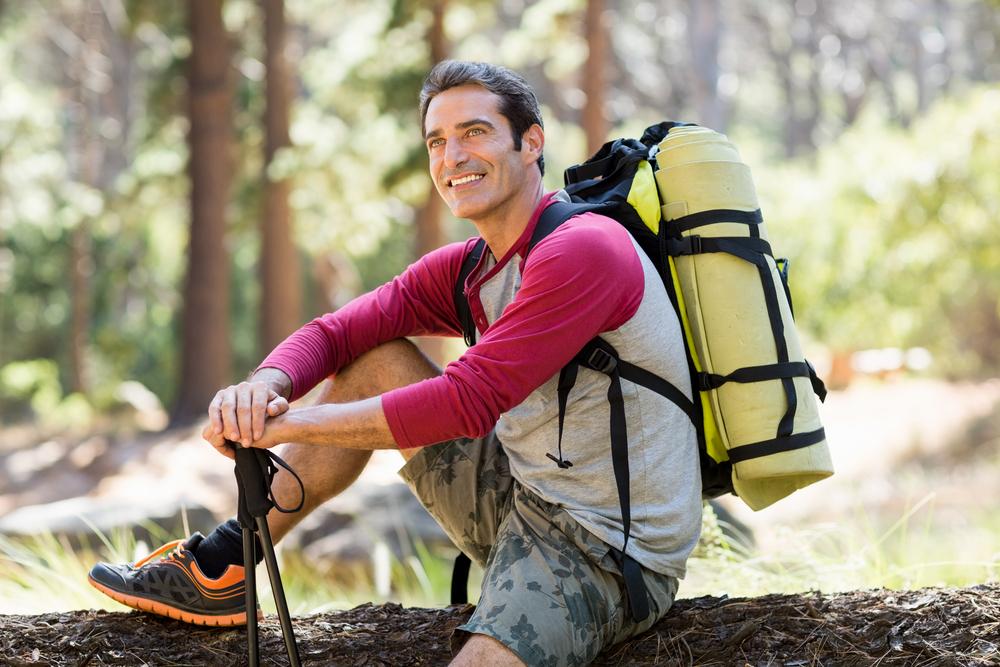 The traditional backpack, with compartments and several straps, is the most widely used. Opt for a bag that's easy to carry, light enough, with pockets that give good access to your different items … and not too expensive.
Some bags allow air to circulate against your back, which is very welcome when hiking in a hot or tropical country!
2. The suitcase-style backpack
This type of large bag opens up completely, like a suitcase. It's therefore less compartmentalised than a traditional backpack. The advantage is that it lets you easily access everything inside (the same ease as opening a suitcase). The downside is that it's harder to distribute items correctly according to their weight.
3. The wheeled backpack
Some backpacks come with wheels. This may seem odd, since backpacks are designed for travellers to cross terrain that doesn't allow for wheels. Wheels only really make sense on flat (and paved) ground, or when going through train stations or airports. They will spare your back in those cases.
Selection criteria
1. What empty weight?
The weight of most backpacks varies considerably depending on the type and brand (from 1.5 kg to more than 3 kg). Even though it's always advisable to opt for a light bag, comfort, sturdiness and the type of trip can play a role in your choice and steer you towards a somewhat heavier bag.
What's the maximum load you can put in the bag?
As a general rule, the weight of a loaded backpack should not exceed 20% of the carrier's weight (so no more than 16 kg for someone weighing 80 kg). For a long trip, the ideal percentage is even below 15%. Keep this in mind when packing and be selective. Don't bring everything you can lay your hands on just to fill your bag. See Thomas de Dorlodot's tips on this.[](/en/blog/a-dream-trek-in-new-zealand)Place the heaviest items at the bottom of the bag, well distributed on both sides or in the middle. That way the centre of gravity stays as close as possible to your body.
2. What volume?
The volume a large backpack can hold can exceed 60 litres. However, this volume is too much for most trips. Stick to a volume that truly matches what you want to bring, and avoid the unnecessary.
Good to know: there are bags designed specifically for men, for women or for children. The differences concern, among other things, the chest straps, the shoulder straps, the hip belt and the height of the bag.
3. What sturdiness?
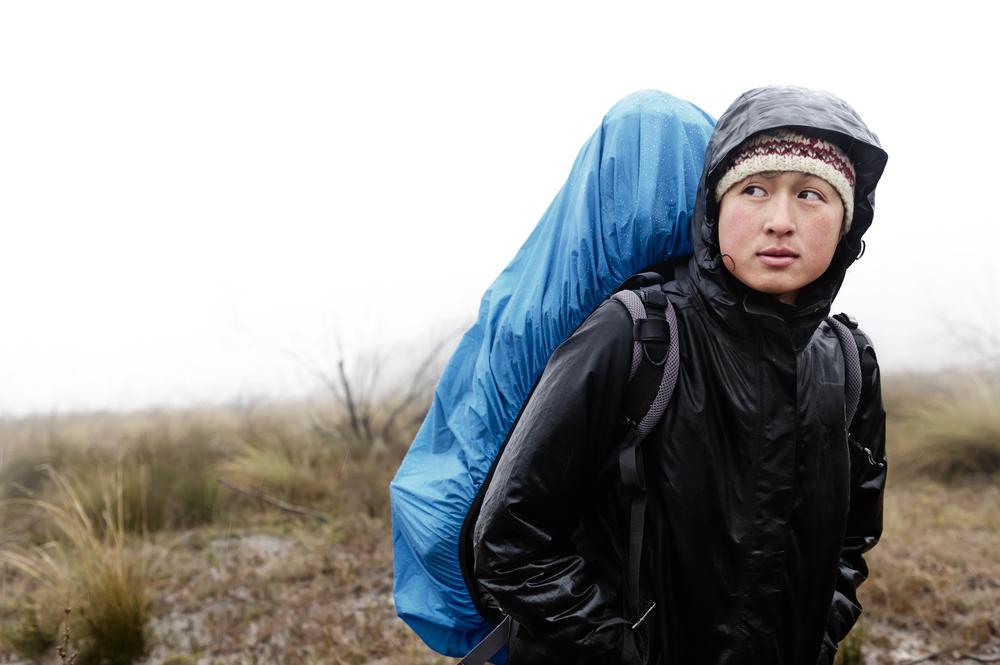 Your bag will need to withstand everything (all kinds of handling, being stacked in car boots or aircraft holds, resistance to water, bad weather, cold and heat, durability). The most vulnerable spots are the fastenings (buckles, zips, …) and the seams.
Some bags come with a cover you can slide your backpack into for protection. Others have a built-in rain cover (e.g. to protect it from rain).
4. What comfort?
Mainly think about the following points:
- The carrying system
- The adjustment system for the straps, shoulder straps and hip belt
- The weight (see above)
- The type of bag that best suits your size and your trip
- The compartments and side pockets: here too, think about how you'll use your bag before buying it: consider what you'll keep in the easy-access side pockets (documents, maps, phone, drink) and what you'll hang or fasten to the bag (e.g. sleeping mat, sleeping bag, shoes, …)
5. What price?
Prices can vary considerably from one bag to another (from around 80 EUR to more than 300 EUR!). If you're a fan of long hikes or if you're heading off on an adventure to remote places, it's better not to take any risks and to favour quality, even though the most expensive brands don't necessarily guarantee all the comfort you need or great durability. Do your research or check sites run by round-the-world travellers.
You'll find good backpacks in shops specialising in trekking or sports equipment, as well as on many websites.
One last tip: never padlock your bag if it has to go through customs services.
Also read:
-Hiking: a few preliminary questions and The GRs, dream trails for your hikes
- Heading off on an adventure with your backpack? Read Tom de Dorlodot's good advice
.