At a glance
Tom de Dorlodot sailed off to discover the Norwegian coast aboard his sailboat. He tells us about his journey and shares his best tips for adventurers who want to follow in his footsteps and conquer Norway by sail.
Tom de Dorlodot, paraglider and adventurer, sailed off to discover the Norwegian coast aboard his sailboat. He tells us about his journey and shares his best tips for adventurers who would like to follow in his footsteps and conquer Norway by sail.
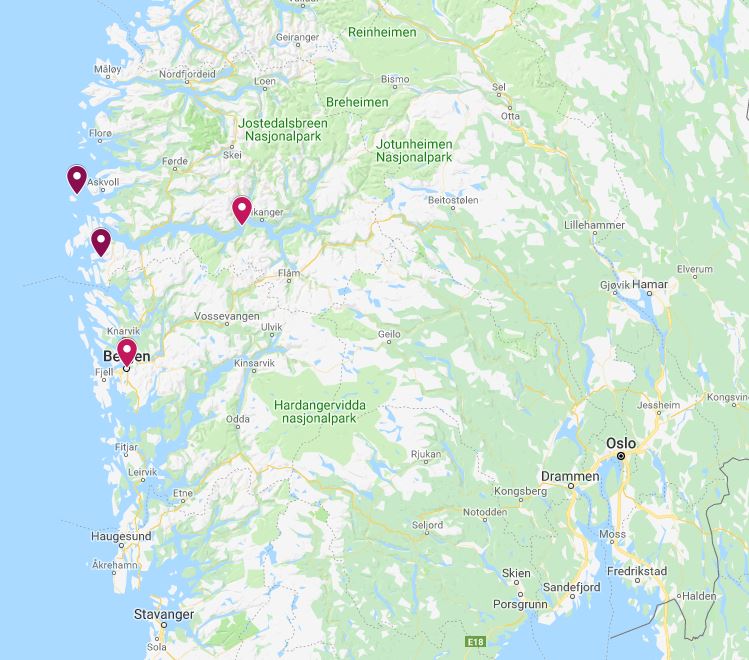 Setting course for Norway
Among the most spectacular landscapes in the world, Norway has become a must for all nature lovers. We were lucky enough to spend a few weeks there last summer with Sofia and our friend Charly. Aboard our sailboat Search, we left the Shetland Islands in Scotland, heading for Bergen. After more than 30 hours at sea, the first peaks rose out of the water. Contrary to what we had imagined, the temperature was above 20 degrees and the sun was shining brightly. Moored in the port of Bergen, where our production team was waiting for us, we spent the day exploring the city.
Bergen
Bergen is an extraordinary city. It's a former Viking village that has managed to keep all its authenticity. Its streets and period wooden façades have tremendous charm. You feel like coming back in winter. Even in summer, there's a festive, Christmas-like atmosphere. The shop windows proudly display reindeer hides, knitted socks and wool sweaters. If you go to Bergen, you shouldn't miss the fish market on the central square, right in front of the quays. There's a great energy and you'll quickly be tempted by the flavours of the seafood! You can sample the catch of the day, seated at little wooden tables in the middle of the crowd.
Conquering the fjords
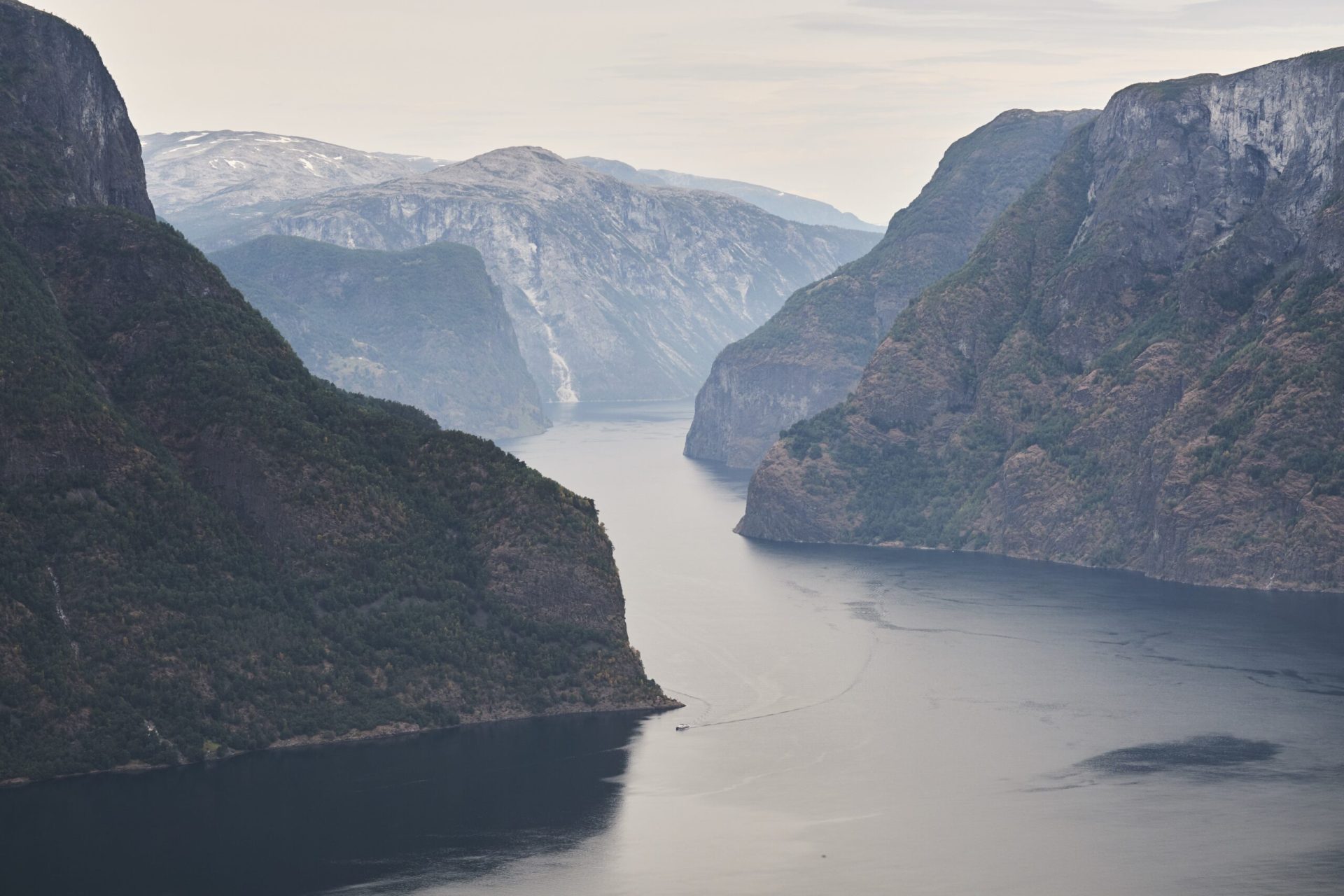
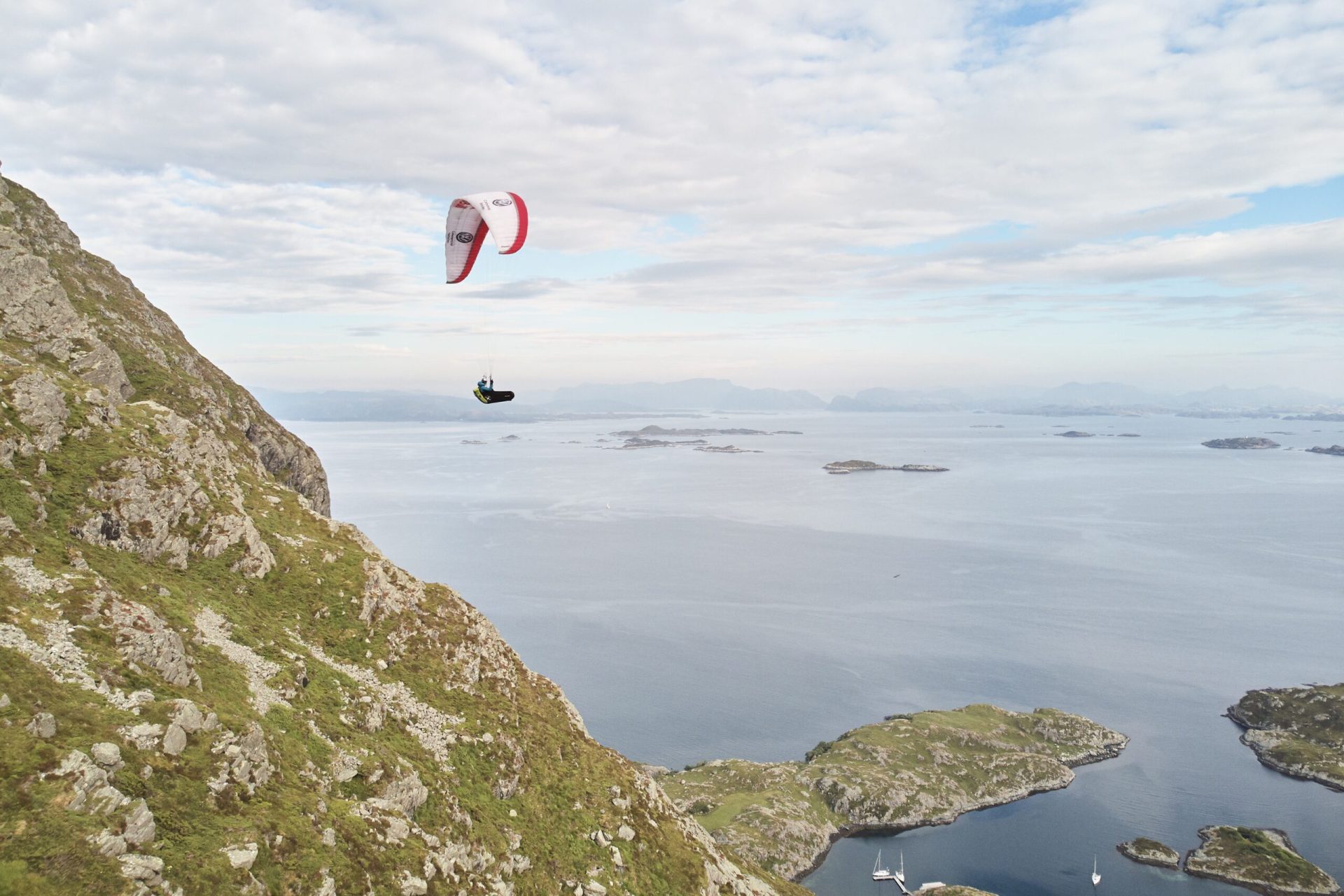 After enjoying an evening in town, we wake at dawn to cast off. This time, we leave civilisation behind and set off in search of remote spots. Sailing in Norway is a dream for many sailors. The scenery is breathtaking. We are surrounded by spectacular fjords. You feel tiny. It feels like sailing through the Alps. Be careful if you visit the islands by sailboat — make sure your anchor is well suited to the seabed. The wind can change very quickly and make your boat drift… watch out for the rocks!
We set course north. With a glassy sea and a glorious sunrise, we sail on. Small fishing boats are anchored off the bays, busy hauling in the day's catch. Suddenly, ahead of us, an immense, dizzying mountain rises out of the water: Alden.
Alden
Alden is a small gem among the many small mountainous islands scattered off the coast of the Sognefjord. Its 481 metres rising above the sea invite us to pull in at a small jetty. A short trail takes you to the mountain's tip, Ystenova Peak, offering a splendid 360° view. The climb is a little narrow and steep, but it eases off as you approach the summit. With my paraglider, I take advantage of the mild weather to open my wing and take off. It's the first time anyone has paraglided on this island. What a magical feeling to open up a new flying site!
On the roads of Norway
Back on the mainland, this time we swap the sailboat for our 4x4, which arrived from Belgium after just a 2-day journey. Search stays at the small port of Sollibotn, and here we are on the long roads (and the very long tunnels). This country has all the infrastructure needed for road trip travellers. You can easily find beautiful spots to pitch your tent. The locals are very welcoming and — after asking their permission — they'll let you set up camp on their land. Every petrol station is equipped with charging points for your batteries, a water tank and somewhere to empty your wastewater. The roads are in perfect condition, not a single loose stone along the way! On the other hand, make sure not to exceed the speed limit — speed cameras are everywhere and the fines are very steep. And watch out, wild animals may cross the road…
Sognefjord
We want to discover the Sognefjord. As the crow flies, the distances don't seem huge. But that's without counting the fjords, which force you to take (very) long detours or a ferry! We were surprised to have to camp in a ferry car park because the road simply stopped at the sea. The next day, we took the ferry and continued on our way to our destination.
Ranked among the 10 most beautiful fjords in Norway, the Sognefjord is the country's longest (204 km) and deepest fjord. You can travel for miles without meeting anyone. Its surrounding mountains are perfect for hiking, mountain biking and even kayaking. The Sognefjord is on its way to becoming a Sustainable Tourism Destination. This label allows destinations to reduce the impact of tourism on the environment.
Norway: a green … but expensive country
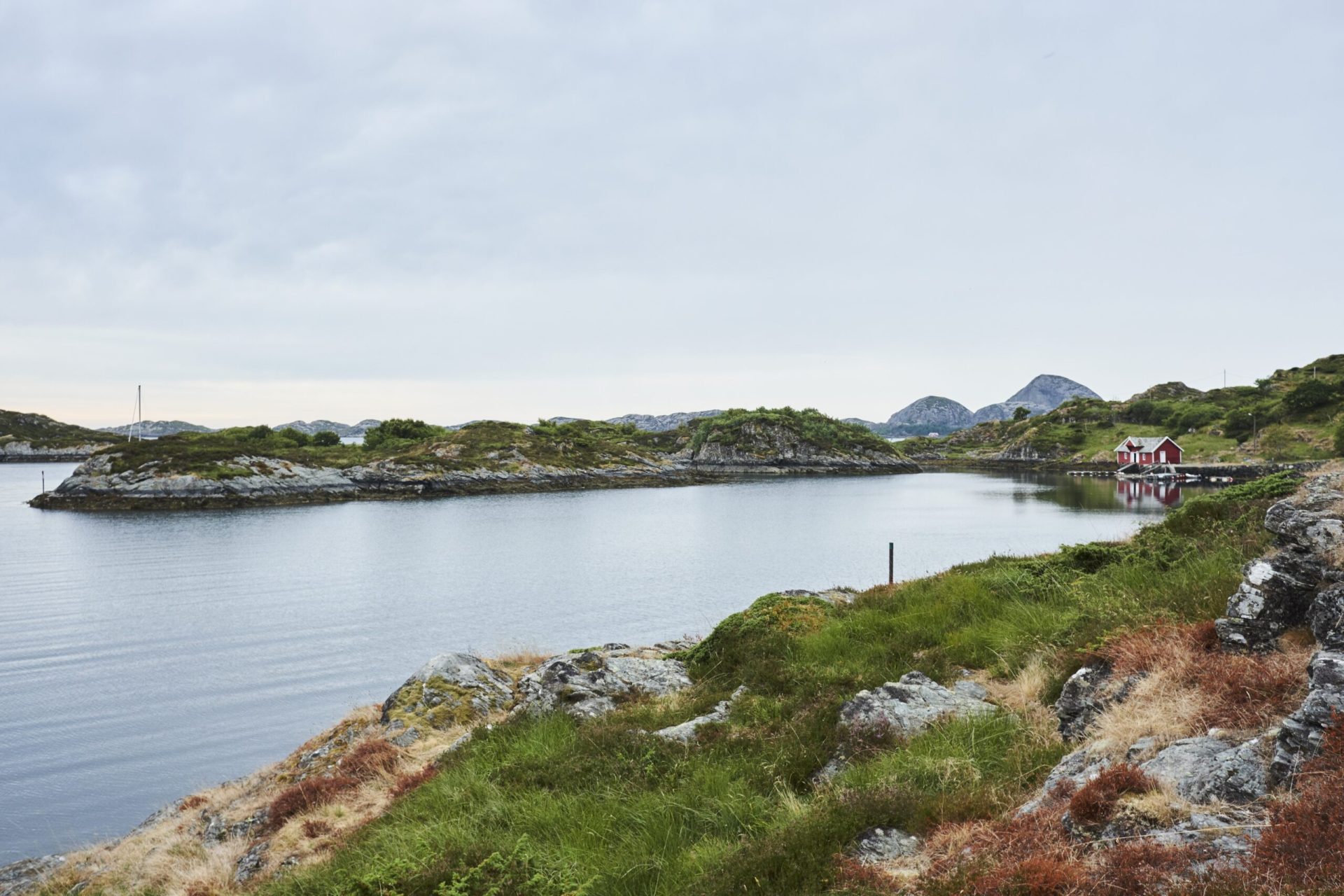 You've probably already heard that Norway is a very expensive country. To discover it without breaking the bank, think about stocking up at a large supermarket in Belgium or France before you arrive. The advantage of this country is that you can feel free. Favour meals you prepare yourself, surrounded by a spectacular view. You'll feel better than in a restaurant!
Both wild and sophisticated, this country is proof that we can live in harmony with nature. Its people are aware of their environment and do everything to preserve it. Travel agencies work hard to make the country a green destination where visitors can feel welcome and inspired.
A few really useful links
I'd like to share with you a few practical websites that might be useful if you're planning to travel to Norway:
- The official ferry website: https://www.norled.no/. You can buy all your tickets online.
- A "how-to" blog for organising a road trip in Norway without blowing your budget: https://www.jenesaispaschoisir.com/2016/09/28/conseils-road-trip-en-norvege/
- The UT.no app is quite handy if you plan on doing a lot of trekking. It features hiking trails (on foot or by bike) and, depending on the level of difficulty and your motivation, lets you choose your route for the day.
To make the most of your road trip, favour lightweight, practical and easy-to-carry gear. But remember to bring with you:
- an organic sunscreen (such as Biosolis) that doesn't damage aquatic plant life
- walking poles
- waterproof hiking boots
- for river lovers, a packraft (an inflatable kayak such as those from Alpaca Raft) is great! It weighs only 2.5 kg and fits into a backpack.
Have a good trip!
Tom.
(Keep reading below the photos)
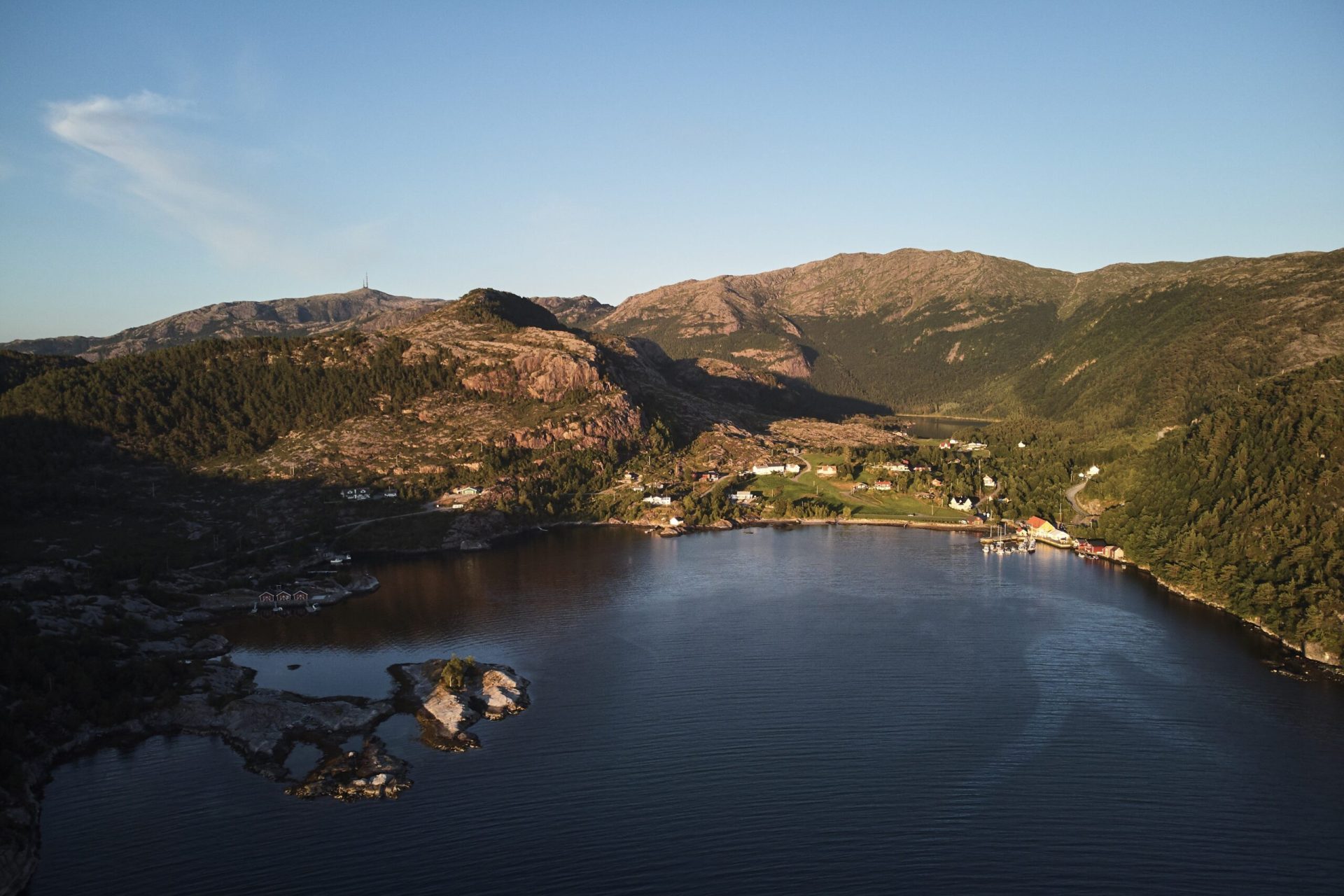
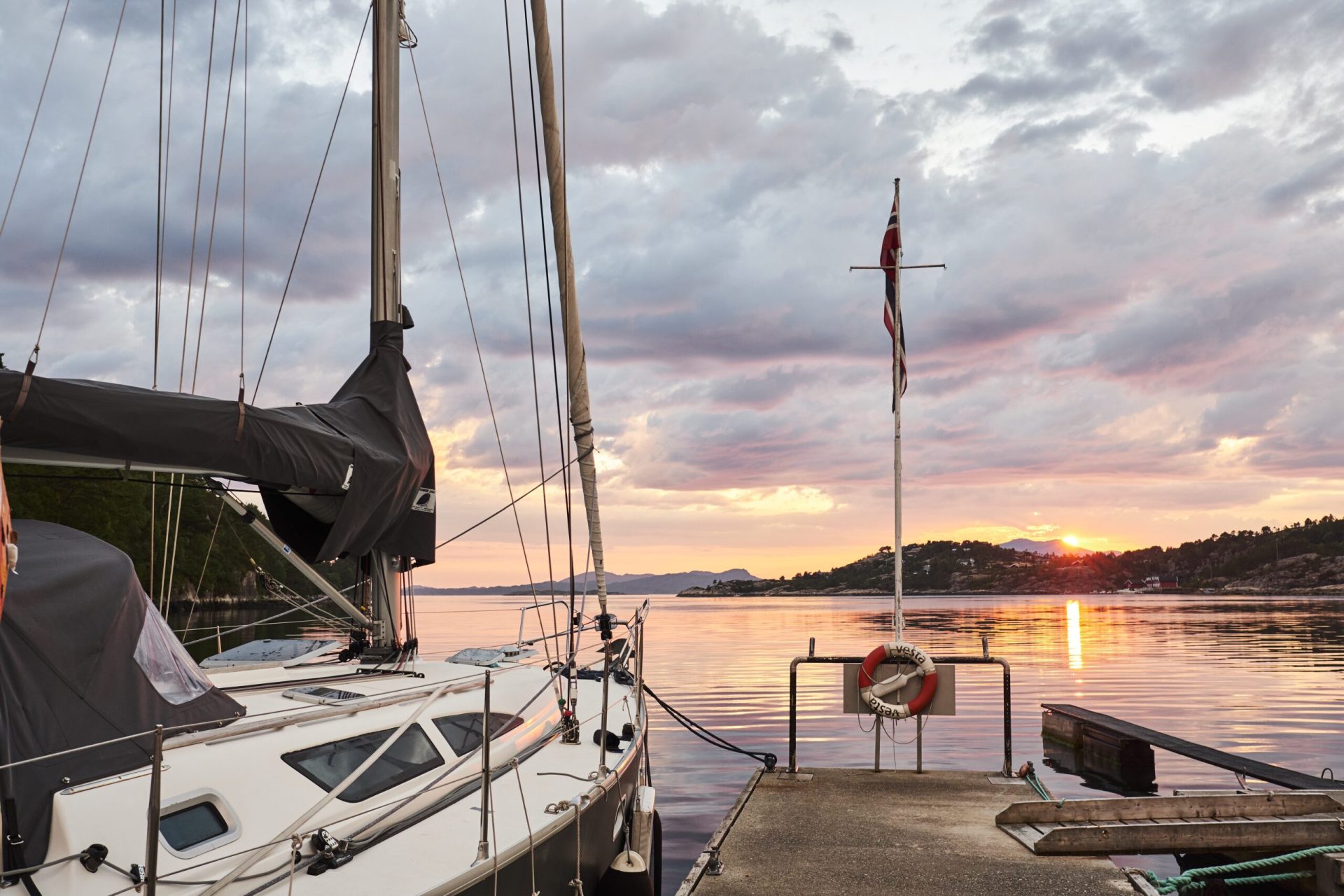
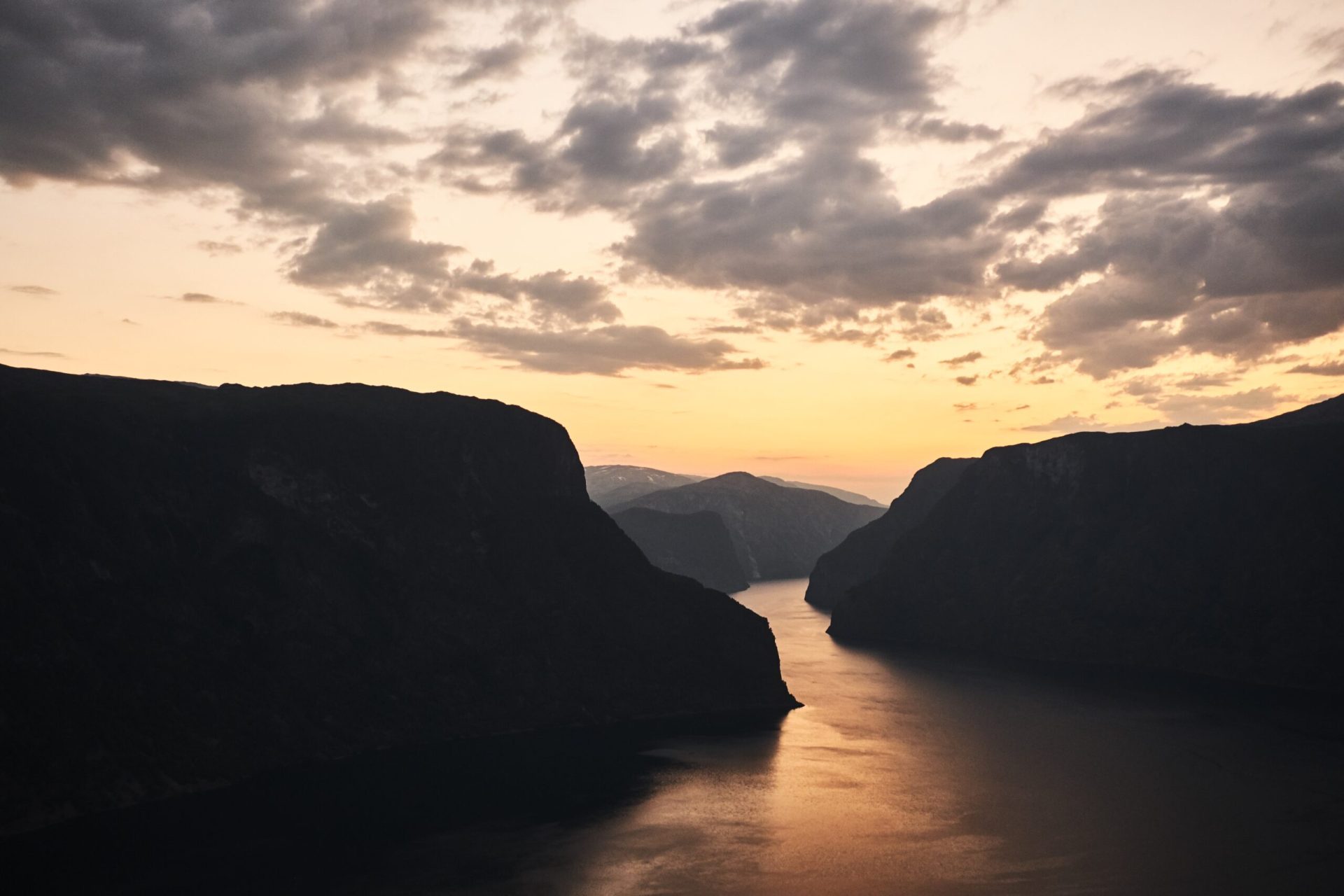
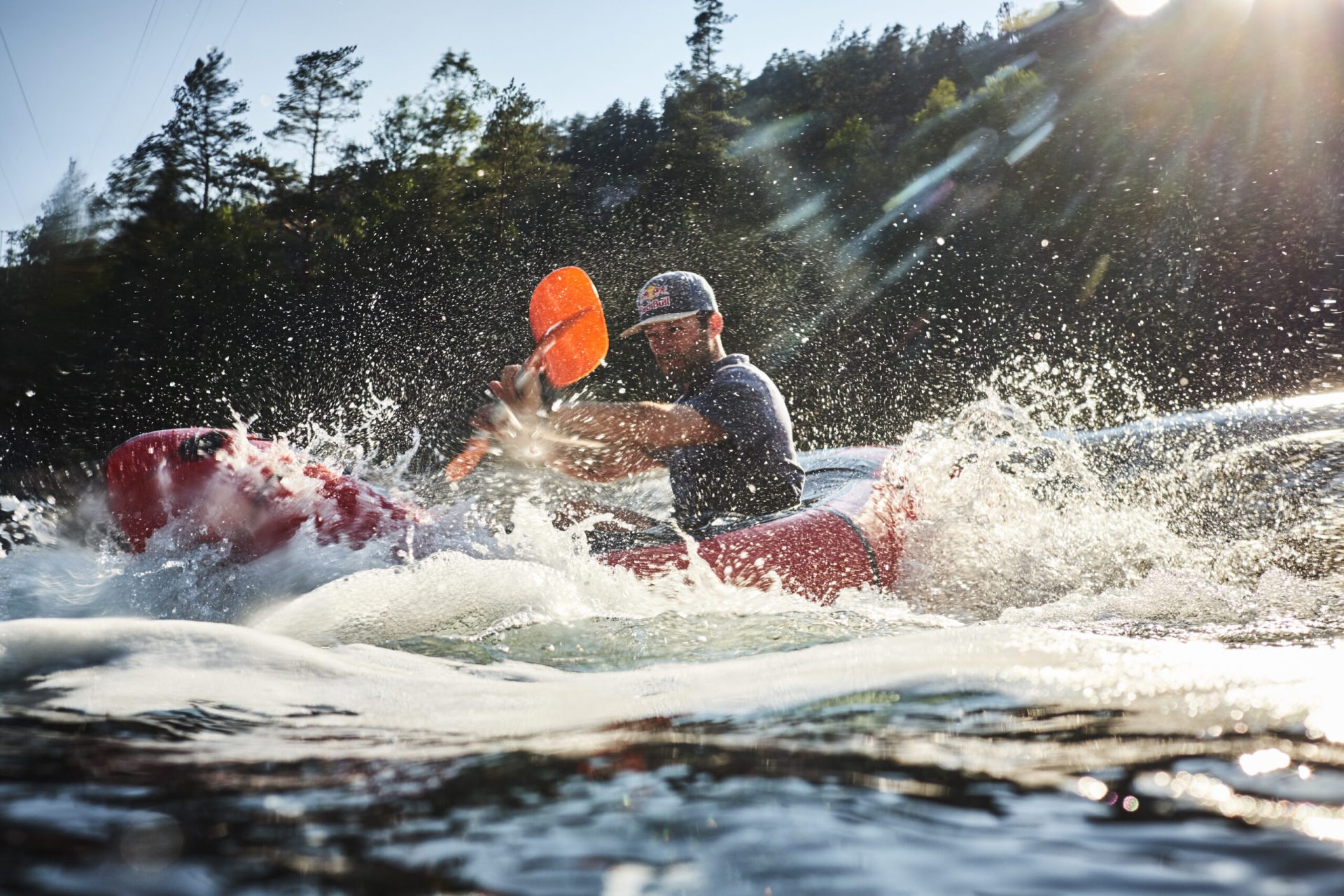
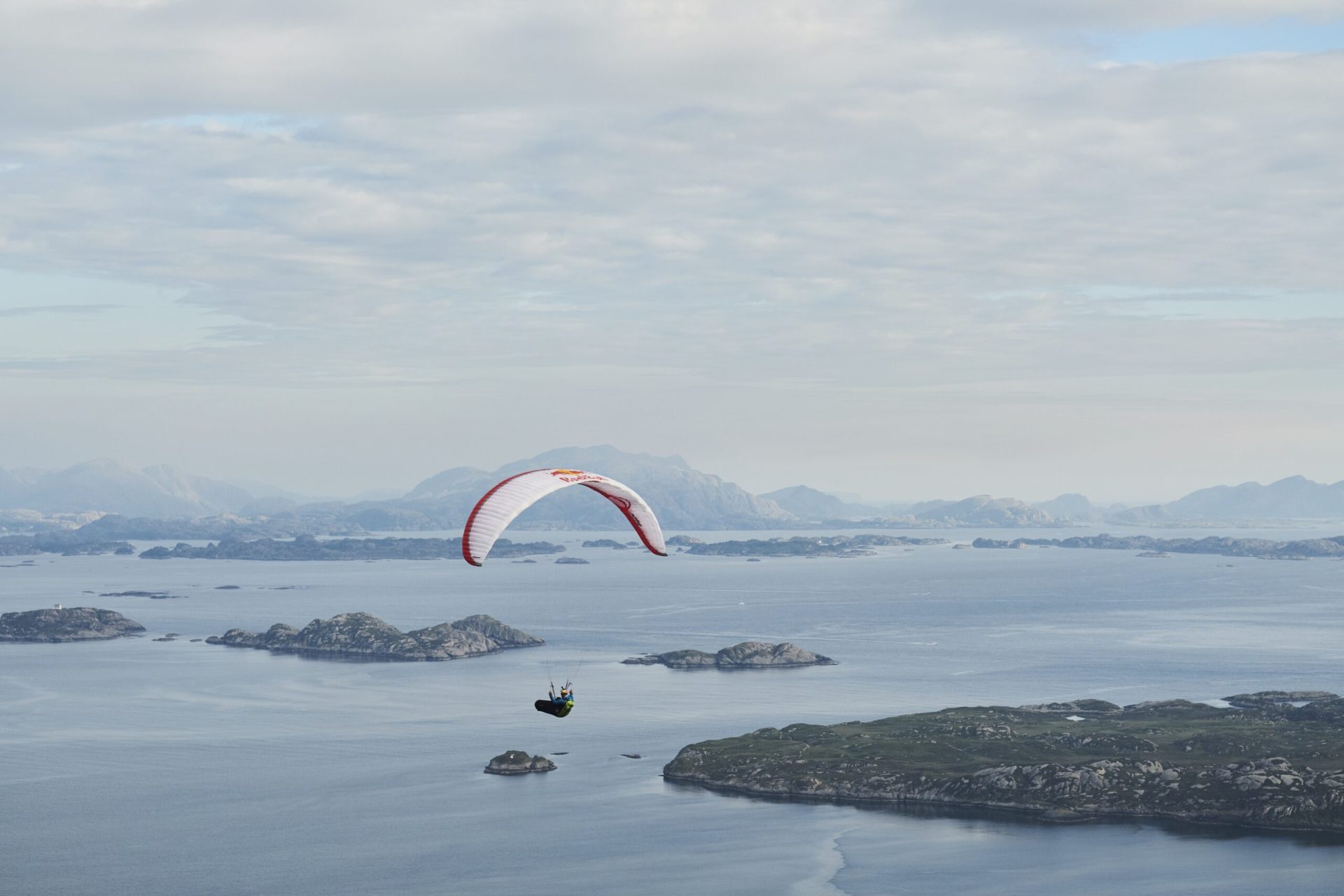
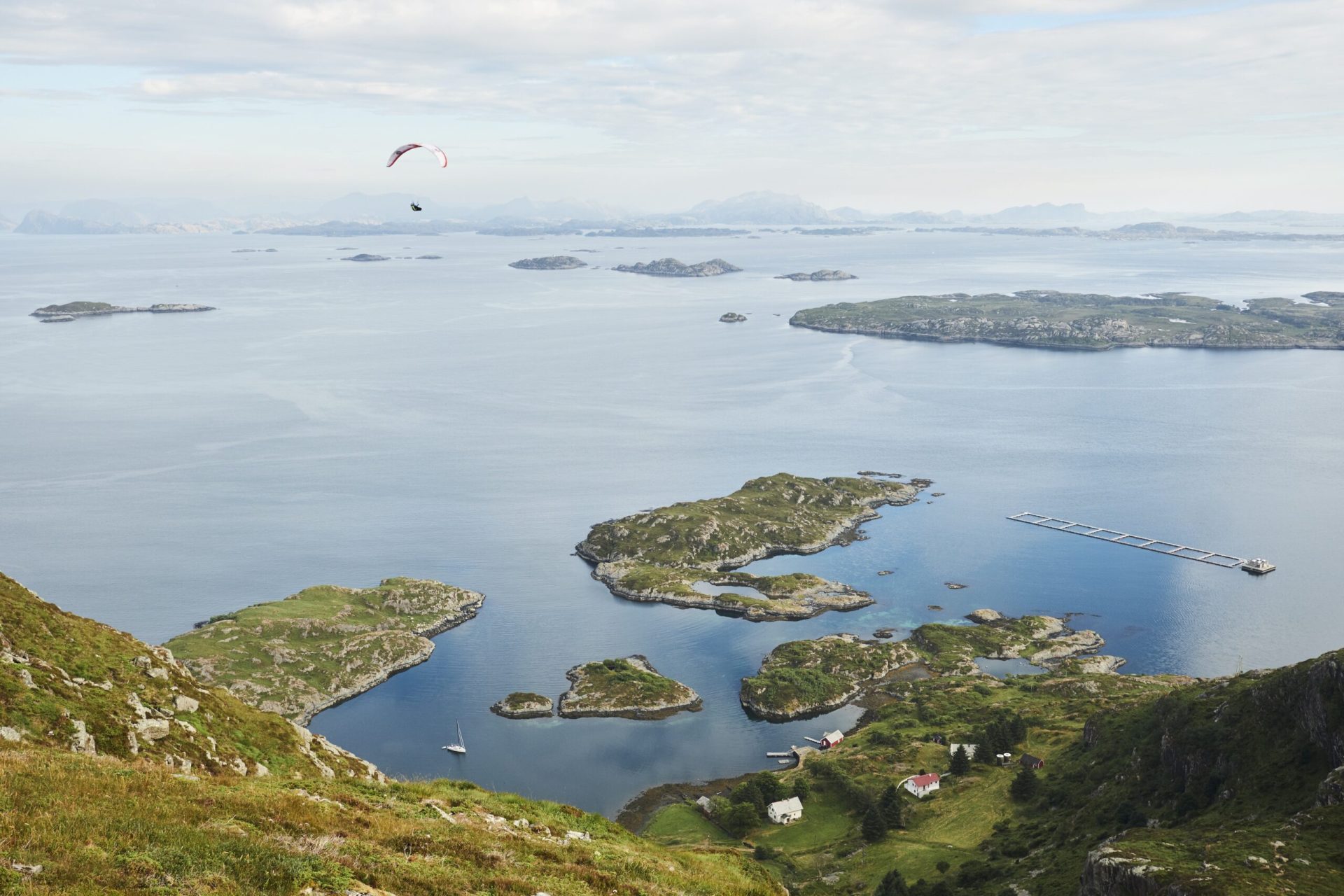
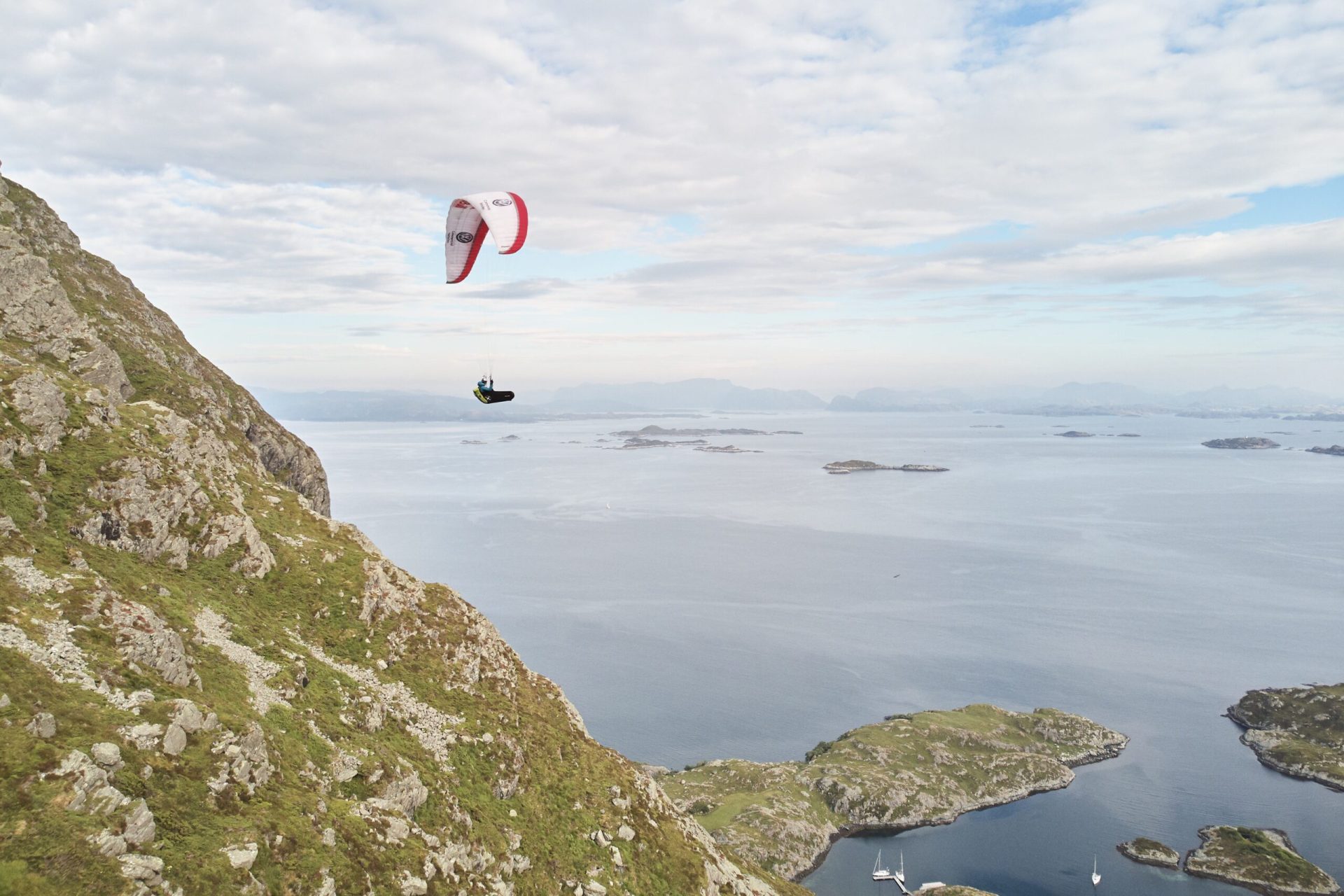
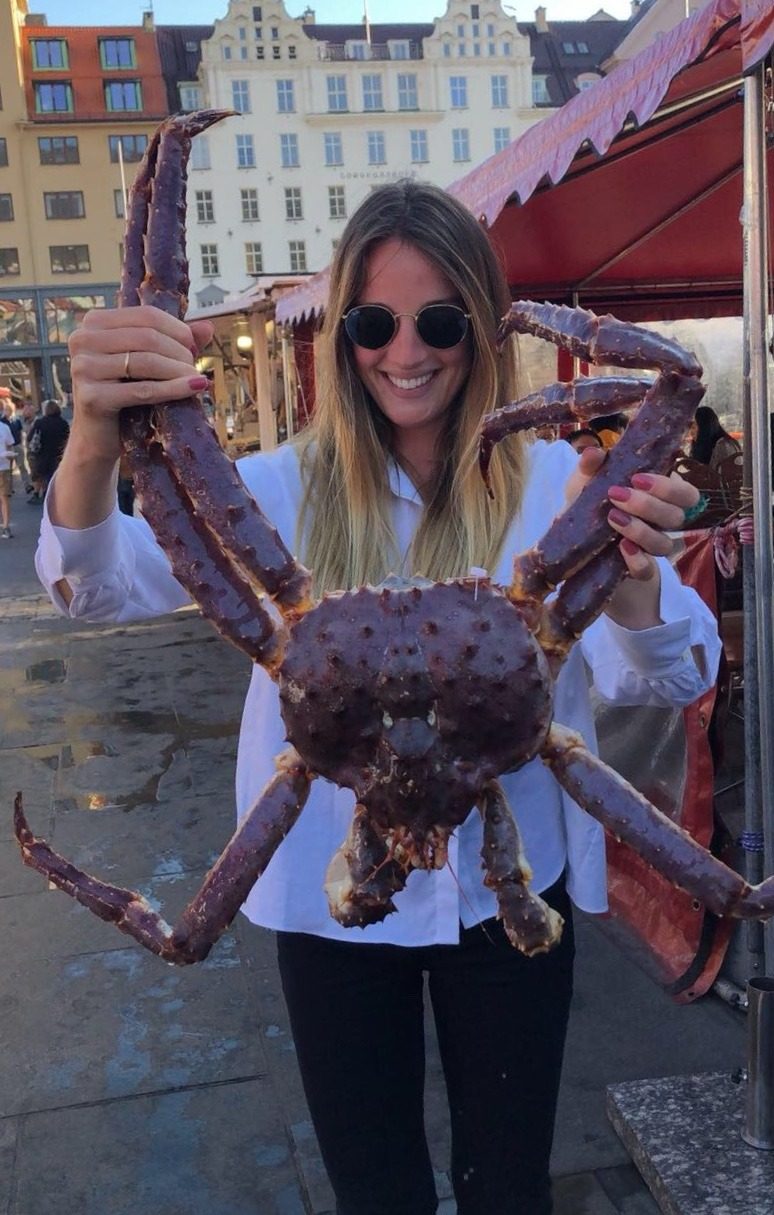
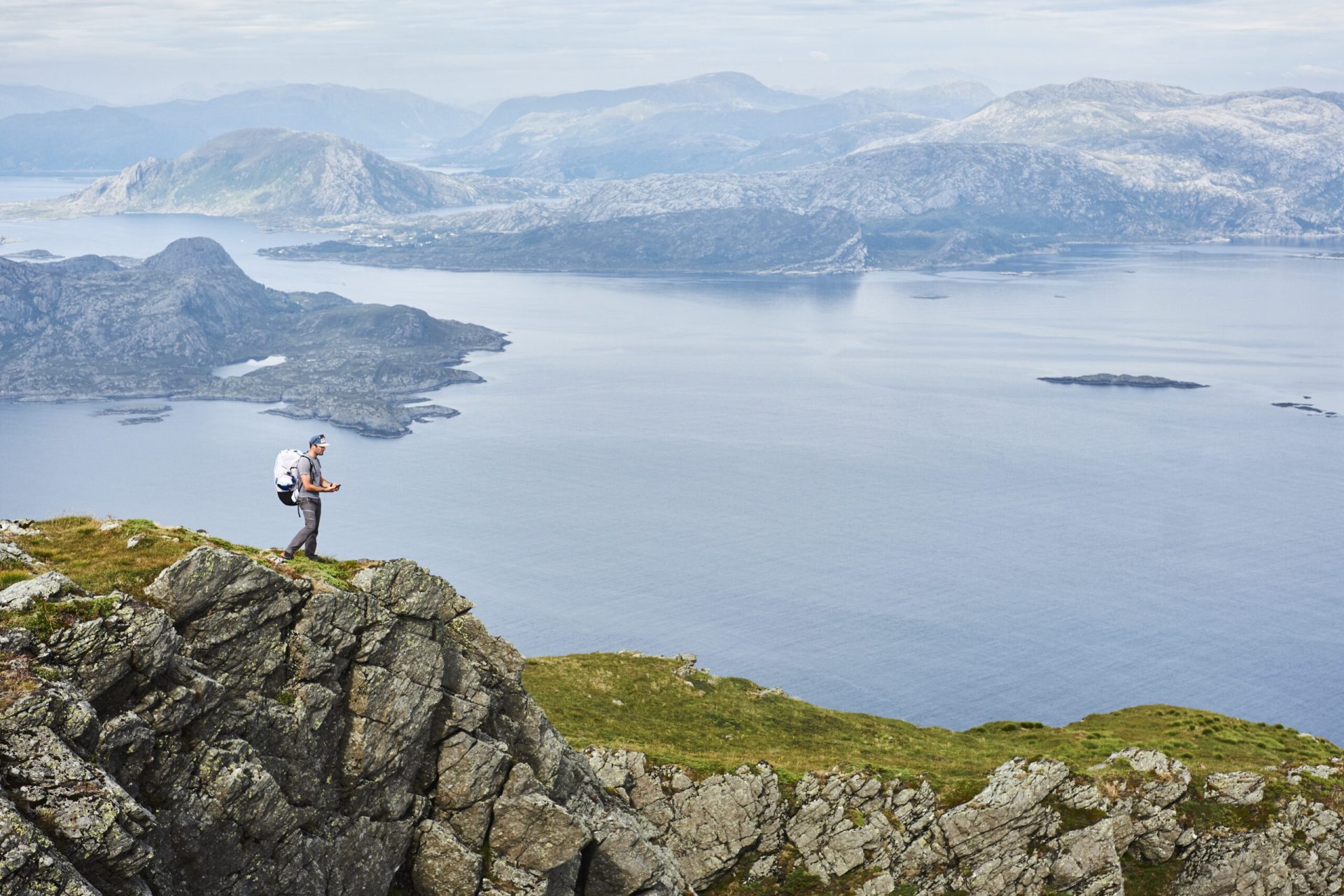
Photo credit © John Stapels
Questions & answers
Did you have to complete any special formalities to be able to dock in Norway?
No formalities are needed to dock in Norway. However, Norwegians are extremely sensitive about flags! Make sure your national flag is flying properly. Then, as with camping, the locals are very friendly and have already let us moor our sailboat on a private jetty. You just need to carefully check the water depth and tide times. If you have a sailboat with a deep keel, you risk hitting a large rock.
Can you moor anywhere, or are there restrictions?
Except for commercial boat and ferry/cargo quays, you'll always find a jetty to dock at, and even moorings where you can anchor. Berth prices in the harbour are quite expensive, but the country offers countless bays where you can drop anchor. Scandinavian boats are all fitted with a ready anchor at the stern, often attached to a strap reel and ready to be dropped, so you can anchor by the stern and moor by the bow against a rock. This is their favourite mooring technique and it requires suitable equipment. That said, with a classic anchor you can quite happily anchor without any trouble in most cases, perhaps a little further from the shore when the anchorage isn't too narrow.
Can you fish for whatever you want?
You can fish at sea, but only if you follow the rules! Here is the link to Norway's official website, which explains the rules very well and gives all the information: https://www.visitnorway.fr/activites-norvege/plein-air/peche/peche-en-mer/conseils-pratiques/
What is the best season for this type of adventure?
Summer (May to August) is the most popular season for exploring Norway's coastline. Above all, with the midnight sun, the days are long and the nights very short. The weather is stable and temperatures are pleasant. From late August onwards, rough weather sets in and you may get stuck for a long time. This is especially true in the north, where the wind picks up and can be very, very strong, preventing you from heading south.
If you want to admire the Northern Lights, the right season runs from early October to the end of March.
Discover Tom's other articles by clicking here.