At a glance
What's the best season for diving in the Mediterranean? Can you dive anywhere there? How do you find a good school?
The COVID-19 pandemic continues to make long-distance travel difficult, if not impossible. As long as travel to southern European countries isn't advised against, the Mediterranean seems like an attractive destination for many Belgians.
Why not try diving in this region?
Our blogger Lisa gives us a few tips so your underwater activities go as smoothly as possible.
Is the Mediterranean dangerous for diving?
An "aquatic activity" in the sea of course always carries some risk. At certain times, it's better not to dive (or free-dive), such as during a storm or in waves several metres high.
Some times of year are also better suited to diving than others. Generally speaking, September and October are good months for exploring the Mediterranean underwater world. The sea is often calm, making it easier to explore the seabed.
One of the first fears is perhaps that of "sea monsters"?
When it comes to "dangerous sea creatures", the Mediterranean is entirely safe. However, there are sea dwellers you'd really rather not run into.
The period from May to September is jellyfish season. And if you don't want to run into sharks, avoid diving at night and at sunrise and sunset. That said, half of the Mediterranean's shark species are threatened, among other things, by overfishing.
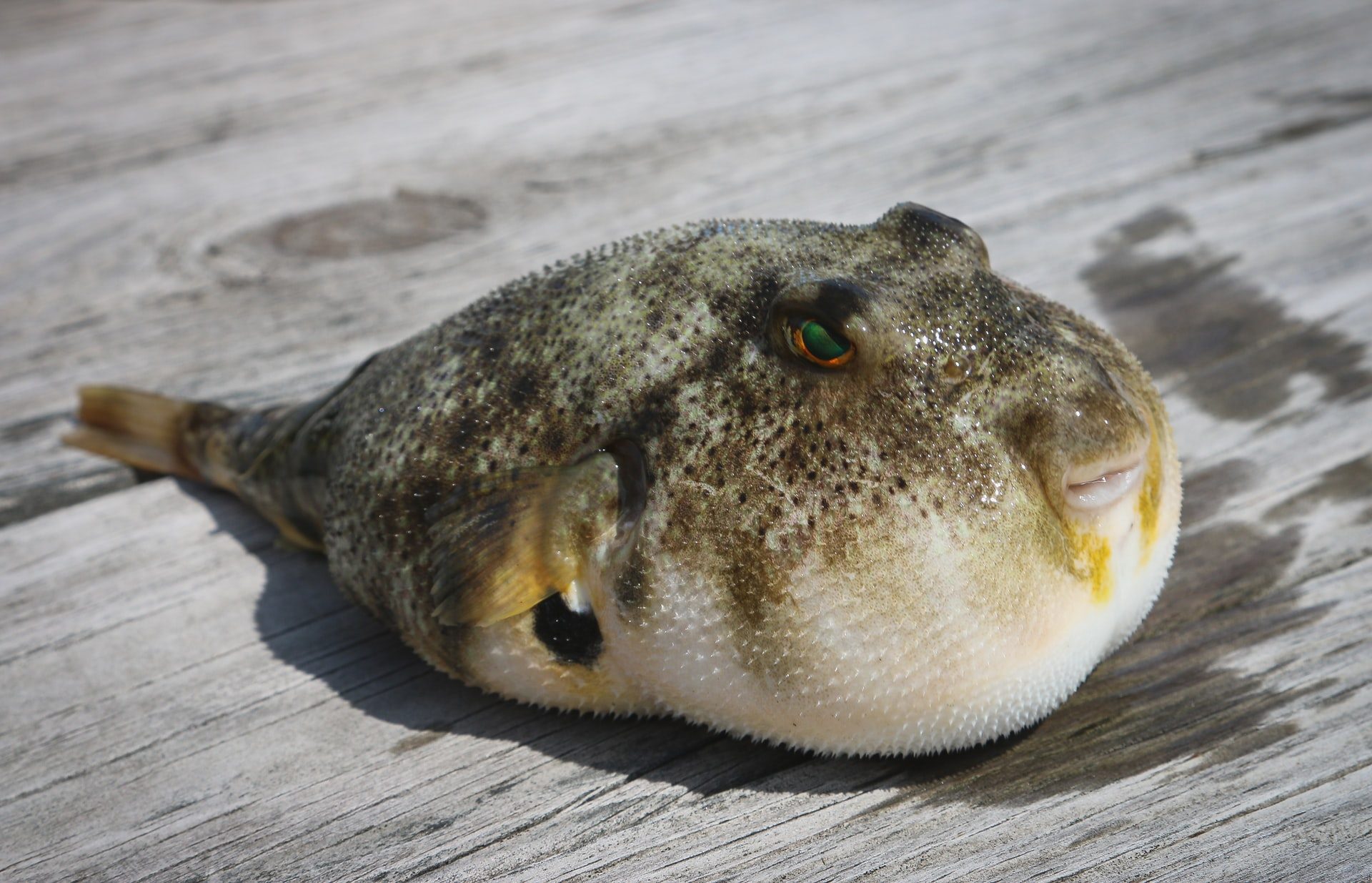
Pufferfish
The pufferfish, which carries enough poison to kill you around thirty times over, and sea urchins can be plentiful in coral areas. Both sea urchins and coral can injure you. Don't get too close to the seabed and don't touch anything.
Respect the coral and other living organisms, because nature is very fragile. Don't take "souvenirs" while diving and, even better, ask whether your dive centre offers the option of collecting rubbish during the dive. Thanks to the international diving initiative Dive Against Debris, you can do your part to clean up the aquatic environment while diving and take part in other organised actions.
While dangerous sea creatures are rare, you need to pay more attention to currents that can carry you far out to sea.
Rip currents are currents that pull swimmers far out into the sea. Swimming against the force of such water is often so hard that it's better to wait until you're out of the current and can swim diagonally back to shore. Be especially careful around coral, rock formations and jetties, where currents are often strongest.
Finally, while diving, it's best to stay away from fishing spots. It's not unusual for a diver to be injured by hooks or nets. Also avoid harbour areas or places with heavy boat traffic. In the water, you're not always visible to boaters.
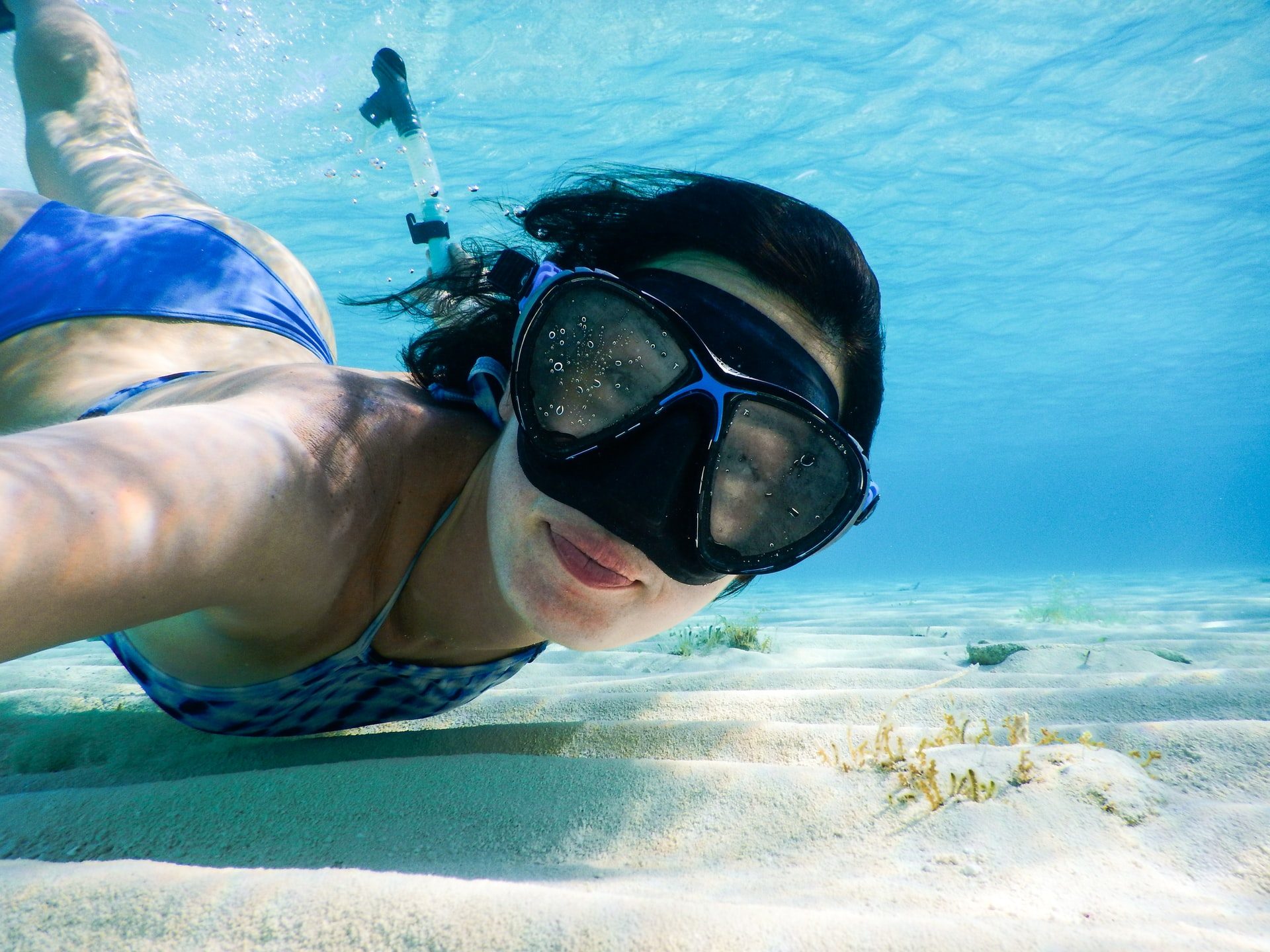
How and where can you take diving or free-diving lessons?
Don't have any diving or free-diving experience yet, but tempted to try this kind of activity?
What are the best spots to admire underwater life?
Take inspiration, for example, from the list of dive sites from the SSI organisation.
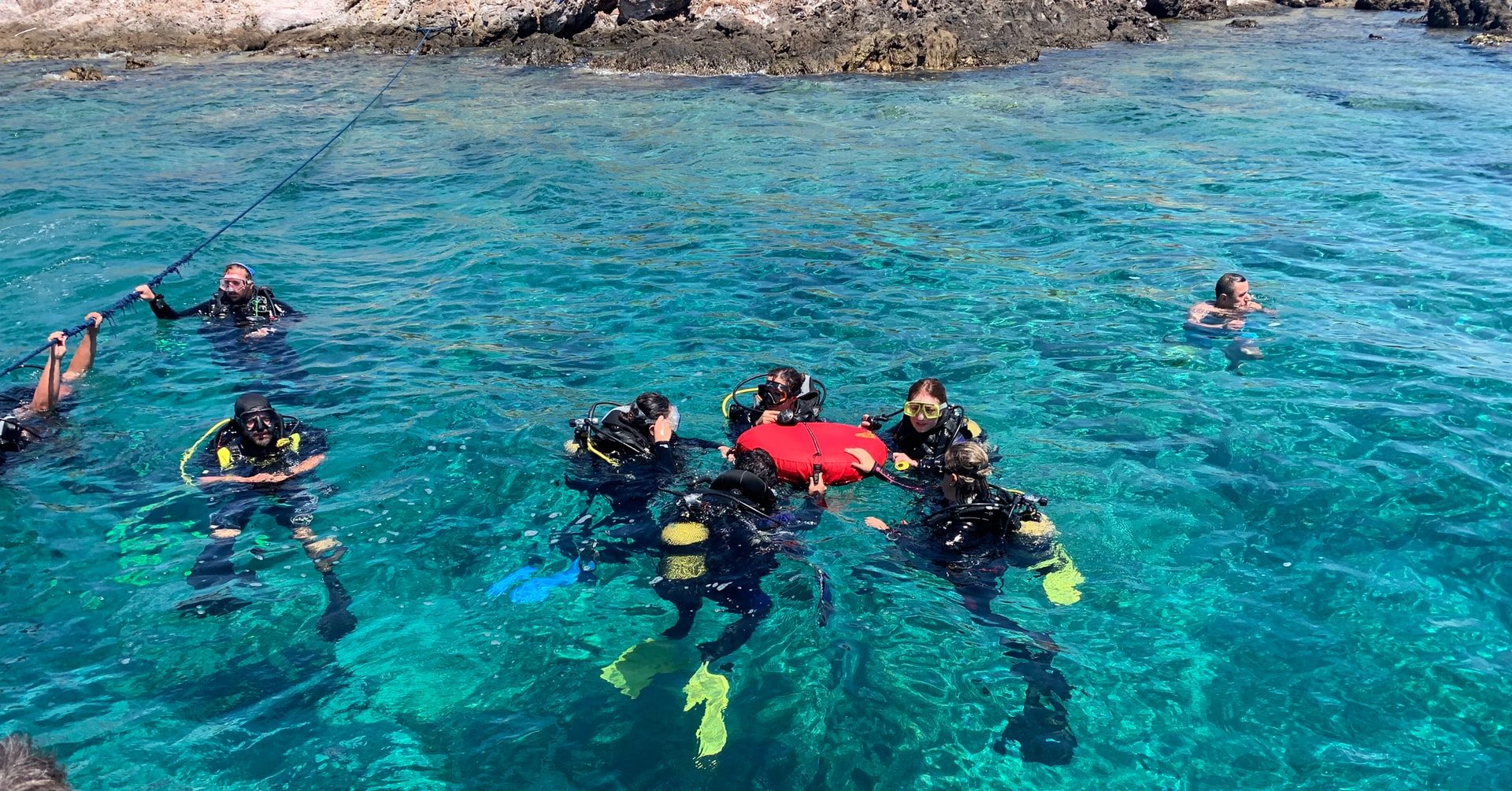 Once you've chosen a location, look up and compare the various local organisations.
Besides the international diving organisation PADI, there are other recognised international organisations that issue diving certifications.
The following links will give you an overview of a few local dive schools recognised by international organisations:
Obviously, your experience level will play a big role in choosing your school or organisation.
A few things to consider when choosing a diving club or school are therefore your budget and your experience. Also make sure you'll have somewhere to safely store your belongings while you're in the water.
Check whether the organisation accepts cancellations. Will you be refunded if you're ill on the day of the dive, or can you reschedule your session?
Also think about communication. Does the school or organisation speak a language you're comfortable with? Does the team answer all your questions?
You can also check out diving dictionaries available online, such as this one:
Finally, be careful when signing documents. Read carefully anything you sign, answer medical questions honestly, and don't sign anything in a language you don't understand.
Once you've chosen your course or lessons, the main piece of advice is to follow your instructor's or coach's instructions. Make sure you know how to ask for help in the water and always stay with the group. Ascending too quickly can cause decompression problems and can lead to serious issues.
After a dive session, it's best not to fly or exercise.
Can you dive without training?
Without training, and therefore without a diving certificate or licence, this sport is strongly discouraged. And even if you own diving equipment, if you book boat transport or have oxygen tanks refilled, dive centres will generally require you to show your "diving certificate".
Free-diving completely alone is not recommended. Make sure you're accompanied by an experienced instructor and in a small group.
What about Covid-19?
Always check the latest travel advice from the Federal Foreign Affairs Department before you leave, and follow how this advice evolves during your trip.
In most countries, water sports clubs and schools, as well as equipment rental shops, seem to have kept their usual opening hours despite the coronavirus. According to PADI, it's currently possible to dive in most of the Mediterranean.
And, as always, make sure you have good travel insurance and enjoy a wonderful holiday in the Mediterranean!
And finally: would you rather try an original activity that lets you keep your head above water? In that case, why not try jetlev or flyboarding?
 Our blogger Lisa:
Lisa is a freelance blogger who has just spent a year exploring Australia alone, in a Jeep. When she's not travelling, you'll often find her at home, on her sofa with her rabbit Nelson on her lap and a language course in hand. You can find her articles on Greek mythology and Bali on her website lisasvividwriting.com.