At a glance
Tom de Dorlodot gives us his tips for heading off on a high mountain adventure
Tom de Dorlodot, seasoned traveller and adventurer, set off with his partner Sofia to explore the Alps in winter. This kind of adventure can't be improvised! Tom tells us about his experience and shares the secrets of good preparation.
40 days at high altitude
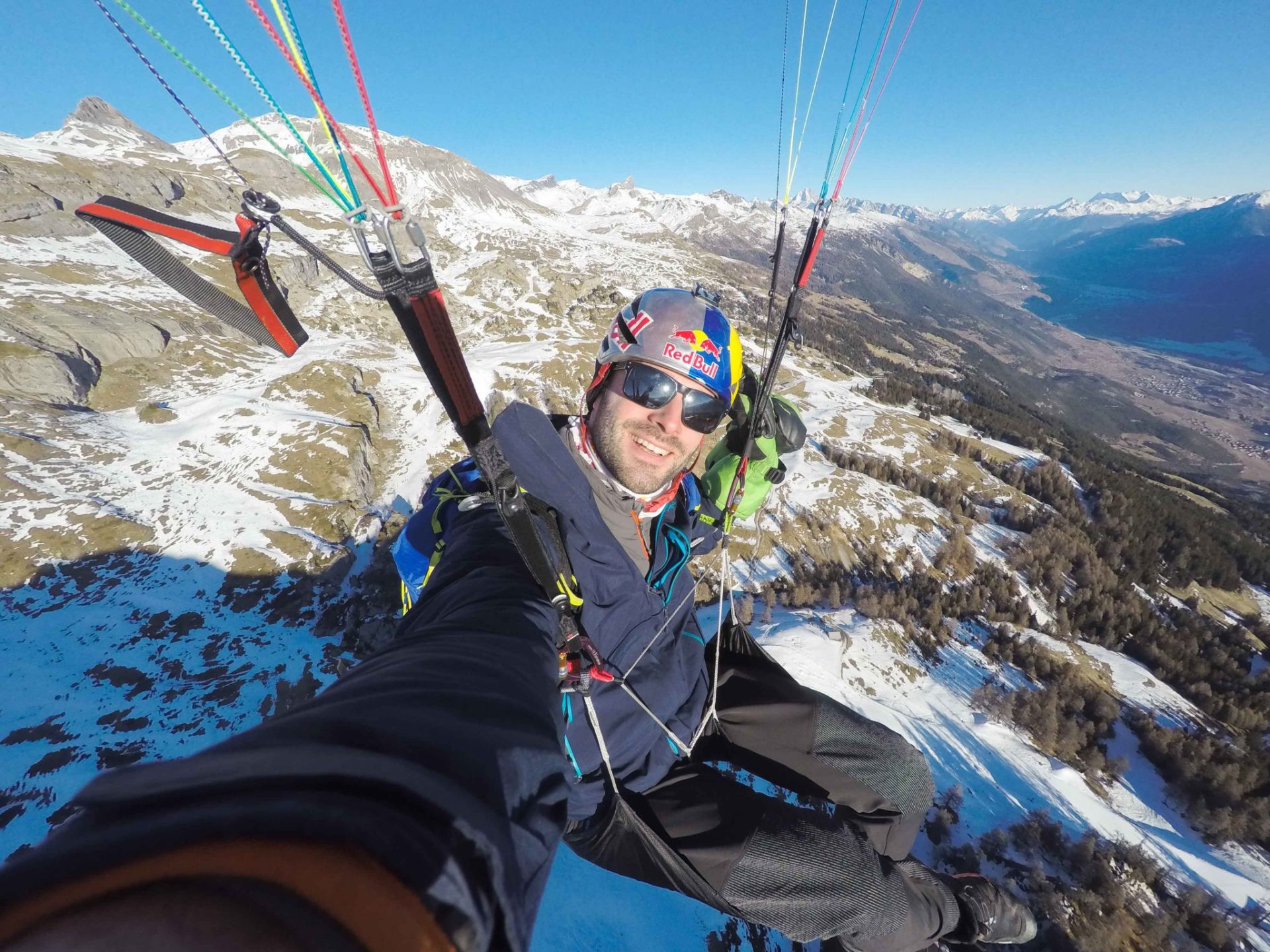
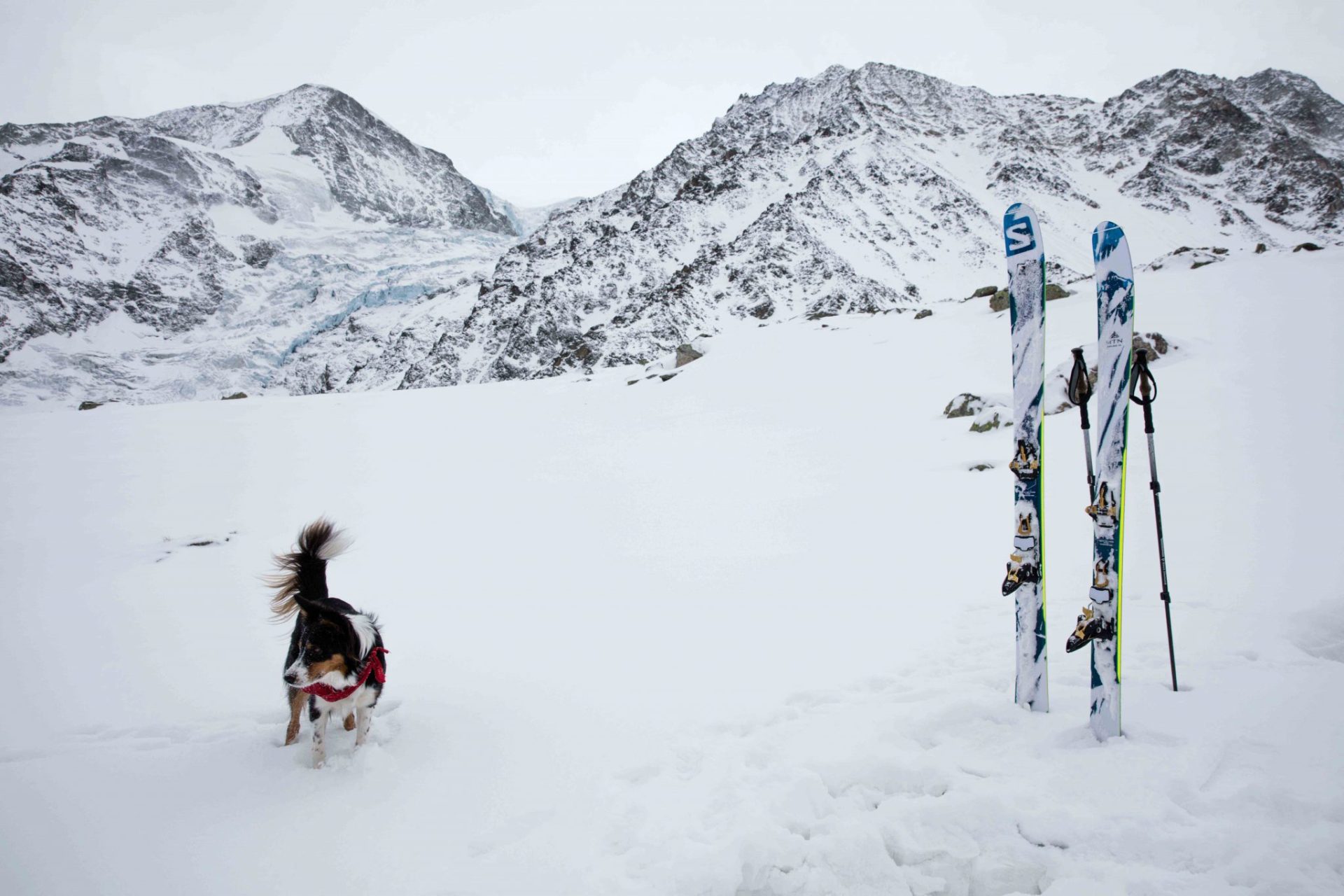
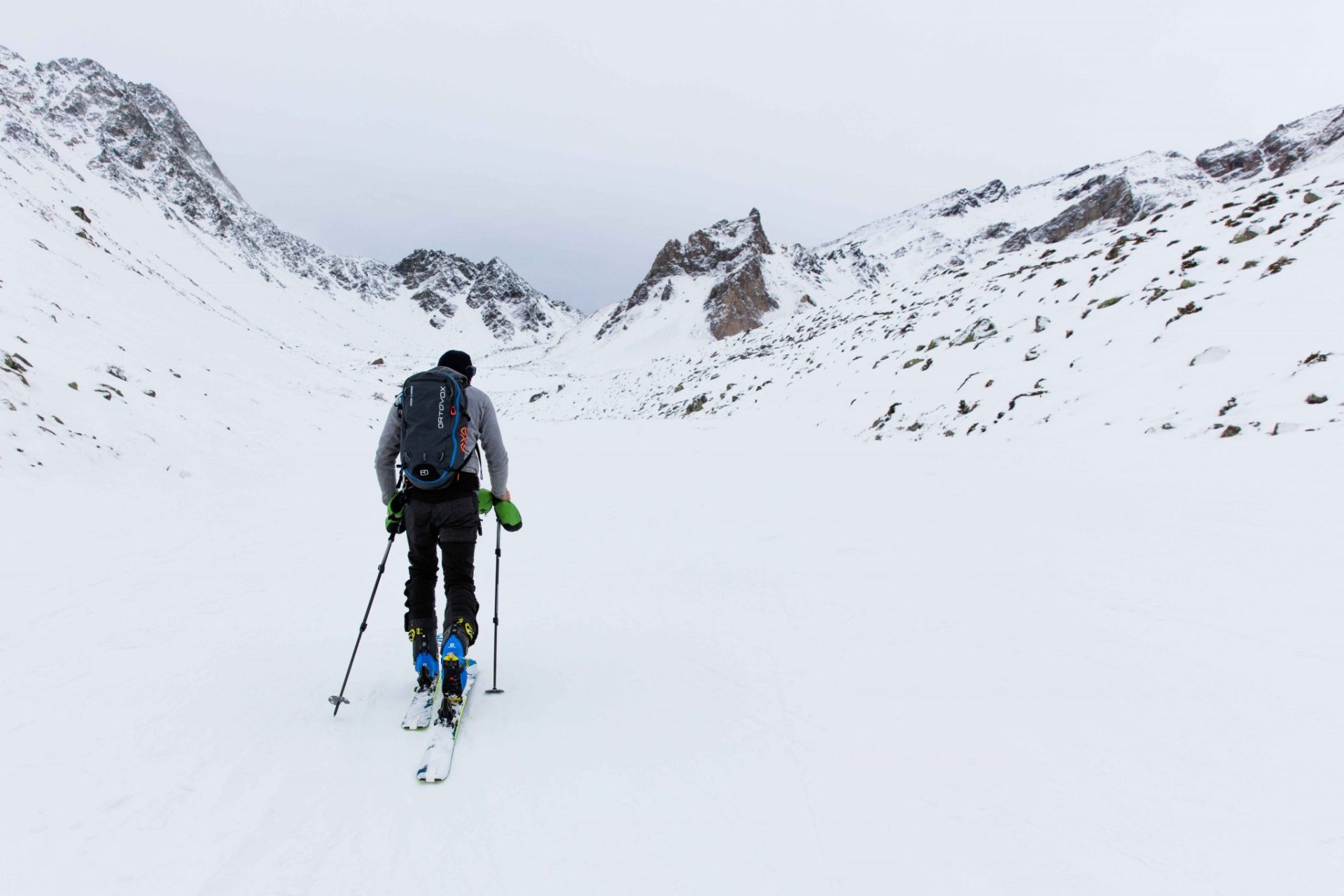
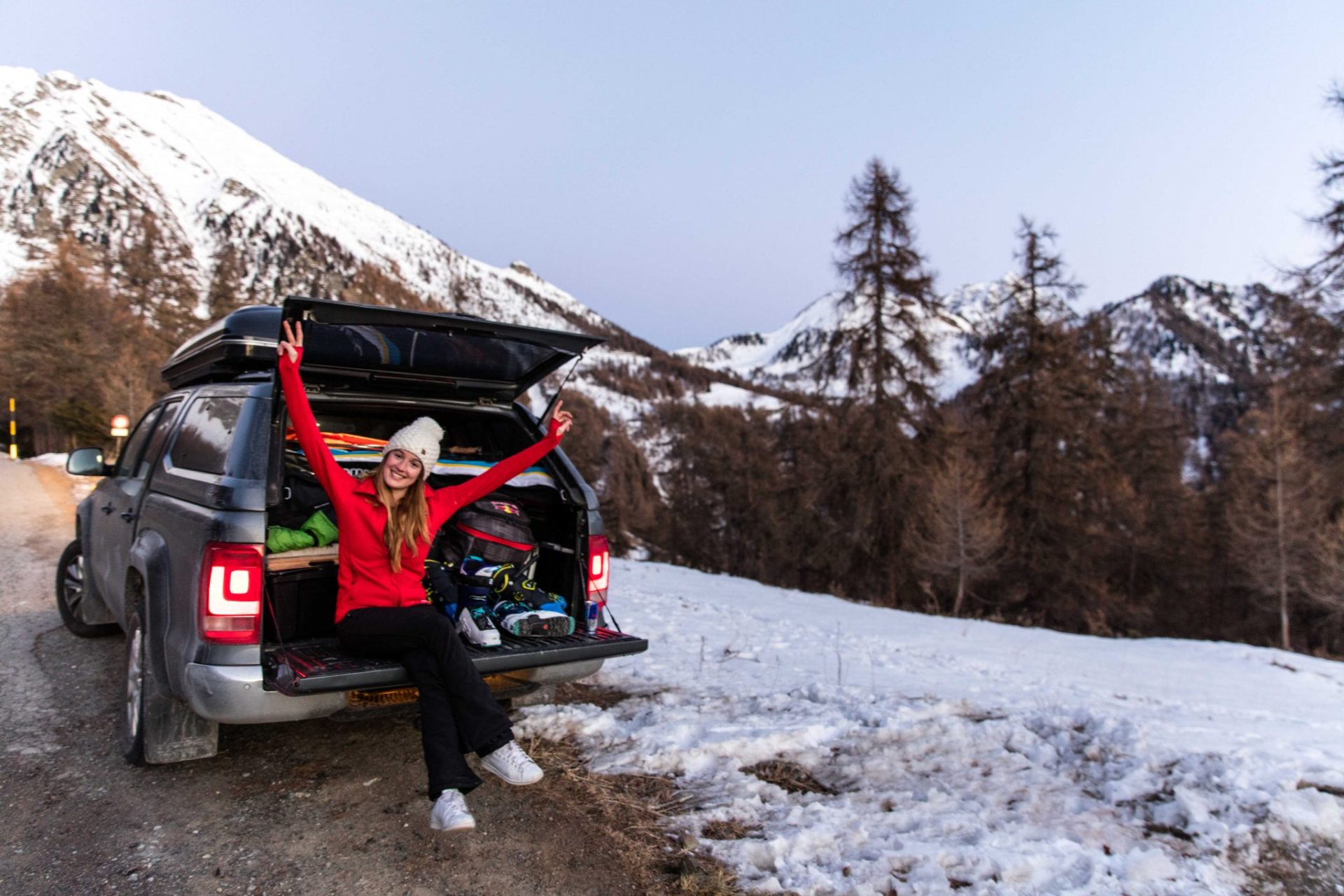
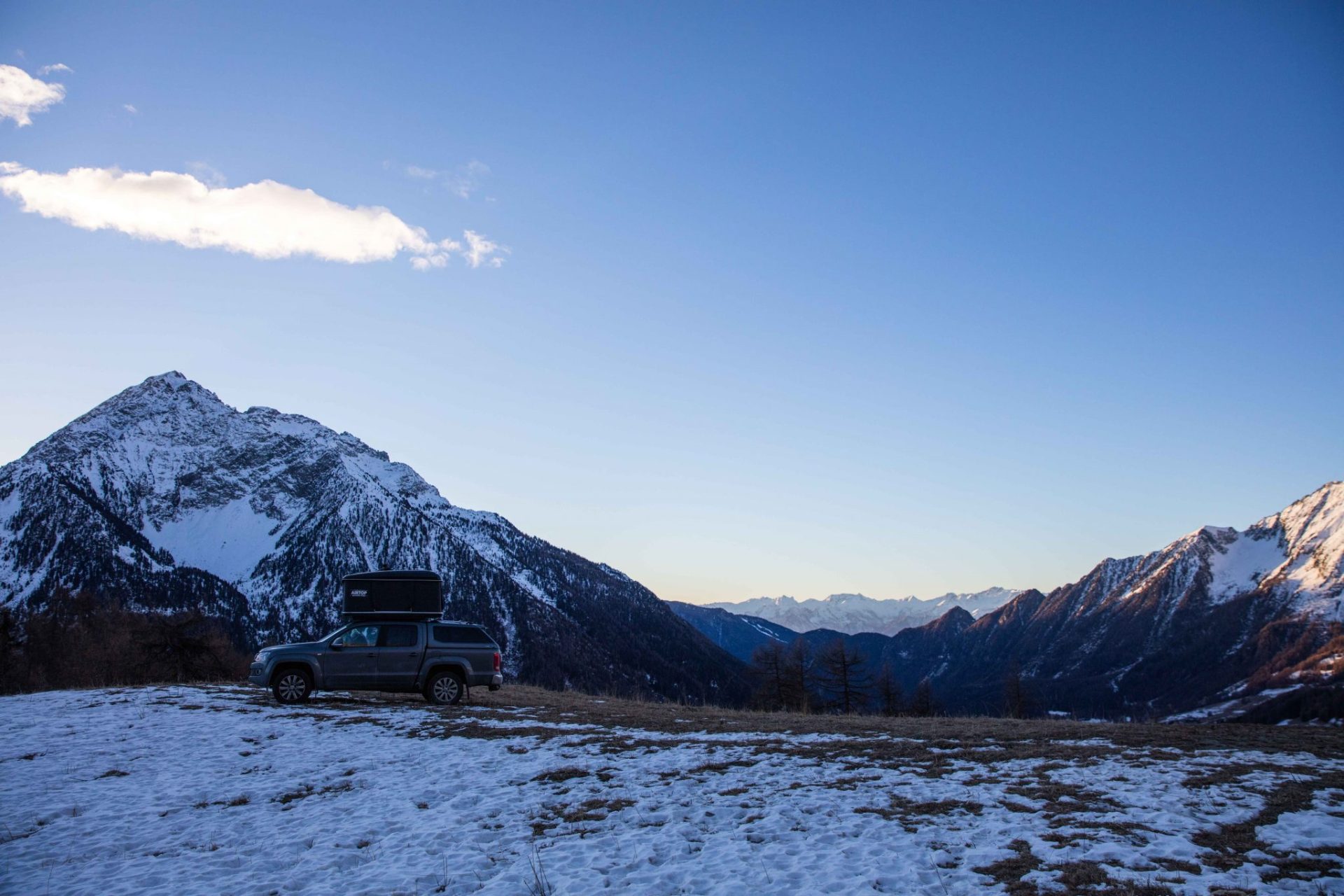
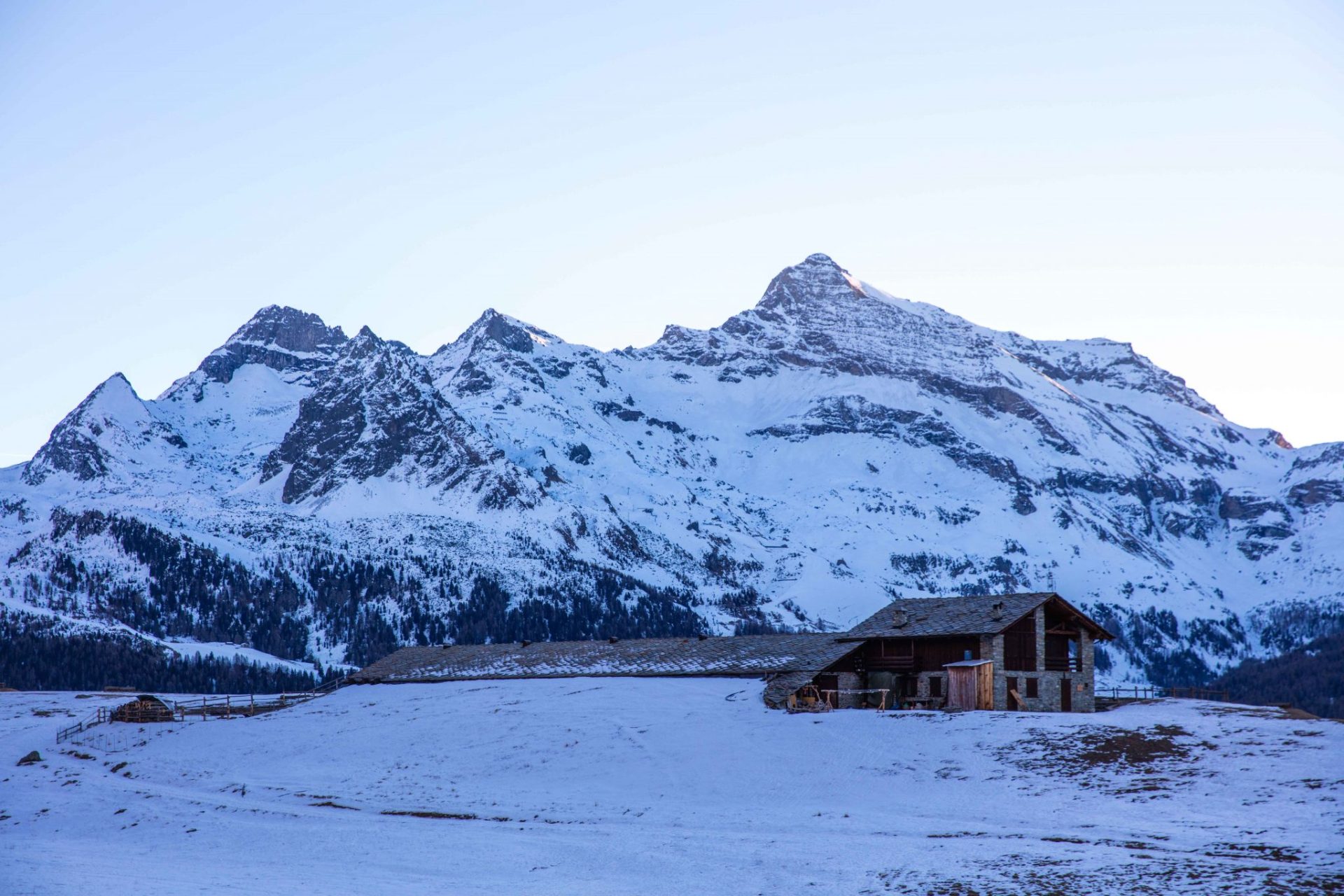
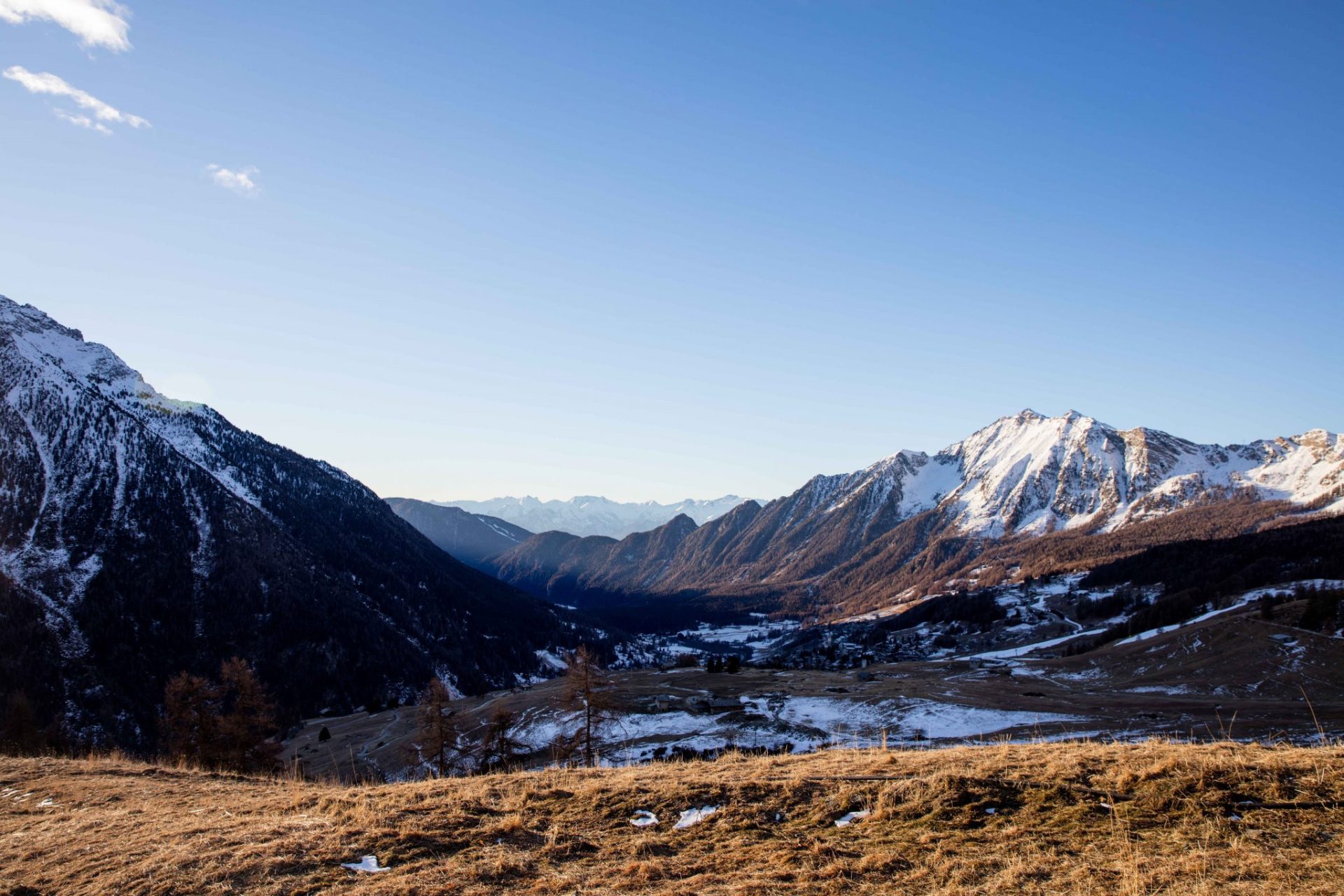
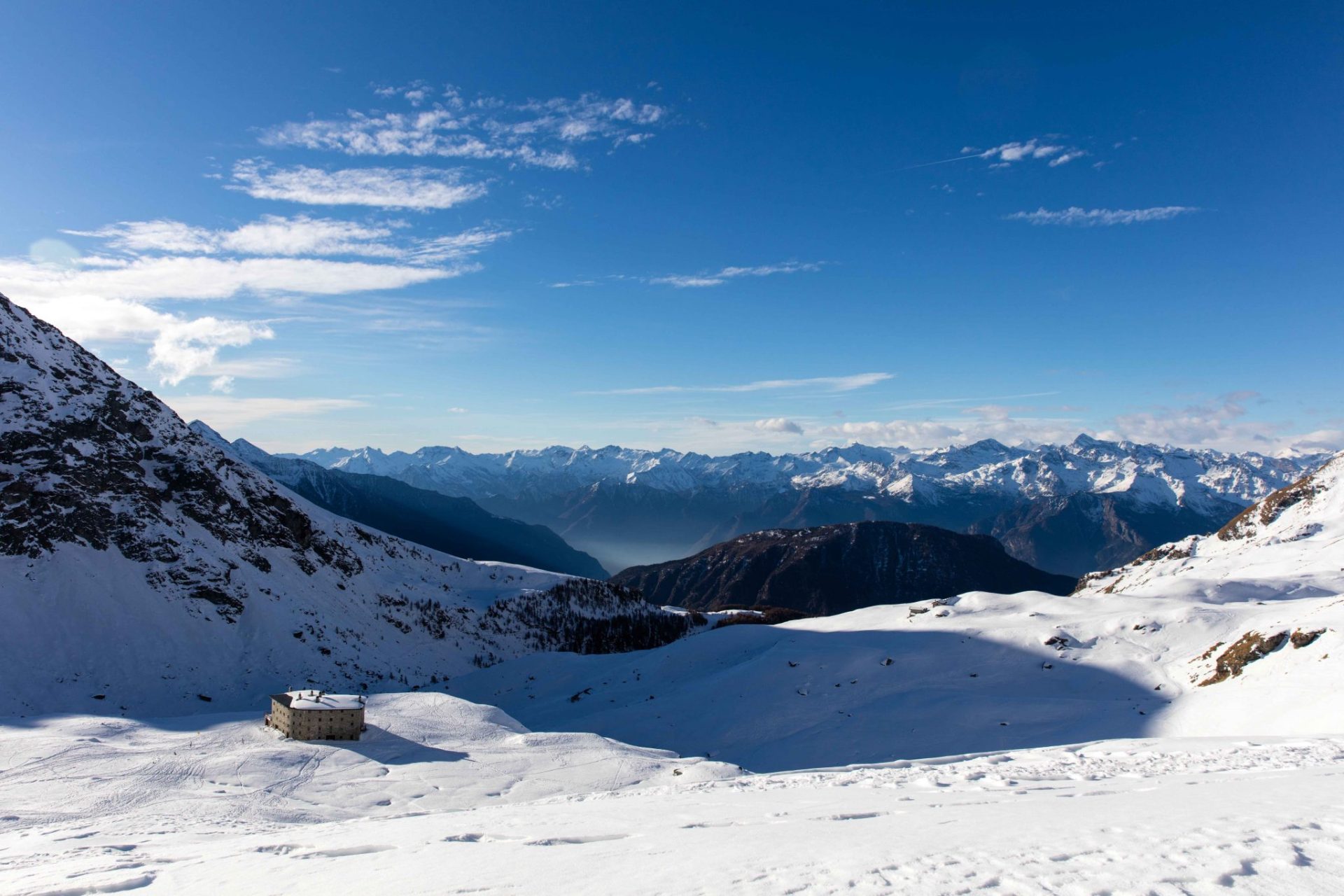
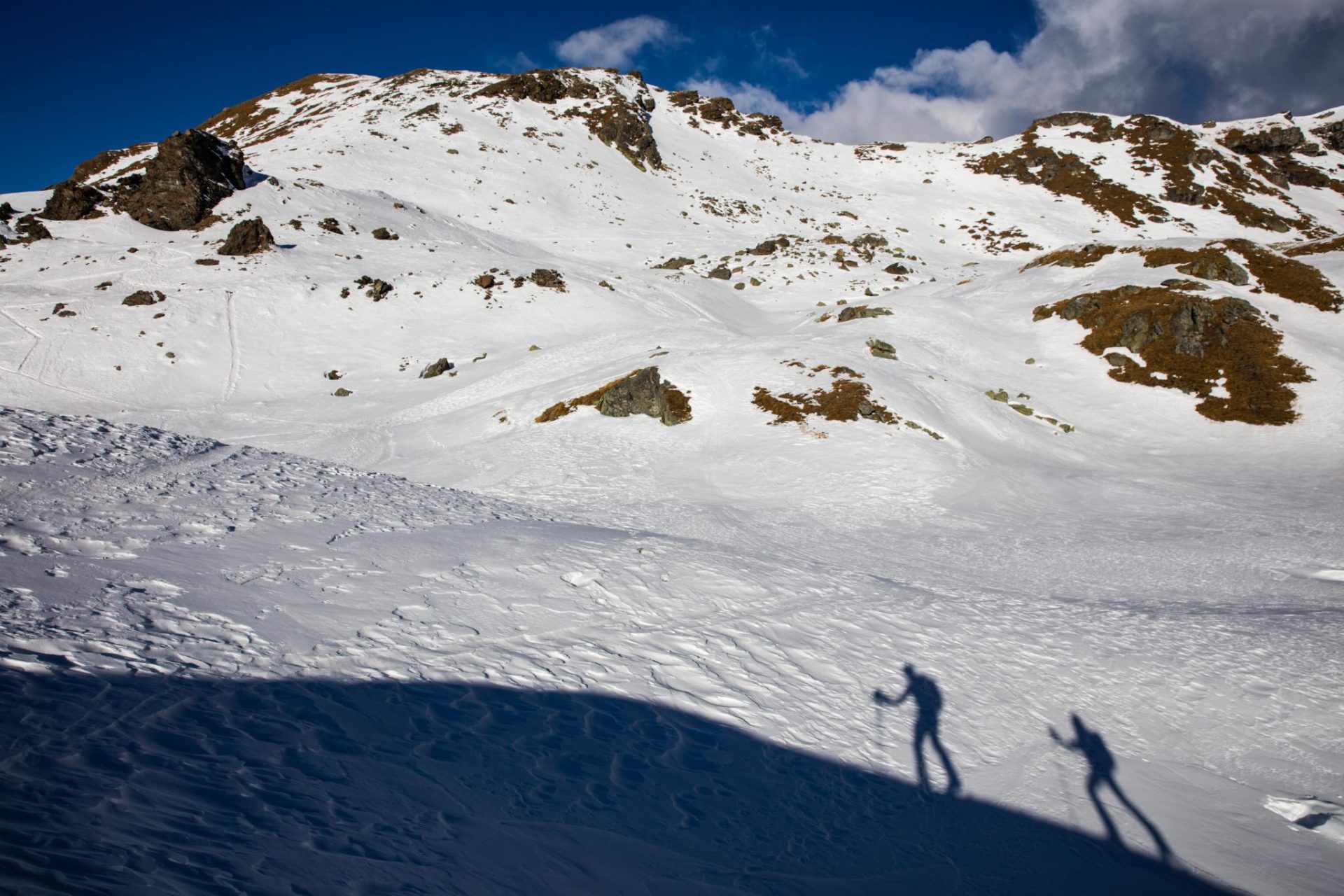
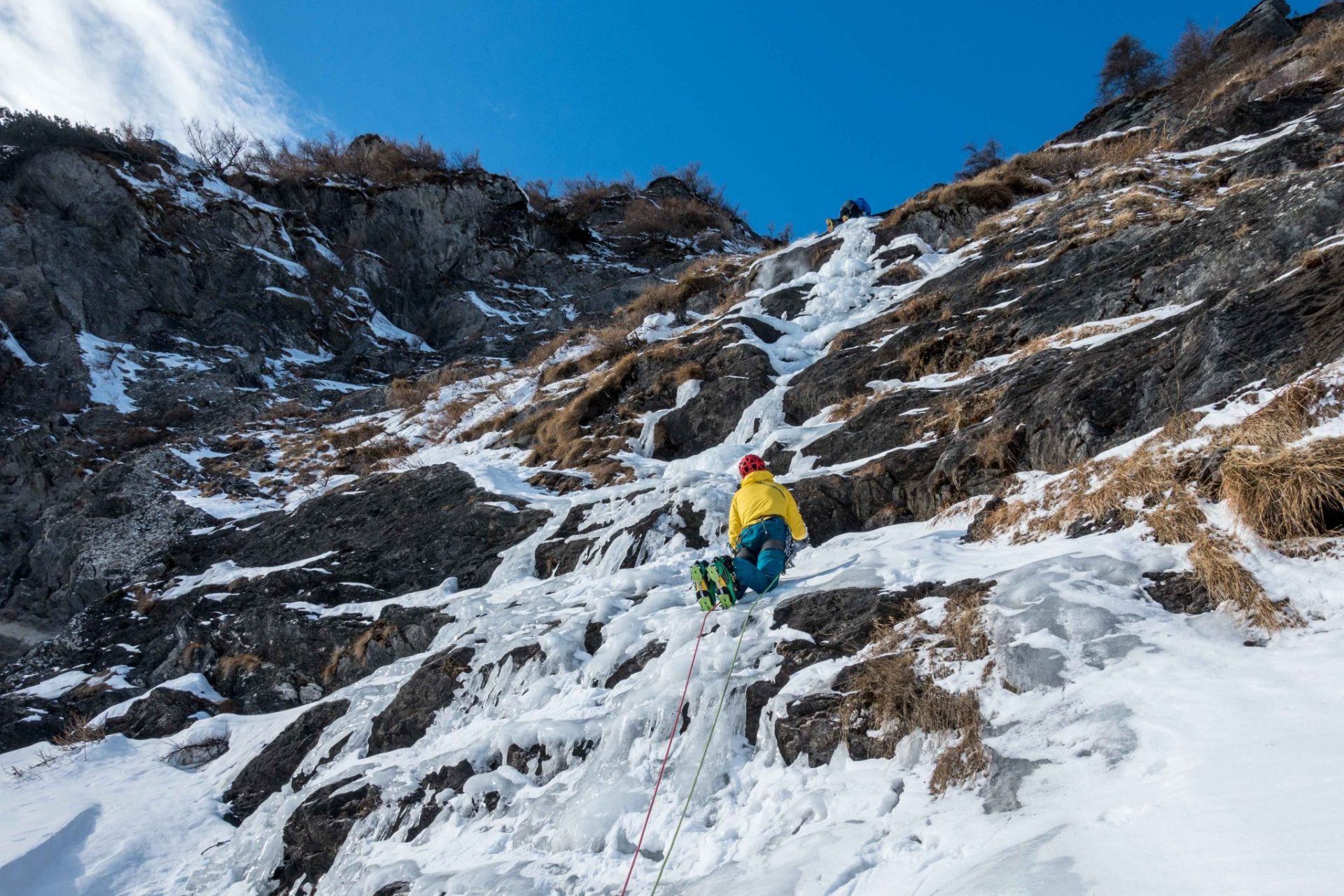
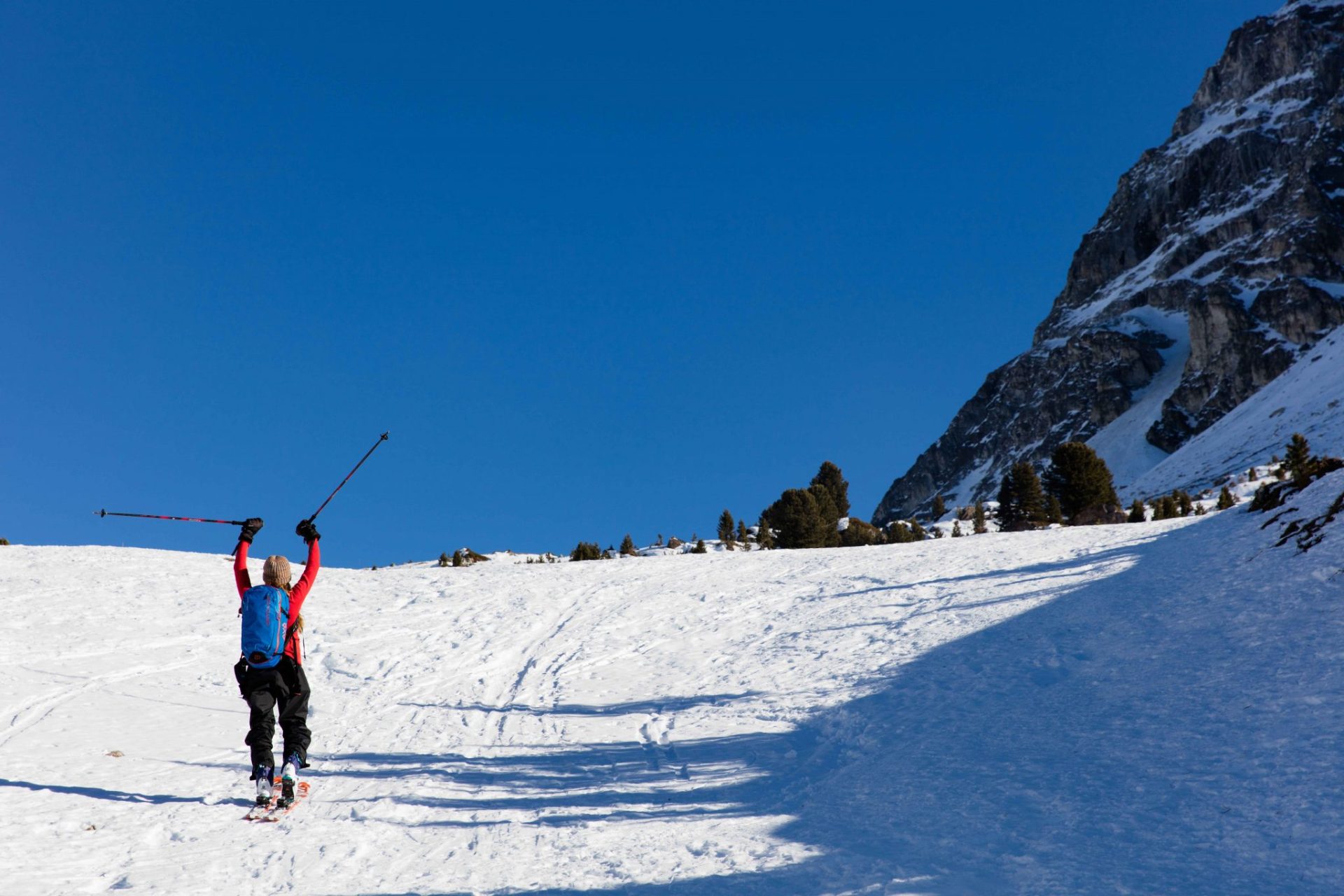
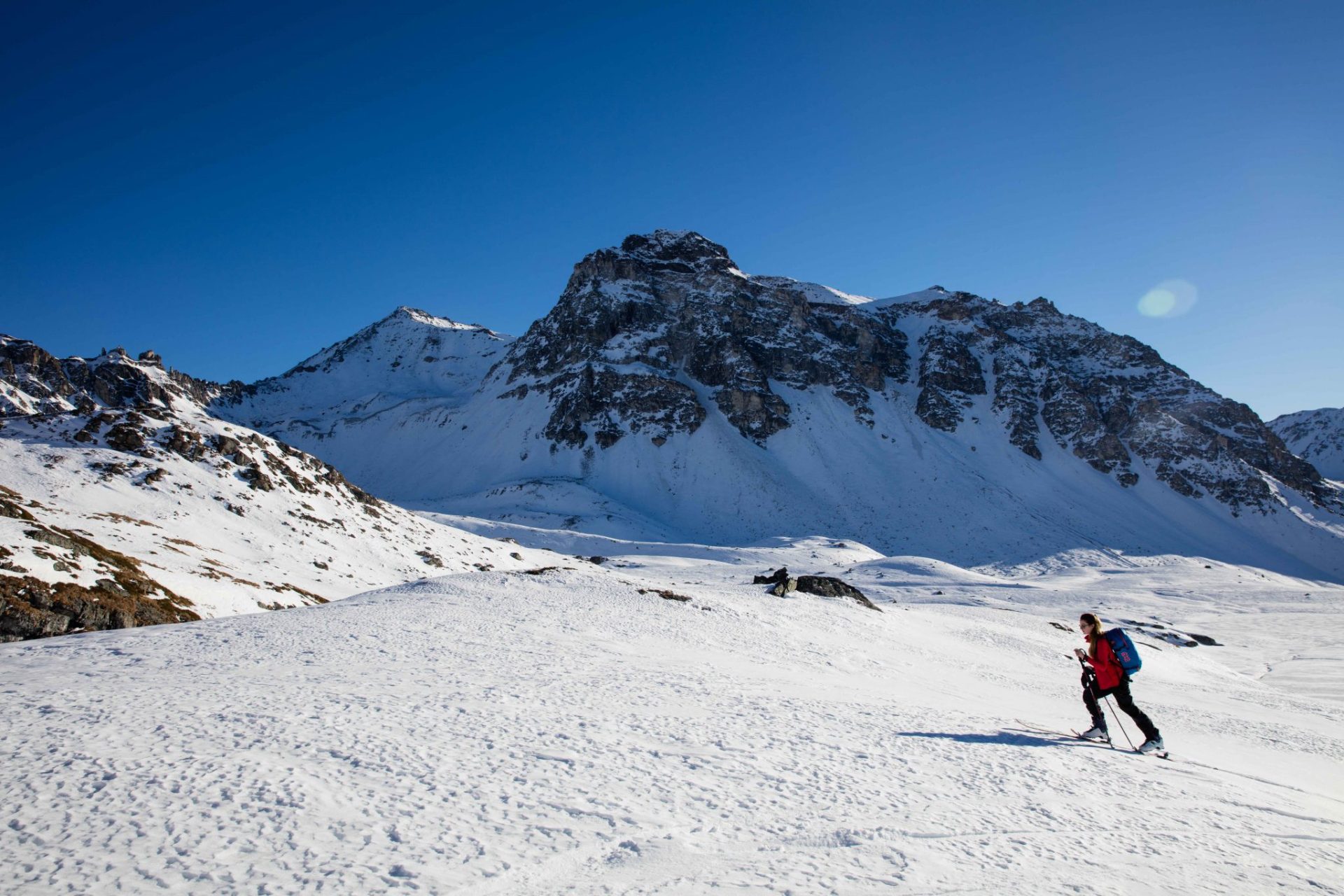
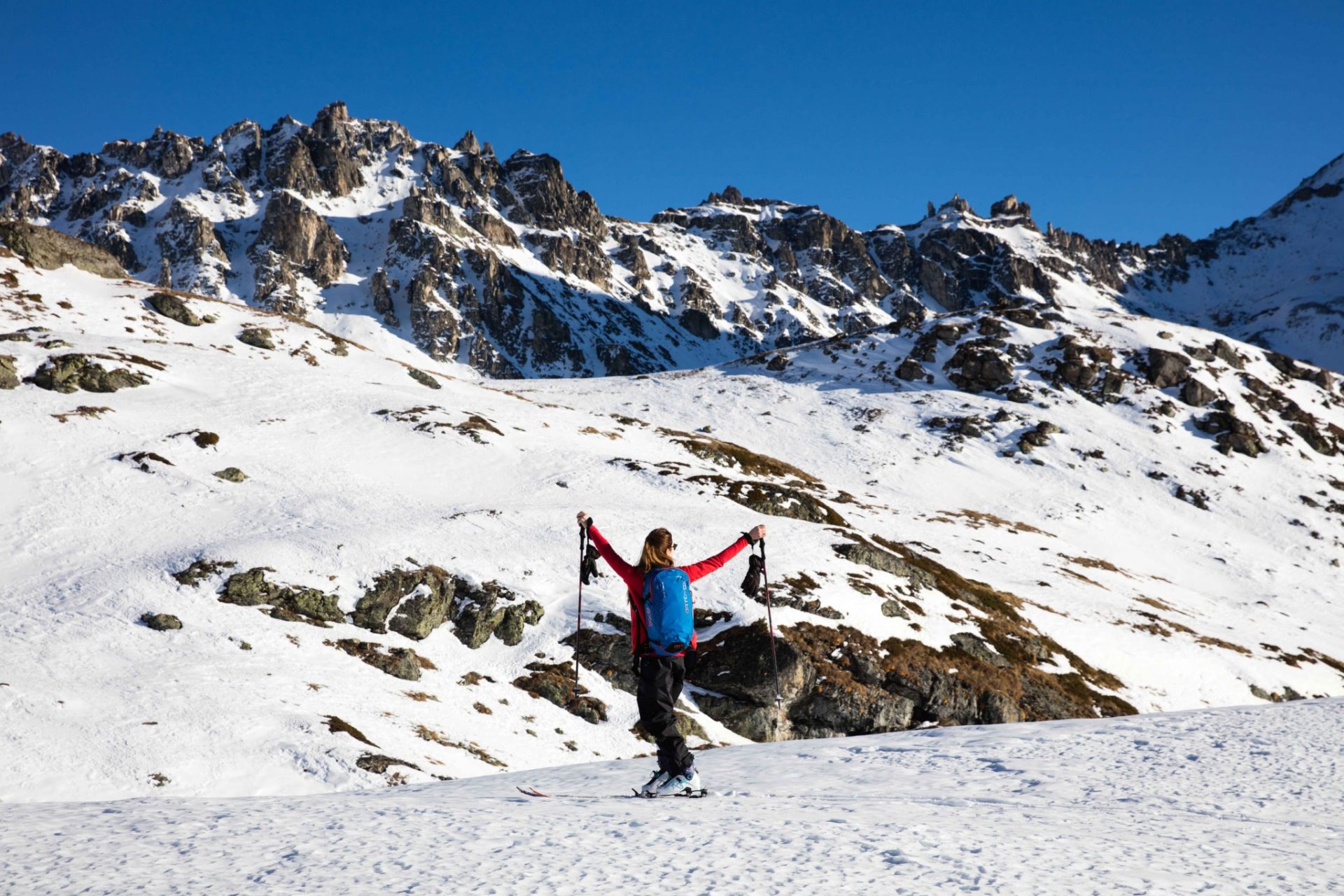
We've just come back from 40 days at high altitude in the Alps. Sofia and I set off right after Christmas. A road trip without too fixed an itinerary. We simply wanted to go looking for fresh snow and good conditions for ski touring and off-piste skiing. We travelled the mountain roads of Italy, Switzerland and France. Our boot was packed to the brim with paragliding gear, skis, our complete mountaineering equipment… Our time in the mountains was intense, full of unforgettable moments. We visited all our friends who live in the area and who showed us "their mountains". It was fantastic!
I'd like to share with you a few tips, a few little tricks I use whenever I set off.
A few good maxims
"The mountain isn't mean, but it is dangerous"
This is a phrase I often repeat to myself when getting ready to head into the heart of the mountains. We Belgians didn't grow up in the mountains, and our experience is generally quite limited. All I can advise is to always stay humble in the face of the elements.
Of course, staying on the marked slopes is where you're safest. If you don't have the experience needed to leave them, please don't. Or at least not without being accompanied by one or more professionals. Ski resorts are secured, marked out, rescue services can reach you easily, and you're never truly alone.
If you nevertheless decide to go off the beaten track, here are a few points not to overlook …
"Preparation is the key to success"
Before heading into the mountains, make sure you're ready on every level: physically, mentally, but also perfectly equipped.
I never set off for a big day of mountain hiking without having tested my gear on a less committing route. If needed, I get it serviced. "There's no such thing as bad conditions, only bad gear."
Sofia and I slept in a tent at 2,500 metres this winter, in almost -10°C. And we had no problems at all with our expedition sleeping bags … Having the right gear is essential. Prepare according to the forecast conditions, and above all know that they can change at any moment.
Remember to check the weather forecast before setting off. Will visibility be good? Is it going to snow? Or be very cold? What's the avalanche risk index? Personally, I often refer to www.meteoblue.com, which is a good source of information for the Alps.
What to bring in your backpack
I always take a backpack with me, in which I carry what I call the basics:
- water and food (a few cereal bars and dried fruit). You need to stay well hydrated in the mountains, the air there is very dry, and "you walk the way you eat". It's important to top up your energy regularly;
- an extra piece of clothing or a change of clothes for the cold;
- sunscreen;
- glasses with a good protection rating;
- a head torch, since winter days are short. You can sometimes be caught out quickly by the dark;
- a phone … with a charged battery! This is essential for calling for help, and it lets you give your exact position thanks to GPS coordinates. These are easy to find in your Maps or Compass app or feature;
- a helmet;
- goggles if conditions are poor, since they offer better visibility;
- a map;
- a lighter;
- a bit of cash …
For off-piste
When I head away from the marked slopes, I also take with me:
- an avalanche airbag pack. It's a certain budget, but you can rent one at the resort;
- an avalanche transceiver (Arva). You need to learn how to use it, and therefore practise with it. In the event of an avalanche, you need to react fast and know how to use the rescue equipment;
- a probe;
- a GPS device or a watch with GPS (in addition to the smartphone …);
- a snow shovel;
- a Garmin DeLorme inReach beacon that sends my GPS coordinates "live" and can send a distress message, even in a place with no phone signal;
- a first-aid kit;
- a distress flare.
Everything I've listed here is, in the end, only passive safety. Because the most important thing is above all to bear in mind these basic principles of active safety.
Think about your active safety
Be responsible and adopt the right attitude in the mountains. Use common sense: caution always matters. Adventurer Mike Horn once told me that the most important thing is to get home in one piece. He's so right! ;-)
You don't ski off-piste the way you ski at a resort.
There can be hidden rocks, snow bridges, and there can be crevasses … One day, a friend got tangled in a mountain pasture fence hidden 10 cm under the snow. A trap that was both unavoidable and dangerous …
Adjust your speed.
Never go out alone, always let someone know your route, your plans and your goal.
Give them a cut-off time. "If I'm not back by such and such a time, please alert the rescue services." If, along the way, you decide to change your plan, let your base camp contact or a loved one know.
A real-life example: This exact scenario happened to us this winter. Night caught us out during a ski tour … that turned out to be much longer than expected. We wanted to "cut across" by coming out through a different valley from the one initially planned. We lost a lot of time. When our friends grew worried, they went out looking for us. Unfortunately, our mobile phone batteries were dead (cold can drain them faster than usual) and they were searching for us along the original route. At -18°C and in an advanced state of fatigue, the situation was tense, to say the least! In the end, we probably avoided the worst and made it back in one piece, unharmed, safe and sound. But it's important to realise that we were right at the limit, and that this isn't something to play around with … If necessary, we wouldn't have hesitated to use all the resources listed above.
Respect your own abilities and everyone else's, and adapt to the level of the weakest member of the group.
Too often, people with little experience get drawn into situations that quickly overwhelm them. It would be such a shame to scare them and put them off the mountains for good!
Start small, learn, take your time, ask for advice.
They say "the mountain fears the slow man", and it's true. Every ski resort has an information centre or a mountain guides' office. Go there! More and more resorts even offer semi-secured routes for off-piste skiing and touring. Make the most of it! You can also learn safely by taking a course, for example a mountaineering course with UCPA. (www.ucpa-vacances.com/sport/alpinisme/)
If you're looking for a certified guide, the Explore and Share platform (https://www.explore-share.com/) offers guides selected for their extensive experience and professionalism. It's still the best way to head out well supervised and to find the best conditions. It can never be said enough: it takes preparation!
Happy preparations, enjoy yourselves, have fun … and stay careful!
Blue skies and soft landings,
Tom de Dorlodot.
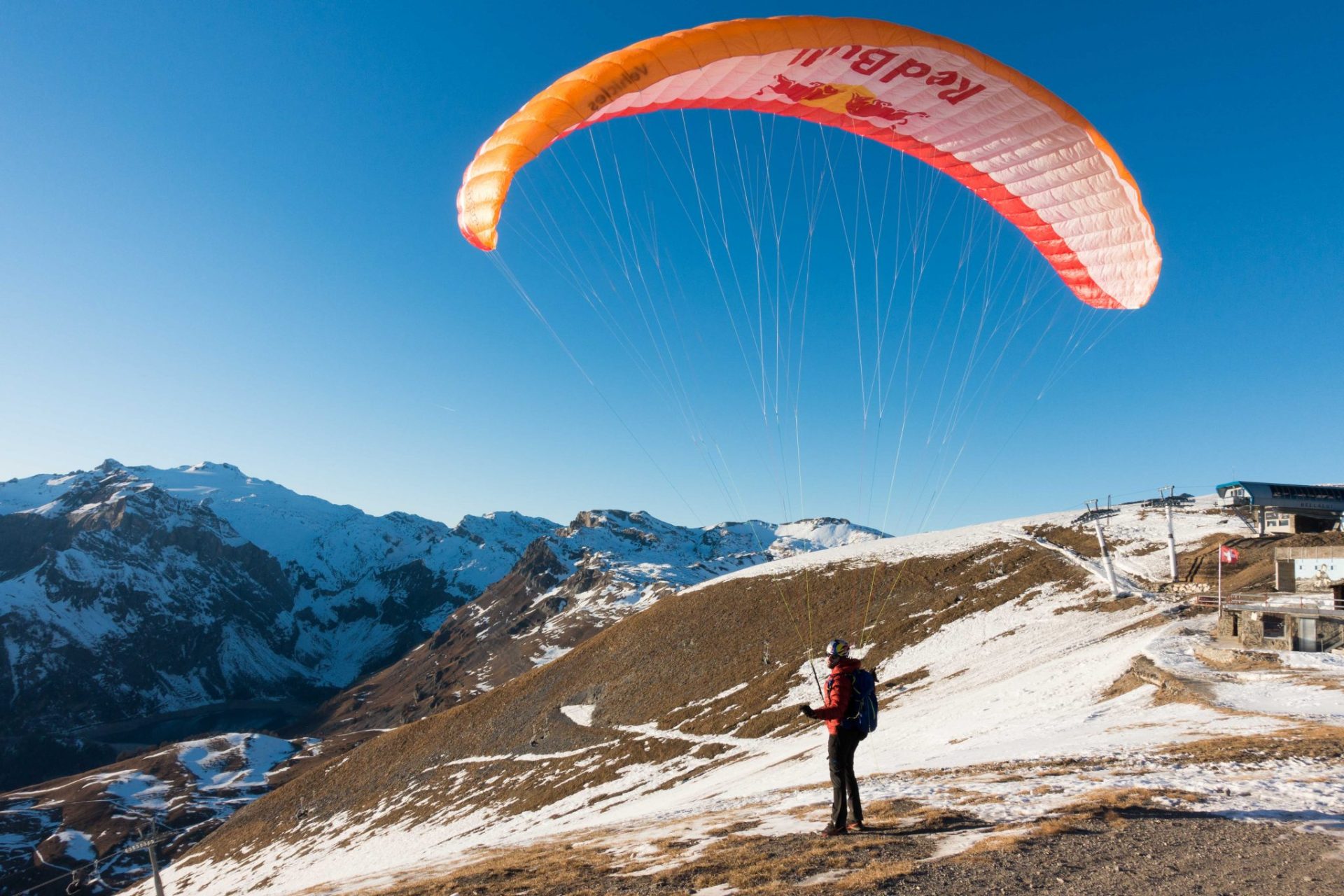
Tom de Dorlodot is a professional paraglider. He travels the world to feed his passion for wide open spaces. This globetrotter has travelled to more than 60 countries and regularly comes back with great stories and stunning images to share. He is the leader of the Search Projects team.