At a glance
In recent years, downloads of health-related apps have jumped by 40%. Are they all equally reliable?
Physical health, mental health, everyday care and wellbeing... Since the coronavirus pandemic, downloads of health-related apps have jumped by 40%.
The importance of the digital world for health was explored in our article on connected devices. Closely linked to these devices, digital apps are so many small everyday helpers for measuring, quantifying, and analysing.
Health apps, what are they?
To borrow a definition taken from a European Commission article, "Digital health and care refers to tools and services that use information and communication technologies (ICT) to improve the prevention, diagnosis, treatment, monitoring and management of health-related issues and manage lifestyles that affect health."
These health apps could be grouped into two categories, which differ in how they technically use your smartphone.
1. The health app that measures your metrics
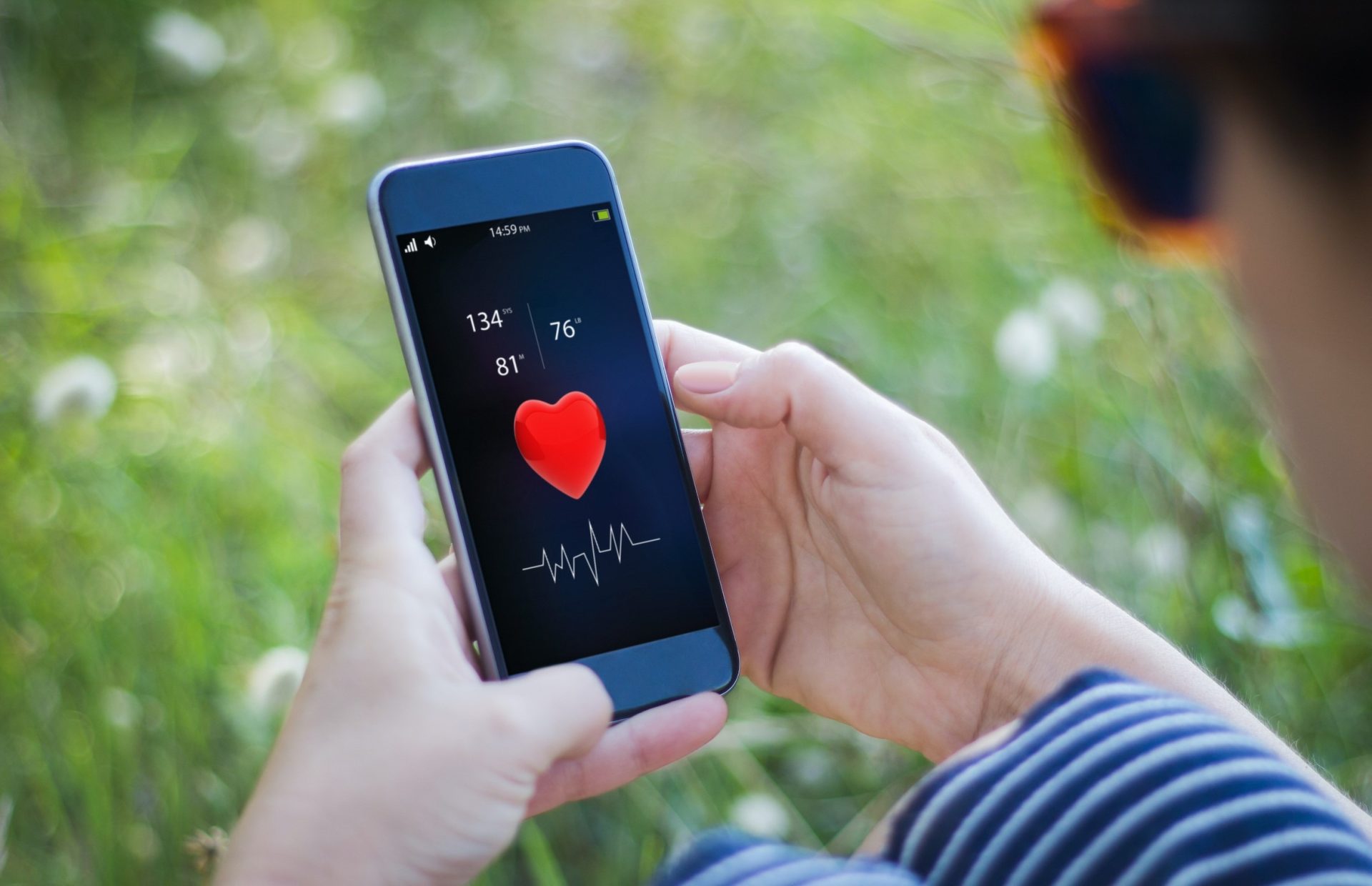
These digital apps are downloaded onto your smartphone and use internal sensors to measure metrics. The best-known of these sensors are the gyroscope and the accelerometer, which are used just as much to count your steps, determine the floors you've climbed, or your running speed.
These health apps are closely linked to connected devices. The most famous — and now most common — connected device remains the watch. Some watch models also measure heart rate.
2. The health app that analyses your data
While the first category of app is more related to physical health, a myriad of health-related apps don't need sensors to work. These are tracking and monitoring apps:
- Apps related to nutrition
- Apps related to mental wellbeing
- Apps related to the menstrual cycle or pregnancy
- Apps related to addiction management
- Apps related to doctor-patient follow-up, or on a larger scale, to public health
These apps therefore use the "basic" technical features of your smartphone: sending notifications, reminders, internet access, access to your microphone or your camera. They also rely on human input: if the human doesn't enter the data, the app can't analyse anything.
Medical app or health app?
There is therefore a plethora of apps covering every area of health. But "health" doesn't mean "medical". In Belgium, digital apps considered "medical" are listed on the Belgian m-HealthBelgium platform. To date, only 34 apps are officially recognised as medical devices.
All other apps, despite their benefits and the invaluable support they provide to many users, cannot therefore be marketed as medical devices. That would be false advertising, which you can report on the Point de Contact portal.
The business model of digital health
Even the most worthy purpose needs funding. Indeed, it's men and women who work to bring you health apps worthy of the name. Most of these apps therefore rely on a business model.
Yet, more often than not, these models come up against user volatility and a saturated market. And against another reality that's typical of the web: "I test first, I pay later." Digital apps then find roundabout ways to make money:
- Offering you a "freemium" service, i.e. free content for a set period, before asking you to pay.
- Offering you a free version, packed with ads.
And often, on the web, "making money" means reselling data to advertisers. Even though GDPR rules are becoming increasingly strict, the fact remains that your data can circulate freely if you don't read the consent terms carefully.
In case of abuse, you can file a complaint on the data protection authority's website.
Digital apps... useful for your health?
Every need is different, and so is every feeling. You might tell yourself that, precisely to stay healthy, you should give up on digital tools. Or, on the contrary, you might tell yourself that an app is the ONLY way for you to reach your goals.
Whether it's losing weight, gaining muscle, eating better, sleeping better, feeling relaxed, cutting down on smoking, or doing more exercise... A varied, well-rounded approach is best.
Ask your loved ones, your doctor, your personal trainer, your nutritionist…! Usually, they're even the ones who will recommend one or more apps to help you monitor your health.
Excess and the "tyranny of perfection"
The downside of these apps is sometimes dependence. Dependence on results, dependence on strict rules, and self-doubt if the results aren't within the norm, or even a feeling of unease if you forget to enter your data on time.
Also be careful with the sometimes extreme messages and programmes these apps recommend. If they're diet or fitness apps, don't set off on that journey alone. These apps, however commendable, are built on "norms" that don't suit everyone.
A telling example? BMI, which is held up as the benchmark of good health, calculated as a height-to-weight ratio and used to define obesity, normal weight or underweight. But what this figure fails to take into account is muscle mass and fat mass.
Yet this makes all the difference... And it's only by weighing yourself on a specialised scale, of the kind used by doctors, nutritionists or personal trainers, that you'll get a true picture of your weight.
As you'll have gathered: digital health apps are very good tools... provided you're well informed and, if needed, properly supported. If in doubt, don't hesitate to discuss this health app with your doctor during an appointment or during a teleconsultation !
Article written in collaboration with We are the Words.