At a glance
Insect bites and stings can sometimes ruin your holiday. How can you avoid them?
Being stung or bitten by an insect is a real and almost constant risk in any season and in any place, except in cold climates. A sting or bite can sometimes ruin your holiday. How can you avoid them?
Which insects are dangerous?
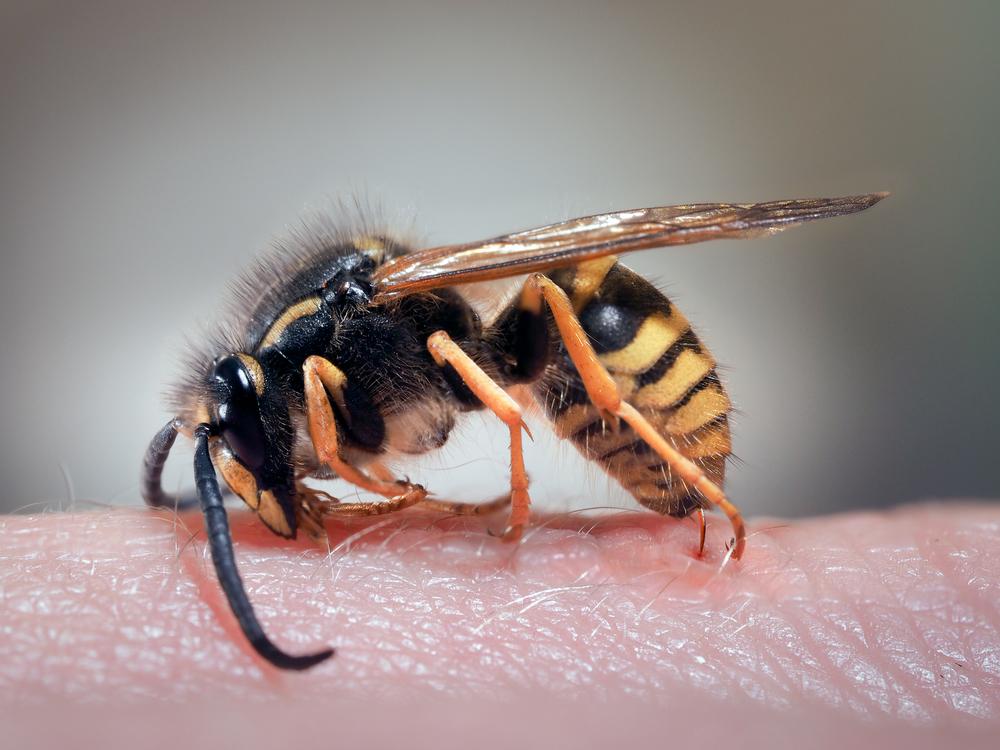
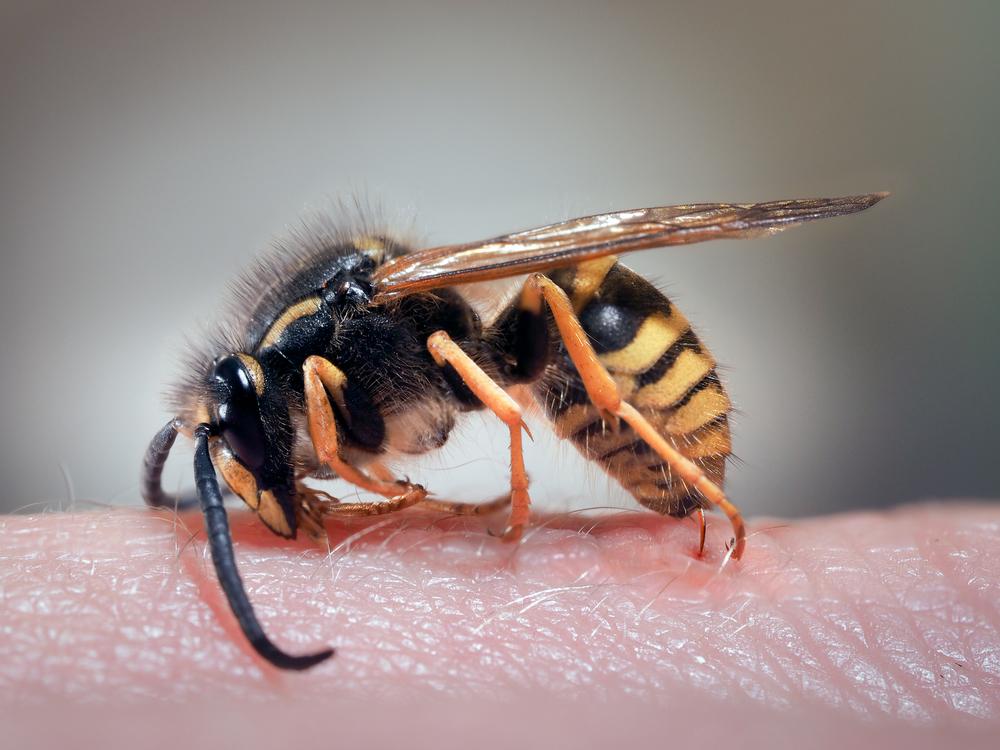
The best known and most feared stinging (or biting) insects are wasps, bees, bumblebees, horseflies, ants... Except in the case of an allergy, a large number of simultaneous stings, or a sting in a sensitive part of the body, these stings aren't dangerous.
Other insects can be disease vectors: fleas, bed bugs, ticks, mosquitoes, certain species of fly... In this case, it's important to protect yourself well.
What are the pathological reactions?
The most common reaction is a local reaction in the form of pain, redness, swelling and/or hardening of the skin. These symptoms can be very uncomfortable but often disappear after a few hours. However, be careful if they affect vulnerable areas of the body, such as the lips, eyelids, nose, ears, throat or neck, and contact a doctor if necessary.
Another, more severe reaction is an allergic reaction. This occurs more often in certain individuals and with frequent stings. In this case, the swelling can be much more intense and long-lasting, and can spread to an entire part of the body. In the most serious cases, it can lead to eye irritation, swelling of the tongue, breathing problems, a drop in blood pressure, dizziness or vomiting.
In these cases, contact a doctor immediately or call emergency services.
A similar reaction can occur when the victim has been stung several times at once.
What to do if you're stung?
If an insect has stung you and left its stinger in your skin (wasp, bee...), try to remove the stinger while avoiding pressing on the small venom sac attached to it, which could then release venom under your skin. The most effective method is to remove the stinger with a sideways motion using your nail or a flat object, such as a credit card. Don't try to pull it out with your fingers, as doing so will press on the venom sac.
Gently rinse the wound (with water and soap) and apply a little ice or a cold cloth to the wound. Remove anything that could get in the way if the skin swells, such as rings, bracelets or necklaces.
Good to know: products like vinegar, alcohol or ether, used to relieve pain or swelling, aren't always effective.
A painkiller is generally a better option.
Tip: rubbing a freshly cut clove of garlic on the sting (once the stinger has been removed) can also help soothe the pain.
See a doctor or call emergency services if you notice symptoms getting worse, such as those described above.
How to avoid insects?
Do's and don'ts:
- To avoid mosquitoes: wear clothing that covers your body (long sleeves and long trousers) and avoid wearing dark colours or overly shiny clothing, as these attract insects. Also protect your ankles and feet. Careful: a mosquito can also bite through light clothing! Use an insect repellent on unprotected parts of the body. Ask your pharmacist for advice. Protect the room where you sleep with a mosquito net.
- To avoid wasps and flies: avoid places where these insects look for food, especially places with food scraps or rubbish.
- Be careful when eating and drinking foods and drinks that attract insects (ice cream, fruit, sweets, sodas, etc). Make sure you don't accidentally swallow an insect.
- Certain plants have a repellent effect on certain types of insects (particularly flies and mosquitoes), such as chamomile, lavender, citronella, rosemary, sage or mint, but their use offers no absolute guarantee.
- Don't walk around barefoot. Wear trousers if you're walking through tall grass or woods.
- The smell of sweat can attract certain insects. The same goes for overly "fruity" scents, also found in deodorants, aftershave or other sun creams.
- If you use sun cream and an insect repellent, apply the sun lotion first, let it soak into the skin (20 to 30 min.), and then apply the repellent.
- Don't try to swat the insect away with a sudden movement.
- Killing certain insects can attract others of the same species. It's better to try to shoo them away. Swatting an insect to kill it while it's on you can cause a sting.
- Contact a beekeeper if you need to have a beehive removed, or the fire brigade if it's a wasp's nest or similar.