INDONESIA
Capital: Jakarta
Language: Indonesian
Currency: Indonesian rupiah. Exchange rate: 1 IDR = ± 0.00006 EUR
**Tourist Office: **indonesia.travel
Did you know? In Indonesia, as in some other countries, the left hand is considered unclean, and Indonesians use it to wash themselves. In Indonesia, food is eaten and hands are shaken with the right hand.
Are you travelling to Indonesia? Here are a few useful tips:
Travel documents and customs formalities
If your passport is valid for at least 6 months and you are travelling to Indonesia for tourism purposes for a maximum of 30 days, you do not need to apply for a visa.
Practically all credit cards are accepted in shops. Currency exchange is easier with US dollars than with euros. Indeed, the European currency is not yet very widespread, particularly in the country's less touristy areas.
The healthcare system in Indonesia
In Indonesia, healthcare facilities are far less widespread than in Europe. Care facilities are often found in metropolitan areas and are of a much lower standard than in the West. You will find good private clinics there, but at very high cost. Medication is also very expensive. As a result, bring along the travel medication you need.
We advise you to take out travel insurance before you leave so you can travel with peace of mind.
Yellow fever vaccination is only compulsory if you have stayed, during the seven days before your arrival in Indonesia, in a country that could transmit this disease.
Safety in Indonesia
Indonesia regularly experiences major natural disasters. The country has a high risk of earthquakes and is home to the largest number of active volcanoes in the world. It's important to hire highly experienced local guides for excursions. When taking part in a risky sport, make sure you're well accompanied and choose the right equipment to avoid unexpected and dangerous situations.
It is recommended that you register your trip to Indonesia on Travellers Online. This allows the Federal Public Service for Foreign Affairs to contact you should an emergency arise.
Be vigilant when visiting popular public tourist spots. Theft and petty crime are common there. Always be courteous and avoid attitudes that could offend local morals and religion. The majority of the population is Muslim.
Before you leave, read the latest travel advice for Indonesia on the website of the Federal Public Service for Foreign Affairs.
Which travel insurance should I choose for a trip to Indonesia?
At Redion, you can take out either temporary or annual travel insurance.
All travel insurance policies include the following benefits:
- Reimbursement of medical expenses
- Organisation of, and assistance with, your repatriation and that of your travelling companions if necessary
- Early return in the event of hospitalisation or death of a relative in Belgium
- Assistance in case of lost documents
If you only travel abroad once a year, temporary travel insurance may be useful. If you travel several times a year, annual travel insurance will be the more cost-effective option.
Climate and religion
The best time to visit Indonesia is outside the rainy season, which runs from May to October. During the Christmas holidays, Indonesia is a popular holiday destination for many Australian tourists, while the country is full of European tourists in summer. Local holidays are often linked to the end of Ramadan.
The local population is predominantly Muslim, but there are Catholic, Hindu, Buddhist, Protestant and Confucian minorities.
Indonesian cuisine
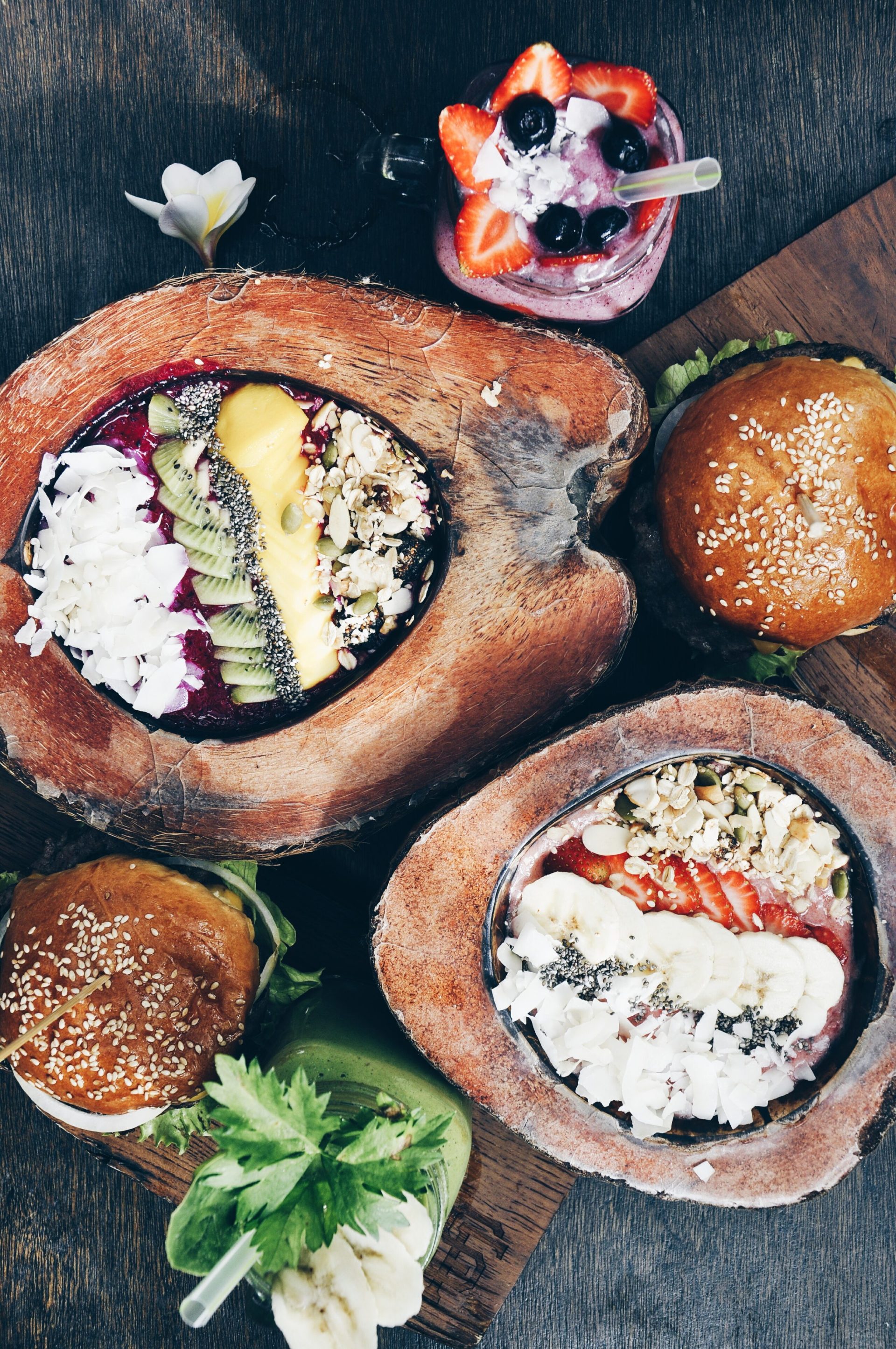
Indonesian cuisine is characterised by the use of simple ingredients such as rice, vegetables, meat and fish. Nevertheless, many herbs and spices are used to give local dishes intense and unique flavours. Try the street food, particularly fruit such as coconut. Noodles with vegetables and meat, spring rolls, rolls with bean sprouts, vegetables, eggs and chicken are also recommended. Don't miss “nasi goreng” either: a fried rice dish with vegetables, meat or fish.