At a glance
If you're travelling to Portugal soon, you'll find all the useful information for a hassle-free stay in this short guide.
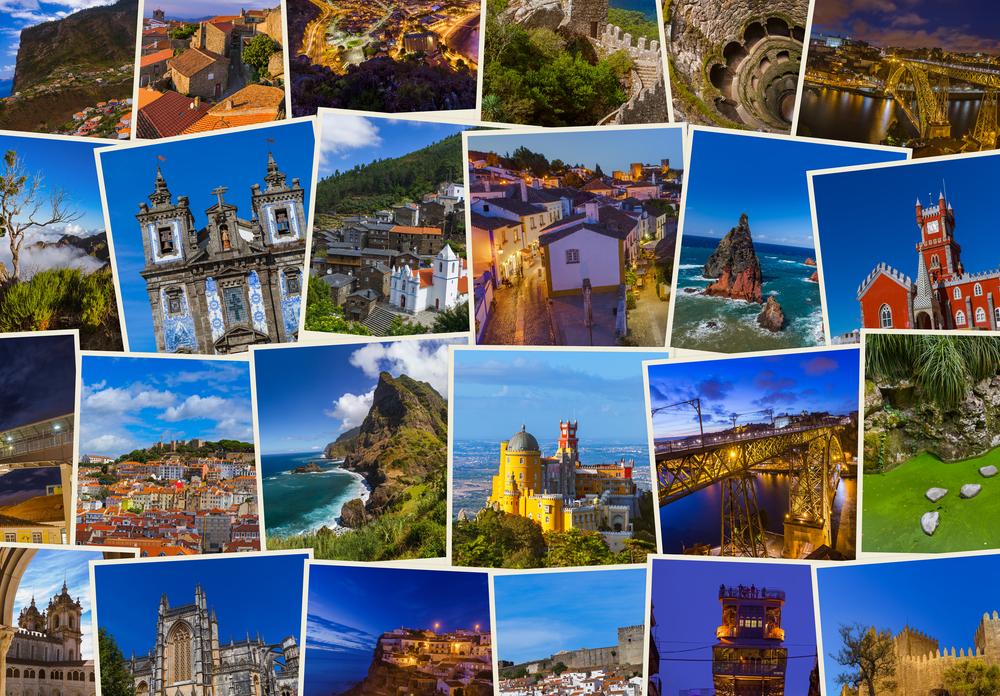
If you're looking for a colourful destination rich in culture, Portugal will meet all your expectations! From the magnificent beaches of the south to the festive atmosphere of its iconic cities, it offers a wide variety of landscapes and activities to suit every taste.
In this short guide, we give you a few practical tips to help you prepare well and guarantee a pleasant, hassle-free trip to Portugal.
Emergency numbers: who to call in case of a major problem?
- European emergency number: 112
- Fire brigade: 117
- Card Stop (lost or stolen credit cards): +32 78 170 170
- Doc Stop (lost or stolen Belgian ID card or passport): +32 2 488 21 23
Assistance: Redion (Belgium)
In case of an emergency, always contact the local emergency services first!
– Want to reach Redion for a medical or technical problem (e.g. car breakdown)? Do so via the Redion app (downloadable via the Apple Store or Google Play)
– Want to reach Redion for an administrative request or a contract change? Do so via the Customer Area on the website: https://www.redion.be
How to travel safely in Portugal?
Good preparation is needed to travel to Portugal with complete peace of mind.
That's why we help you below to learn about the administrative steps to take, the road regulations in force, and the country's climate.
What travel documents do you need for Portugal?
Like Belgium, Portugal is a Member State of the European Union. As a result, if you're an EU citizen, you benefit from free movement to this country.
To travel around Portugal, however, you must have your ID card (the Kids-ID for young children) or your passport. These documents must be valid at the time they're presented.
What is healthcare like in Portugal?
If you have a health issue during your trip to Portugal, you can get the care you need by visiting a doctor or going to the nearest hospital.
You'll be reimbursed for all or part of your healthcare costs by presenting your European Health Insurance Card, and you'll benefit from optimal cover by taking out supplementary travel insurance. You can choose either a temporary plan or an annual insurance policy, depending on your needs.
How safe is Portugal?
Even in the safest countries, small accidents can happen at any time. A few simple measures and precautions will let you enjoy your stay safely.
Here are a few general recommendations:
- always carry a valid ID document (passport, adult or child ID card);
- make a copy of essential documents and keep them in a safe place;
- never carry valuables or large amounts of cash; it's best to have only a small amount on you and keep the rest in a secure safe (at the hotel);
- be careful when paying with a bank card or withdrawing money;
- always be cautious on the road and at rest areas, as well as when driving at night;
- if you're driving on motorways, only stop at designated rest areas.
Portugal is a safe destination. However, like any major tourist destination, cases of (bag) snatching can occur, especially in streets or busy areas. Always keep an eye on your belongings, wherever you are. In a car, avoid leaving your personal items in plain sight.
To prevent bank card fraud, stay vigilant when making purchases. In particular, avoid ATMs located in isolated or quiet areas. Always pay for your purchases yourself, without handing your payment card to others. Don't share any personal information with third parties.
It's always wise to check the current security measures provided by the Belgian Federal Foreign Affairs Department.
What are the driving rules in Portugal?
From Belgium, it's easy to get to Portugal by plane, train or car.
Portugal has a large number of airports near its major cities.
Portugal has an extensive transport network within the country.
It's served by comfortable buses, making it easy to reach the neighbouring town or access small villages. There are several categories, including:
- expressos: fast buses running in major cities;
- carreiras: slow buses;
- alta qualidade: luxury buses;
- rápidas: fast regional buses.
Train lines cover the whole country. The different modes of transport suit everyone's needs and requirements. You can choose between:
- intercidades, which connect different cities;
- the premium alfa pendular trains;
- regional, interregional (stopping) and suburban trains.
When visiting Lisbon and Porto, you can take the metro, which runs between 6am and 1am.
Many tourists decide to travel to Portugal by car or rent a vehicle there. Here are the road rules in force:
Speed limits
- in built-up areas: 50 km/h;
- on conventional roads: 90 km/h;
- on expressways and motorways: 120 km/h.
- follow the road signs installed along the way, as they may indicate other values.
Note that car rental is reserved for those over 21.
An exclusively electronic toll system, called PortugalTolls, has been introduced on many motorways. It's identified by the "Electronic toll only" sign.
Mandatory equipment
Click here to discover all the useful information on mandatory equipment via a downloadable application from the European Commission.
Electric cars
Like most European countries, Portugal is increasingly equipping itself with charging points for electric vehicles. Plan your route carefully if you're driving an electric vehicle, and bear in mind that during the high tourist season, it's not always easy to immediately find a free charging point in busy areas.
Several websites let you locate charging points, including this one: https://blog.chargemap.com/fr
What activities are there in Portugal depending on the season?
Although Portugal is known for its festive, colourful summer, it's possible to visit all year round. Nevertheless, it's important to know the climate conditions specific to each region in order to plan your stay well.
Portugal in spring
Spring starts in March and ends in May. The climate is mild, with temperatures below 25°C. This is the ideal time to hike some of Portugal's best trails, such as those in the Algarve, Madeira or Alentejo. Strolling through Portuguese towns and villages is also particularly enjoyable at this time of year. If you visit the Azores, you'll enjoy its colourful flowers, which create a postcard-worthy landscape.
Portugal in summer
Summer is very hot in Portugal, especially in the centre and south. The north, on the other hand, enjoys a milder climate, with more pleasant temperatures. Generally, during this period between June and August, tourists flock to the country. If you want to avoid the intense heat and crowds of visitors, prefer autumn or spring.
Portugal in autumn
Autumn in Portugal is a great time to stroll through the cities, go hiking or enjoy other outdoor activities. Indeed, temperatures are pleasant, neither too hot nor too cold. What's more, the number of tourists drops sharply at this time of year.
Portugal in winter
Generally, the winter period runs from December to February. Temperatures remain mild thanks to its Mediterranean-type climate. However, they vary from region to region. Northern Portugal is wetter, with an average temperature of 12°C. The centre sees less rainfall, but temperatures hover around 15°C. These rise to 18°C in the south, which is also the driest region.
The ideal season depending on activities and planned destinations
To choose the right season, take into account the destinations and activities you plan to enjoy.
For example, if you plan to learn or practise surfing during your holiday in Portugal, head to the north during the summer season, ideally from April to October. In Lisbon, it's possible to enjoy this activity all year round. To take advantage of lower winter prices, the waves of the Algarve are ideal if you have an advanced level.
If you're keen on snorkelling, the summer period is the perfect time for a memorable holiday on Portuguese soil. On the other hand, hiking enthusiasts will prefer the mild temperatures of spring (from March to June) or autumn (from September to the end of October).
Did you know?
The former name of Portugal is "Lusitania". This was the name of a Roman province that included part of Portuguese territory. At that time, the inhabitants were called the Lusitanians.
Other practical information about Portugal
- Capital: Lisbon (Lisboa)
- Language: Portuguese
- Currency: euro
- Area: 92,152 km2
- Population: 10.62 million
- Tourist Office: https://www.visitportugal.com/fr/
- Embassy and consulates: https://portugal.diplomatie.belgium.be/fr
What are Portugal's culinary specialities?
Portugal is renowned for its Mediterranean cuisine, a perfect blend of flavours from the land and the sea. Its gastronomy is festive, tasty and healthy.
Make the most of your stay to sample iconic traditional dishes such as:
- bacalhau (cod, Portugal's iconic fish), prepared in various ways;
- caldeirada de peixe (a fish and seafood stew);
- caldo verde (a traditional soup);
- pastéis de nata (caramelised egg custard tarts);
- ...
Don't forget the exceptional wines from Portuguese estates, such as Port wine and vinho verde!
A few basic words and expressions
- Yes: sim
- No: não
- Hello: bom dia
- Hi: Olá
- Good afternoon/evening: boa tarde
- Good night: boa noite
- Goodbye: adeus
- Please: por favor
- Thank you: obrigado (obrigada when used by a woman)
- How much does it cost?: Quanto custa?