At a glance
The ISA system is software that helps drivers reduce excessive speed. How does it work?
Excessive speed is one of the leading causes of road accidents. Authorities are constantly looking for ways to enforce speed limits. This is where ISA software (short for "Intelligent Speed Assistant") comes in, offering them a solution that is even becoming mandatory in every new vehicle.
Our blogger Alain Dierckx explains more.
What is the Intelligent Speed Assistant (ISA)?
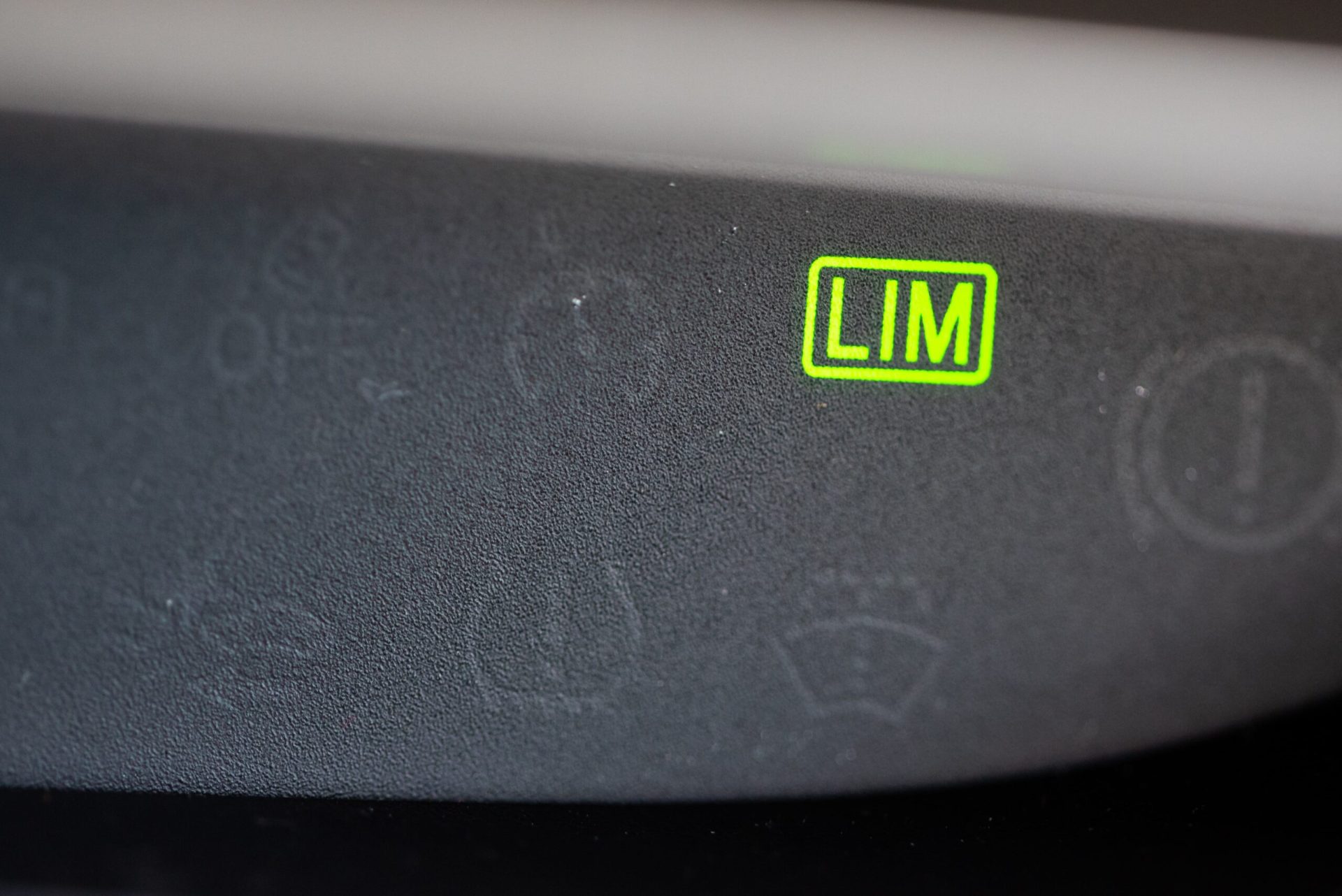
ISA is software that can reduce your vehicle's engine power, preventing it from driving faster than the speed limit in force on the public road.
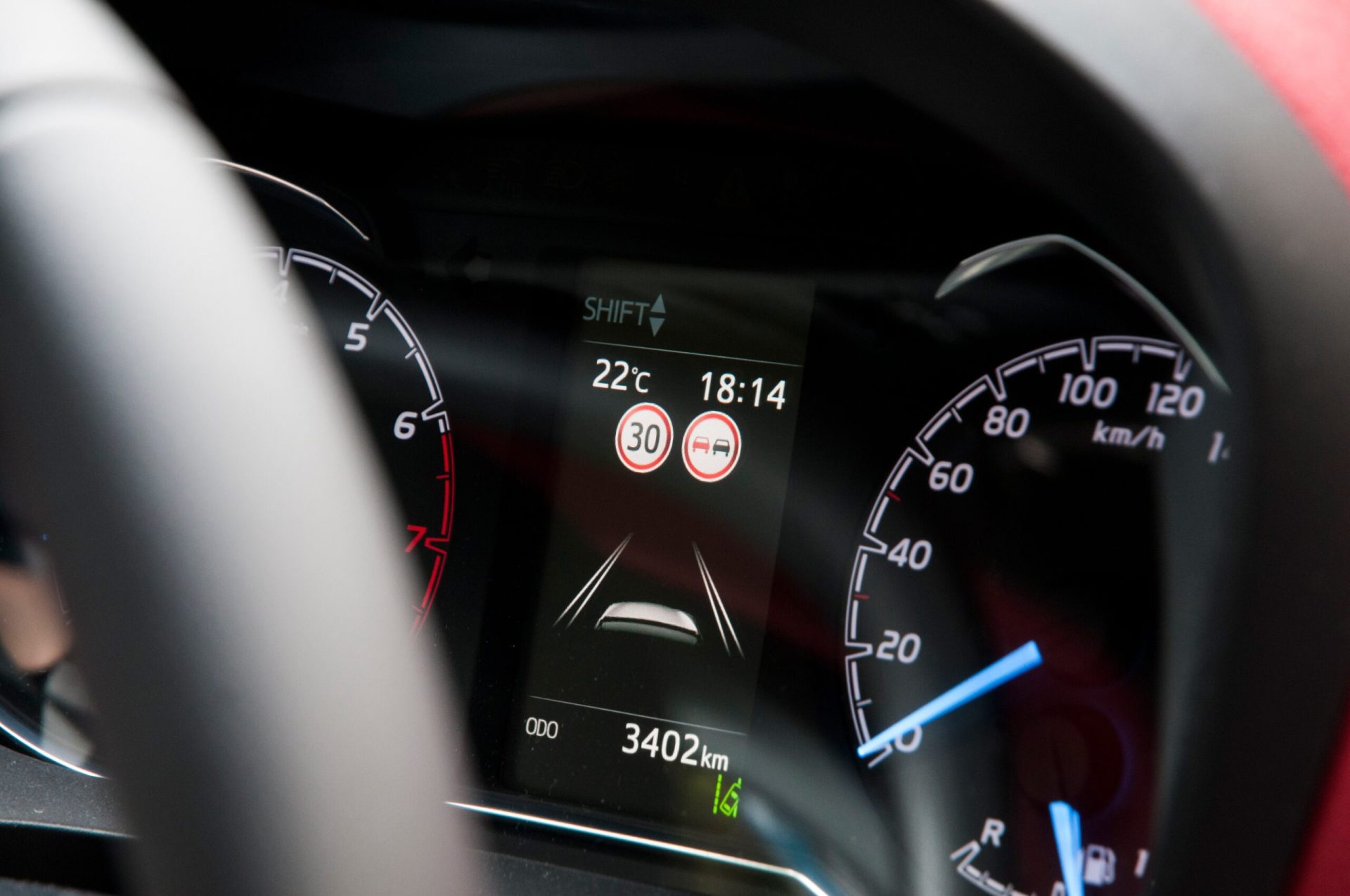
The driver is always informed when the system kicks in, in several different ways: a flashing symbol on the dashboard, an audible signal, a vibration in the steering wheel, or increased counter-pressure on the accelerator pedal.
How does ISA work?
The system needs to be able to receive a signal telling it the speed limits in force on your route. This can be done using a smart camera that reads road signs, but also based on the vehicle's GPS data (or a combination of both).
The speed limiter's intervention can always be overridden by the driver by pressing the accelerator pedal. However, since the system is linked to the vehicle's ignition, the software is automatically reactivated when the car is started.
Are there already cars with a built-in ISA system?
Several carmakers already sell models fitted with ISA. You can find a brief overview by clicking here.
ISA has had to be installed in every new vehicle model in Europe since July 2022. Euro NCAP Advanced, which rewards progressive safety measures on top of the Euro NCAP star rating, even awards extra points to carmakers that install this speed limiter.
Europe plans to make ISA mandatory in every new car, truck, van and bus from July 2024.
What are the benefits of ISA?
ISA aims to reduce road accidents by 30% and deaths by 20%. A major advantage of this system compared with other safety systems is that it doesn't apply the vehicle's brakes, which can startle drivers.
What are the drawbacks of ISA?
For it to work properly, it's not enough for the software itself to work correctly.
- Road signs also need to be correctly positioned along public roads and clearly visible to all road users. They must not be hidden by vegetation, must be clean enough to be legible, and the numbers and letters must not be worn away.
- GPS data must be accurate, and therefore updated in real time (that is, via an internet connection). This isn't the case for all current navigation devices.
- Finally, differences between the traffic rules of different regions and countries can also cause problems. For example, in Belgium, a speed limit remains in force until the next intersection and must then be repeated by new signs. This isn't always the case in other countries.
Also read the article:\