At a glance
How do you organise yourself to travel alone with (very) young children? Sofia answers 8 key questions and shares her experiences.
Sofia Pineiro has lost count of the number of times she's joined her partner Tom de Dorlodot with their little ones in tow. What better than an experienced young mum to share her tips and tricks for travelling with peace of mind with very young children (aged 0 to 5)?
Below, Sofia answers 8 key questions, shares her experiences and gives us her checklist.
While it may seem daunting at first, travelling alone with young children doesn't necessarily have to be an ordeal. Whether you're a globetrotter or just heading off on a short trip abroad, your best ally for managing everything is being organised.
Question 1: How can you make things easier when travelling alone with children?
Every trip requires preparation: choosing a destination, paperwork, packing bags... Travelling solo with children obviously doesn't change that rule, it amplifies it!
Are you flying, driving, taking the train...? The constraints linked to your means of transport are obviously different in each case.
For my first solo trip with my children (2.5 years and 4 months old), I kept things as simple as possible. I had to join Tom in Bordeaux. Barely an hour's flight. Nothing too complicated so far. Except that day happened to be the big departure day for Belgian holidays. An impressive crowd in the entrance hall and an hour-long queue for check-in. Luckily, my mother-in-law was there and had insisted on coming with me to help with the children. While I queued, she settled into a café with the children. They were able to nap peacefully, and I was able to wait in that queue without losing my mind.
If you're going on holiday with one or more couples who have children of the same age, arrange to be on the same flight or in the same train compartment so you can help each other out. With more people around, it's so much easier.
So my first tip is: be willing to accept help!
If you have no one to travel with, people are always very understanding when they see a mum arriving alone with her children. Let them put your suitcase in the plane's overhead cabin, or carry it onto the train. Accept their kind offer to "go ahead of me" in a queue. Because, ultimately, you'd do the same in their place!
Question 2: Can you choose any destination?
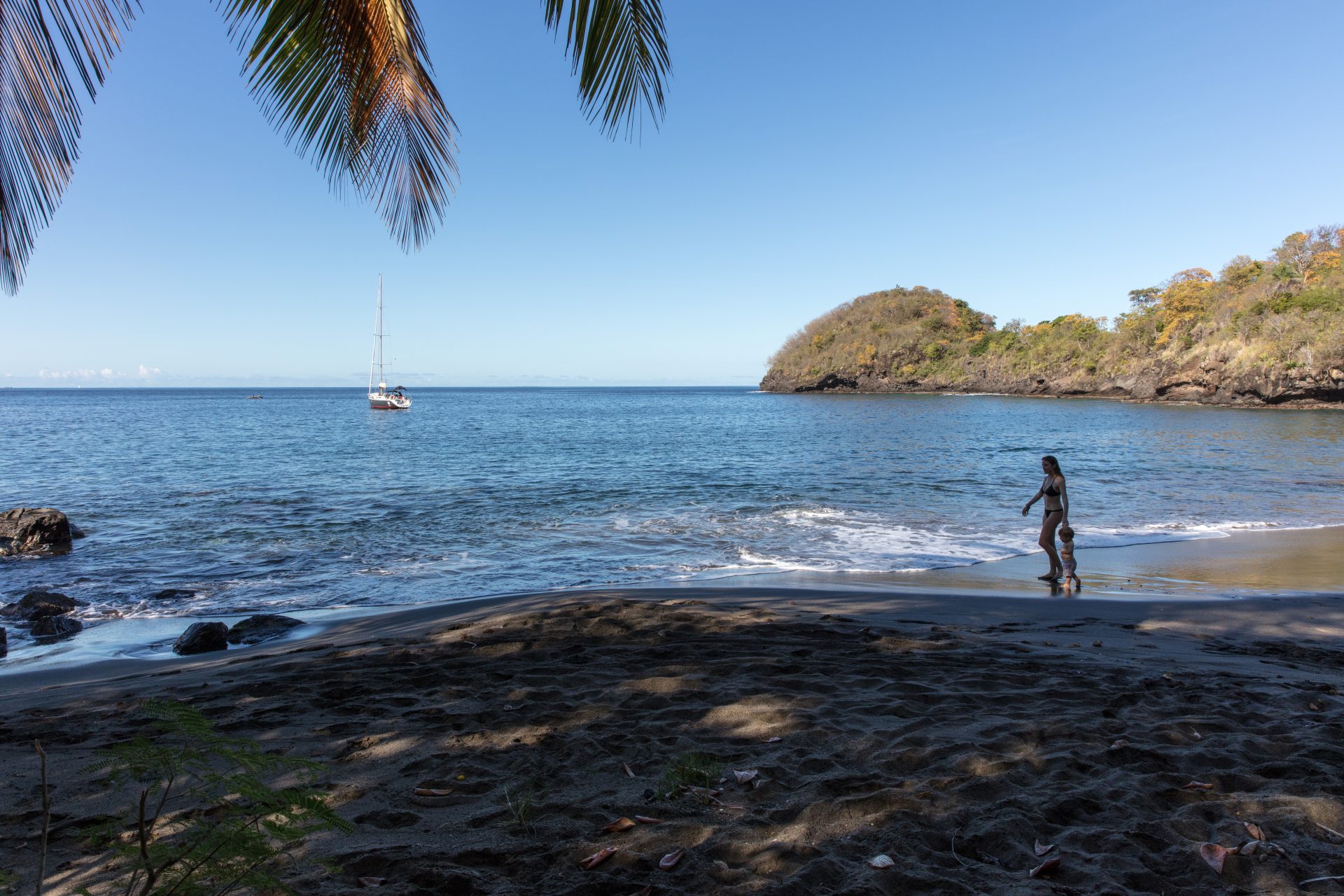 Depending on your destination, you'll need to sort out a number of formalities before you leave: passport, vaccinations, visa... Few countries are clearly advised against for travelling with children.
One thing not to overlook, however, is malaria. Children are prone to developing severe forms of the disease. So avoid countries and risk areas, or at the very least discuss it with your doctor or paediatrician and check with the Ministry of Foreign Affairs.
Besides mandatory vaccinations, depending on your destination, certain specific vaccines will be recommended, such as those for yellow fever, hepatitis A, rabies... Don't leave it to the last minute, it's best to plan ahead. Also watch out for ticks!
In short, be prepared, especially if you're travelling far and outside the European Union. Make sure you're close to a hospital in case of need, and pack a complete travel first-aid kit.
Also keep in mind that a child can quickly develop serious symptoms when they fall ill. So, if left untreated, a stomach bug in a young child can quickly have serious consequences, more severe than in an adult. It's therefore essential to see a doctor at the slightest doubt, and to notify your travel assistance if you're abroad.
Question 3: How can you help children adjust to the pace of the trip?
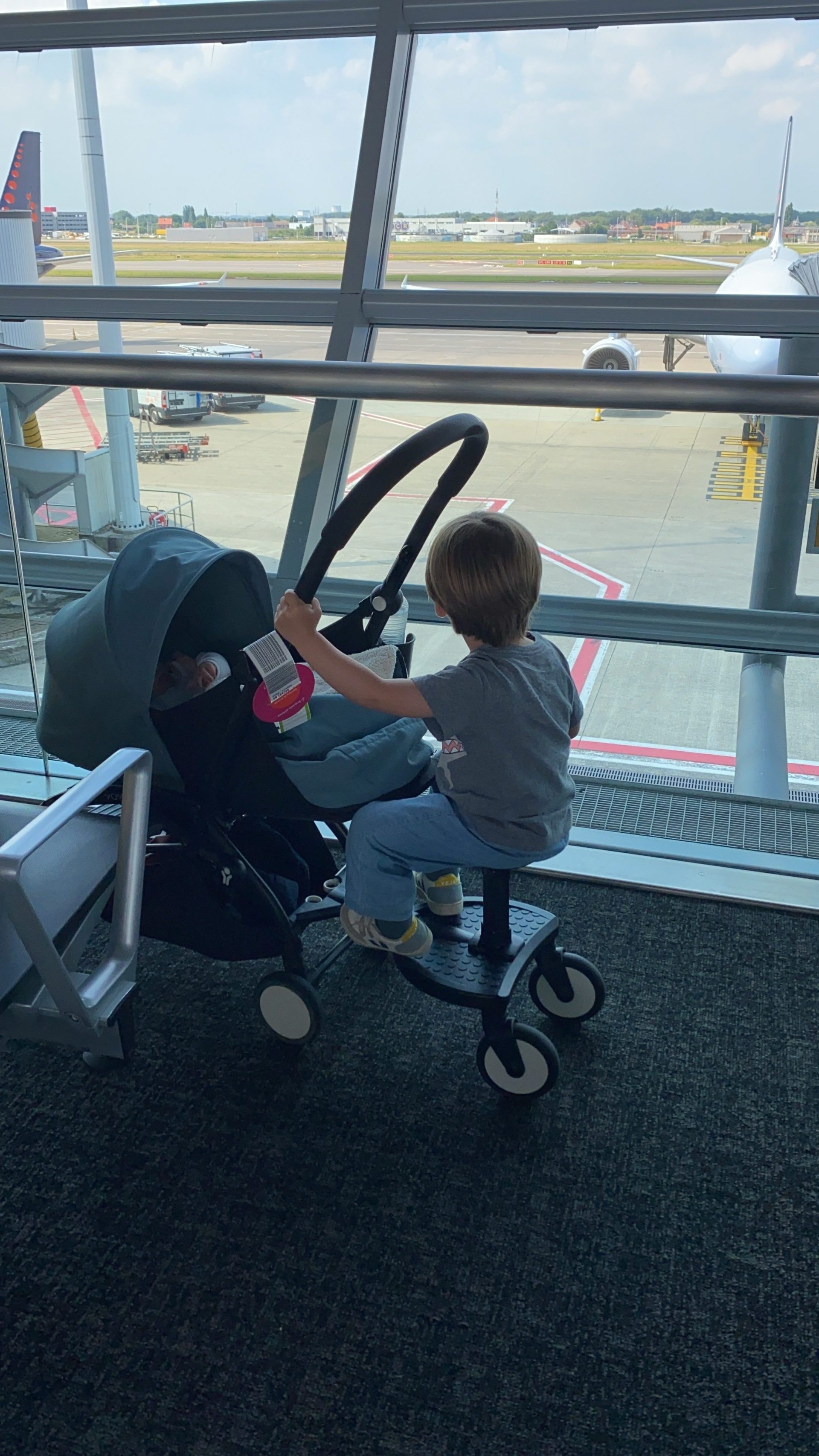
As a parent, you travel differently, and certainly in a more thoughtful, measured way than when you don't have children in your care. While children have a great capacity to adapt, respecting their pace gives you the chance to travel with more peace of mind. Choose your flight times or driving departure based on your children's nap and meal times. Take jet lag into account.
Also remember that, unfortunately, not all airlines are equal. Sometimes it's worth investing a few extra euros in your plane tickets rather than finding yourself "stuck" mid-flight with cabin crew who aren't attentive to your needs. It's also a good idea to choose your seat on the plane carefully.
Children under two can generally travel on your lap. However, having a child on you for the whole flight isn't necessarily restful. So consider booking them a seat. Depending on the airline and type of flight, you may also be able to book suitable equipment such as a bassinet. Finally, air conditioning runs constantly on planes. Remember to pack a small blanket in your hand luggage to cover your child if needed.
Question 4: How should you plan for food?
When it comes to food, if your child still drinks from a bottle, check whether the formula milk you use is easy to find locally. Otherwise, children have a wonderful capacity to adapt and are very curious. They'll love discovering new flavours! That said, avoid anything spicy or hot, which can sometimes catch them off guard.
On departure day, I love planning snacks ahead of time. At airports, we don't always have much choice when it comes to healthy food. I love going to an organic shop before travelling and picking up higher-quality snacks for my son to nibble on during the trip. Anything that's baby or child food (such as: fruit purée, yoghurt, biscuits, and even small sealed bottles of water for baby bottles) can go through security scans, and you can bring them with you on board the plane.
Question 5: How can you avoid administrative hassle?
Don't forget your important documents:
- A valid ID card or passport, depending on the destination. Make sure your children are registered in your passport. A Kids-ID is required to travel within Europe.
- A European Health Insurance Card (remember to check with your health insurance fund and/or insurer for any country outside the European Union).
- Your children's health and vaccination record (and, if needed, their Covid certificate).
- Some countries require written authorisation from the other parent. This must be certified by the municipal administration of your place of residence.
Photograph or scan your important documents and save them on your phone. In case of loss or theft, these can still come in handy. This also lets you leave your original documents somewhere safe (in your hotel safe, for example).
Question 6: What about the children's luggage?
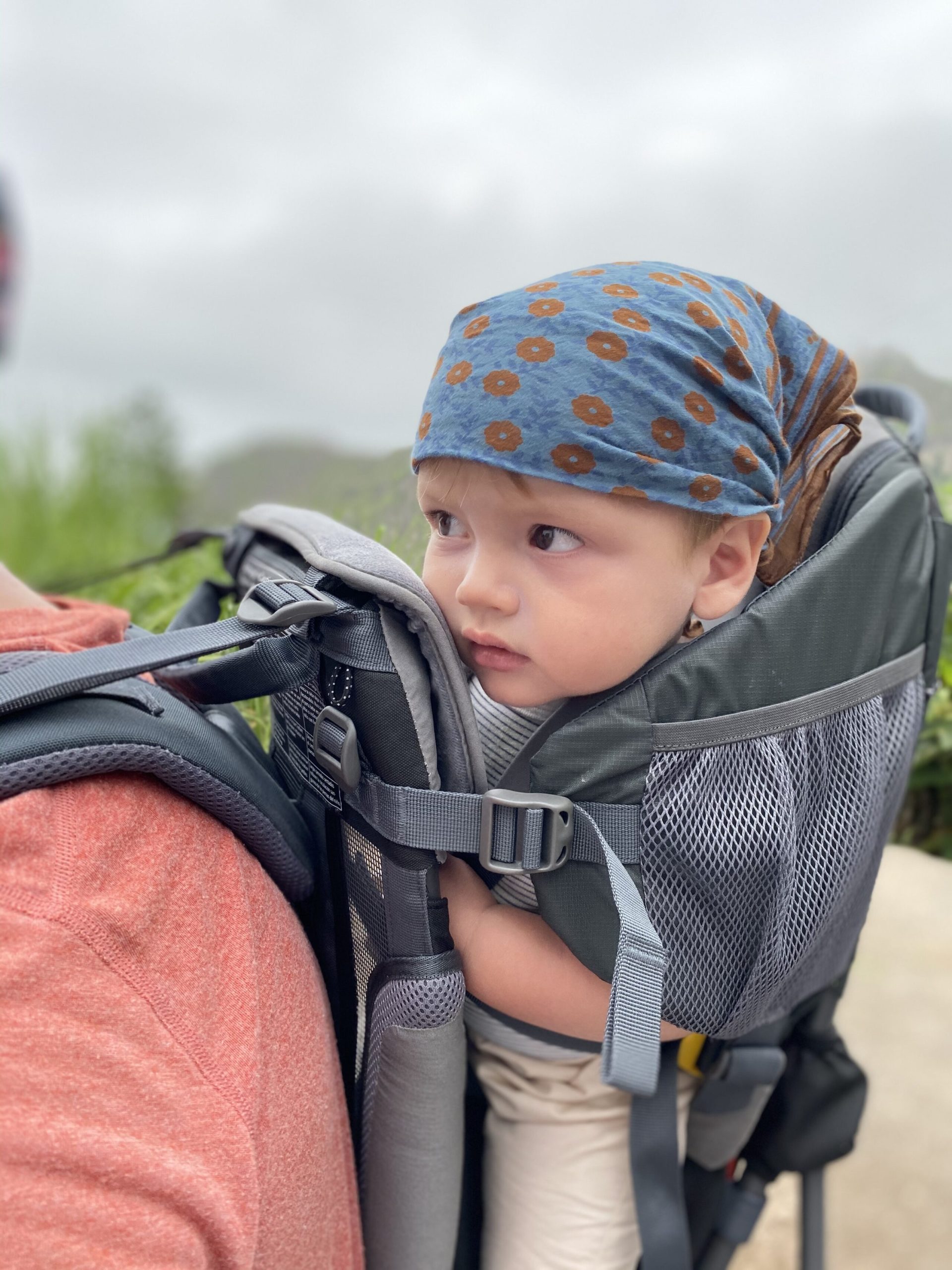
Oddly enough, the younger the child, the more tempted you are to pack tons of things and end up weighed down. If you're travelling by car, this isn't a big concern. Only the size of your boot will limit you. But when it comes to flying, taking the train or the boat, that's a different story. Don't lose sight of the fact that you'll be the only one carrying everything, and with children to manage, you'd rather have your hands free. But above all: don't forget their favourite cuddly toy!
If you're travelling with a baby, a baby carrier (or sling) will become one of your best allies. Practical, light and easy to bring along (unlike a stroller), it also frees up both your hands to pull your luggage or take care of your other little one.
Finally, to avoid bringing unnecessary items, find out what equipment will be available on site (travel cot, high chair...). And when it comes to dirty clothes, you can always opt for handwashing if needed.
Question 7: Why is it important to plan ahead for the trip?
As you can see, a trip needs preparing, so it's best not to leave your packing to the last minute. Planning ahead is ultimately the best way to make sure you forget nothing. List everything essential for your stay and your needs. Think about the activities you plan to do and the weather conditions.
Whatever your means of transport, make sure to have hand luggage with the essentials, so you don't have to dig through all your bags looking for your child's cuddly toy.
Question 8: Why should you take your young children travelling?
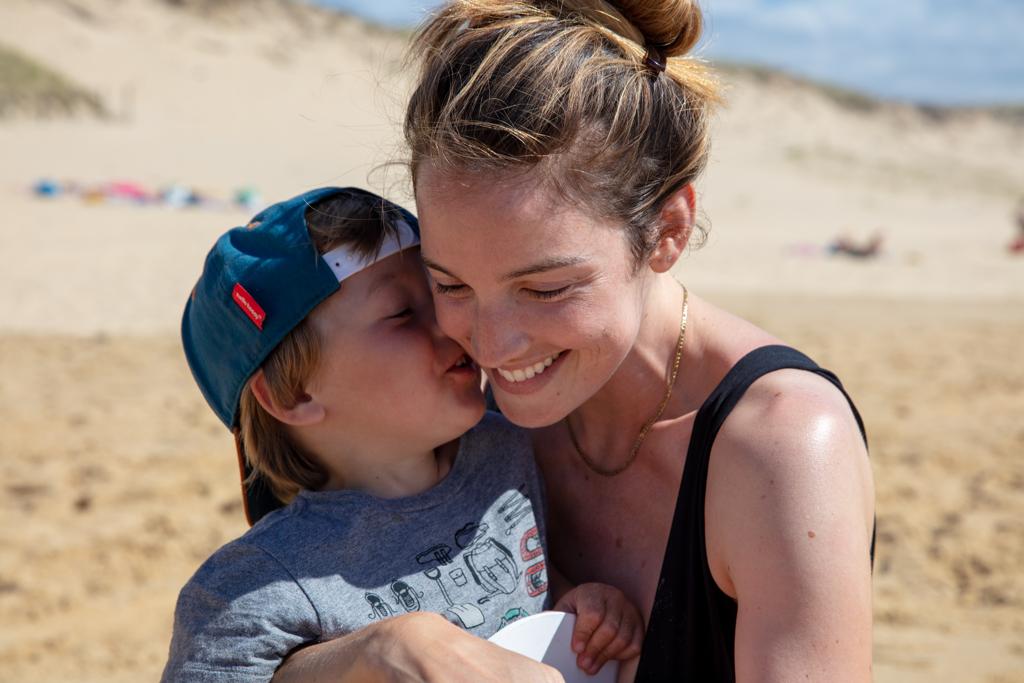
As we've seen: travelling with children isn't very complicated if you're well organised. So why deprive them of it? Travelling is a way to show them the beauty of the world, open them up to other cultures, give them a different perspective on difference and tolerance... all while sharing unique moments that will stay etched in our memories.
If so many families or solo parents travel the world every year, why not you?
9: Sofia's checklist
To sum up, and to prepare my trip as best as possible, I've put together a small checklist that helps me not to forget anything important:
- Before every trip, I've made it a habit to find out more about our destination (health risks, climate...). Note down useful addresses in case of problems: hospitals, the numbers of one or two local paediatricians, and the address of the Belgian embassy or consulate.
- I make sure to travel well covered with good travel assistance.
- I look into and sort out (in good time!) travel and identity documents (kids ID, passport and visa if needed, etc.)
- If necessary, I check in with my paediatrician in Belgium (state of health, recommended and required vaccinations, certificates, prescriptions, etc.).
- I also check whether the products I use or might need to use are easy to find locally. For example: a certain type of formula milk, specific medication, eco-friendly nappies...
Feel free to check out my article Going on an adventure trip with a baby for even more information and tips in case you're considering this type of trip with a very young child.
Safe travels!
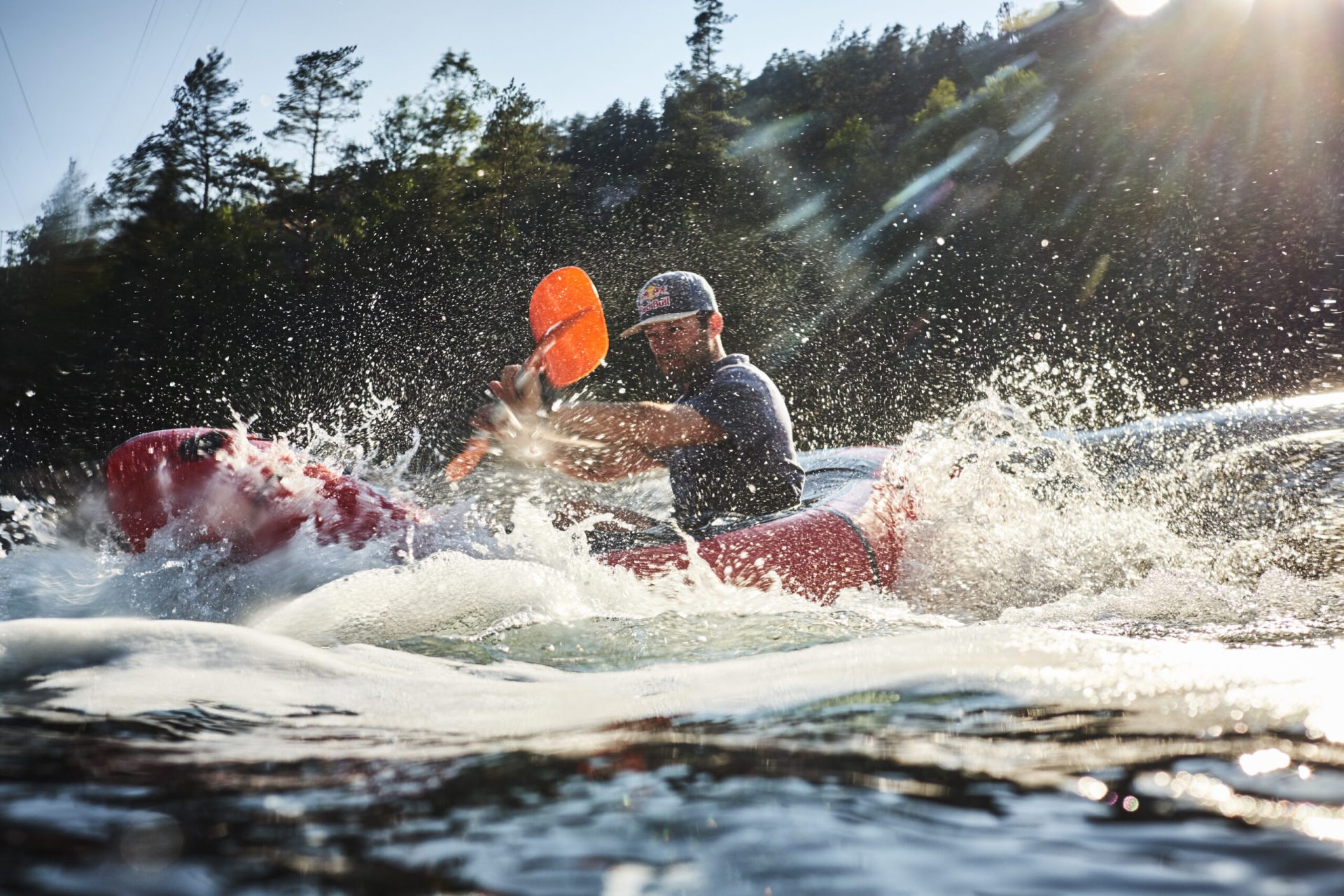
Discover more of Tom and Sofia's adventures and tips in the "Travel and adventures" section
Photos: © Tom de Dorlodot