At a glance
In which European countries is wild camping allowed? What are the rules? What should you watch out for?
Are you planning a trip to Europe and thinking of pitching your tent in a bucolic, natural spot? Can you go wild camping wherever you like, or are there rules?
We put the question to Yannick from the blog Somsookheimwee, who tried the experience himself and wrote an article about it on his blog.
Wild camping and freedom
As human beings, we all long for freedom and the chance to enjoy the beauty of the world around us. It seems our nomadic ancestors' blood still runs through our veins, because wild camping is the ideal way to experience freedom and seek out the adventure we so desperately need. It's the ideal way to escape everyday life and enjoy Europe's natural beauty. Whether you're travelling alone, with friends or with family, wild camping offers an unforgettable experience you'll remember for a long time.
For our travel blog Soms ook heimwee, we've done a lot of camping in the past and had some wonderful adventures under the stars. In this article, we share our experiences and tips on wild camping in Europe. From the most idyllic spots to the important rules you need to know for a responsible wild camping adventure.
In which countries is wild camping allowed?
If you're thinking of going wild camping in Europe, there are a few practical rules and tips to bear in mind. First of all, it's important to know where you can and can't go wild camping. In some countries, such as Norway, Sweden and Finland, wild camping is allowed under certain conditions, while in others it's strictly forbidden. You also need to know what equipment you need and how best to use it. This includes choosing the right tent, sleeping bag, mat and other supplies.
Wild camping in Norway, Sweden and Finland
The rules for wild camping in Scandinavia are simple:
- Don't sleep out under the open sky, always use a tent.
- Don't pitch your tent on private property or a public car park.
- Leave everything as you found it and take your rubbish with you.
- Stay at least 150 metres away from buildings.
- Don't stay more than two nights in the same spot.
- Lighting a fire is generally allowed, but always be careful (from mid-April to mid-September, lighting fires near forests is forbidden).
- Nature reserves and national parks aren't subject to the same rules. Remember to check their website or ask at the local visitor centre about the conditions in force before pitching your tent pegs.
Wild camping in Scotland
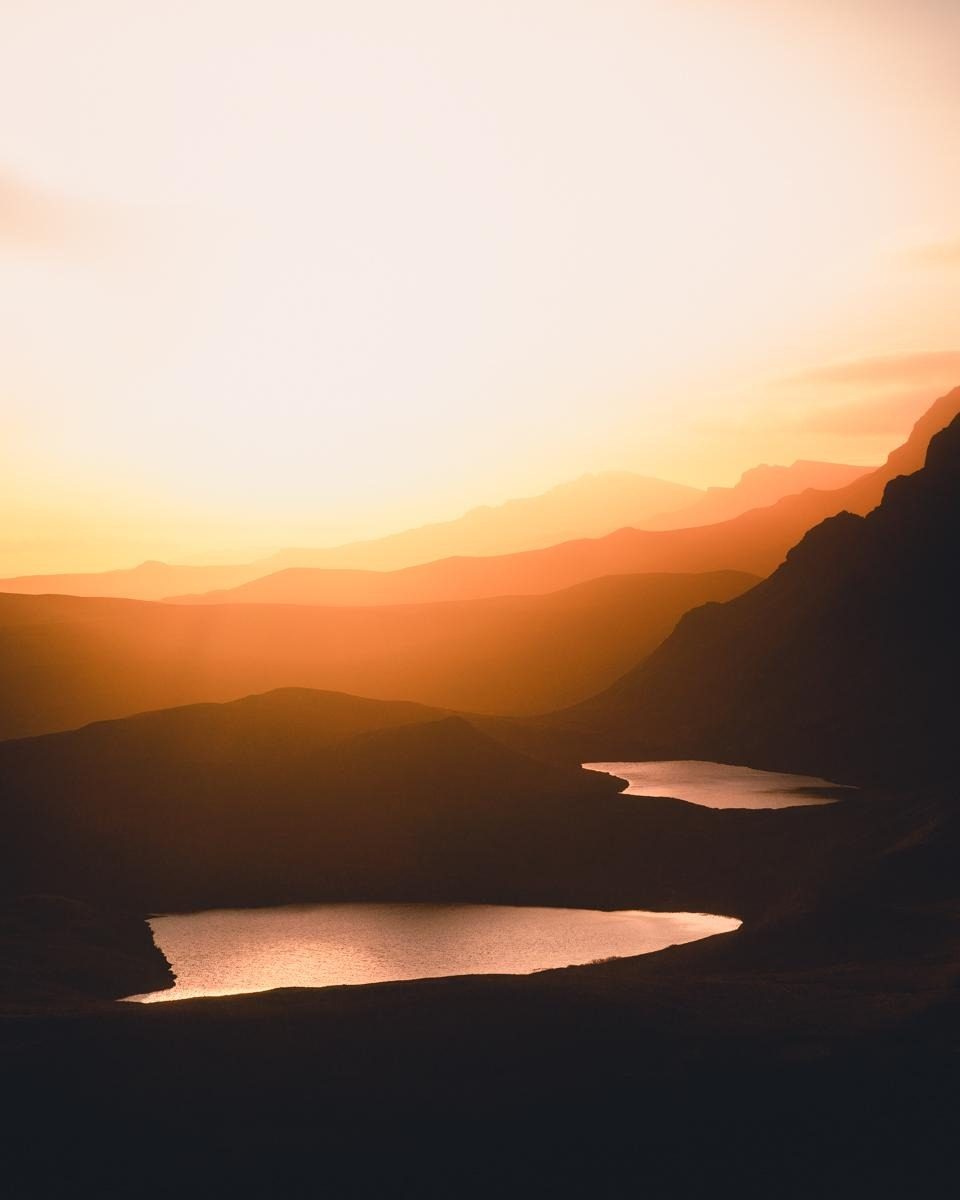
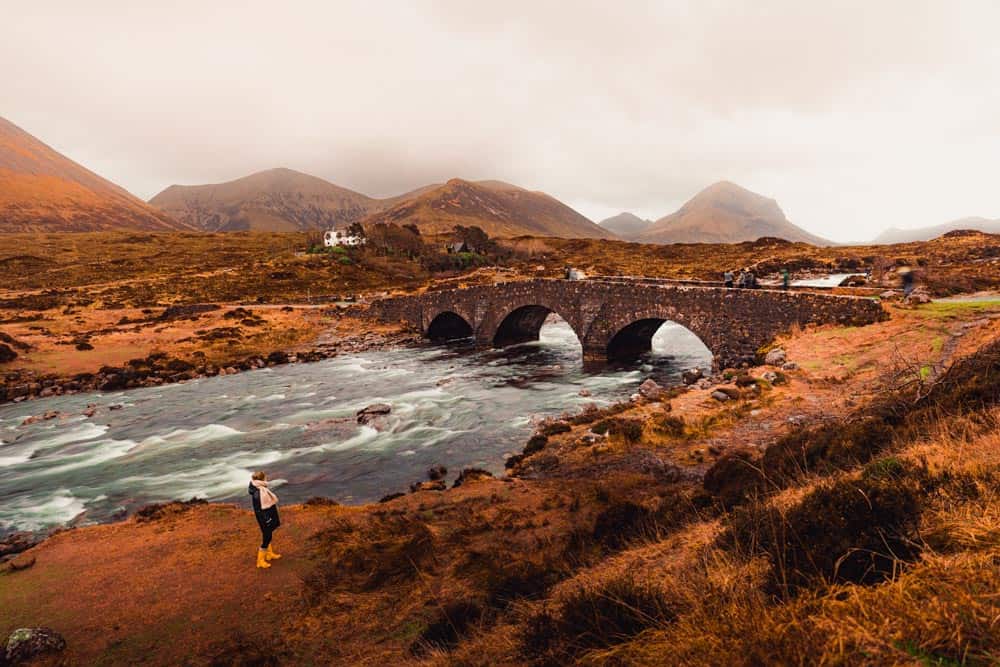
Isle of Skye - Scotland
There are European countries where wild camping is allowed. One of these countries is Scotland. Wild camping is permitted there under the Scottish Outdoor Access Code. This means campers are allowed to camp on most unenclosed land, including mountains, hills, valleys and coastlines. However, it's important to respect nature and leave the surroundings clean and undisturbed.
Tip: don't miss out on adding the Isle of Skye to your list, the scenery there is unforgettable.
Wild camping in Iceland
Beautiful, wild Iceland is another country where wild camping is allowed on public land. You can pitch your tent wherever there are no signs forbidding it. However, it's important to bear in mind that Iceland's climate can be very unpredictable, and it's important to know where you're allowed to camp so as not to damage the environment. For example, Icelanders aren't keen on coming to the rescue of unprepared tourists who go camping and then run into trouble because of strong winds.
Wild camping in Belgium and the Netherlands
Wild camping isn't allowed in the Netherlands. However, there are campsites where you can camp in a natural setting. It's worth noting that camping on public or private land without permission is punishable in the Netherlands.
In Belgium, wild camping or camping in a tent outside private grounds unfortunately isn't allowed either, except in campsites. Shame!
Otherwise, you can go "wild" camping in Belgium at one of the designated "bivouac areas". There aren't many of these, and they're mainly located in the Ardennes. At these sites, there are rules to follow, such as limiting noise disturbance and respecting nature. It's also important to register in good time in order to secure a spot.
Also see the following website: https://www.trekkingetvoyage.com/bivouac-en-belgique-ou-camper-librement/
Wild camping in other European countries
In Estonia and Bosnia and Herzegovina, wild camping is allowed on public land for a maximum of 24 hours. However, camping near houses, roads or built-up areas is discouraged. Lighting a campfire is generally forbidden.
Wild camping is also allowed in Latvia, Lithuania, Bulgaria and Romania, although permission from the landowner may be required. Please note that lighting a campfire without permission is forbidden.
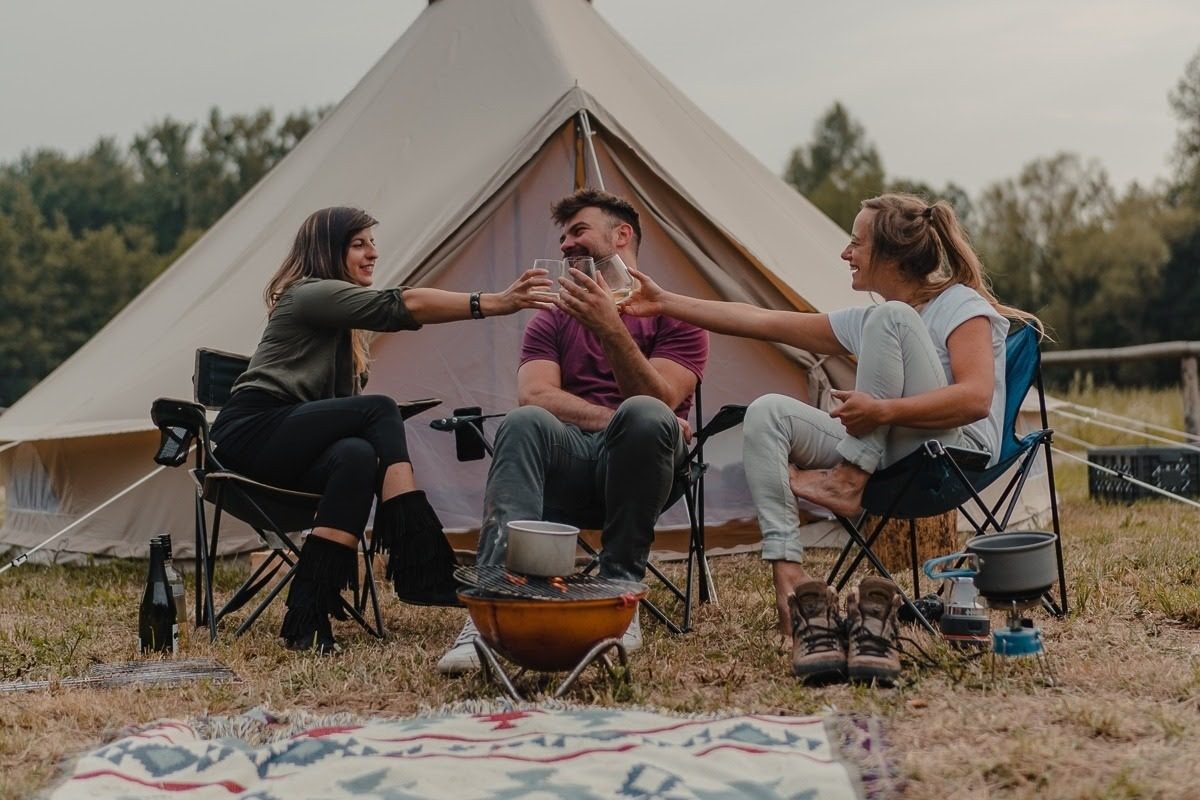
In France and Germany, wild camping is, in principle, forbidden.
Just as in Belgium, in France, camping is only allowed on official campsites or in specially designated areas. In some regions of France, it's also possible to spend the night in what's known as an "aire de bivouac", a spot where you can stay without a tent or car for a maximum of one night. But we've often had success simply knocking on a farmhouse door and asking the farmer if we could spend a night in their field.
In Germany, wild camping is generally forbidden, except in certain situations. For example, if you're on a long-distance hike, you may be allowed to go wild camping in certain areas.
In both France and Germany, you'll also find campsites or nature parks where you can camp out in the wild.
Albania
Albania is a country with a breathtaking Adriatic coastline, and the Albanian Alps offer plenty of adventure! It's the ideal place to pitch your tent and enjoy unspoilt nature. But be careful, wild camping in Albania isn't free of rules and restrictions. The Albanian Tourism Agency has set certain rules to ensure environmental protection and campers' safety.
Wild camping in Albania is allowed. Just note that wild camping is forbidden in national parks and protected natural areas. But don't worry, as this country offers plenty of beautiful places to camp!
Once you've found a suitable camping spot, make sure you stay at least 100 metres away from public roads, houses and water sources. Also make sure you don't light a fire near dry grass, and always have enough water on hand to put out any small fires that start.
It's also worth knowing that in Albania, you're allowed to camp in the same spot for a maximum of three nights. After three nights, you need to go and look for a new camping spot.
Croatia
Officially, wild camping isn't allowed in Croatia, except in specific places designated by the government, such as certain nature parks. However, wild camping is very common along the coast and on the islands. If you want to go wild camping, keep the following rules in mind:
- You may only camp on public land that isn't private property, and you must stay at least 50 metres from the public road or the sea.
- Lighting fires outside designated areas is forbidden, and between 1 March and 1 October, lighting fires in nature reserves is completely forbidden.
- You must clean up and take your rubbish with you to preserve nature.
- In certain areas, such as national parks, wild camping is completely forbidden.
Montenegro
In Montenegro, wild camping is officially forbidden, but there are a few exceptions. If you want to go wild camping in Montenegro, keep the following rules in mind:
- You may only camp on public land that isn't private property, and you must stay at least 1.5 km from the nearest town or tourist facility.
- Lighting fires outside designated areas is forbidden, and between 1 June and 1 October, lighting fires in nature reserves is completely forbidden.
- You must clean up and take your rubbish with you to preserve nature.
- In certain areas, such as Durmitor National Park, wild camping is allowed if you have a special permit.
We don't claim to have given you an exhaustive list above, as the laws and regulations on wild camping vary from one region to another, and even from one local authority to another within the same country. It's therefore very important to check the specific guidelines for each location before planning your trip, and, once you're there, to strictly follow the rules and respect nature and the local people.
Photos © Yannick De Pauw
About Yannick and Charlotte
 Yannick and Charlotte travel around the world with their son Sue. They publish their stories on the blog Soms Ook Heimwee and have been loyal partners of Redion for several years. Soms Ook Heimwee is a visual travel blog which, through inspiring travel stories and engaging storytelling, wants to convince hesitant travellers to set off too. However, you'll have to plot your own itinerary, as they don't write ready-made travel guides.