At a glance
The Netherlands is a highly popular destination for short or long stays. Here are some good tips to help you prepare for your trip.
In this article we give a few useful tips and information for travelers heading to the Netherlands, such as emergency numbers, documents to bring, safety, transport, recommended activities by season, and culinary specialties.
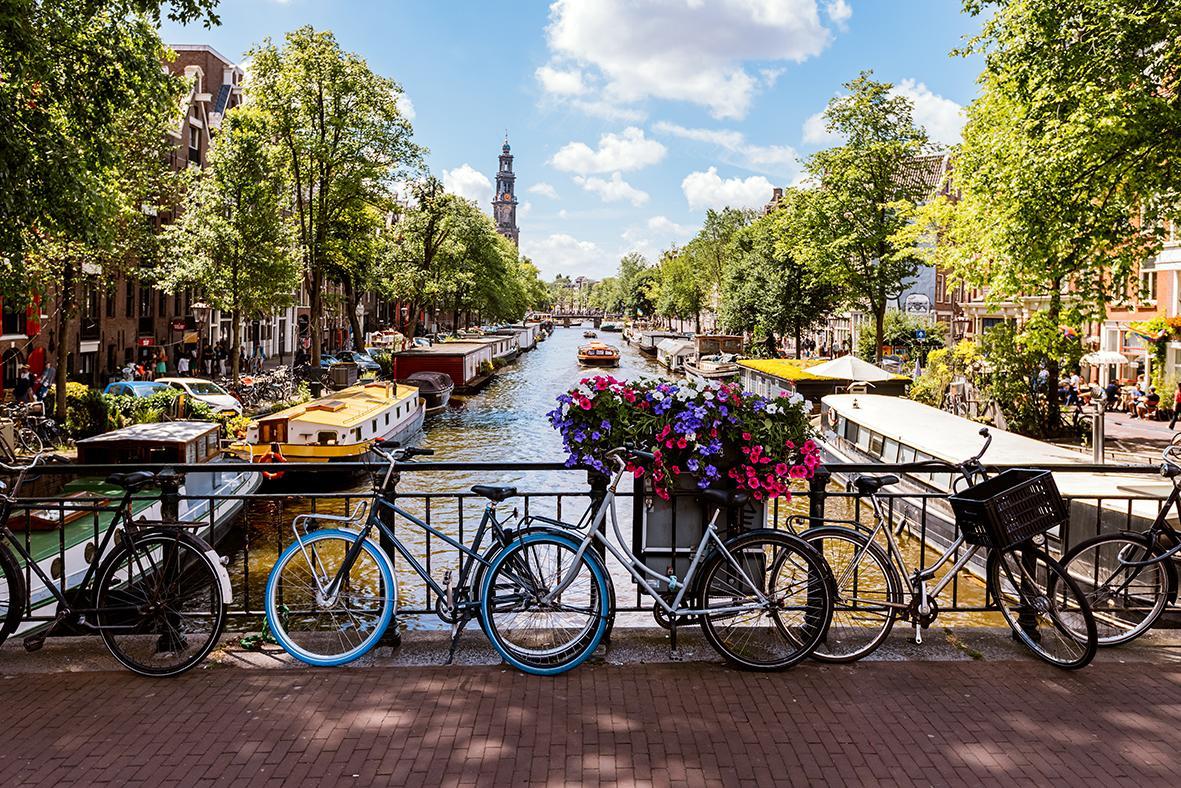
The Netherlands is a highly popular destination for many Belgians. This small Northern European country is full of picturesque canals, iconic windmills, flower fields and vibrant cities. Whether you're a lover of art, nature or gastronomy, the Netherlands has something for you.
To make the most of your stay, here are some practical tips to help you prepare your trip.
Emergency numbers: who to call in case of a major problem?
- European emergency number: 112
- Police: 112
- Ambulance or fire brigade: 112
- Card Stop (lost or stolen credit cards): +32 78 170 170
- Doc Stop (lost or stolen Belgian ID card or passport): + 32 2 488 21 23
Assistance: Redion (Belgium)
In case of an emergency, first contact the local rescue services!
– Want to reach Redion for a medical or technical problem (e.g. a car breakdown)? Do so via the Redion app (downloadable from the Apple Store or Google Play)
– Want to reach Redion for an administrative request or a contract change? Do so via the Customer Area on the website: https://www.redion.be
How can you travel with peace of mind in the Netherlands?
What travel documents do you need to visit the Netherlands?
As the Netherlands is a member state of the European Union, you only need your ID card (or your passport) to enter the country, provided they are valid. If you're traveling with a child, don't forget the Kids-ID (the Kids-ID for young children).
These documents must be valid at the time they are presented.
What is healthcare like in the Netherlands?
In the event of a health problem, care is easily accessible. You can consult a general practitioner (huisarts), or go to the nearest hospital if necessary.
You'll be reimbursed for all or part of your healthcare costs by presenting your European Health Insurance Card, and you'll enjoy optimal coverage by taking out supplementary travel insurance. You can opt for either a temporary plan or annual insurance, depending on your needs.
How safe is the Netherlands?
The Netherlands is a very safe destination. However, as in any other country, a few precautions are necessary to ensure a trouble-free stay:
- ID document: make sure you always carry a valid ID document with you. Identity checks may be carried out, particularly in large cities or when crossing borders.
- Copies of documents: it's advisable to make copies of your essential documents (passport, ID card, bank cards) and keep them in a secure place, separate from the originals.
- Cash: don't carry too much cash and favor card payments instead. Keep the rest of your funds in a safe at your hotel or in a secure location.
- Vigilance when paying: card fraud is rare, but it's always wise to be careful when making purchases, especially in busy places.
- Road safety: roads in the Netherlands are generally safe, but be particularly careful in cities, where traffic can be heavy, especially in Amsterdam. Be sure to follow traffic rules, particularly regarding limited parking zones.
- Rest areas on the motorway: when driving on Dutch motorways, it's essential to only stop at designated rest areas. Unauthorized stops can result in fines.
- Cyclists and pedestrians: in the Netherlands, cycling is an extremely popular mode of transport, which means you'll frequently encounter cyclists, especially in Amsterdam. Be particularly vigilant and respect bike lanes to avoid any accidents.
It's wise to check the safety measures in force provided by the Belgian Ministry of Foreign Affairs.
What are the driving rules in the Netherlands?
The Netherlands has an excellent public transport network, including trains, buses and trams, which make it easy to get around within cities and between regions. For longer trips, you can also opt for the train or plane, but a car remains a very practical way to explore the country's varied landscapes.
Speed limits
- in built-up areas: 50 km/h;
- on national roads: 80 km/h;
- on expressways and motorways: 130 km/h.
- follow the road signs posted along the way, as they may indicate other values.
Offenses and penalties
Fines for traffic offenses in the Netherlands are high and vary depending on the severity of the offense. It's important to follow traffic rules, as fines can be sent to your home country, such as Belgium, if you break Dutch law.
Mandatory equipment
Click here to discover all the useful information on mandatory equipment, thanks to a downloadable European Commission app.
Electric cars
The Netherlands is well equipped with charging points for electric vehicles, particularly in large cities and along motorways. If you're traveling in an electric vehicle, it's advisable to plan your stops in advance. Use dedicated websites or apps to locate available charging points and avoid any bad surprises on the road.
Several websites let you locate charging points, including this one: https://blog.chargemap.com/fr
What can you visit in the Netherlands depending on the season?
The country offers many tourist attractions throughout the year, with each season bringing its own activities and discoveries. Here's what each period has in store for you:
The Netherlands in spring (March to May)
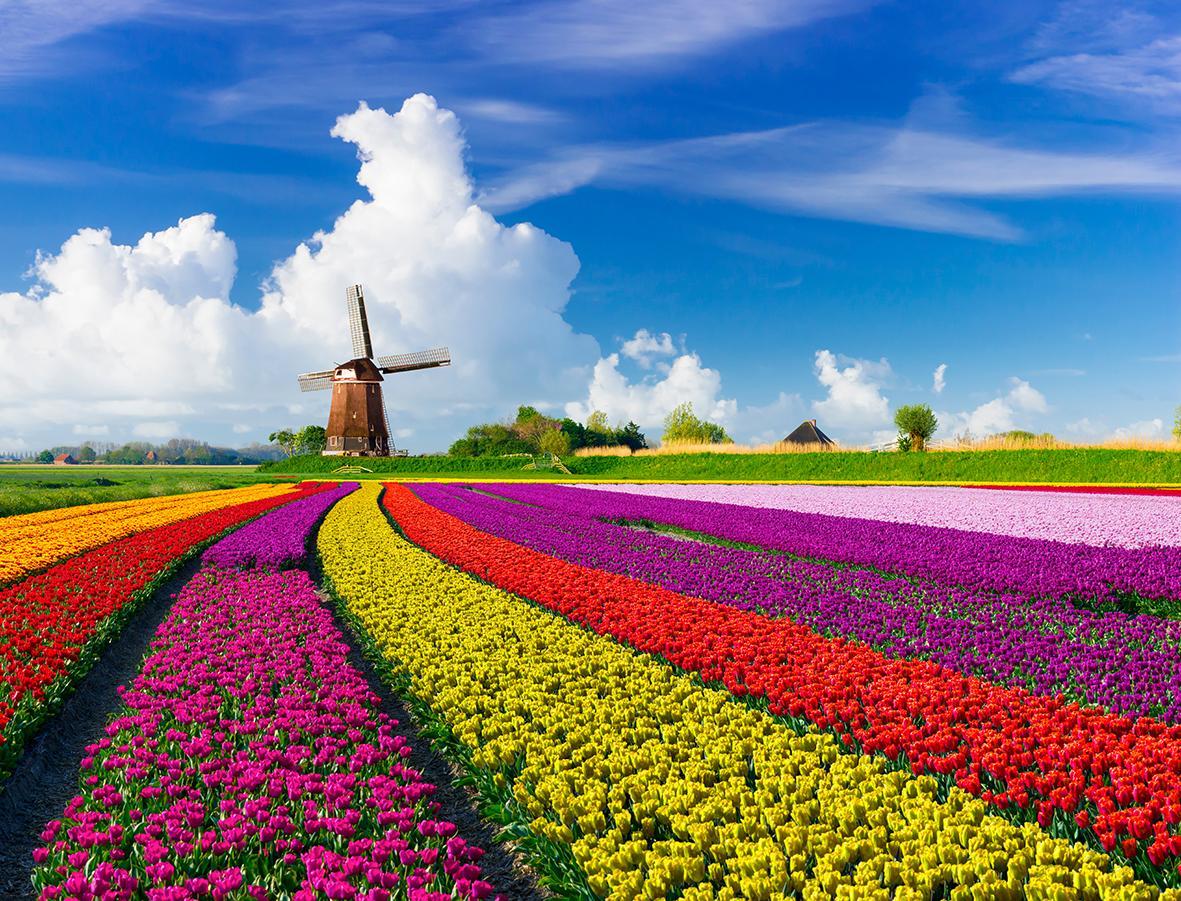 Spring is the perfect time to explore the famous Dutch tulip fields, particularly in the Lisse region, near Keukenhof. This is home to one of the most iconic flower gardens in the world. It's also the ideal season to enjoy the many cycle paths that criss-cross the country. Take the opportunity to stroll through the heart of the cities too, among flower-lined canals and colorful gardens.
The Netherlands in summer (June to August)
Summer is in full swing with a rich program of music festivals, including the famous North Sea Jazz Festival in Rotterdam, as well as many outdoor events to fill your days. It's also the perfect time to enjoy the North Sea beaches, such as those in Scheveningen and Zandvoort. Here, it's all about relaxation and water sports!
The Netherlands in autumn (September to November)
Autumn transforms the Dutch landscape into a palette of warm colors. It's harvest season and time for local markets, where you can discover seasonal produce such as apples, pears and local vegetables. Also enjoy the magnificent walks in the parks of the Veluwe region, where the forests are simply splendid.
The Netherlands in winter (December to February)
Winter is a magical time in the Netherlands, thanks in particular to the Christmas markets. Amsterdam, Maastricht and other cities are decked out in their finest light displays, creating a magical atmosphere. Outdoor ice rinks and Christmas events, such as the illuminations on Amsterdam's canals, add to the festive atmosphere of the season.
Did you know?
The name "Holland" comes from Holtland or Holdland, meaning "land of woods" or "land of forests". The earliest form dates back to the tenth century. What was then called Holtlant in Old Dutch referred to a settlement probably located near Leiden.
Other practical information about the Netherlands
- Capital: Amsterdam (the government is based in The Hague)
- Language: Dutch
- Currency: Euro
- Area: 41,543 km²
- Population: around 17 million
- Tourist Office: https://www.holland.com/
- Embassy and consulates: https://netherlands.diplomatie.belgium.be
What are the Dutch culinary specialties?
The Netherlands isn't just a dream destination for its picturesque landscapes and canals, but also for its cuisine, full of flavors and traditions. During your stay, be sure to try the local delicacies that will delight your taste buds. Here are a few must-tries to enjoy during your visit:
- Stroopwafels: this thin, crispy waffle, filled with delicious caramel, is a real treat. Ideal with a cup of coffee, it's a staple of Dutch pastry.
- Bitterballen: these small deep-fried balls, filled with minced meat and served hot, are perfect as an appetizer. A traditional snack enjoyed in bars or at events.
- Haring: for an authentic culinary experience, try raw herring, often served with onions and pickles. A specialty particularly popular during the summer months, enjoyed at markets or on the street.
- Poffertjes: these small, thick and light pancakes, topped with powdered sugar and butter, will melt in your mouth with every bite. Perfect for a snack or dessert.
- Erwtensoep: if you visit the Netherlands in winter, nothing beats a good, thick and comforting split pea soup to warm you up. Traditionally served with rye bread and sausage, it embodies the rustic cuisine of the Netherlands.
To accompany your meal, be sure to try a Dutch beer. The Netherlands is famous for its local craft beers. Another traditional drink, Jenever, is a juniper-based spirit, the ancestor of gin, often drunk neat or in a cocktail. Finally, for those with a sweet tooth, Boerenjongens, a mix of brandy and raisins, is a typical liqueur to enjoy after the meal.
Dutch cheeses, such as Gouda and Edam, are also must-tries, often served with fresh bread or enjoyed on their own as a starter.
A few basic words and phrases
- Goedemorgen: Good morning
- Goedenavond: Good evening
- Slaap lekker: Good night
- Ja: Yes
- Nee: No
- Dank je wel: Thank you
- Alsjeblieft: Please
- Hoeveel kost dit?: How much does this cost?