At a glance
Many people go "backpacking" to explore the world. What exactly is it, and what good habits should you adopt?
More and more people are choosing this way of travelling in order to explore the world off the beaten track. What exactly is backpacking, and what good habits should you adopt when planning this type of trip?
"Backpacking"
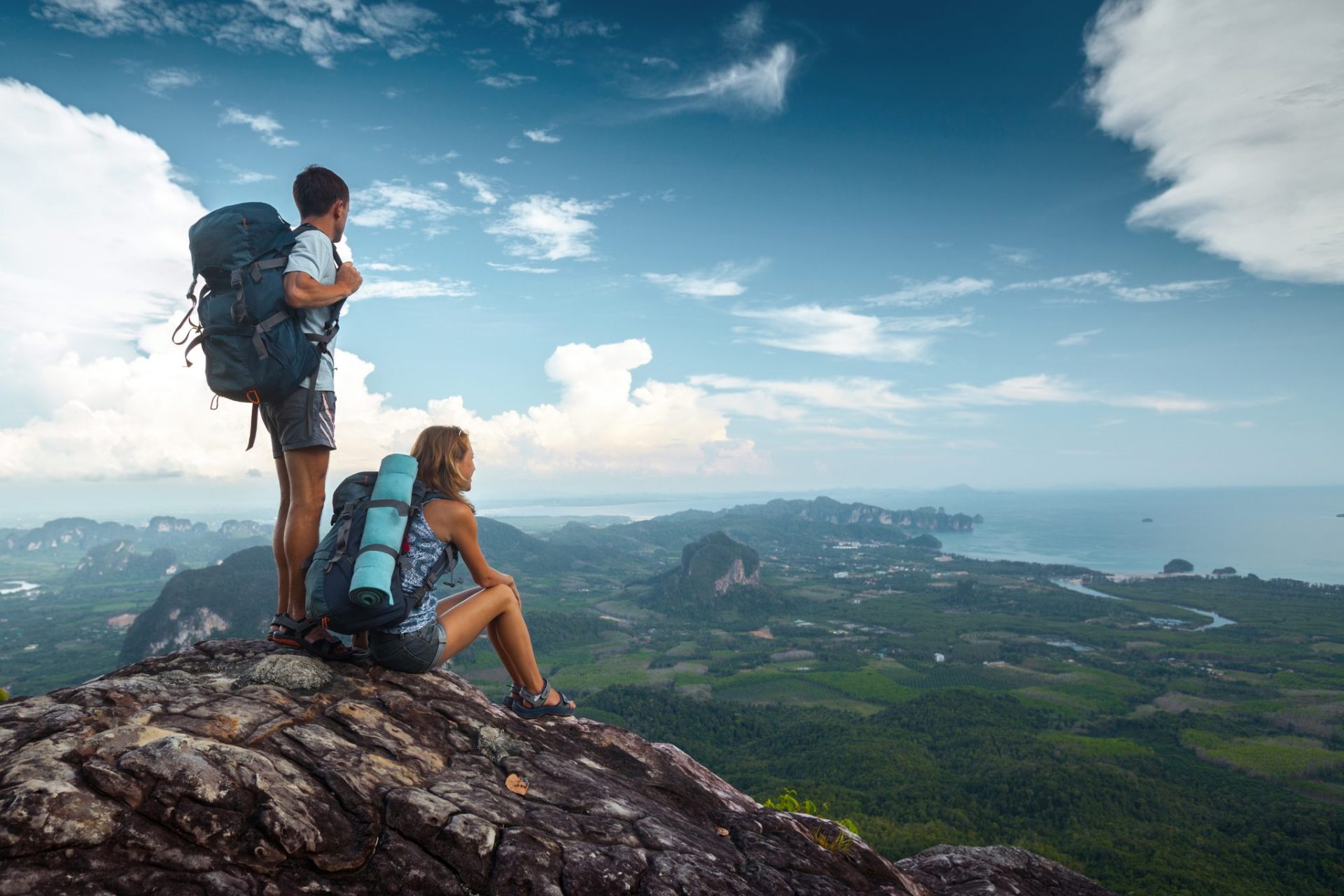
This is a form of low-cost, independent travel that involves setting off with a limited number of belongings, all packed into a single backpack. In general, "backpackers" plan their own itinerary and opt for budget accommodation and cost-effective means of transport.
Going "backpacking" means carrying your backpack almost everywhere. It's therefore essential to travel light and pack smart.
You also need to be up for long hikes.
What to pack
- Clothes and shoes suited to the climate and the type of activities planned (there's no need to bring lots of clothes, as you can always get laundry done locally);
- A money belt;
- A student card (gets you discounts at many museums) and an international driving licence;
- A small first-aid kit (disinfectant, painkillers, plasters, anti-diarrhoeal medicine, water purification tablets);
- Insect repellent;
- A torch and spare batteries;
- A microfibre towel (takes up little space and dries fast);
- A sleeping bag or sleeping bag liner (for hot countries)
- A roll of toilet paper (essential!);
- A penknife (to pack in checked luggage);
- An adapter;
- Avoid any valuables. In fact, bringing a laptop is often unnecessary (most hotels have computers available, or you can use an internet café);
- Tip: it's best to sort and pack your clothes into plastic bags (means you don't have to empty your whole backpack when looking for something, and keeps clothes dry);
- Make sure to balance the contents of your backpack so the weight is evenly distributed.
A few extra tips
- Plan your itinerary using several travel guides and forums (Le Routard, Trotter, Lonely Planet, TripAdvisor, etc.); it's always worth getting several opinions;
- Set a budget;
- Scan your official documents and email them to yourself (so you can easily access them).
For longer-haul trips, you'll also need to:
- have the necessary papers (passports, visas, etc.) and the required vaccinations;
- find out about local laws and customs;
- take the climate into account so you travel at the right time of year;
- learn a few words of the local language (useful for a warmer welcome, and for bargaining if needed);
- … and take out travel insurance!