At a glance
What's the best way to drive through a tunnel?\ What should you do in the event of a breakdown, fire or accident? Here are a few tips
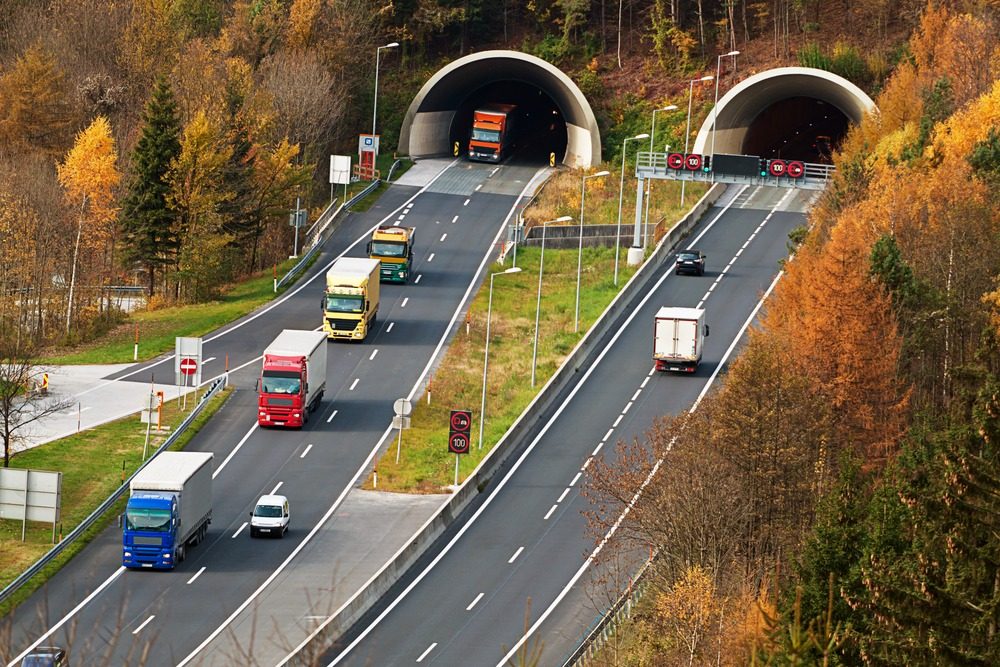
Summer and winter alike, many holidaymakers drive to the mountains or have to cross mountain ranges to reach their destination. Sometimes this means going through one or more long road tunnels.
What's the best way to drive through a long tunnel or underground passage?
What should you do in the event of a breakdown, fire or accident?
Here are a few tips...
Before you reach the tunnel
- Plan your route, factoring in any tunnel tolls and taking traffic forecasts into account. Don't get caught out by the tunnel's length.
- Follow traffic reports (radio frequencies are shown as you approach the tunnel) to stay up to date on queues or accidents.
- Do not enter the tunnel if your vehicle shows a technical fault (battery, oil level, brake fluid, overheating, etc.).
- Make sure you don't run out of fuel in the tunnel!
Inside the tunnel
- Always turn on your headlights and take off your sunglasses.
- Follow speed limits and overtaking rules.
- Keep a safe distance from the vehicle ahead of you (minimum braking distance).
- Keep to the right.
- Above all: never turn around or reverse!
- Follow the instructions given by information signs or loudspeakers.
In case of stopped traffic
- Warn the vehicle behind you of a queue ahead by turning on your hazard lights.
- Keep a distance of a few metres from the vehicle in front of you.
- If traffic is stopped for a long time: switch off your engine, do not leave your vehicle and listen to traffic reports.
In the event of a breakdown
- Warn the vehicles behind you by turning on your hazard lights.
- If possible, move your vehicle as far as possible to the right side of the road or to a designated area (emergency lane, emergency bay) and switch off the engine.
- Put on your high-visibility vest, leave your vehicle very carefully to reach an emergency phone (SOS post). This emergency phone will put you directly in touch with the emergency services operating in the tunnel while pinpointing your exact location. It's therefore advisable to use this rather than calling for help with your mobile phone.
- Wait for help or the breakdown service, sheltered inside your vehicle.
In case of fire
- Follow steps 1 to 3 above, as for a breakdown.
- Only continue on your way if the fire is minor, allows you to drive safely and to leave the tunnel quickly. Never reverse or turn around.
- If the fire is minor (just starting), try to put it out. If the fire is too big, leave the tunnel via an emergency exit.
- If there are injured people, give them first aid.
- If the vehicle in front of you has crashed or is on fire, turn on your hazard lights, park as far to the right of the road as possible while keeping a safe distance, put on your high-visibility vest and help anyone injured.
.\