At a glance
How do you define road rage? What causes it and how can you avoid it? How should you behave if you become a victim of it?
What causes road rage? How can you avoid it?
How can you best respond if you become a victim of it?
Our blogger Alain Dierckx explains it to us in this article.
What is road rage?
Driver aggression is a phenomenon that has existed in every era. Even though verbal and physical aggression among drivers has been on the rise recently, the phenomenon fortunately remains limited, no doubt partly because it isn't always reported.
For some drivers, road rage is triggered by a situation or irritating behaviour in traffic. Many are annoyed by reckless overtaking, by drivers who use their phone while driving, or by those who drive far too slowly. For others, it's more a case of deliberately aggressive behaviour behind the wheel that endangers other road users. Intentional offences, such as reckless overtaking, are also linked to this.
Cases where one or more people get out of their vehicle, insult each other and come to (almost) blows are the most obvious examples of physical aggression.
This also happens more often when the behaviour in question has caused a road accident.
Read the article on this topic: A car accident: how to react?
Growing irritation behind the wheel
The number of cases of road aggression in Brussels doubled in 2019 compared with 2017. 72% of people in Brussels said they had already been a victim of some form of road aggression. In Flanders, this figure stood at around 48% in 2019, and 67% in Wallonia.
Driver aggression
The way the world works today means we all tend to react very quickly, and sometimes irrationally. Many motorists express their irritation towards other road users, and in doing so, trigger aggressive behaviour themselves. A survey carried out in 2019 by Vias (the former Belgian Road Safety Institute) shows the following:
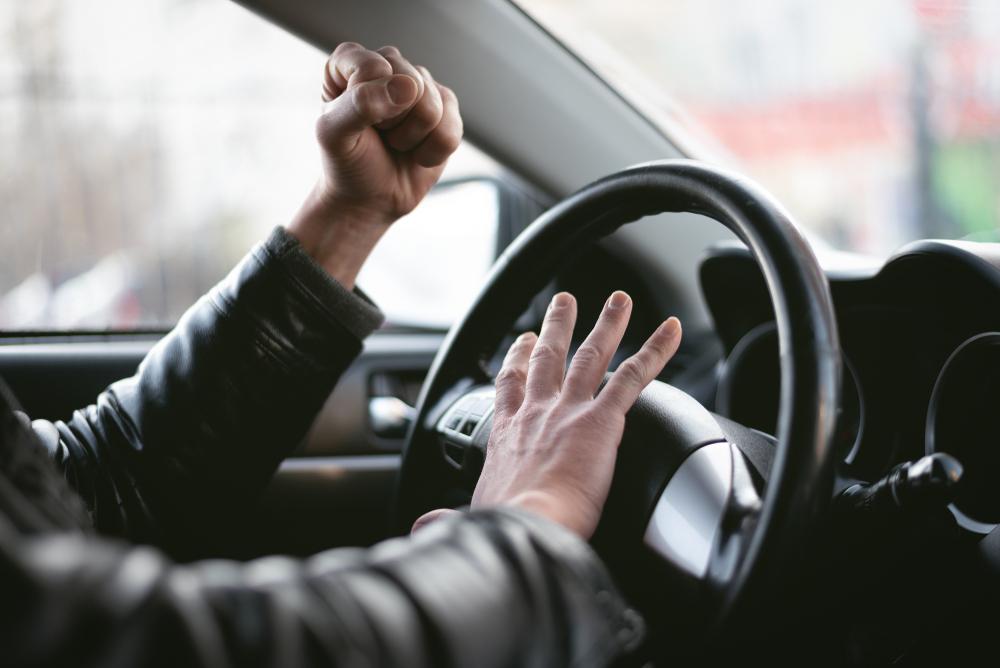
- 63% of drivers honk their horn to express their displeasure;
- 59% swear at other drivers;
- 33% admit to having deliberately tailgated the car behind them;
- 15% get out of their car to physically confront the other driver.
On the other hand, 21% of respondents admit to sometimes using their mobile phone and 33% sometimes read their messages or emails while driving, which also irritates other road users. This behaviour distracts the driver and can lead to very dangerous situations.
Read the article on this topic: Mobile phones behind the wheel: watch out, danger!
What can cause road rage
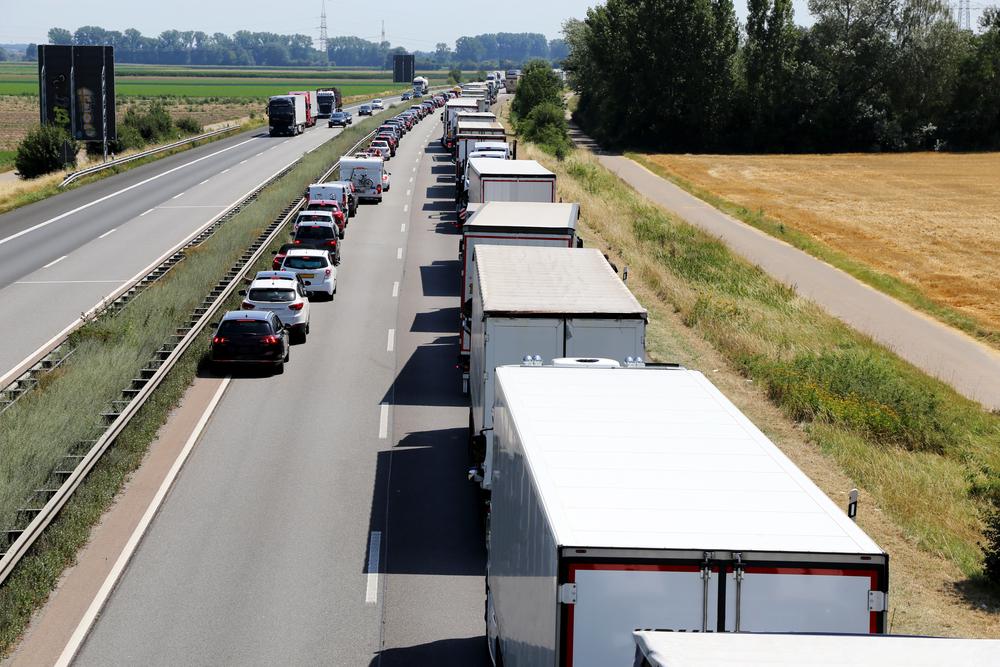
The inappropriate behaviour of some drivers can lead to frustration and anger in other drivers. This behaviour can generally be attributed to the desire to reach one's destination (too) quickly and a lack of time. A motorist can also easily feel "superior" while in traffic and untouchable compared with other road users. Structural delays caused by traffic jams and slow-moving traffic can also be behind driver aggression.
The fact that motorists no longer have a monopoly on the road plays an important role. The new trend among authorities is clearly aimed at limiting or getting rid of cars in cities: there are fewer parking spaces, the number of cycle paths is increasing, as are car-free streets. Speed is heavily restricted in urban areas. All of this irritates some drivers. The different types of road users are forced to share public roads. They have to respect each other and comply with traffic rules.
For motorists stuck in traffic jams, it can be hard to accept being overtaken by motorcyclists.
But not all forms of aggression are caused by motorists. Many cyclists (and pedestrians) also fail to follow the rules or behave carelessly or inappropriately.
Read the article on this topic: Bicycle accidents aren't always someone else's fault.
How can you avoid aggressive driving behaviour?
It's therefore important to adjust our behaviour behind the wheel by being more courteous and more understanding towards other drivers, and by following the highway code. By avoiding behaviour that irritates other road users, we can also better protect them.
As for the authorities, they need to commit to creating safe cycle paths in good condition, and ensure proper road infrastructure everywhere that guarantees the safety of all users. Those responsible for acts of road aggression must be dealt with firmly and punished appropriately.
A few tips to avoid falling into the trap of aggressive driving
- Make sure you follow the highway code at all times.
- Try to tell the difference between a distraction-related mistake made by another driver and a deliberate or aggressive manoeuvre.
- Don't react to a car tailgating you by braking deliberately.
- Drive proactively. Always keep enough distance so you can react to unexpected or deliberate behaviour.
- Always try to stay calm, ignore the aggressive driver and don't respond to insults.
- Never open your vehicle's windows or doors to respond to aggression. Don't get out of your vehicle.
- If you've made a mistake that has angered the other driver, admit it. This will calm the situation down.
- Do you suddenly feel an aggressive urge because of another driver's behaviour? Get a grip on yourself and put things into perspective. Think of the people who care about you and want to see you get home safe and sound.
If you're the victim of aggressive behaviour:
- Call the emergency number 101 or 112 if the aggression becomes disproportionate.
- Ask other drivers or bystanders to witness the incident.
- Report a serious case of aggression to the police. This report will lead to a police record and may be needed to obtain compensation from your insurance company if necessary.