At a glance
Travelling by car? Here are a few small things worth knowing to make your journey easier...
Travelling by car? Here are a few small things worth knowing to make your journey easier...
Driving
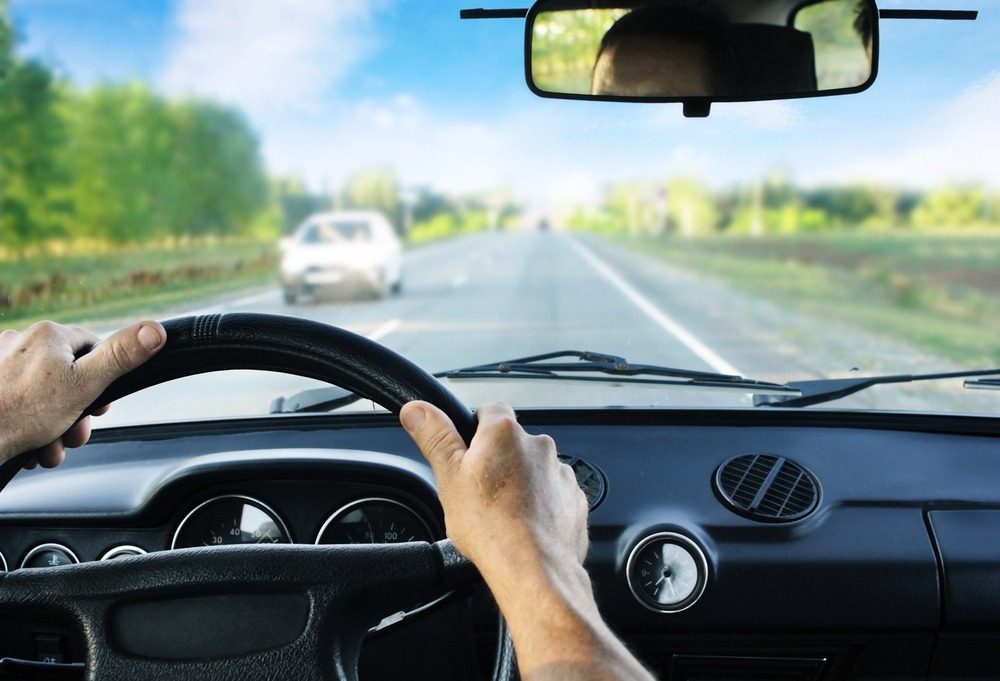
- Adopt a good driving position: sit comfortably in your seat to reduce muscle fatigue. Adjust the headrest to the same height as the top of your head, or as high as possible if that's not an option. Ideally, your arms should be slightly bent and your hands, comparing the steering wheel to a clock face, positioned at "a quarter to three".
- Take a break every two hours, for at least 10 minutes, to stretch your legs. Even better, plan a stop to explore the area you're passing through.
- Keep the children occupied on the road and bear in mind motion sickness.
- Watch out if you get caught by a speed camera abroad: agreements between Belgium and certain countries, including France, let them obtain vehicle registration data electronically and send the fine straight to the offender's home. French police also have an increasing number of unmarked vehicles fitted with radar that can catch offenders, even those driving the wrong way! Find out about the traffic rules in force in the countries you're travelling through.
- Note that certain radar detection systems – including GPS-based ones – are banned in many European countries (country-specific rules) and can expose you to a hefty fine. Simply switching the detector off is often not enough to avoid a fine.
- Finally, stay alert throughout the journey: the braking distance of a loaded vehicle is considerably longer.
The vehicle
- Watch the temperature inside the car: heat can make you drowsy. Has your car been sitting in the heat for a while? For the first few kilometres, let fresh air in by opening the windows before switching on the air conditioning. This will save your battery and your fuel consumption. If the vehicle has air conditioning, set the temperature between 19°C and 21°C. Setting it too cold can cause headaches and thermal shock when you stop if the outside temperature is very high.
- Bring a bottle of cool water.
- Petrol stations off the motorway are often a bit cheaper. Be careful to choose the right type of fuel when filling up. Many breakdowns are caused by a fuelling mistake! Click here for fuel prices.
- When stopped, remember to unplug any devices running off the battery (DVD player, games consoles, computers, …).
- Adjust your driving if you're towing a caravan or driving a motorhome.
Night driving isn't something you can improvise
The main causes of accidents are speed and the driver falling asleep, mainly at night. Fatigue mostly sets in between 2pm and 4pm, and between 2am and 6am.
- Avoid driving for long stretches at night.
- Don't try to fight drowsiness at all costs — it will always win in the end.
- Warning: caffeine drinks don't stop you falling asleep or feeling drowsy if you're tired!
- The same goes for driving with the window(s) open.
- Turning the radio or music up loud won't stop you falling asleep either.
- Don't set off after a tiring day at work, and make sure to stop regularly.