At a glance
Setting off on an adventure isn't something you improvise. How should you prepare from a medical point of view? What should you do if someone gets hurt?
Setting off on an adventure isn't something you improvise; the risks of an accident can be numerous.
How should you prepare, particularly from a medical point of view? Is it better to travel with someone else? What should you do if someone gets hurt?
Below, Tom de Dorlodot, a longtime adventurer and athlete, shares his best practices with us.
1. The basic documents
Your trip is planned, it's time to get ready. Depending on your destination, your ID card may be enough, but other countries require a passport, sometimes with a visa, as well as a vaccination certificate. Remember to check the expiry date of your identity documents carefully, so you can board without issue. Having good travel insurance is obviously essential, it saves you a lot of hassle if something goes wrong.
2. The medical check-up
Are you physically ready to take on your trip?
Remember to have a medical check-up, because there's nothing better than having your doctor's approval. Also don't forget the quick check-up visit to your dentist. There's nothing worse than having a toothache while stuck in the middle of nowhere (this happened to a friend right in the middle of an Atlantic crossing by sailboat…).
3. Your minimal first-aid kit
There's no question of overloading yourself when you already have bags to carry. Adventure is adventure. Bring only the strict essentials depending on your type of trip, without neglecting a basic travel first-aid kit. Among the must-haves to bring:
· Sunscreen with a high UV index, to apply several times a day to avoid burns. Choose a certified organic brand without chemical filters, to protect the environment.
· Insect repellent suited to the country you're travelling to (some are even tick-repellent), a venom-extractor kit (to use for insect stings, not for snake bites) and a soothing cream to calm itching if you've been bitten. Watch out for tick bites, which can cause encephalitis.
· Disinfectant, plasters and arnica.
· Paracetamol to relieve mild pain such as a headache, an anti-diarrhoeal, an anti-emetic (in case of vomiting).
· Tweezers, a pair of scissors and/or nail clippers.
4. Get yourself tracked
Clearly plan your route and share it with your loved ones. Try not to stray from it. It's essential to be able to stay in contact in case of a problem. You can also set up phone check-ins so people can follow you from one point to another, or use, for example, Garmin's Inreach Mini, which lets you send your GPS coordinates live and stay in touch. If your plans change, it's important to let those following you know quickly.
5. Once there, watch out!
There's no question of doing just anything when you're far from home. It's important to properly find out about the dangers you might encounter. You don't walk through a forest in Canada the way you would in the Forêt de Soignes. The dangers are extremely different, and it's important to know which animals you might come across. In Canada, you have a good chance of coming across bears. Among our tips and tricks: walk with a bell or a whistle and make noise. Never leave food inside a tent, as it could attract animals. It's always better to hang it up high in the trees.
In other regions, you might come across alligators, crocodiles or even sharks. You really need to be careful. The best advice we can give you: ask the locals. Only they truly know where and when you can go swimming.
When I went on safari with my team, we always made sure to sleep in roof tents. Big cats tend to prowl around the vehicle at nightfall, and that can be dangerous. We always made sure to move around in places where we could see far enough ahead. This helps guard against danger. Being accompanied by professionals is also a good way to limit the risks.
6. Water… always water
Always remember to stay hydrated and to have water with you. Choose bottled or filtered water to avoid intestinal problems. Among our top tips, this filter is great and easy to carry everywhere: https://www.sawyer.com/products/mini-water-filtration-system
Finally, your instinct, your gut feeling, are also very good allies that it's essential to learn to listen to.
7. When travelling solo, take it easy!
Venturing out alone is obviously more dangerous. It's essential that someone always knows where you are. If you're going hiking alone or as a pair, carry a beacon with you that you can activate in an emergency or if you get lost. You'll be located immediately.
For example, when I cross the Atlantic solo, I carry a beacon with me. It marks my position by satellite, and if there's a problem, I can always be found. You can also locate yourself with your phone using a tracking system, or by sending your position regularly. You should always stay in contact with people who can keep an eye on you. If I'm sailing solo across an ocean, my friend Sylvie, who's a weather expert, regularly checks my position to warn me of alerts or incoming bad weather. It's a way of protecting myself and staying in communication.
For instance, I once had to clean my boat's hull in the middle of a crossing last year. So I clipped myself onto a rope. I sent a message to Sofia saying that if I hadn't called her back within 10 minutes, it meant there was a problem, and then I jumped into the water. Your safety is priceless. You should never take an unnecessary risk.
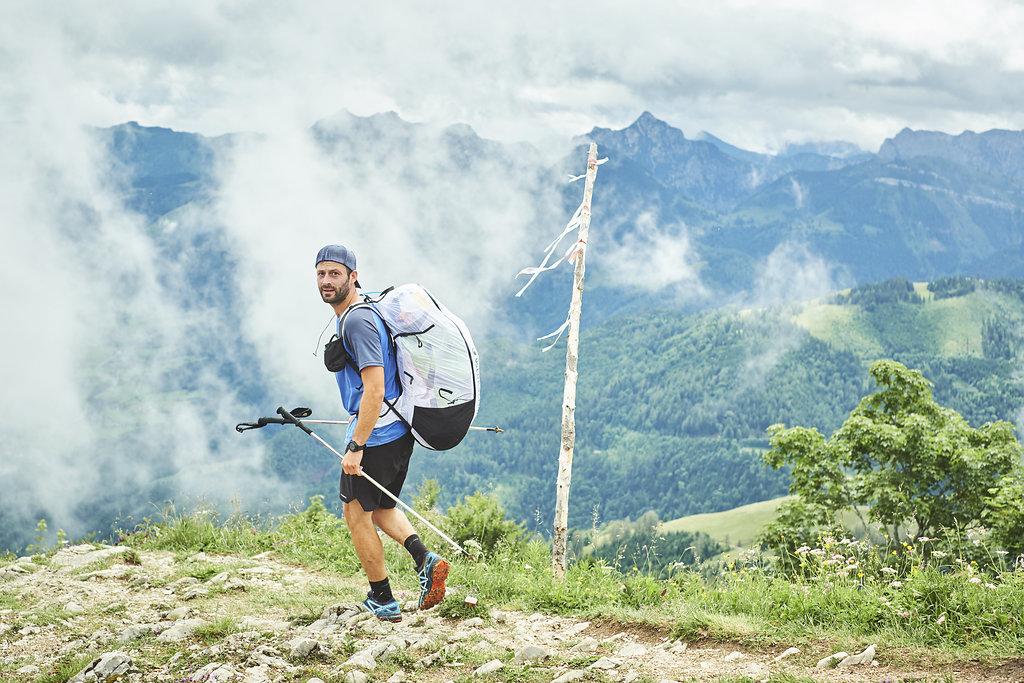
Finally, when travelling solo, there's nothing like planning meeting points to regain your strength, eat, rest… It's always better to have a backup than to tell yourself you'll figure it out along the way. When I did the Red Bull X-Alps race, I was alone, but my team was following me to take care of me and handle the heavy logistics.
Personally, I've always preferred travelling with company on my adventures. If something happens to me, I have a witness and someone I can count on to help me if needed.
And let's be honest, it's great to share a trip, moments, to live as a team… it lets you draw on different skills and make the most of them for a full experience.
For example, I've already gone out with high-mountain guides to ensure my safety during the climb, and in turn, they benefited from my expertise during the paragliding descent.
8. What should you do if someone is injured?
Always have emergency numbers on hand. If you call for help, make sure you explain clearly where you are. In the mountains, the simplest way is to give your position via GPS coordinates. A handy tip: you'll find them in the compass app. This way, rescuers will arrive at the right spot.
If there are two of you, and your companion gets injured during the adventure and you have no way of alerting rescuers without moving, there's obviously no point in just sitting next to the injured person and waiting helplessly. The first thing to do: secure the person's situation. You need to find a place where the victim is not in danger, and above all avoid a secondary accident. Look after them so they don't get cold, make sure they have food, water, and potentially enough to hold out for a while. Finally, you can leave the victim, if — and only if — you know you can manage on your own without too much difficulty. Above all, you must not take any additional risk or put your own life in danger.
For minor mishaps, you can always call your (family) doctor for advice, or a friend who works in healthcare. For our part, we've contacted our friend Aurélie for her opinion, notably when I had an insect stuck in my ear. She advised me to get it out with a small drop of hydrogen peroxide. It was particularly unpleasant… I have to admit.
In short, you can clearly be a globetrotter or an adventurer without putting your life at risk. The better prepared your trip is, the more lightheartedly you'll travel, and if something unexpected happens, you'll be ready for it. The key words: know your location, and think about your safety.
Enjoy your trip. See you again soon for new tips or adventures.
Tom & Sofia
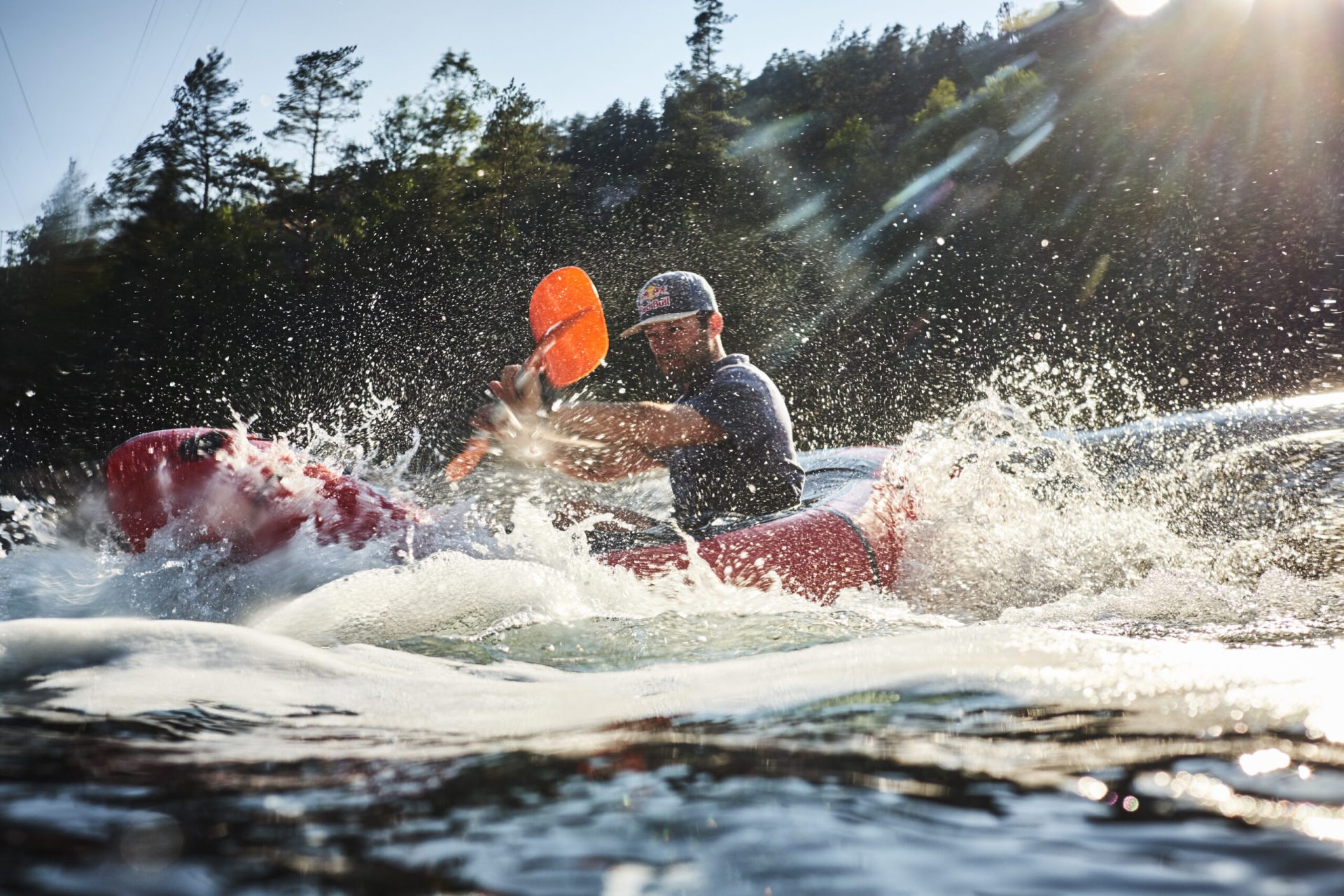
Discover Tom and Sofia's other adventures and tips in the "Travel and adventures" section
Photos: © John Stapels