At a glance
Planning a trip to Germany soon? Discover all the practical information to properly prepare your journey.
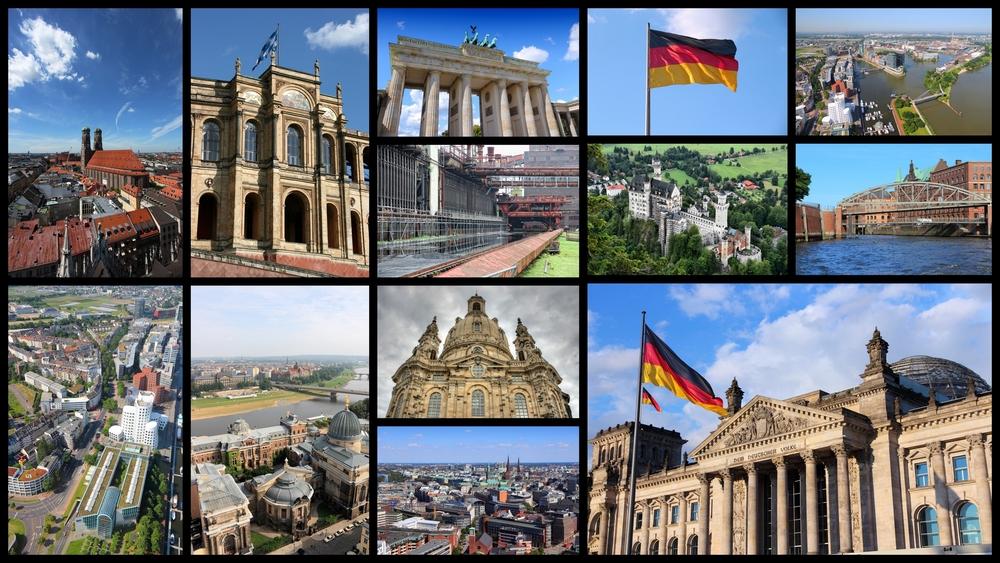
Germany is a must-visit destination in Europe. It offers a unique blend of varied landscapes, cultural riches and infrastructure combining history and modernity. From its mysterious forests to its fairy-tale castles, via its dynamic cities and deep-rooted traditions, this country has something to charm every traveller.
To make the most of your stay in Germany, prepare efficiently by following the practical tips in this guide.
Emergency numbers: who to call in case of a major problem?
- European emergency number: 112
- Police: 110
- Ambulance or fire brigade: 112
- Card Stop (lost or stolen credit cards): +32 78 170 170
- Doc Stop (lost or stolen Belgian ID card or passport): +32 2 488 21 23
Assistance: Redion (Belgium)
In case of an emergency, always contact the local emergency services first!
– Want to reach Redion for a medical or technical problem (e.g. car breakdown)? Do so via the Redion app (downloadable via the Apple Store or Google Play)
– Want to reach Redion for an administrative request or a contract change? Do so via the Customer Area on the website: https://www.redion.be
How to travel safely in Germany?
Before your trip to Germany, take the time to find out about administrative formalities and local regulations. Good planning will also let you enjoy a climate and activities suited to your plans.
What travel documents do you need for Germany?
Like Belgium, Germany is a Member State of the European Union. As a result, if you're an EU citizen, you benefit from free movement to this country.
To travel around Germany, however, you must have your ID card (the Kids-ID for young children) or your passport. These documents must be valid at the time they're presented.
What is healthcare like in Germany?
If you have a health issue during your trip to Germany, you can get the care you need by visiting a doctor or going to the nearest hospital.
For minor health issues, it's recommended to consult a general practitioner (Hausarzt). This professional will then refer you to a specialist if necessary. It's worth knowing that outside opening hours, pharmacists only dispense medication with a prescription.
You'll be reimbursed for all or part of your healthcare costs by presenting your European Health Insurance Card, and you'll benefit from optimal cover by taking out supplementary travel insurance. You can choose either a temporary plan or an annual insurance policy, depending on your needs.
How safe is Germany?
Germany is a safe destination. But even in the safest countries, small accidents can happen at any time. A few simple measures and precautions will let you enjoy your stay safely.
Here are a few general recommendations:
- always carry a valid ID document (passport, adult or child ID card);
- make a copy of essential documents and keep them in a safe place;
- never carry valuables or large amounts of cash; it's best to have only a small amount on you and keep the rest in a secure safe (at the hotel);
- be careful when paying with a bank card or withdrawing money;
- always be cautious on the road and at rest areas, as well as when driving at night;
- if you're driving on motorways, only stop at designated rest areas.
Always keep an eye on your belongings, wherever you are. In a car, avoid leaving your personal items in plain sight. To prevent bank card fraud, stay vigilant when making purchases. Always pay for your purchases yourself, without handing your payment card to others. Don't share any personal information with third parties.
Germany has introduced border checks to manage migration flows. It's therefore not out of the question that you may be checked when crossing the border.
It's always wise to check the current security measures provided by the Belgian Federal Foreign Affairs Department.
What are the driving rules in Germany?
Getting around in Germany is made easy by a wide variety of transport options. Buses, urban trains, metros and trams cover the different cities well. For long-distance journeys, you can take the train or plane. However, the car remains the recommended mode of transport for greater comfort and freedom, even though you'll need to allow for heavy to very heavy traffic at certain times.
Speed limits
- in built-up areas: 50 km/h;
- on national roads: 100 km/h;
- on expressways and motorways: 130 km/h.
- follow the road signs installed along the way, as they may indicate other values.
Offences and penalties
The various driving rules in Germany are listed in the "Bußgeldkatalog". Generally speaking, the cost of fines is proportional to the severity of the offence committed. Be careful, as fines can be sent from Germany to other EU countries.
Mandatory equipment
Click here to discover all the useful information on mandatory equipment via a downloadable application from the European Commission.
Eco sticker
In Germany, there are so-called eco zones, in particular the Umweltzone. These only allow vehicles recognised as low CO2 emitters to circulate. As a result, you need an eco sticker (Umweltplakette) on your windscreen to access them. If you drive through a green zone without this sticker, you're liable for a fine.
See the article "Environmental zones in Europe" on this topic
Winter tyres
When roads are in winter conditions (in case of ice, frost, slush or slippery snow), winter tyres are mandatory. Breaking this rule can result in a fine or the insurer refusing to cover costs following an accident.
Tolls
Tolls mainly apply to heavy vehicles, but some routes remain chargeable for cars and motorbikes, namely tunnels, bridges or private roads. This is notably the case for the Warnow tunnel in Rostock and the Herren tunnel in Lübeck, as well as transit routes located in the Alps.
Electric cars
Like most European countries, Germany is increasingly equipping itself with charging points for electric vehicles. Plan your route carefully if you're driving an electric vehicle, and bear in mind that during the high tourist season, it's not always easy to immediately find a free charging point in busy areas.
Several websites let you locate charging points, including this one: https://blog.chargemap.com/fr
What to visit in Germany depending on the season?
To make the most of Germany, it's essential to choose the ideal time to go. The best season, taking weather conditions into account, generally runs from May to October. Nevertheless, each season offers a wealth of activities to enrich your stay.
Germany in spring (March to May)
The fine weather is the ideal opportunity to explore natural spaces, such as Sanssouci Park in Potsdam and the Botanical Garden of the University of Freiburg. Hiking enthusiasts will appreciate the wild beauty of the Black Forest and the adventure along the picturesque trails of the Bavarian Alps.
One of the highlights of this season is the Spring Festival (Frühlingsdom or Frühlingsfest) at the Dom amusement park in Hamburg. It's a fairground event combining tradition and festive entertainment.
Germany in summer (June to August)
During the summer season, the lakes and beaches are perfect for swimming and water sports. Musical performances also bring an even warmer atmosphere during this time of year. The Opera Festival in Munich (Opernfestspiele), Rock am Ring in Mendig, and the Reeperbahn Festival in Hamburg are examples of this. For young people, the YOU Summer Festival, or Leitmesse für Jugendkultur, is the eagerly awaited fair in Berlin in June.
Germany in autumn (September to November)
Stunning landscapes await you, creating a unique backdrop for hikes along the Rhine valley or through the Black Forest. In the cities, discover the iconic museums and castles found throughout Germany. In Munich, Oktoberfest is the must-attend event of the month of the same name.
Germany in winter (December to February)
As the festive season approaches, the Christmas markets, such as those in Cologne and Nuremberg, are not to be missed. To warm up and relax, why not opt for a dip in thermal waters? Finally, film enthusiasts gather at the Berlinale, one of the most prestigious festivals in the world, held every February.
Did you know?
In Germany, more precisely in Reutlingen, you'll find the narrowest street in the world, Spreuerhofstraße. It's just 31 cm wide. It was carved out after the town was destroyed by the great fire of 1726.
Other practical information about Germany
- Capital: Berlin
- Language: German
- Currency: euro
- Area: 357,022 km2
- Population: over 84 million
- Tourist Office: https://www.germany.travel/fr/informations-sur-lallemagne
- Embassy and consulates: https://germany.diplomatie.belgium.be/fr
What are Germany's culinary specialities?
During your stay, be sure to try one or more of Germany's culinary specialities.
- Sausage-based preparations (Wurst): among others, there's Currywurst, a grilled sausage mixed with slightly spicy curry sauce, and the Frankfurter sausage.
- Sauerkraut: this dish combines fermented cabbage with meat or sausage.
- Apfelstrudel: this pastry consists of a crispy roll filled with apples sprinkled with cinnamon.
- Black Forest cake: it pays tribute to the famous site of the same name. This cake is traditionally made with chocolate, whipped cream and cherries.
You'll also find the famous pretzel, Dresdner Stollen (Christmas cake), Himmel und Erde (potatoes with apples) and other meat and vegetable dishes. To celebrate your trip, don't forget to toast (a word derived from the German "trinken", meaning "to drink") with a glass of beer, apple cider (Apfelwein) or an excellent regional wine.
A few basic words and expressions
- Guten Tag: Hello
- Guten Abend: Good evening
- Gute Nacht: Good night
- Ja: Yes
- Nein: No
- Danke: Thank you
- Bitte schön: You're welcome
- Bitte: Please
- Wieviel kostet das?: How much does it cost?