At a glance
Discover our tips for preparing, organising and enjoying your ski holiday with your family in complete safety.
How do you prepare for a ski holiday?
Properly preparing for your ski holiday is essential to enjoy the powder in the best possible conditions. A hassle-free stay requires meticulous planning, whether it's choosing the resort, booking suitable accommodation, or selecting the right equipment. Discover a few good tips, among many others, to fully enjoy the pleasures of the mountains.
How do you choose the right ski resort?
A resort that matches your needs will guarantee comfort, enjoyment and safety for everyone, directly influencing the quality of your stay. Whether it's the variety of slopes, off-ski activities, or the services on offer, choosing the right ski resort can make all the difference. Here are the main selection criteria:
- Ski level: look for resorts with slopes matching your experience. Learning zones for beginners and advanced slopes for seasoned skiers are ideal.
- Family offers: if you're travelling with children, favour resorts offering childcare, ski schools for young children and family activities.
- Budget: identify the costs linked to the stay – ski passes, accommodation, dining – and choose a resort that fits your budget.
- Facilities and services: look at what the resort offers: equipment rental, quality of the lifts, presence of restaurants and shops, etc.
- Snow conditions: opt for resorts with a good snowfall track record or high altitude to guarantee quality snow during your stay.
By taking these factors into account, you'll be able to choose the ski resort that best matches your expectations and ensures an enjoyable holiday tailored to your needs.
Getting properly prepared before heading to the slopes
Getting physically prepared
The importance of physical fitness for skiing and snowboarding can't be overstated. Before heading to the slopes, targeted training can make all the difference in avoiding injuries and making the most of the pistes.
To prepare properly, walking, cycling or jogging a bit before you leave isn't enough. You'll need to combine muscle-strengthening exercises with cardio sessions to be ready to hit the slopes with full confidence.
Muscle-strengthening exercises, particularly for the quadriceps, hamstrings, calves and glutes, will increase your strength and stability on skis or a snowboard. Plyometric exercises can be particularly beneficial for improving the explosive power needed for dynamic movements. Not sure where to start? Use tutorials such as these video workouts.
Don't forget to work on your balance either, which is essential for mastering slopes and turns, whether you're on skis or a snowboard.
Finally, add cardio sessions, such as running or cycling, to improve your endurance.
Preparing your equipment
Meticulous preparation of your equipment is essential for a ski holiday. The choice of skis, snowboard and boots should be suited to your experience and the snow conditions you'll encounter.
For beginners, it's often recommended to opt for shorter skis, as they make turning easier and are simpler to manoeuvre. As for advanced skiers, they may prefer longer skis, which offer greater stability during fast descents.
When it comes to ski boots, comfort is essential, but they must also provide adequate support to avoid injuries.
Clothing should be selected carefully to stay warm and dry. Opt for layers that can be added or removed depending on the temperature and physical effort. Breathable, waterproof materials are preferable.
Finding the right helmet and goggles
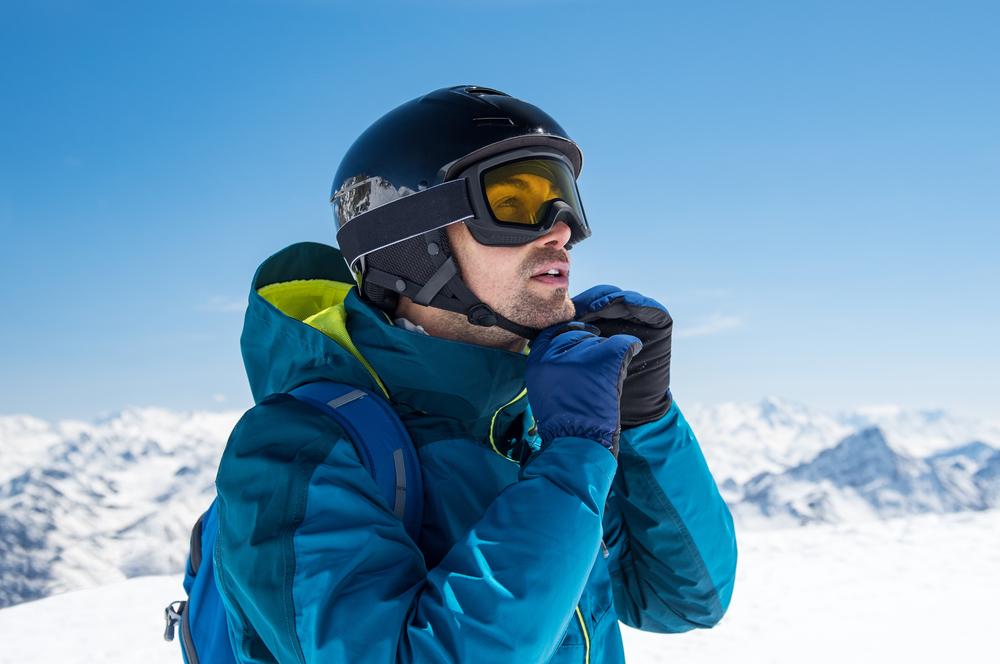
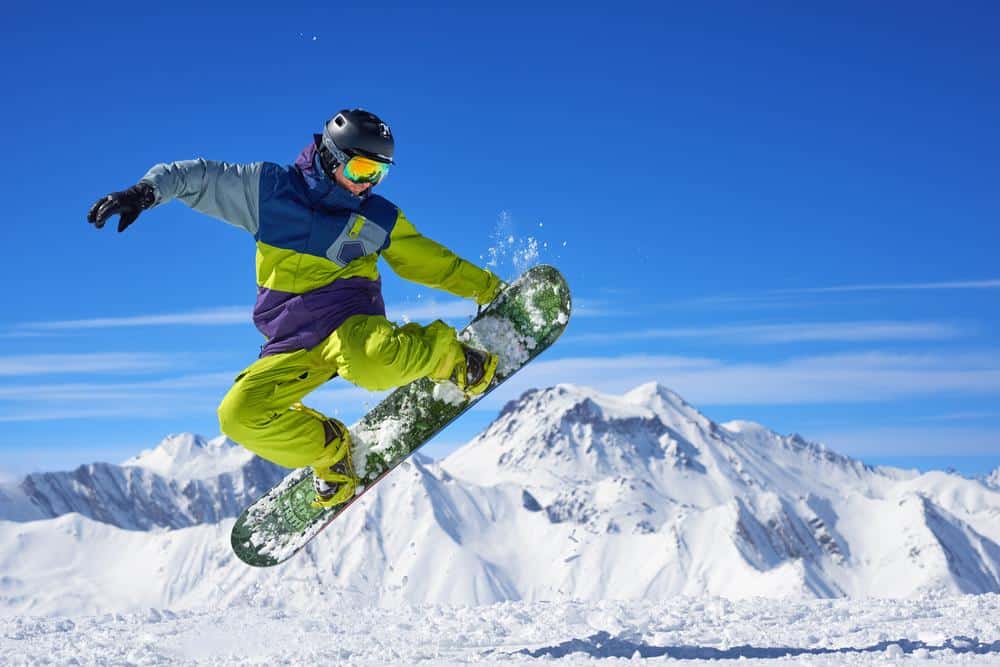 Choosing the right helmet is vital to protect your head in case of a fall. It's crucial to plan for your own personal helmet before heading to the snowy peaks, to guarantee a perfect fit, optimal comfort and impeccable hygiene. A good helmet can last several seasons, which is why investing in quality equipment is more cost-effective than renting.
Please note: since 01/11/2025, wearing a helmet has been mandatory in Italy for all skiers, snowboarders and sledders.
Ski goggles are also among the essential equipment. A quality model guarantees good visibility and protects your eyes from harmful UV rays and glare.
Good to know: to guarantee an optimal fit, try on your goggles and helmet together.
Car: what precautions should you take for a ski holiday?
Technical checks before departure
Before setting off for your ski holiday, a full check of your vehicle is essential. Make sure all fluid levels are adequate, including antifreeze and brake fluid. Check the pressure and condition of your tyres, which need to provide optimal grip on snow and ice. Brakes must be in perfect working order, as they are heavily used on mountain descents.
Using winter tyres, which offer better grip, or snow chains is often essential in snowy regions and may be required by law depending on your destination. Taking these precautions will help you avoid accidents and ensure you arrive safely at your destination.
Essential equipment to bring along
For a ski holiday, equipping your car with safety essentials is a must. Bring a complete first aid kit, a warm blanket in case of a cold-weather emergency, and a torch in case of a night-time breakdown. It's also wise to have an ice scraper to clear your windows, a snow brush to remove accumulated snow from your vehicle, and antifreeze to prevent the engine and locks from freezing, and of course your snow chains.
Driving with a roof box also requires good preparation.
Anticipating the needs of the whole family
Travelling as a family
Travelling as a family means considering transport and accommodation issues for larger groups. It's crucial to organise the practical details, such as car seats for children, and to choose accommodation suitable for all ages, from babies to seniors. Think about the impact of altitude on health and make sure you have all the necessary equipment for everyone, including medication and childcare items.
Are you travelling with a pregnant woman, or are you pregnant yourself? Discover all our tips for going skiing during pregnancy.
Travelling with a dog
Travelling with a dog requires preparing your companion for the cold and altitude, with a warm coat and paw protection if needed. Check the rules for transporting animals if you're travelling by car or train, and make sure your accommodation accepts dogs. Also find out about the dog-friendly spaces and activities available at the resort.
Preparing for possible accidents
Preparing for possible accidents on the slopes is a responsible approach that can reduce risks and make it easier to handle emergency situations. To prevent accidents, it's essential to follow the safety rules of the slopes, ski at a level suited to your experience, and stay alert to your surroundings and other skiers. Before setting off, take the time to warm up to prepare your body for exertion and reduce the risk of injury.
In case of a skiing accident, stay calm and quickly report the incident to the resort's rescue team. If you witness an accident, protect the area to prevent further incidents and call for help.
Protect yourself and others by warning other skiers of the accident ahead of time, for example with crossed skis planted in the snow.
Tip: be particularly alert to avalanche risks. Don't take any risks and don't go off-piste, unless properly accompanied by an experienced guide who knows the area well, and make sure you carry the right safety equipment.
Finally, taking out suitable insurance before you leave is crucial. This will protect you against the potentially high costs linked to skiing accidents, including medical and rescue fees. Travel insurance with specific ski cover is strongly recommended for total peace of mind.
Conclusion
Careful preparation is the key to a successful ski holiday. By carefully choosing your resort, getting physically prepared, checking your equipment and vehicle, and anticipating everyone's needs, you give yourself every chance of an unforgettable stay. Enjoy your holiday!
Article written in collaboration with We are the words